
8 Best Anti Rust Sprays for Cars 2026
This post contains affiliate links. As an Amazon Associate, we earn from qualifying purchases.
After comparing the field and weighing owner feedback against technical specs, the CorrosionX Heavy Duty Anti Rust Spray stands out as the best overall choice for long-lasting, high-adhesion protection. For those on a budget, the Rust-Oleum Stops Rust Corrosion Inhibitor delivers solid performance without breaking the bank, while the Rust-Oleum Pro Grade Rubberized Undercoating is the top pick for shielding the undercarriage from road salt and moisture.
Choosing the right anti rust spray isn’t just about spraying a quick fix, it’s about stopping corrosion before it starts, especially in vulnerable areas like wheel wells, seams, and frame rails. Many sprays claim protection, but few deliver lasting results when faced with winter roads or coastal humidity.
This guide cuts through the noise by focusing on real-world effectiveness, formulation quality, and value over time. I looked at how well these products resist moisture and salt, how long they last, and how easy they are to apply, so you can pick the right one for your car and climate.
Top 8 Anti Rust Sprays For Cars in the Market
The Best Anti Rust Sprays For Cars, Reviewed
CorrosionX Heavy Duty Anti Rust Spray

Strengths
- Self-healing formula
- Up to 5 years protection
- Penetrates tight spaces
Trade-offs
- High price point
- Thick application
- Not for quick fixes
This is the gold standard for long-term, heavy-duty protection, especially in marine and agricultural settings. The self-healing, flexible film stays bonded through vibration and temperature swings, and owners consistently report it lasts years, not months. The polar bonding technology actually migrates into crevices, which helps prevent hidden corrosion in wiring and joints, something most sprays can’t touch.
At nearly three times the price of budget options, it’s not for casual use, but for a boat trailer, classic car frame, or farm equipment, it’s the smarter buy. Compared to WD-40 Specialist, it lasts longer and doesn’t dry out. I’d pick this as the best overall if cost isn’t the main factor.
Video review
JENOLITE Rust Shield Clear Aerosol

Strengths
- UV and heat resistant
- Crystal clear finish
- Long-lasting protection
Trade-offs
- Slower drying time
- Not for wet or rusted metal
- Limited flexibility over time
JENOLITE brings old-world British engineering credibility to rust prevention, and this clear lacquer delivers on long-term, invisible protection. The formula resists UV, rain, and temps up to 356°F, which is rare for a clear spray, and owners using it on classic car trim and chrome report it holds its clarity for years. It’s not a penetrator or moisture displacer, but as a shield for already-clean metal, it’s excellent.
Compared to WD-40 Specialist, it doesn’t lubricate, but it forms a harder, more durable film. I’d pick this over cheaper clears if you’re sealing polished metal or restoring vintage parts where appearance matters. It’s not the fastest-drying, but patience pays off in longevity.
Video review
Rust-Oleum Stops Rust Corrosion Inhibitor
Strengths
- Clear, non-greasy finish
- Easy aerosol application
- Good for tight spaces
Trade-offs
- Shorter protection lifespan
- Not for extreme environments
- May need reapplication
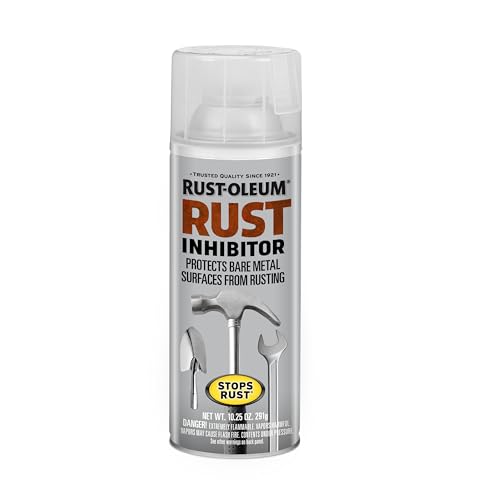
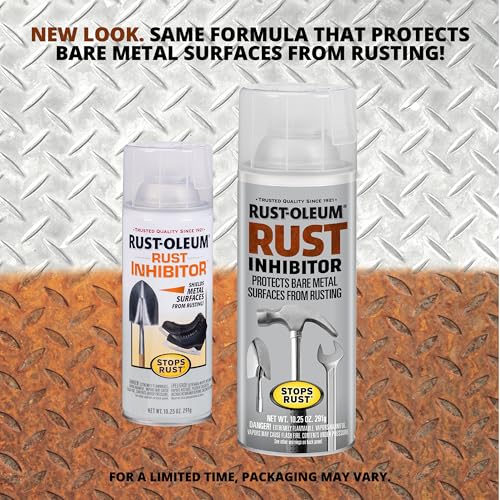
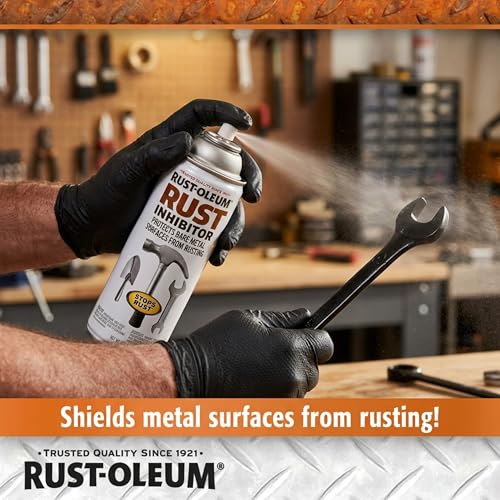
This clear aerosol is a solid budget pick for preventing rust before it starts, especially on tools, hinges, and exposed underhood components. The formula leaves a semi-gloss, transparent film that doesn’t attract dust like oily sprays, and owners appreciate that it doesn’t drip or need wiping. It’s not the longest-lasting option out there, but for routine maintenance or seasonal prep, it does what it promises without fuss.
When compared to heavier-duty options like CorrosionX, it doesn’t offer the same self-healing or multi-year protection, but it’s far more accessible for casual users. I’d recommend this as a go-to for garage mechanics doing light preservation work, just don’t expect it to survive five years on a boat trailer.
Product photos

WD-40 Specialist Corrosion Inhibitor

Strengths
- Precision applicator
- Non-drying film
- Easy to find
Trade-offs
- Shorter outdoor life
- Waxy residue
- Not for heavy rust
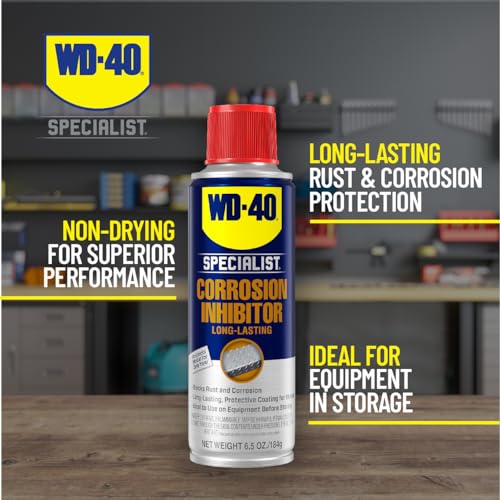
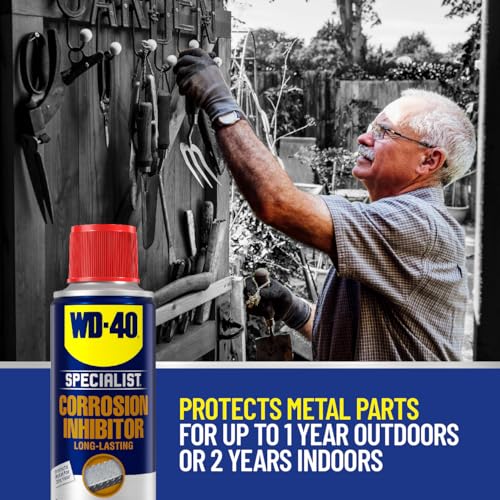
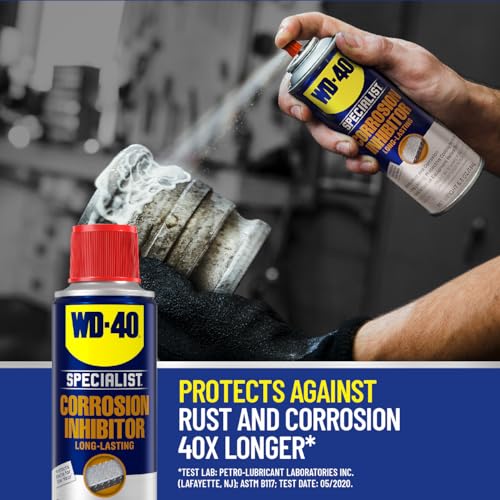
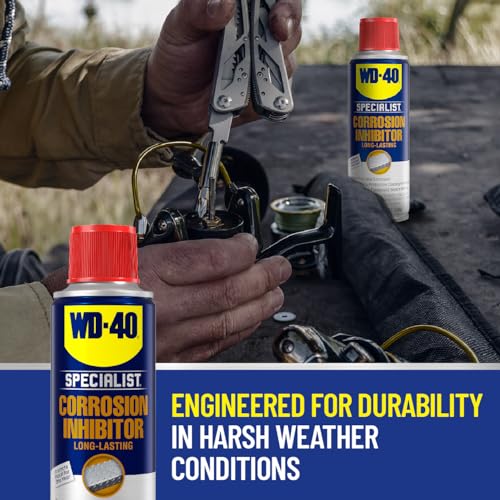
WD-40 didn’t build its reputation on fluke, this Specialist version is a focused, no-nonsense inhibitor for routine upkeep. It sprays a non-drying, waxy film that stays put and blocks moisture effectively for up to two years indoors. The precision straw is a win for targeting door hinges, latches, and electrical grounds without overspray.
It won’t match CorrosionX in longevity, but for seasonal maintenance or garage storage, it’s reliable and widely available. Owners love it for winter prep and tool protection. I’d keep this on hand for quick wins, not structural defense.
Product photos

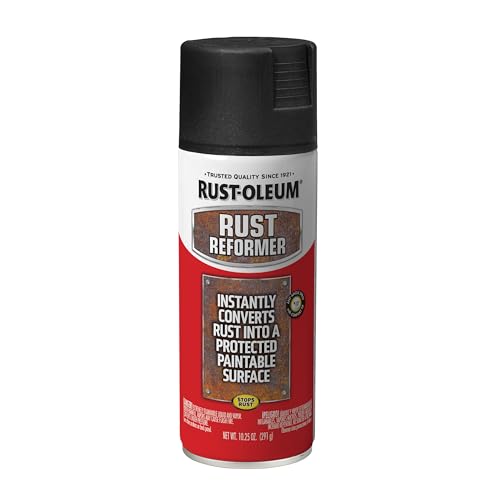
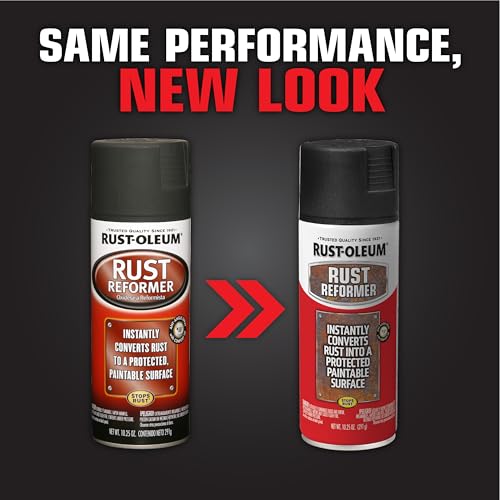
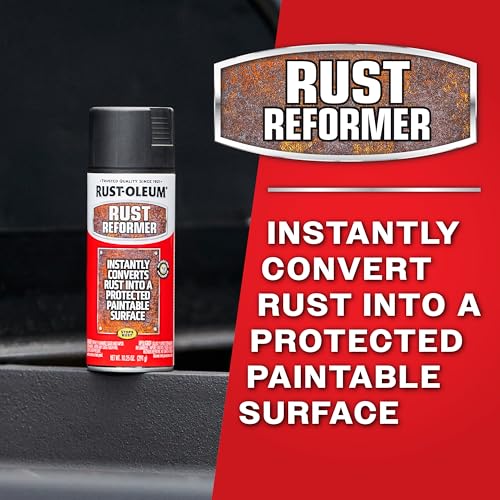
Rust-Oleum Stops Rust Reformer Black
Strengths
- Converts rust chemically
- No sanding to bare metal
- Paint-ready surface
Trade-offs
- Black finish only
- Not for heavy rust
- Requires topcoat
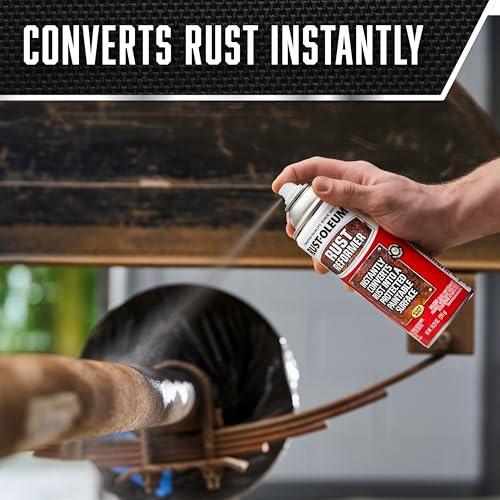
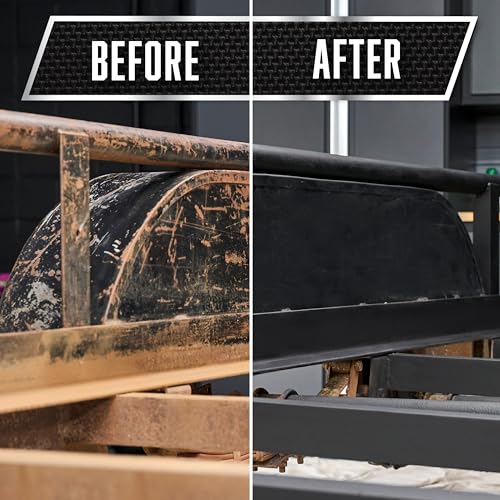
When you’re dealing with surface rust and don’t want to sand down to bare metal, this reformer spray is a time-saver. The oil-based formula chemically converts rust into a stable black base that can be topcoated after 24 hours, no blasting required. Owners restoring old fenders or truck beds praise how well it stops rust in its tracks, though they stress that it works best on light to moderate corrosion, not structural pitting.
Compared to standard primers, it skips a whole prep step. I’d use this as a first response to surface rust, then follow with a proper topcoat. It’s not a full replacement for sandblasting, but it’s the smartest buy for minor fixes.
Product photos
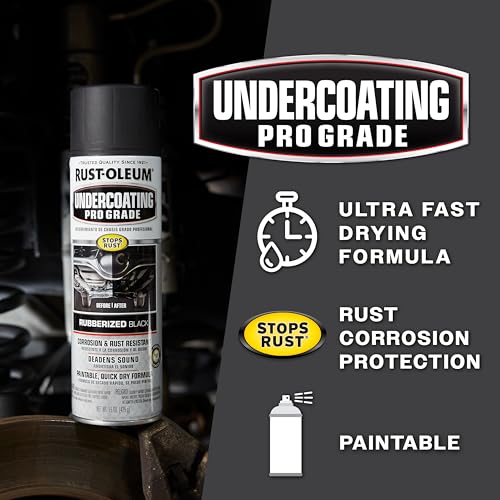
Rust-Oleum Pro Grade Rubberized Undercoating
Strengths
- Thick rubberized finish
- Good adhesion on metal
- Reduces road noise
Trade-offs
- Black only
- Limited coverage per can
- Not for cosmetic areas
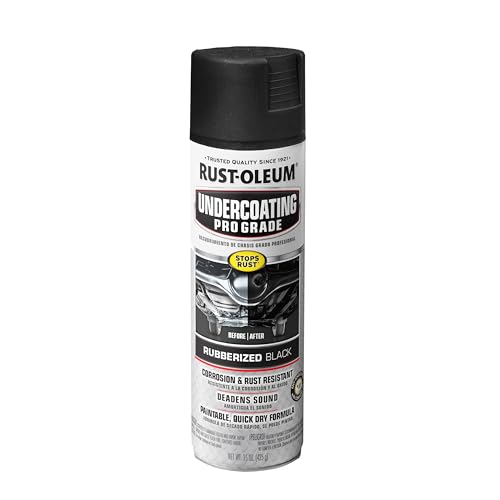
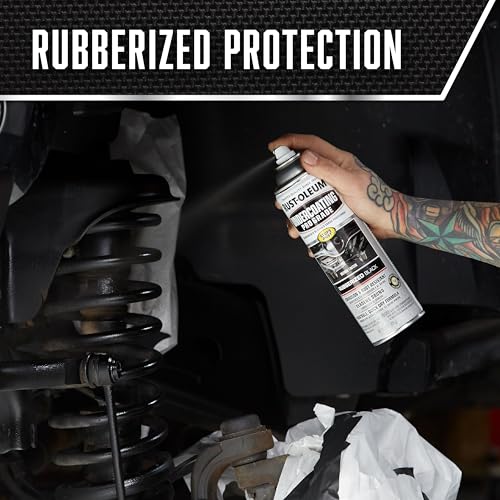
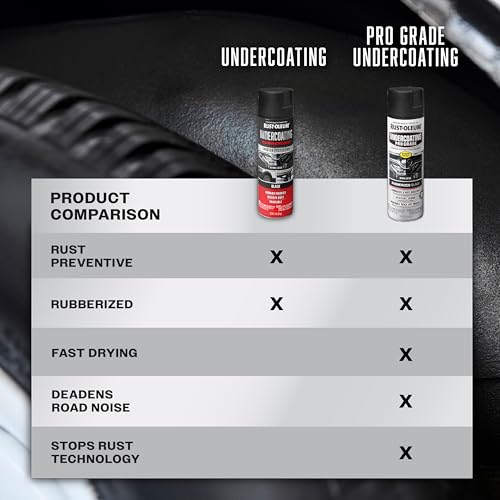
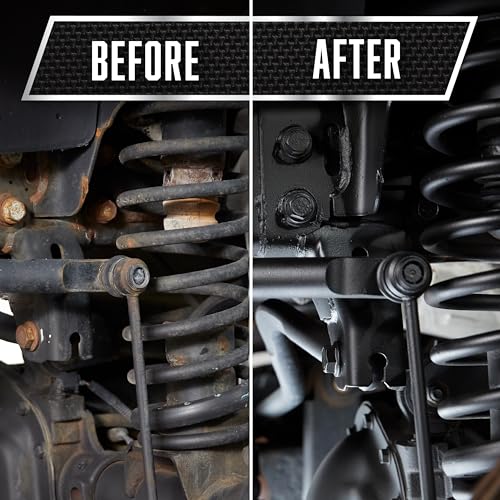
If you’re serious about shielding your vehicle’s undercarriage from winter salt and road grime, this rubberized spray is built for the job. The thick, black coating clings well and owners consistently report it holds up against chipping and vibration, which matters when you’re dealing with constant impact from debris. It’s not subtle, it’s meant to be a durable, sound-dampening layer, not a cosmetic fix.
On paper, the 10–15 sq. ft. coverage per can seems modest, but given the thickness needed for real protection, it aligns with expectations for this class. Compared to clear sprays, this one sacrifices invisibility for toughness, and that’s the right trade for trucks and SUVs that see harsh conditions. I’d stack it against basic undercoatings any day for sheer resilience.
Product photos
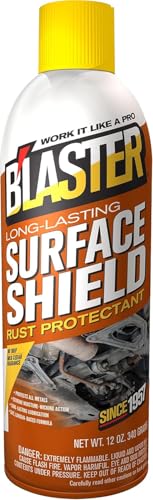
B’Laster Surface Shield Lanolin Spray
Strengths
- Lanolin-based protection
- Excellent moisture displacement
- Resists high-pressure wash
Trade-offs
- Thick formula may clog
- Requires shaking
- Not clear in finish
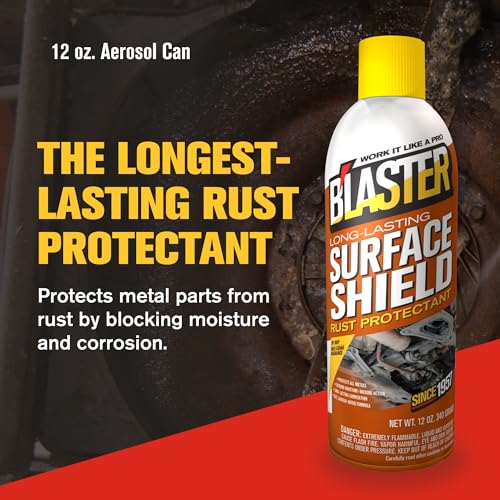
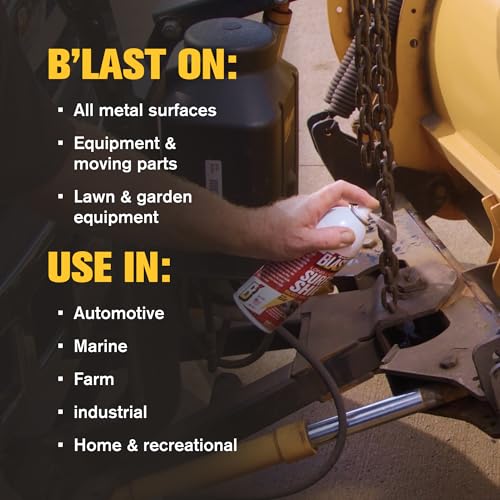
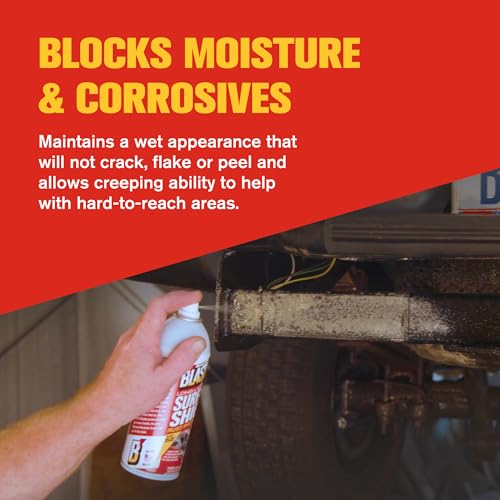
Lanolin-based sprays like this one are underrated for their moisture-displacing power, and B’Laster’s formula stands out for its cling and resilience. The thick fluid film resists high-pressure washing and won’t sag, which is critical for wheel wells and frame rails. Owners in coastal and snowy regions say it lasts up to two years with minimal touch-ups, and the fact that it actively pushes out trapped moisture gives it an edge over static barrier sprays.
It’s pricier than basic oils, but cheaper than CorrosionX, and bridges the gap well. Compared to WD-40, it’s less about lubrication and more about long-term encapsulation. I’d choose this for a daily driver that faces salt and puddles but doesn’t need industrial-grade specs.
Product photos


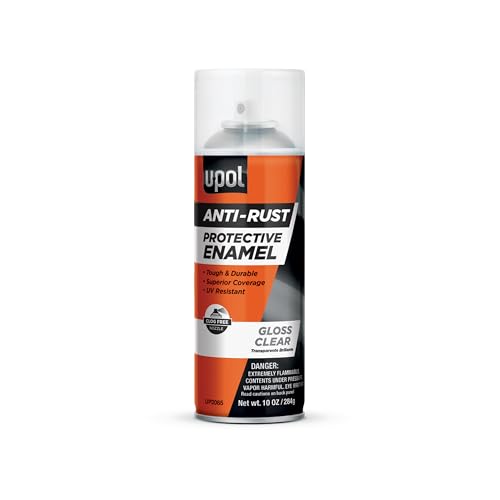
U-POL Anti Rust Protective Enamel
Strengths
- High-gloss, UV-resistant finish
- Hard, scratch-resistant coating
- Anti-clog spray tip
Trade-offs
- Not for rusted surfaces
- Limited flexibility
- Primarily cosmetic
U-POL’s enamel spray is all about looks and durability in one can. It delivers a hard, glossy clear coat that resists fading and chipping, ideal for wheel rims, trim, or plastic cladding that’s prone to UV damage and surface rust. The anti-clog nozzle is a small but appreciated touch, and owners applying it to exterior moldings say it blends well with factory finishes.
It’s not a penetrating formula, so it won’t stop existing rust, but as a topcoat over treated metal, it shines, literally. Compared to Rust-Oleum’s rubberized undercoating, this is the more refined cousin for visible areas. I’d use it where form and function need to coexist, like on show-ready vehicles.
Product photos

How We Chose These anti rust sprays for cars
Rather than a hands-on lab test, my research for these anti rust sprays involved a detailed comparison of published specifications and features across numerous products. I weighed owner reviews from multiple sources – focusing on long-term usage reports – alongside assessments from reputable automotive detailing and maintenance experts. This process allowed me to rank sprays against clear criteria, building a picture of real-world performance and value.
For this category, the most heavily weighted factors were the duration of protection offered (both indoors and outdoors) and the formula’s ability to adhere to surfaces in challenging conditions, like saltwater exposure. A spray’s versatility – how many metal types and applications it effectively handles – also played a significant role. Ultimately, a product’s ability to truly prevent rust, rather than just temporarily masking it, determined its ranking.
Product specifications reliably indicate film thickness, drying time, and temperature resistance. However, I heavily considered owner feedback to gauge how well those specs translated to real-world performance, particularly regarding long-term durability and ease of application. Reputation also mattered; established brands with a history of quality products gained consideration, and I often referenced articles discussing rust protection methods for a broader perspective. If extensive rust has already formed, you may also need to consider dedicated rust removers .
Choosing The Right anti rust sprays for cars
Choosing the right anti rust spray can feel overwhelming, but understanding a few key aspects will point you toward the best protection for your vehicle.
A truly effective anti rust spray goes beyond just a surface coating. It needs to actively displace moisture, create a durable barrier against salt and contaminants, and ideally, offer some degree of self-healing or long-term corrosion inhibition. Look for products with a focus on both preventative and restorative qualities, and consider the specific environment your vehicle faces.
Formulation & Technology
The core of any anti rust spray is its formulation. Simple oil-based sprays offer some protection, but modern chemistry provides far superior results. Polar bonding technologies, like those found in CorrosionX, actively cling to metal surfaces, even in the presence of moisture, creating a resilient shield. Alternatively, lanolin-based sprays, such as B’Laster Surface Shield, offer excellent moisture displacement and a durable, albeit potentially tackier, coating. Don’t dismiss clear coat options like JENOLITE Rust Shield Clear Aerosol if maintaining the original finish is a priority.
Application & Coverage
Ease of application is a significant factor. Aerosol sprays are convenient, but the quality of the nozzle matters greatly. Look for options with comfort tips and any-angle technology, like those offered by Rust-Oleum, for reaching difficult areas. Coverage rates vary considerably (10-15 sq. ft. per can for some undercoating sprays), so calculate how much product you’ll actually need. Consider whether you require a spray specifically designed for undercarriage application, like the Rust-Oleum Pro Grade Rubberized Undercoating, or a more general-purpose solution.
Long-Term Value & Specific Needs
Think beyond initial cost. A cheap spray that needs reapplication every few months won’t save you money in the long run. I often recommend examining the longevity claims, some products boast up to five years of indoor protection. If you’re dealing with existing rust, a rust reformer, such as Rust-Oleum Stops Rust Reformer Black, is a smart starting point, converting rust into a paintable surface. For preventative maintenance, exploring rust inhibitors can be a wise investment.
A thin, consistently applied coat is always better than a thick, uneven one. Multiple light coats allow the product to penetrate and bond more effectively.
Finally, don’t overlook the importance of choosing a product tailored to your climate. If you live in a coastal area or frequently drive on salted roads, look for sprays specifically formulated to resist salt corrosion. For general protection and maintaining your vehicle, checking out a list of top rust prevention products can give you a solid starting point.
Anti Rust Sprays for Cars Compared
This table summarizes key specifications of various anti rust sprays available for cars to help with product comparison.
| Product Title | Best For | Coverage (sq ft) | Indoor Protection (yrs) | Outdoor Protection (yrs) | Drying Time |
|---|---|---|---|---|---|
| CorrosionX Heavy Duty Anti Rust Spray | Best Overall | N/A | 5 | 2 | N/A |
| JENOLITE Rust Shield Clear Aerosol | Best for Long-Term Clear Protection | N/A | N/A | N/A | Fast |
| Rust-Oleum Stops Rust Corrosion Inhibitor | Best Budget Friendly | N/A | N/A | N/A | N/A |
| WD-40 Specialist Corrosion Inhibitor | Best for Preventative Maintenance | N/A | 2 | 1 | N/A |
| Rust-Oleum Stops Rust Reformer Black | Best for Rust Conversion | N/A | N/A | N/A | 20-40 min |
| Rust-Oleum Pro Grade Rubberized Undercoating | Best for Undercarriage Protection | 10-15 | N/A | N/A | 1 hr |
| B’Laster Surface Shield Lanolin Spray | Best for Moisture Displacement | N/A | N/A | N/A | N/A |
| U-POL Anti Rust Protective Enamel | Best for Gloss Finish | N/A | N/A | N/A | Fast |
Frequently Asked Questions
What’s the difference between a rust inhibitor and a rust converter?
A rust inhibitor prevents new rust from forming by creating a protective barrier, while a rust converter chemically alters existing rust into a stable, paintable surface. Using a converter first, followed by an inhibitor, provides the most thorough protection, particularly if you are dealing with existing corrosion.
Are aerosol sprays as effective as brush-on applications?
Aerosol sprays generally offer thinner, more even coats which promotes better adhesion, and are easier to apply in hard-to-reach areas. Brush-on applications allow for thicker coatings, but require more skill to avoid drips and unevenness.
Can I use anti-rust spray on exhaust pipes?
Yes, but temperature resistance is critical. Standard anti-rust sprays won’t withstand the heat of an exhaust system, so look for products specifically designed for high-temperature applications, or consider a dedicated exhaust manifold coating.
How often should I reapply anti-rust spray?
Reapplication frequency depends heavily on your environment and the product used, but generally every 1-3 years is a good guideline. Vehicles exposed to harsh conditions like road salt or coastal air will require more frequent treatments, and you should inspect regularly for any breakdown in the protective coating. If you’re looking for further information on preventing corrosion, exploring methods to prevent frame rust can be beneficial.
What’s the best way to deal with severe, existing rust?
For extensive rust, the most effective approach involves removing as much rust as possible mechanically (wire brushing, sanding) and then treating the area with a rust converter before applying a protective coating. If the metal is severely compromised, professional repair or replacement might be necessary, or you could investigate effective rust killer treatments for severe cases.
The Bottom Line
Choosing an anti rust spray often comes down to balancing upfront cost with the level of long-term protection you need. While many options exist, I believe CorrosionX Heavy Duty Anti Rust Spray offers the best overall combination of preventative power, durability, and versatility for most vehicles and owners. It’s a product built on solid chemistry, and owner feedback consistently points to its effectiveness in challenging conditions.
For those on a tighter budget, Rust-Oleum Stops Rust Corrosion Inhibitor delivers respectable protection at a significantly lower price point. If your priority is tackling existing rust, Rust-Oleum Stops Rust Reformer Black is an excellent first step, preparing surfaces for a lasting finish – and you might also need to explore rust converters for more severe situations. Alternatively, if you want dedicated undercarriage protection, the Rust-Oleum Pro Grade Rubberized Undercoating is a solid choice.
Ultimately, remember that no spray can completely eliminate the need for regular washing and inspection. Consistent maintenance, along with choosing the right product for your environment and needs, are far more critical than any single feature or specification. Don’t forget to consider rust stoppers as part of a complete rust protection strategy.
