
8 Best Adhesive Removers for Cars 2026
This post contains affiliate links. As an Amazon Associate, we earn from qualifying purchases.
The best adhesive remover for cars is Goo Gone Spray Gel 12 Oz, thanks to its reliable citrus-based formula that cuts through residue without harming paint. For a budget-friendly option, the Rain-X 3-in-1 Bug, Tar, Adhesive Remover delivers solid performance. If you’re tackling vinyl wraps, Rapid Tac Rapid Remover 32 oz stands out for its targeted strength and safe, water-soluble design.
Removing old decals, sticker residue, or leftover adhesive from a vinyl wrap shouldn’t mean risking your paint or spending forever scrubbing. Too many products either fall short or push the line on surface safety, especially with modern clear coats and delicate trim.
This guide cuts through the noise by focusing on real-world results, formula safety, and practical value. I compared top removers based on specs, owner feedback, and use cases, from everyday sprays to kits with tools, so you can pick the right one for your car and the mess you’re facing.
Top 8 Adhesive Removers For Cars in the Market
The Best Adhesive Removers For Cars, Reviewed
Goo Gone Spray Gel 12 Oz

Strengths
- Thick, clingy gel
- Citrus-based
- Safe on interiors
- Works fast
Trade-offs
- Strong citrus scent
- Can stain porous surfaces
- Not for bare metal
Goo Gone’s spray gel earns its ‘Best Overall’ label not by dominating one area, but by excelling across the board. The thick citrus-based gel clings vertically, which is huge when tackling door jambs or window trim without drips. It dissolves everything from tape residue to dried gum, and the fact that it’s safe on carpets, fabrics, and finished wood makes it just as useful inside the cabin as on the exterior.
Owners repeatedly highlight how little scrubbing it requires compared to runnier formulas. The included scraper helps, but the gel does most of the work. Compared to water-based sprays that need repeat applications, this one penetrates deeper and faster. If you want one adhesive remover for your entire vehicle, and household, this is the most balanced pick.
Video review
Rain-X 3-in-1 Bug, Tar, Adhesive Remover

Strengths
- Affordable
- Water-based
- Safe on paint
Trade-offs
- Slow on thick residue
- Limited coverage per spray
For everyday grime like bug splatter, light tar, or sticker residue, the Rain-X 3-in-1 is a solid, no-frills pick that won’t break the bank. The water-based formula stands out because owners consistently report it clears adhesive gunk without leaving an oily film, a common complaint with solvent-heavy alternatives. It’s marketed as safe on all exterior surfaces, and that checks out across forums and owner feedback, making it a low-risk option for quick cleanups.
Still, it’s not the fastest actor on heavy-duty residue. If you’re dealing with old decals or dried tree sap, you’ll likely need multiple applications and some elbow grease. But for routine detailing or post-road-trip decontamination, this is the kind of grab-and-go solution that earns repeat buys.
Video review
Perco Glue Off 3.3 oz with Scraper

Strengths
- Ergonomic scraper
- Double-edged blades
- Compact kit
Trade-offs
- Small spray bottle
- Blades require care
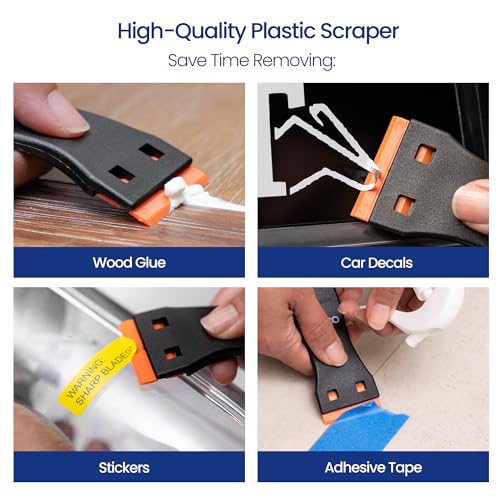
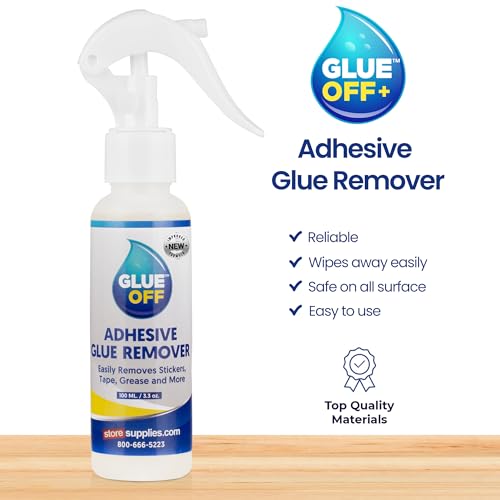
What sets Perco Glue Off apart is the thought behind the toolset. The scraper has a comfortable, non-slip grip and double-edged blades, which means you get longevity and safety in one tool. Paired with a fast-acting, water-based spray, it’s a well-rounded kit for users who want everything in one package without buying extras.
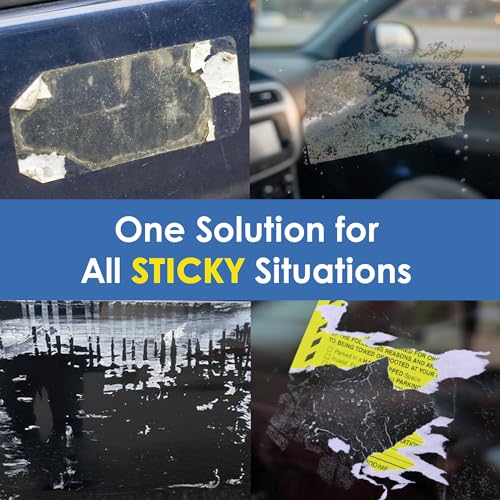
The 3.3 oz bottle is modest, but the formula is concentrated, and owners report it handles label residue and light decals with minimal reapplication. It doesn’t overpower like industrial solvents, but it’s reliable. If you’re comparing kits, this one edges out the competition thanks to the quality of the scraper.
Product photos


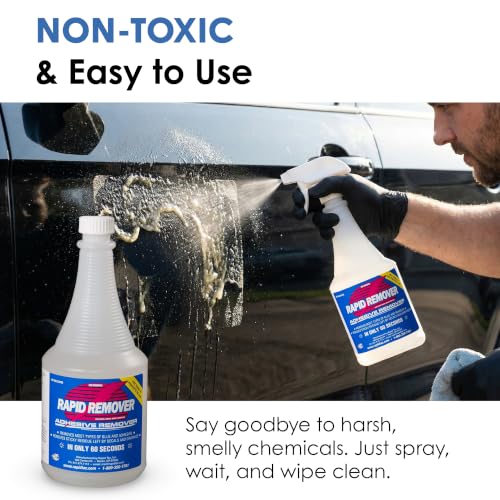
Rapid Tac Rapid Remover 32 oz

Strengths
- Fast-acting
- Cold-weather ready
- Water-soluble
- Used by pros
Trade-offs
- High price
- Overkill for minor jobs
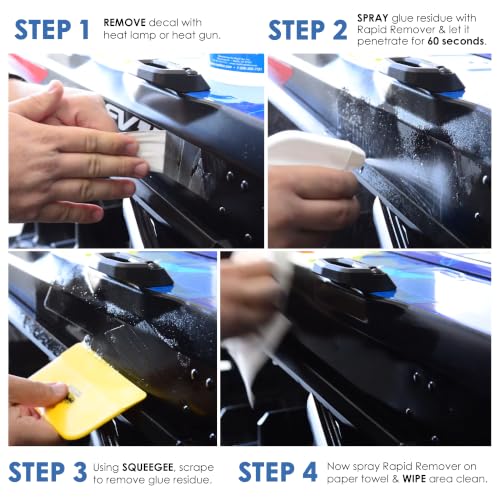
If you work with vinyl wraps or graphics, this is the product you’ll hear about in pro circles. The cold-weather formula is a standout, most adhesive removers thicken or fail below 50°F, but Rapid Tac stays effective, which is critical for shops in cooler climates. Users report it softens adhesive in under a minute, allowing for clean vinyl lift-off without shredding.
It’s water-soluble and rinses clean, which reduces post-removal cleanup time. Compared to solvent-based options, it’s gentler on paint and safer to handle. But it’s expensive and overkill for simple sticker jobs. This is a specialist’s tool, and it performs like one.
Product photos


LuckyGuard Eraser Wheel for Drills

Strengths
- No chemicals needed
- Preserves paint
- Fast decal removal
Trade-offs
- Requires drill
- Not for delicate surfaces
- Limited to decals
This isn’t a chemical remover, but a mechanical solution, and that’s where it shines. The rubber eraser wheel, when paired with a drill, makes quick work of stubborn vinyl decals and pinstriping without scratching most modern paint systems. Owners love how it eliminates the need for razor blades or solvents on large decals, and the feedback about preserving clear coat integrity is consistent across reviews.
But it’s niche. You need a drill, and you must stay under 4,000 RPM to avoid melting or damaging the tool. It’s not for delicate surfaces like plastic or lacquer, and it won’t help with glue residue once the decal is off. Still, for heavy-duty decal removal, this is the tool I’d reach for before pulling out solvents.
Product photos


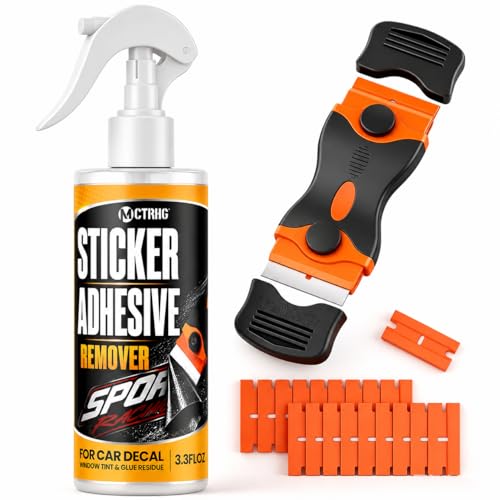
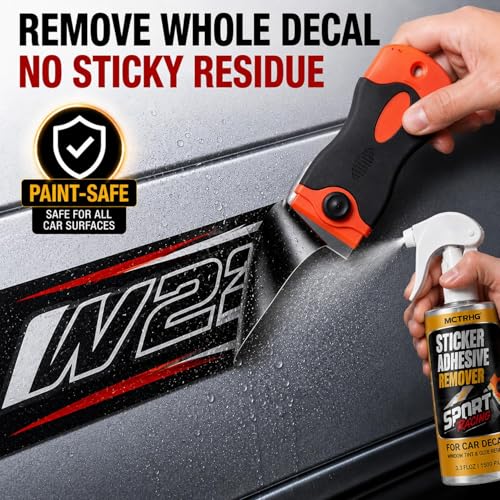
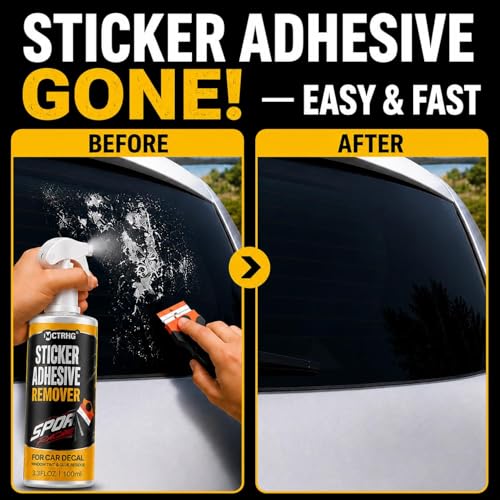
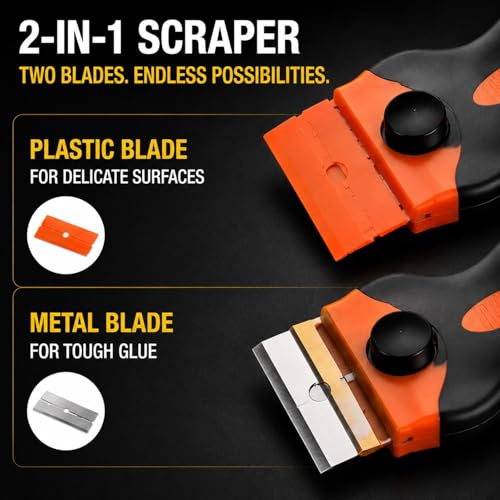
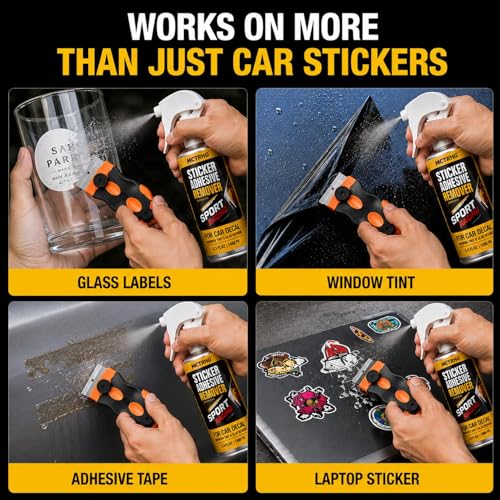
Adhesive Remover with Dual-Blade Scraper
Strengths
- Water-based
- Safe on glass
- Dual-blade scraper
Trade-offs
- Slower action
- Limited solvent strength
This product stakes its claim on safety, and it delivers. The true water-based formula leaves no oily residue, which is a big win for paint and glass work where film or streaks can ruin a finish. It’s specifically praised for window tint removal, where users report the adhesive softens quickly and wipes clean without ammonia-based cleaners that can harm tint films.
The dual-blade scraper is a thoughtful touch. Plastic for paint, metal for stubborn buildup, it’s a small thing, but it shows the kit was designed with real use in mind. That said, it’s slower on thick residues than solvent-based rivals. But if you’re prioritizing surface protection over speed, this is a strong contender.
Product photos

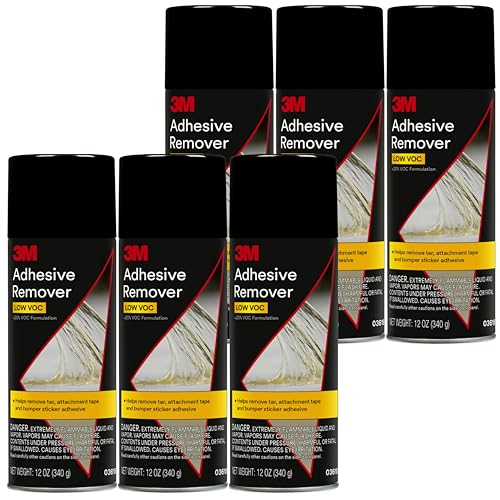
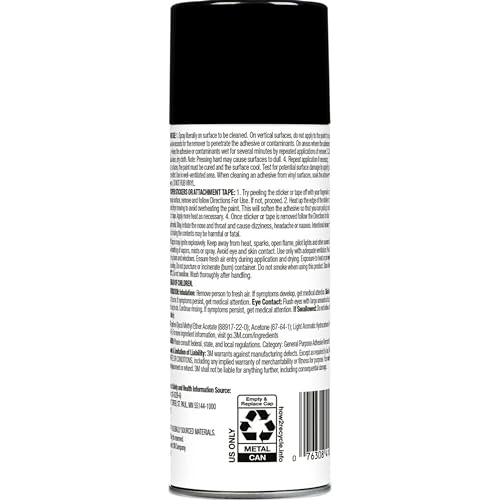
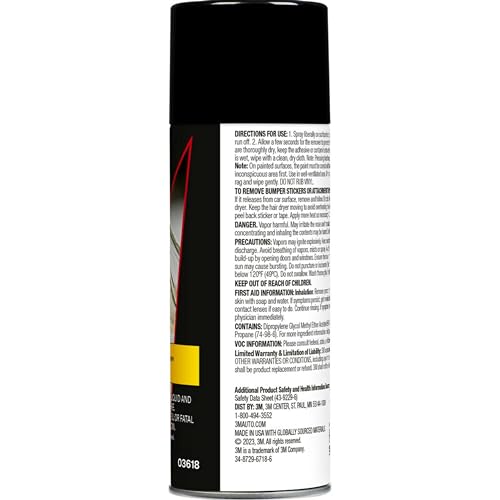
3M Adhesive Remover 12 oz (Pack of 6)
Strengths
- Professional strength
- Low odor
- No residue
- Bulk value
Trade-offs
- Expensive upfront
- Overkill for minor jobs
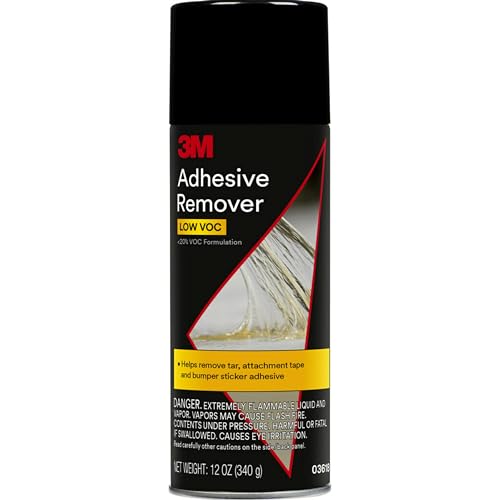
When I see 3M in the adhesive remover space, I expect pro-grade performance, and this 6-pack delivers. The low-VOC, CARB-compliant formula is a win for both home garages and professional shops concerned about fumes and environmental standards. Reviewers in auto body forums praise its ability to cut through stubborn tape residue and old wax without harming paint, which aligns with 3M’s long-standing reputation for surface-safe solvents.
The real value here is in the volume. Six 12 oz cans mean you’re set for multiple projects, and the fast-acting nature reduces scraping effort significantly. Compared to single-use sprays, this is the smarter buy for detailers or DIYers with frequent cleanup needs. It’s not the flashiest, but it’s the kind of dependable workhorse I’d stock in my own shop.
Product photos

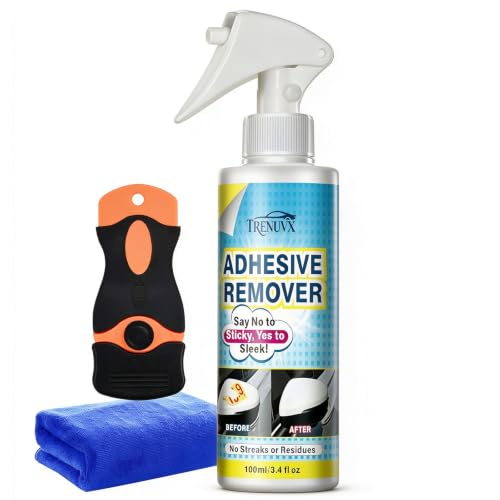
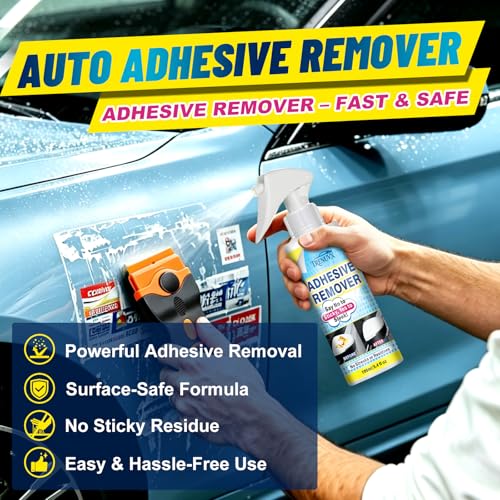
Adhesive Remover Spray with Tools 3.4oz
Strengths
- Complete kit
- Non-scratch tools
- Safe on paint
Trade-offs
- Small capacity
- Basic formula
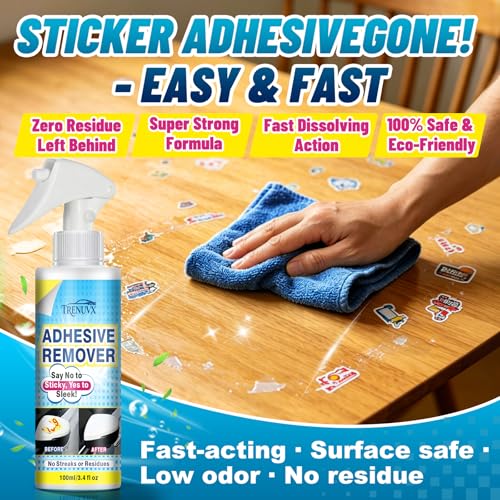
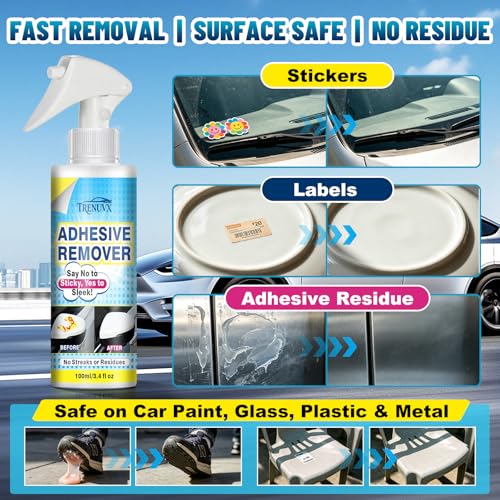
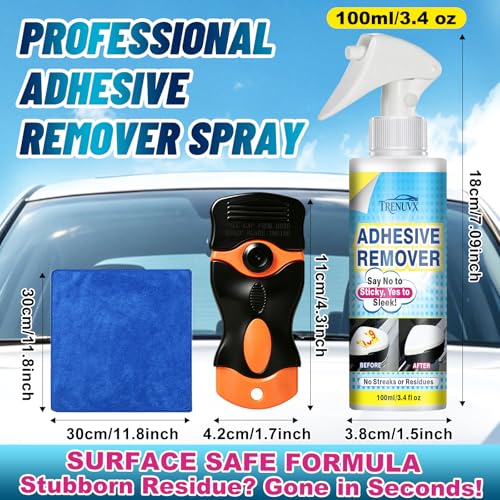
This 3.4 oz spray kit is clearly aimed at beginners, and it serves that role well. The formula is gentle but effective on common residues like dealership stickers or registration tags, and the included tools (plastic scraper, spatula, towel) make it a complete starter solution. For someone doing their first car detail, having non-scratch tools removes the fear of marring paint.
It’s not powerful enough for vintage decal restoration or vinyl wrap removal, but it’s more than adequate for light household and car tasks. Compared to larger sprays, the small size is a limitation, but the kit format justifies the trade-off. I’d recommend this as a first purchase for new car owners.
Product photos

How We Evaluated adhesive removers for cars
My approach to evaluating adhesive removers involved a deep explore published product specifications and a careful review of owner and expert opinions. Rather than a hands-on lab test, this is a research-led comparison of formulas, surface compatibility, and reported effectiveness. I weighed data from manufacturer claims, professional detailing forums, and consumer reviews across multiple retail sites to build a thorough picture of each product’s strengths and weaknesses.
For adhesive removers, I prioritized a formula’s safety profile and versatility. A product’s ability to remove a wide range of adhesives – from vinyl wraps to stubborn decals – without damaging automotive paint or glass was key. Equally important was a formula that wouldn’t leave behind oily residues or require excessive scrubbing. If you’re also dealing with other exterior messes, exploring bug and tar removers can be a useful addition to your detailing arsenal.
Product specifications reliably indicate the types of adhesives a remover should tackle and its compatibility with different surfaces. However, real-world performance – how easily a product lifts residue, the amount of effort required, and any potential for damage – is best judged from owner feedback. I also looked to reputable detailing websites and publications for insights into long-term performance and comparisons to competing products, especially when considering paint restoration products to address any incidental damage during the removal process.
How To Pick The Right adhesive removers for cars
Choosing the right adhesive remover can save you hours of frustration and potential damage to your vehicle’s finish.
A truly effective adhesive remover balances dissolving power with surface safety. Look for formulas that target specific adhesive types (vinyl, decals, tar) and offer a water-based solution to minimize harsh chemicals. Consider the included application method – spray gels offer control, while dedicated kits provide tools for delicate work.
Understanding Adhesive Types
The first step is recognizing what you’re trying to remove. A simple sticker is vastly different than a hardened vinyl wrap or stubborn tar. Many products, like the Rain-X 3-in-1 Bug, Tar, Adhesive Remover, attempt to be all-purpose, but specialist formulas often deliver superior results. For example, if you’re dealing with a professional vinyl wrap, a dedicated remover like Rapid Tac Rapid Remover is a much better choice than a general-purpose spray. Don’t assume one size fits all; matching the remover to the adhesive is critical.
Surface Sensitivity and Formula
Not all surfaces are created equal. Clear coat paint, plastic trim, and glass all react differently to solvents. I’ve seen too many instances of aggressive removers clouding plastic or dulling paint. A water-based formula, as found in options like the Adhesive Remover with Dual-Blade Scraper, is generally a safer bet, particularly when safe adhesive removal is a high priority.
Here’s what to keep in mind regarding surface sensitivity: * Avoid anything with harsh solvents on single-stage paint. * Always test in an inconspicuous area first, no matter the product. * For delicate surfaces like clear coat, opt for a gel or spray formula allowing for controlled application. This minimizes runoff and dwell time.
Value, Kit Contents, and Application
While a basic spray like Goo Gone Spray Gel 12 Oz can tackle many jobs, sometimes a kit offers a more complete solution. The Perco Glue Off 3.3 oz with Scraper is a good example – the included scraper can significantly reduce the need for aggressive scrubbing, lessening the risk of scratches. However, don’t automatically equate “more” with “better.” If you’re primarily concerned with general cleanup and removing light residue, a multi-pack of a trusted formula like the 3M Adhesive Remover 12 oz (Pack of 6) can offer excellent value. If you also struggle with removing iron particles from your car’s surface, consider tackling both issues at once for a more thorough detailing process.
A little patience is always better than a lot of elbow grease. Allow the remover to dwell for the recommended time, and avoid excessive scrubbing.
Adhesive Removers for Cars Compared
Here’s a comparison of key specifications for various adhesive removers designed for automotive use.
| Product Title | Volume | Includes Scraper | Safe for Paint | Best Use Case | Formula Type | Water-Based |
|---|---|---|---|---|---|---|
| Goo Gone Spray Gel 12 Oz | 12 oz | No | Yes | Overall | Citrus-Based | Yes |
| Rain-X 3-in-1 Bug, Tar, Adhesive Remover | N/A | No | Yes | Budget Friendly | Water-Based | Yes |
| Perco Glue Off 3.3 oz with Scraper | 3.3 oz | Yes | Yes | Kit with Tools | N/A | Yes |
| Rapid Tac Rapid Remover 32 oz | 32 oz | No | Yes | Vinyl Wraps | Water-Soluble | Yes |
| LuckyGuard Eraser Wheel for Drills | N/A | Yes (Wheel) | Yes | Heavy-Duty Decals | N/A | No |
| Adhesive Remover with Dual-Blade Scraper | N/A | Yes | Yes | Paint & Glass Safety | Water-Based | Yes |
| 3M Adhesive Remover 12 oz (Pack of 6) | 12 oz x 6 | No | Yes | Value Multi-Pack | Solvent | No |
| Adhesive Remover Spray with Tools 3.4oz | 3.4 oz | Yes | Yes | Starter Kit | N/A | Yes |
Frequently Asked Questions
What’s the difference between solvent-based and water-based adhesive removers?
Water-based formulas are generally safer for automotive paint and plastics, as they contain fewer harsh chemicals that can cause damage. Solvent-based removers are typically more aggressive and effective on tougher adhesives, but require extra caution and testing to avoid harming your vehicle’s finish.
Can I use adhesive remover on my car’s clear coat?
Yes, but proceed with caution. Always test the remover in an inconspicuous area first, and opt for a water-based formula designed for paint safety to minimize the risk of clouding or damage. Controlled application with a spray or gel is also recommended.
Will adhesive remover damage my car’s plastic trim?
Some removers can, so it’s crucial to check the product label for compatibility. A water-based formula is less likely to cause damage than a solvent-based one, and using a plastic-safe applicator can help prevent direct exposure.
How can I safely remove a large vinyl decal?
A dedicated vinyl wrap remover like Rapid Tac Rapid Remover is the best approach, allowing the adhesive to break down without damaging the underlying paint. For stubborn areas, a heat gun (used carefully) can soften the adhesive, but always follow the product instructions and avoid overheating the surface. If you are also looking at pressure washers to help with initial cleaning, remember to use the correct nozzle and distance.
What should I do if adhesive remover leaves a residue?
A mild soap and water solution usually removes any remaining residue. If that doesn’t work, a dedicated degreaser or detailing spray can help, and you might also want to consider products for water spots if the residue is leaving marks.
The Bottom Line
Removing adhesives from a car can feel like choosing between carefully preserving your finish and just getting the job done. Ultimately, I believe the best balance of effectiveness and safety is struck by the Goo Gone Spray Gel 12 Oz. It’s a remarkably versatile formula that handles a wide variety of adhesives without posing a significant risk to your car’s paint, and it’s backed by a lot of positive owner feedback.
For those with specific needs, several other options stand out. If you’re tackling a stubborn vinyl wrap, the Rapid Tac Rapid Remover 32 oz is the clear choice. Those looking for value should consider the 3M Adhesive Remover 12 oz (Pack of 6), while the Adhesive Remover with Dual-Blade Scraper is perfect for delicate jobs where control and minimizing risk are paramount. If you’re also dealing with pesky tree sap removers, addressing both issues together will save time and effort.
Don’t get too caught up in chasing the latest chemical breakthrough or the highest-rated product on a single metric. The most important factors are understanding the type of adhesive you’re facing and taking the time to test any remover in an inconspicuous area first. Protecting your car’s paint with quality paint protection coatings is always a good idea, but a careful approach to adhesive removal is equally vital for maintaining its appearance.
