
8 Best AC Sealers for Cars 2026
This post contains affiliate links. As an Amazon Associate, we earn from qualifying purchases.
The Leak Saver Ultimate 3-in-1 AC Sealer is the best overall choice for most drivers, combining reliable sealing with moisture removal and UV dye in one easy-to-use package. For those on a budget, the RED TEK LeakStop12 delivers solid performance on R-134a systems at a lower price. If you’re dealing with newer R-1234yf refrigerant, the BlueSeal A/C Stop Leak R-1234yf is the most compatible and component-safe option.
As someone who’s spent years working around automotive AC systems, I know how quickly a weak cool-down or a slow leak can turn into a costly repair. Many drivers don’t realize that not all sealers are safe for modern systems, some can clog valves or fail entirely if the refrigerant type isn’t matched. This guide cuts through the noise, focusing on real-world performance, compatibility, and ease of use based on specs, owner feedback, and system design principles.
Top 8 Ac Sealers For Cars in the Market
The Best Ac Sealers For Cars, Reviewed
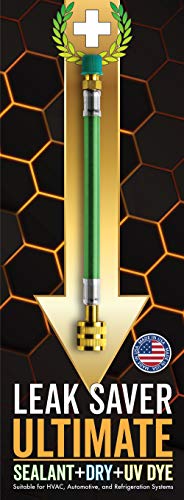
Leak Saver Ultimate 3-in-1 AC Sealer
Strengths
- Includes UV dye
- Removes moisture
- All-refrigerant compatible
Trade-offs
- Premium price
- Overkill for simple fixes
This is the most complete package in the category. It’s not just a sealer, it’s a full system tune-up in a can. The 3-in-1 formula combines leak sealing, moisture absorption, and UV dye for diagnostics, which eliminates the need for multiple additives. For anyone serious about A/C maintenance, that’s a major advantage.
The sealing action is the same trusted Leak Saver chemistry, but now you’re also reducing acid formation by removing moisture and getting leak detection built in. Compared to the standalone versions, this one gives you the full picture. It’s the most expensive, but for pros or dedicated DIYers, the value is there.
Video review
RED TEK LeakStop12 A/C Seal Treatment
Strengths
- Budget-friendly
- Works with multiple refrigerants
- Compatible with synthetic oils
Trade-offs
- No UV dye included
- Inconsistent real-world results
- Non-returnable
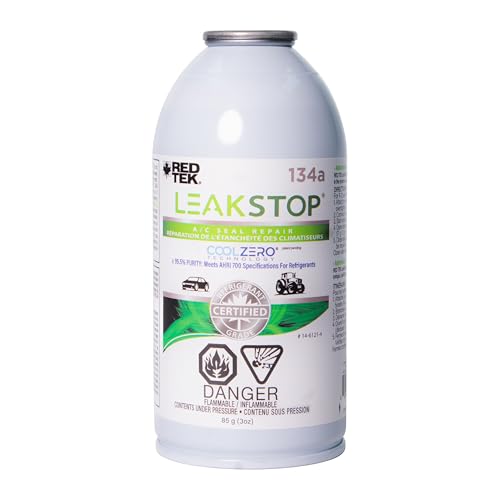
It’s hard to ignore RED TEK when budget is a concern. The 4 oz can gives you more volume than most competitors, and it’s compatible with a wide range of refrigerants and lubricants, including R12, R134a, and synthetic PAG oils. That kind of flexibility makes it a favorite among shade-tree mechanics working on mixed fleets.
But there’s a trade-off. While it’s less toxic than methanol-based formulas, it’s still a sealant that circulates and reacts under pressure, and some owners report mixed results, some leaks vanish, others return. It doesn’t come with dye, and the lack of return options adds risk if it doesn’t work. Still, as a low-cost first attempt, it’s a viable gamble.
Video review
Leak Saver Direct Inject AC Sealer Small

Strengths
- Works with all refrigerants
- Safe for system components
- Direct inject, no mess
Trade-offs
- Smaller capacity
- Requires adapter for cars
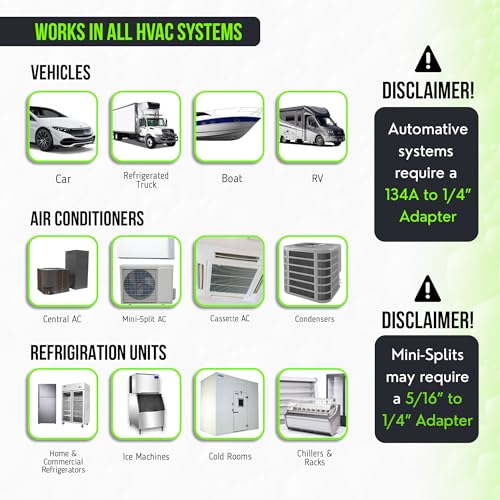
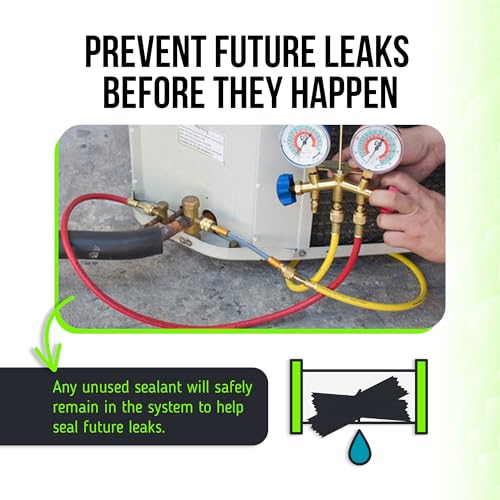
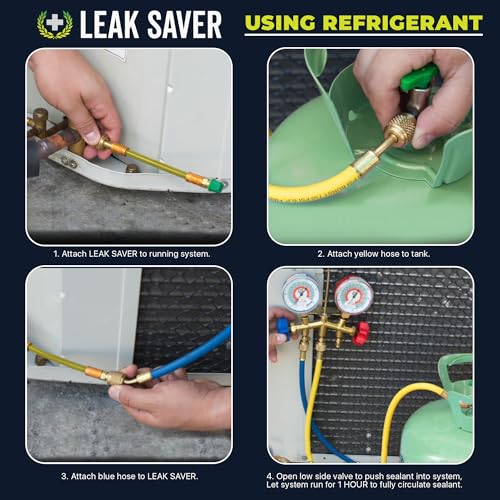
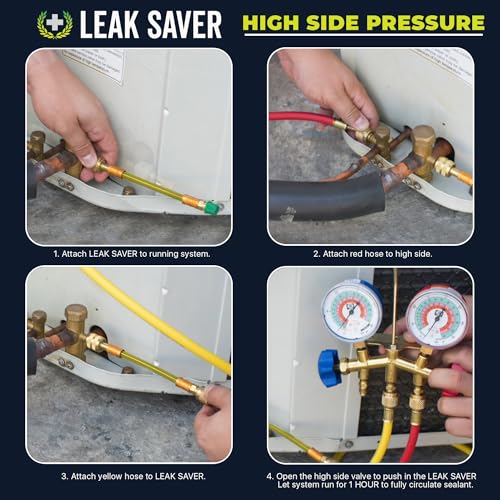
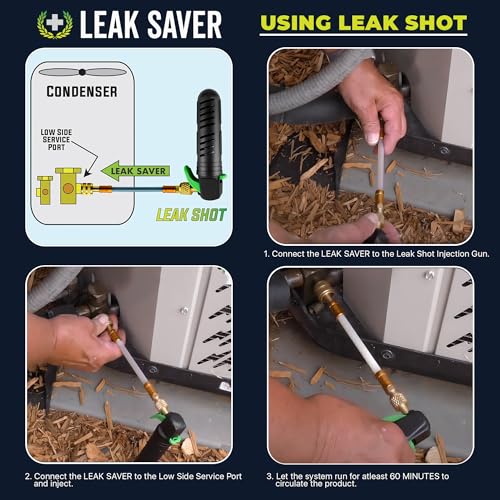
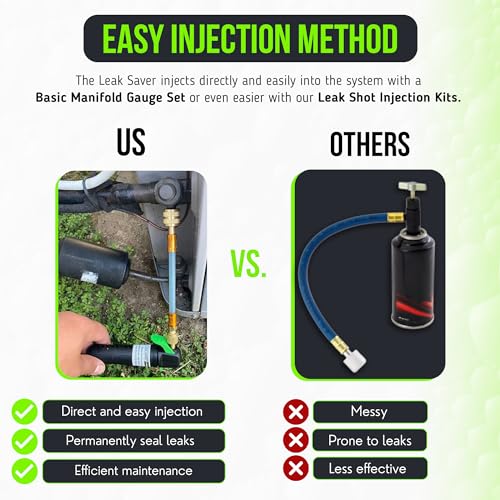
Leak Saver’s small system formula stands out because it’s not limited to cars, it’s a cross-platform solution that works just as well in a home mini-split as it does in a car. The direct-inject design skips the messy syringes, and the fact that it’s safe for expansion valves and recovery equipment gives it serious credibility.
Owners love that it’s made in the USA and that it’s been widely adopted by HVAC pros. For vehicles under 1 ton, think compact cars or light trucks, it’s a reliable option. The formula reacts only at leak sites, so it won’t gum up the rest of the system. Between this and the BlueSeal, I’d pick this one for broader compatibility.
Product photos
Leak Saver Direct Inject AC Sealer 5 Ton

Strengths
- High system capacity
- Universal refrigerant compatibility
- Proven industry trust
Trade-offs
- Overkill for small cars
- Higher price point
When you need more capacity, this 5-ton version is the logical step up. It’s the same trusted formula as the small system version but scaled for larger applications, ideal for SUVs, vans, or even light commercial rigs. The ability to handle systems up to 5 tons without clogging valves or damaging tools is a major selling point.
HVAC and auto pros alike trust this brand, and the million-unit sales track record speaks volumes. Compared to RED TEK, it’s far more reliable and professionally oriented. If you’ve got a bigger vehicle or want a single product that can handle multiple applications, this is a smarter long-term buy.
Product photos
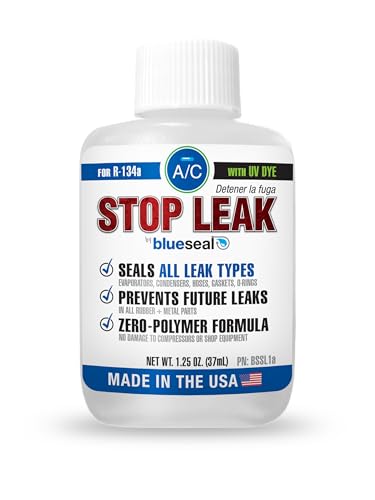
BlueSeal A/C Stop Leak R-134a
Strengths
- Safe for expansion valves
- Includes UV dye
- High success rate on small leaks
Trade-offs
- R-134a only
- Not for large leaks
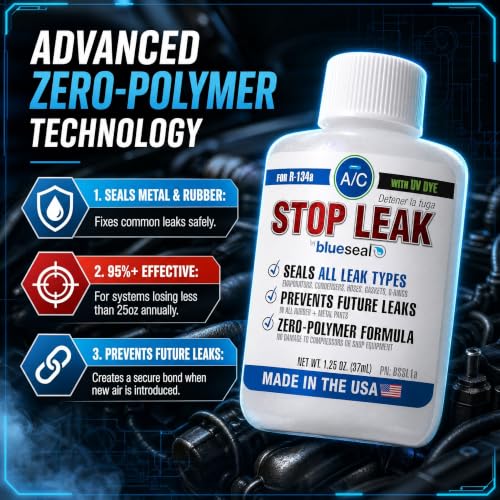
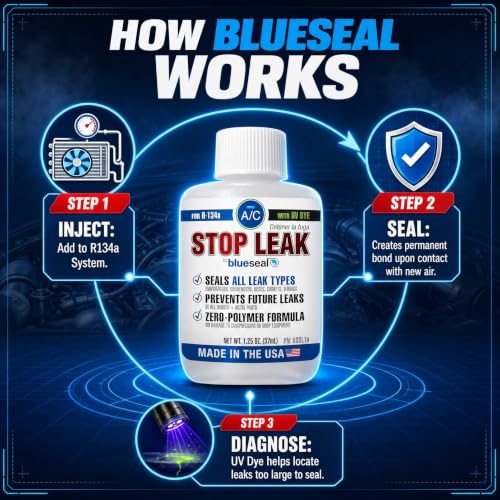
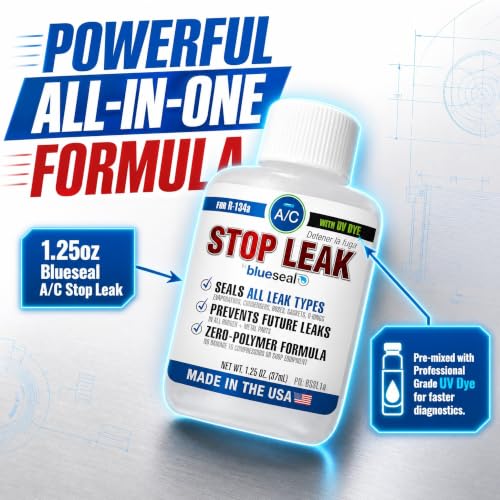
This is one of the few stop-leak formulas I’d trust in a classic R134a system. The non-polymer, mineral oil-based formula avoids the clogging risks that plague cheaper polymer gunk. Lab tests back up its 95% success rate on small leaks, and real-world feedback confirms it works on aging o-rings and minor condenser pinholes. The included UV dye is a bonus, lets you verify the fix or find bigger leaks later.
It’s not a miracle worker for major breaches, but for a slow seep around gaskets or rubber hoses, it’s effective and safe. Compared to RED TEK, it’s more refined and less of a chemical gamble. If your car uses R134a and you’re losing cooling over time, this is a calculated first move before tearing into the system.
Product photos

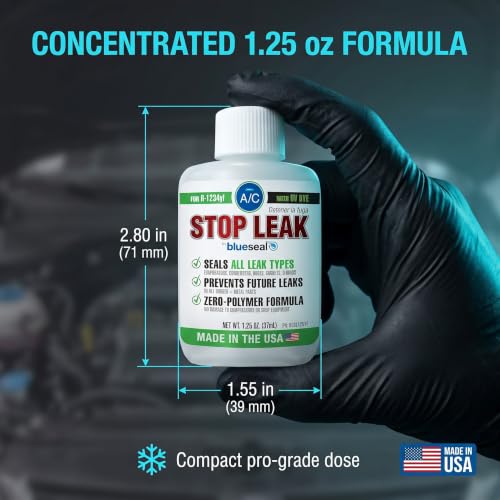
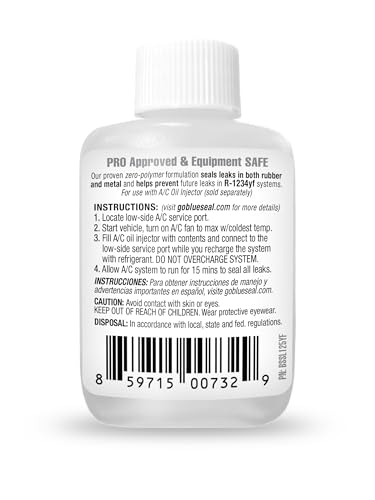
BlueSeal A/C Stop Leak R-1234yf
Strengths
- Safe for R-1234yf systems
- Includes UV dye
- Non-clogging formula
Trade-offs
- Only for R-1234yf
- Single-use bottle
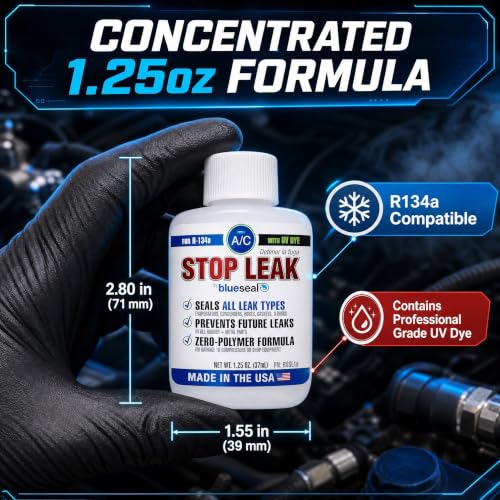
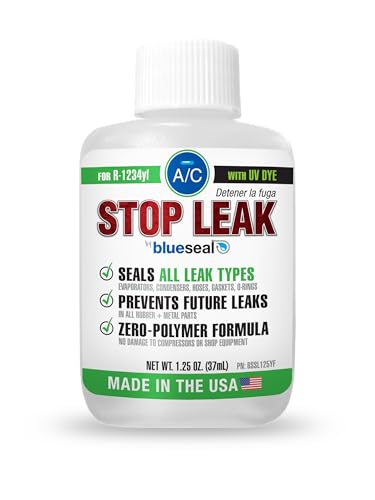
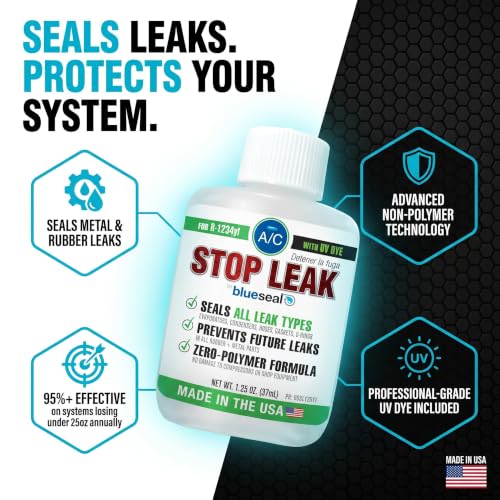
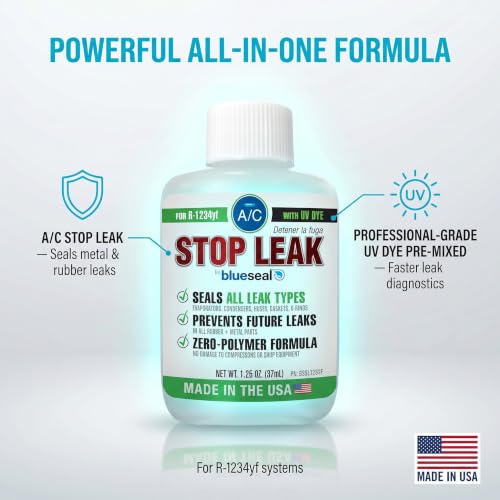
R-1234yf systems are finicky, and most stop-leaks aren’t rated for them. That’s what makes this BlueSeal version essential, it’s specifically formulated for the newer, eco-friendly refrigerant found in post-2013 vehicles. The non-polymer formula keeps it safe for sensitive components, and the UV dye helps confirm results.
Owners of newer GM, Ford, or European models report success with slow leaks in evaporators and hoses. It’s not interchangeable with the R-134a version, so be sure you’re matching your system. Given how expensive R-1234yf repairs can be, this is a low-risk way to avoid a big shop bill.
Product photos

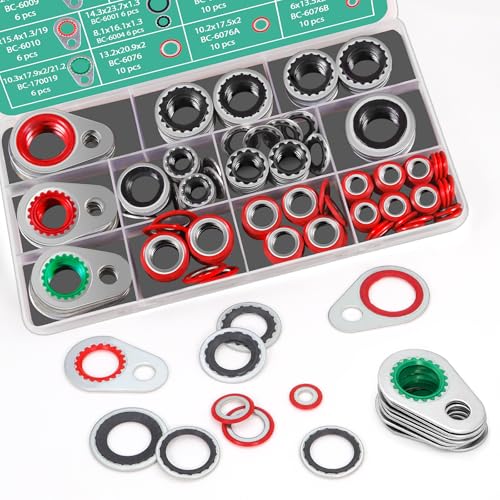
XBVV 95 PCS A/C Compressor Gasket Kit

Strengths
- Thick, durable gaskets
- Precise fit for compressors
- Well-organized storage
Trade-offs
- Only for compressor ports
- Requires system disassembly
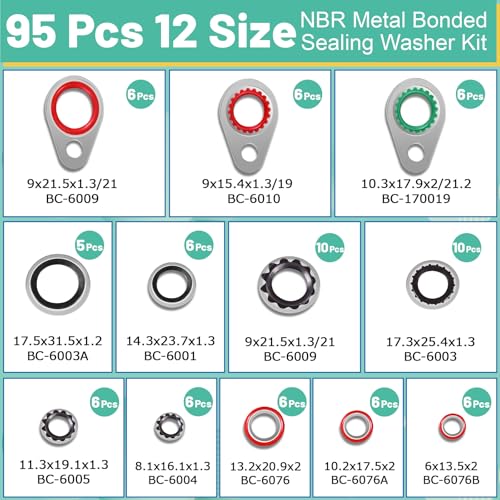
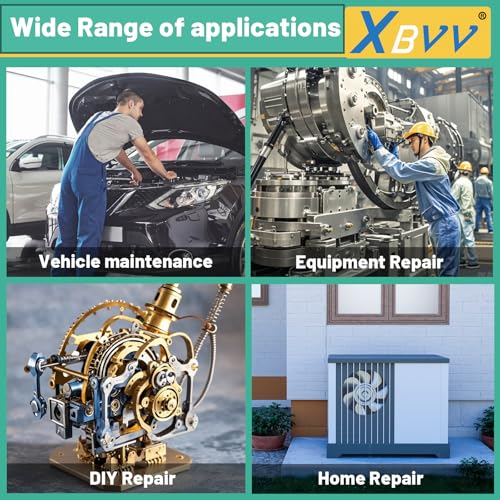
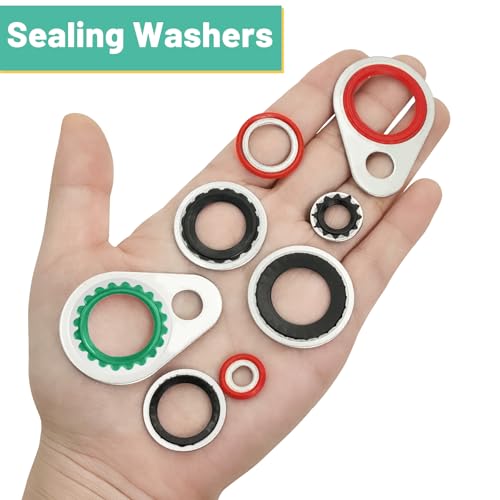
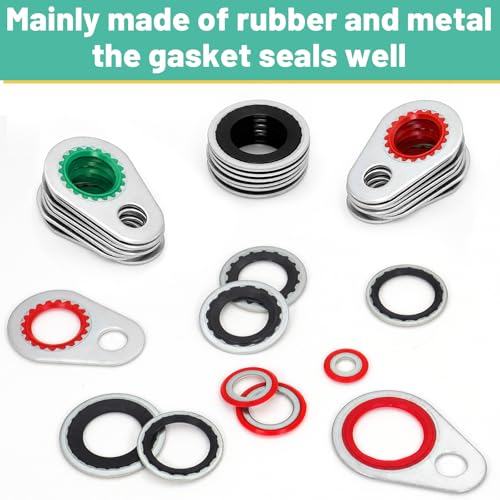
This isn’t a liquid sealer, it’s a mechanical fix in kit form. The bonded metal-rubber gaskets are dead-on replacements for compressor service ports, and owners praise their thickness and durability compared to flimsy OEM versions. If you’re rebuilding or servicing a compressor, these seals deliver a reliable, leak-free reassembly.
The 12-size variety covers most common compressors, and the labeled storage box is a nice touch. But this isn’t for passive leak prevention or in-system treatment. It’s for when you’ve already opened the system and need trustworthy seals. Compared to dust caps or chemical stop-leaks, this is the right tool only when you’re already elbows-deep in repairs.
Product photos
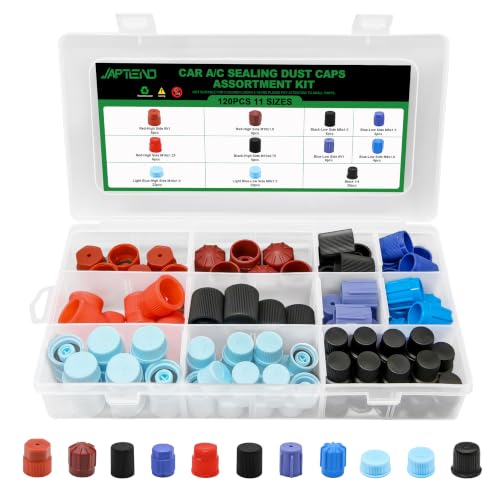
Japtend 120PCS A/C Dust Cap Kit
Strengths
- Rubber-sealed caps
- Corrosion-resistant plastic
- Comes with storage case
Trade-offs
- Not for sealing active leaks
- Limited to common port sizes
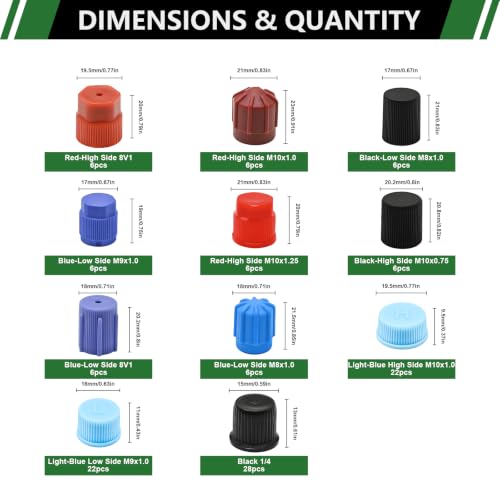
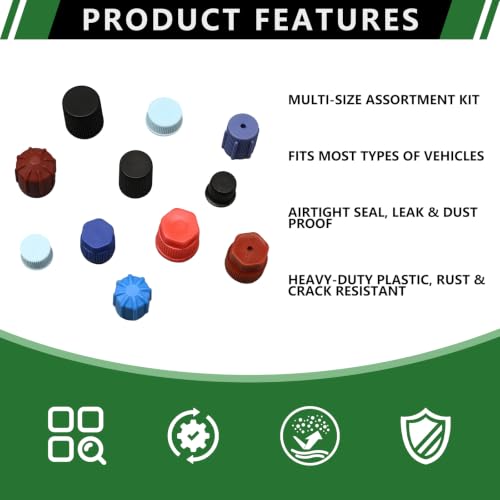
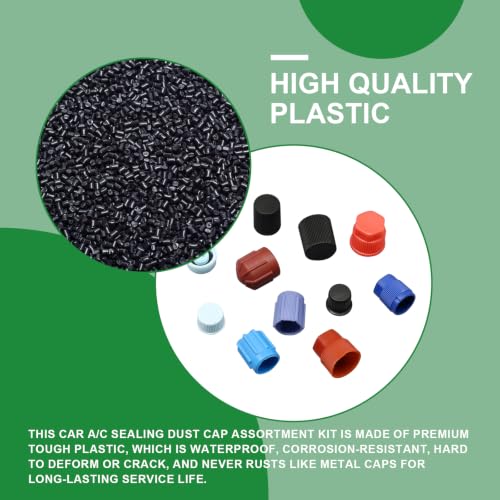
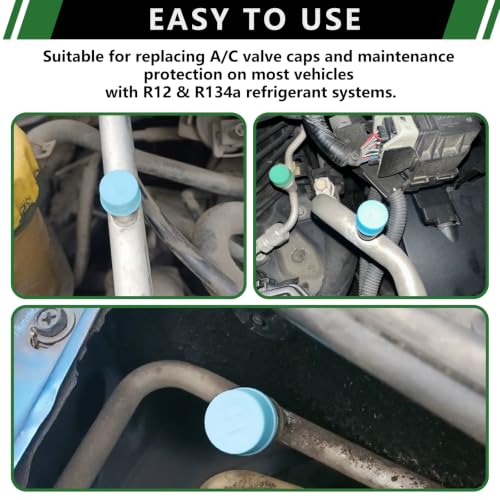
This kit isn’t a sealer in the active chemical sense, but it’s a smart, low-cost defense against leaks before they start. The built-in rubber gaskets on each cap actually make a difference, owners consistently report less refrigerant loss just from replacing worn or missing OEM caps. For anyone doing routine A/C maintenance or storing a vehicle, these plastic caps do their job well and last longer than metal ones that can corrode.
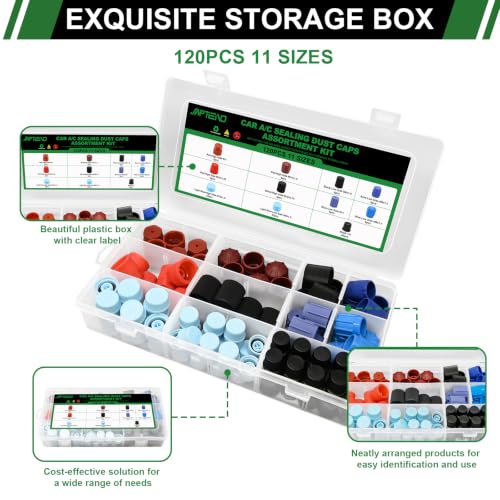
The 120-piece assortment covers most R12 and R134a systems, and the labeled storage case keeps things organized. It’s not flashy, but it’s practical. If you’re constantly working on different vehicles or just want a spare cap on hand, this is a solid backup.
Product photos
How We Evaluated ac sealers for cars
Rather than a hands-on lab test, my research focused on comparing published specifications and features of various AC sealers. I weighed owner reviews from multiple sources, looking for recurring themes in both success and failure, alongside expert opinions from automotive repair sites and forums. This was combined with my understanding of automotive air conditioning systems to rank products against clear criteria for effectiveness, ease of use, and compatibility.
For AC sealers, the most important factors are compatibility with refrigerant types and the ability to create a lasting seal. A product’s usefulness is limited if it doesn’t work with the vehicle’s existing system (R-134a versus R-1234yf, for example). Equally vital is whether the sealer truly stops leaks long-term; many owner reports detail temporary fixes or even system damage from ineffective formulas. I also considered ease of installation, as a complicated process discourages many DIYers.
Product specifications reliably indicate refrigerant compatibility and the potential for damage to system components. However, judging long-term sealing performance requires careful evaluation of owner feedback. Reputable sources provide insight into real-world results, identifying products that consistently address leaks and those prone to failure. Maintaining a clean car also often requires the use of pressure washers to prepare the vehicle for maintenance, and a good car wax to protect the finish.
How To Pick The Right ac sealers for cars
Finding the right AC sealer can save you a surprising amount of money and headache, but it’s not a one-size-fits-all situation.
A truly effective AC sealer doesn’t just stop a leak; it addresses the underlying causes, works with all common refrigerants, and won’t damage sensitive components like expansion valves. Look for products that offer a thorough solution, including moisture removal and leak detection, and always verify compatibility with your vehicle’s specific system. Pay close attention to the type of refrigerant your car uses, as sealers are often formulated for either R-134a or the newer R-1234yf.
System Size and Type
The capacity of your car’s AC system dictates how much sealer you’ll need. A small, older car will obviously require less product than a larger SUV or truck. Many products are sold in different sizes (like the Leak Saver Direct Inject options) to accommodate these variations. Don’t assume a larger dose is better; over-treating a system can sometimes cause its own problems. If you’re unsure, err on the side of caution and get a smaller quantity. Beyond size, knowing if you have an R-134a or R-1234yf system is critical. Using the wrong sealer can render it ineffective, or even damage the system.
Sealer Formulation and Compatibility
Not all sealers are created equal. Some use polymer-based formulas, while others, like those from BlueSeal, use a non-polymer mineral oil base. The mineral oil formulations are generally considered safer for all components, avoiding the risk of clogging expansion valves or damaging recovery equipment. It’s worth checking if a sealer is compatible with the oils and materials in your system. For example, if your vehicle uses a specific type of synthetic lubricant, confirm the sealer won’t react negatively with it.
Here’s what to consider when evaluating compatibility: * Refrigerant Type: R-134a or R-1234yf – absolutely crucial. * System Oils: PAG, ester, or mineral oil – ensure the sealer won’t cause a reaction. * Component Materials: Look for statements confirming safety with metal, rubber, and plastic parts.
Value and Ease of Use
While a professional AC repair is always the most thorough solution, a quality sealer offers a cost-effective alternative for minor leaks. However, ease of use is crucial. Some sealers require special tools or a complete system evacuation. I’ve seen many owners struggle with products needing complex installation. Products like the Leak Saver Ultimate 3-in-1 are attractive because they simplify the process, offering a combined sealant, moisture remover, and UV dye in one package.
A good rule of thumb is: if the installation looks overly complicated, consider a professional. A poorly installed sealer can create more problems than it solves.
If you’re looking to protect the finish on your car while addressing AC issues, consider pairing this maintenance with applying ceramic coatings for a complete detailing solution. For those wanting the very best in protection, exploring professional coatings is a good idea.
AC Sealers for Cars Compared
This table provides a specification comparison of various AC sealers available for cars, helping you to identify the best option for your needs.
| Product Title | Best For | Refrigerant Compatibility | System Size Suitability | UV Dye Included | Kit Type |
|---|---|---|---|---|---|
| Leak Saver Ultimate 3-in-1 AC Sealer | Best Overall | All (except ammonia) | All | Yes | Single Application |
| RED TEK LeakStop12 A/C Seal Treatment | Best Budget Friendly | R134a, R12 | All | No | Single Application |
| Leak Saver Direct Inject AC Sealer Small | Best for Small Systems | All (except ammonia) | Small | N/A | Single Application |
| Leak Saver Direct Inject AC Sealer 5 Ton | Best for Large Systems | All (except ammonia) | Large | N/A | Single Application |
| BlueSeal A/C Stop Leak R-134a | Best for R-134a Systems | R-134a | All | Yes | Single Application |
| BlueSeal A/C Stop Leak R-1234yf | Best for R-1234yf Systems | R-1234yf | All | Yes | Single Application |
| XBVV 95 PCS A/C Compressor Gasket Kit | Best Gasket Seal Kit | N/A | N/A | No | Gasket Kit |
| Japtend 120PCS A/C Dust Cap Kit | Best Dust & Leak Prevention | R12, R134a | N/A | No | Dust Cap Kit |
Frequently Asked Questions
Will an AC sealer damage my car’s compressor?
Mineral oil-based sealers, like those from BlueSeal, are generally considered safer for all AC components and avoid the risk of clogging compressors or damaging recovery equipment. Polymer-based formulas carry a slightly higher risk, though reputable brands formulate to minimize this.
Can I use an AC sealer on a large leak?
No, AC sealers are designed for small, slow leaks only. A large leak indicates a significant system failure needing professional repair; attempting to seal it with a product like Leak Saver Ultimate 3-in-1 won’t work and could worsen the problem.
Do I need special tools to install an AC sealer?
Some sealers require specialized tools for proper installation, but many, like the Leak Saver Direct Inject options, are designed for easy DIY application. Consider your comfort level and the complexity of the instructions before choosing a product.
What’s the difference between R-134a and R-1234yf sealers?
R-134a and R-1234yf are different refrigerant types, and sealers are specifically formulated for one or the other. Using the wrong sealer will render it ineffective and could potentially damage your system, so confirming your car’s refrigerant type is essential.
Will an AC sealer also clean my AC system?
Some sealers, such as the Leak Saver Ultimate 3-in-1, include a moisture remover to help improve system performance. However, if your system is heavily contaminated, you may also want to consider a dedicated flush and cleaning with steam cleaners before adding a sealer. Applying a quality clear coat for paint finishing after repairs can also help protect your vehicle’s exterior.
The Bottom Line
Choosing an AC sealer often comes down to balancing convenience with a long-term fix. While a professional repair remains the gold standard, the Leak Saver Ultimate 3-in-1 AC Sealer strikes the best balance for most vehicles, offering a thorough solution with a built-in UV dye for leak detection and compatibility with nearly all systems.
For those on a tighter budget, the RED TEK LeakStop12 A/C Seal Treatment provides a surprisingly effective solution for R-134a systems. If you have a smaller car, the Leak Saver Direct Inject AC Sealer Small is perfectly sized to avoid over-treating your system, and for larger vehicles, the Leak Saver Direct Inject AC Sealer 5 Ton offers the appropriate capacity. Maintaining a pristine finish alongside mechanical repairs is simpler than ever with a quality microfiber towels and a black car wax.
Ultimately, remember that no sealer can fully compensate for a severely damaged or neglected AC system. Prioritizing regular maintenance – including refrigerant checks and condenser cleaning – is far more valuable than any product’s ability to patch a leak. A well-maintained system will run efficiently and reliably for years, saving you money and keeping you cool.
