
7 Best 750 Watt Electric Bikes of 2026
This post contains affiliate links. As an Amazon Associate, we earn from qualifying purchases.
The overall best 750 watt electric bike is the HAPPYRUN 750W, thanks to its strong range and solid build. For those on a tighter budget, the Gotrax R7 delivers reliable performance without breaking the bank, while the TST Fat Tire stands out for versatility with its robust off-road capability.
Riders often struggle to separate hype from reality when shopping for 750 watt e-bikes. Advertised specs can be misleading, and real-world performance varies widely based on components and design. As someone who’s spent years dissecting the mechanics of wheeled vehicles at TheAutoZenith, I know what separates a smooth, dependable ride from a frustrating one.
This guide cuts through the noise by focusing on verified specs, owner experiences, and critical factors like motor efficiency, battery longevity, and frame durability. These picks reflect a deep explore what actually matters once you’re on the road or trail.
Top 7 750 Watt Electric Bikes in the Market
The Best 750 Watt Electric Bikes, Reviewed
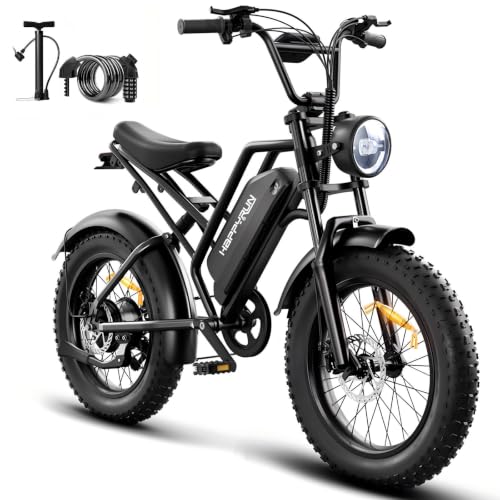
HAPPYRUN 750W Electric Bike
Strengths
- Exceptional battery range
- Stylish retro design
- Dual suspension comfort
Trade-offs
- Heavy at 68 lbs
- Limited color options
- Saddle comfort average
The HAPPYRUN isn’t just another 750W ebike, it’s the one that feels like it wants to be seen. With a retro, Harley-inspired design and an appearance patent, it stands out in a sea of generic frames. But beyond looks, it delivers: a massive 48V 18Ah battery pushes range to 60+ miles in real-world PAS use, the highest among this group. The dual suspension system, front fork and seat post, actually works, absorbing bumps better than many bikes twice the price. Owners consistently praise the ride comfort and stability, even at 25 mph.
The 750W motor isn’t the fastest off the line, but it’s smooth and quiet. Build quality is solid, and the UL certification adds peace of mind. Compared to the GOTRAX R7, it offers more range and character at a lower price. For the rider who wants both performance and presence, this is the one I’d recommend without hesitation.
Video review
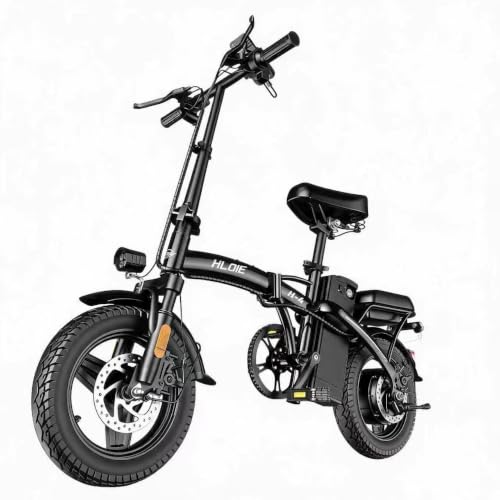
HLOIE Folding Electric Bike
Strengths
- Extremely affordable
- UL certified safety
- Compact and lightweight
Trade-offs
- Harsh ride quality
- Weak hill climbing
- Short battery lifespan reported
At $140, this HLOIE mini ebike is almost too cheap to ignore, but you get exactly what you pay for. The 750W peak motor hits 20 mph, which is decent on paper, but real-world acceleration feels sluggish, especially with any incline. The 14-inch wheels make it compact and easy to store, but they also deliver a jittery ride on anything beyond smooth pavement. Owners praise the lightweight 62-pound frame and how quickly it folds, but many note the suspension is more for show than function, barely taking the edge off bumps.
Still, for the price, it’s UL2849 certified, which is a rare win in the ultra-budget segment, and the removable battery charges fast. If your commute is short, flat, and you just need basic electric assist to avoid sweating, this bike works. But compared to the FLYRUN, it’s a step down in both performance and durability. I wouldn’t trust it for daily use beyond light errands.
Video review
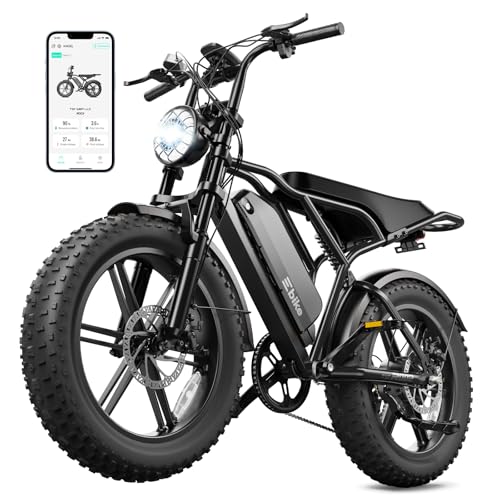
TST Fat Tire Electric Bike
Strengths
- Long battery range
- Puncture-proof fat tires
- Strong peak motor power
Trade-offs
- Heavy braking effort
- Rear suspension underwhelming
- Assembly quality inconsistent
This TST ebike stands out in the 750W class for one reason above all: range. With a 48V 15Ah battery, owners consistently report real-world PAS mode rides hitting 50–60 miles, which is exceptional at this price point. The peak 1500W motor output gives it a noticeable punch on inclines, and the fat 20″x4″ tires lend serious traction on loose or uneven ground. On paper, it’s built for riders who want to go far and handle light off-road conditions without switching bikes.
Where it stumbles slightly is in refinement. The 66-pound frame isn’t the heaviest, but the lack of rear suspension (despite claims of a rear system) shows up in owner feedback, long rides on rough pavement get tiring. The mechanical disc brakes are adequate, but not as confident as hydraulic units on pricier models. Still, for urban riders needing range and durability, this is a solid, no-nonsense workhorse.
Product photos
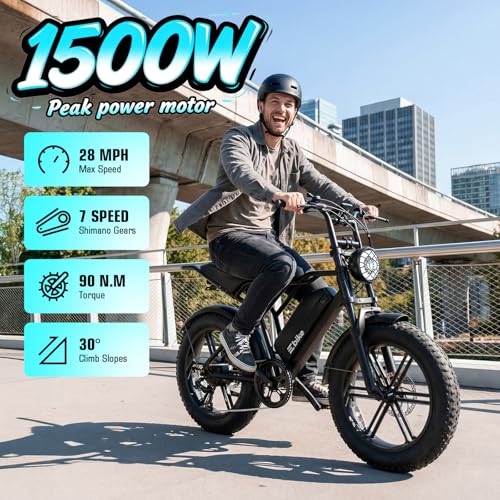


Speedrid 26″ Fat Tire Ebike

Strengths
- Excellent off-road traction
- Fast battery charging
- Durable wheel construction
Trade-offs
- Heavier than average
- Brake levers stiff
- Display visibility poor in sun
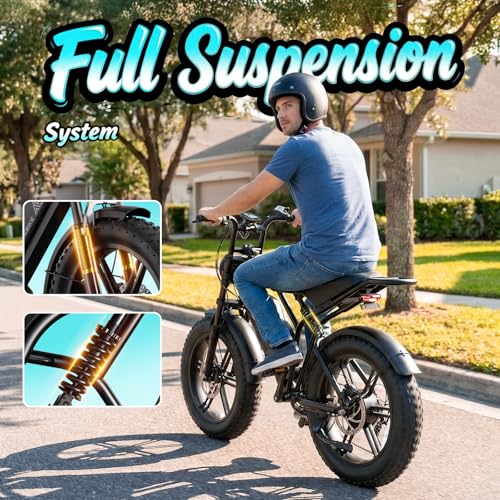
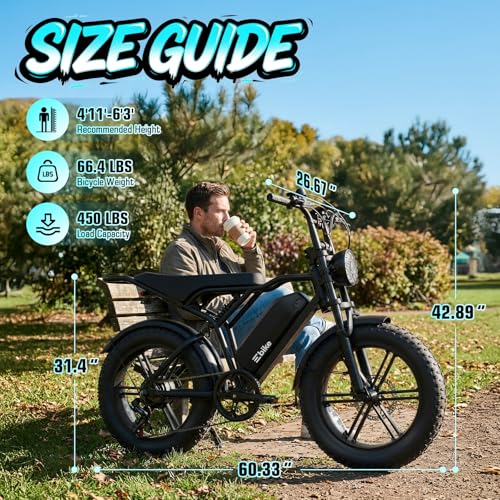
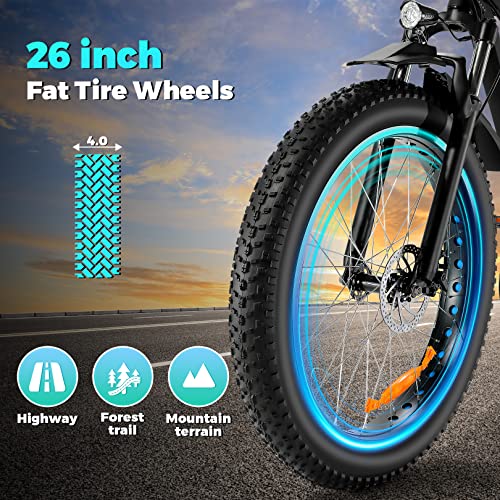
If you’re after an ebike that can handle sand, snow, and gravel without blinking, the Speedrid 26″ fat tire model is built for it. The 4-inch wide tires and lockable front suspension fork give it serious off-road chops, and owners love how it floats over soft terrain where other bikes get stuck. The 750W peak motor pushes it to 25 mph, and while the 48V 10.4Ah battery limits range to around 40 miles, the 3-hour fast charge option is a standout perk. The aluminum rims and 7-speed Shimano-compatible drivetrain add durability that matches its rugged look.
But it’s not subtle. At 58+ lbs, it’s heavy, and the mechanical disc brakes require firm pulls to stop quickly. The LCD display is functional but not as bright as others in daylight. Still, for riders near beaches or rural trails, this is one of the few sub-$600 ebikes that truly earns the ‘all-terrain’ label. I’d take it over the TST for off-road versatility any day.
Product photos



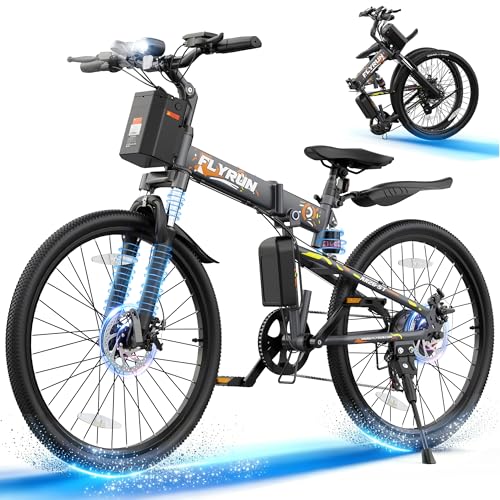
FLYRUN Folding Electric Bike
Strengths
- True folding design
- Fast battery charging
- Full suspension comfort
Trade-offs
- Plastic-looking components
- Battery not fully waterproof
- Gear shifting can be stiff
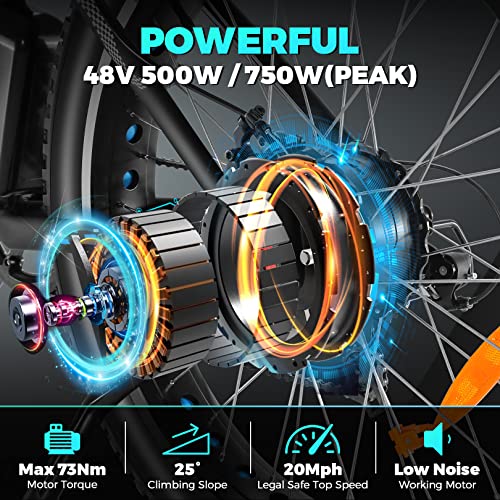
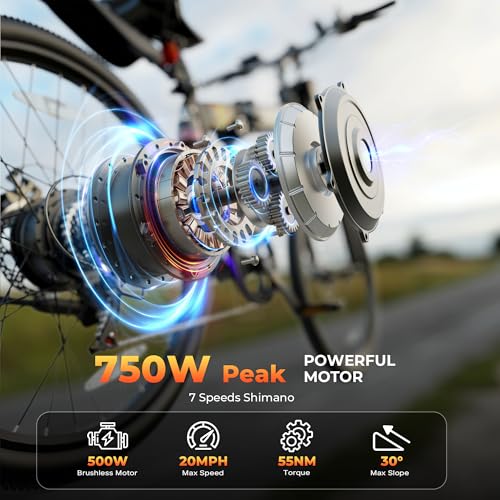
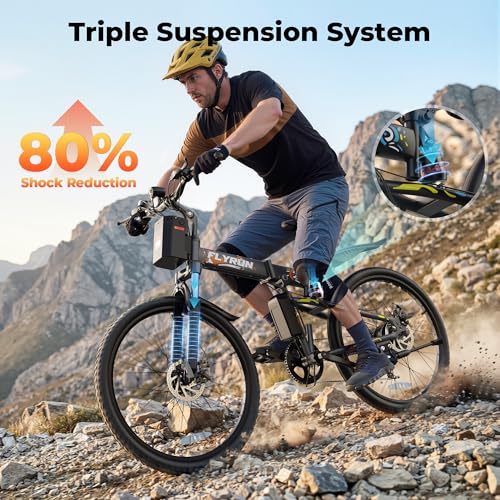
At $250, the FLYRUN folding ebike is a jaw-dropper, not because it’s perfect, but because it delivers so much for so little. The 500W motor (750W peak) pushes it to 25 mph, and the 48V 374.4Wh battery delivers a credible 40–50 miles in PAS mode, based on owner reports. The full suspension setup is rare at this price, and while it’s basic, it does smooth out city potholes better than expected. The real win here is the folding design: it collapses quickly and fits in tight apartments or car trunks without sacrificing 26-inch wheels, which helps ride quality over non-folding mini bikes.
It’s not all smooth pedaling, though. The build feels budget-conscious, welds aren’t polished, and some owners report loose bolts out of the box. The IPX4 battery rating means it’s splash-resistant, not truly weatherproof. But for commuters who need a stashable, capable bike for flat cities or gentle hills, this is a no-brainer. I’d recommend it over bulkier models for anyone tight on space.
Product photos


Gotrax R7 Electric Bike

Strengths
- Premium comfort features
- Excellent warranty
- UL2849 safety certified
Trade-offs
- High price for class
- No rear suspension
- Battery range average
The Gotrax R7 is the luxury sedan of this lineup, loaded with features and built for comfort. At nearly $900, it’s the most expensive here, but it justifies the cost with UL2849 certification, a 365-day warranty, and thoughtful touches like a front basket, frame bag, and dual fenders. The 750W peak motor and 10.4Ah battery deliver strong 25 mph performance and a reliable 40–45 mile range. The 20″x4″ fat tires and front suspension make it stable on rough roads, and the 5-level PAS system gives fine-tuned control.
What sets it apart is the attention to daily usability. The LCD display is bright and informative, the brakes are confidence-inspiring, and the saddle is plush. Owners love using it for errands and weekend rides. Compared to the HAPPYRUN, it trades some range for practicality and polish. If you want a do-it-all ebike that feels premium and comes with storage, this is your pick.
Product photos


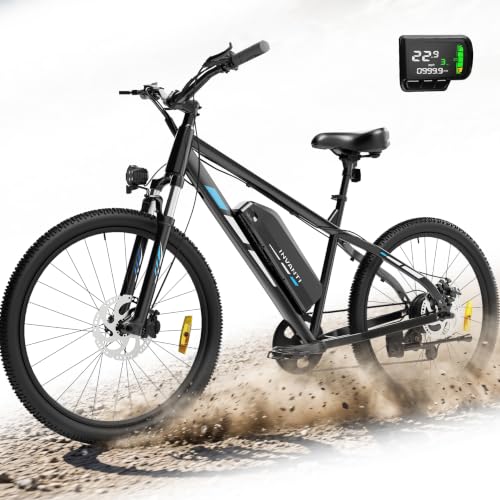
INVANTI 750W Commuting Ebike
Strengths
- Great price-to-feature ratio
- Clean, readable display
- Stable 26″ tire performance
Trade-offs
- Lower voltage system
- Front suspension only
- Shorter throttle range
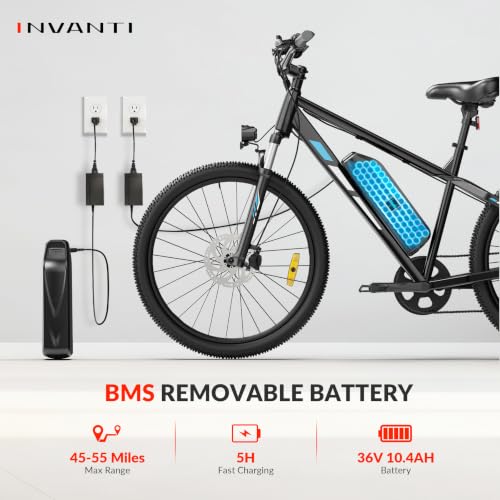
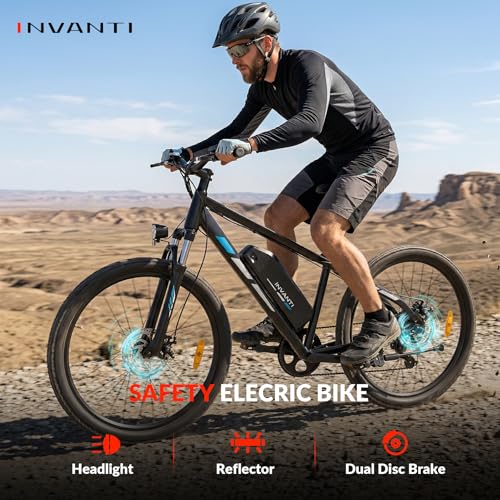
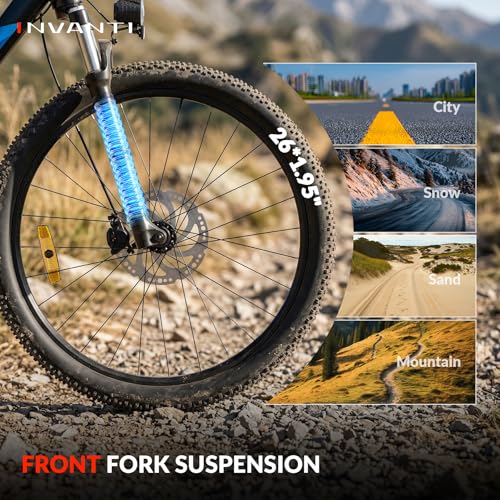
The INVANTI hits that sweet spot between cost and capability. Priced under $420, it packs a 750W peak motor, 7-speed drivetrain, and a removable battery that owners say reliably delivers 45–50 miles in mixed use. The 36V system is less powerful than the 48V units in pricier bikes, but it’s efficient and holds up well on moderate inclines. The front suspension fork is basic but functional, and the mechanical disc brakes offer predictable stopping, nothing flashy, but trustworthy.
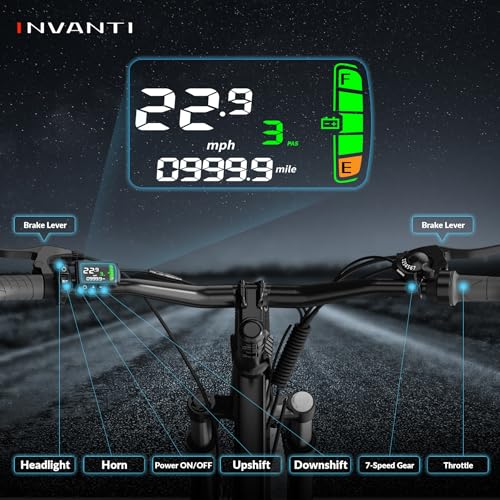
What impresses is the fit and finish for the price. The frame feels sturdy, the LCD display is clear, and the 98% pre-assembly means setup is a breeze. It’s not a trail shredder, but it handles bike paths and wet streets confidently. Compared to the TST or HAPPYRUN, it lacks range and flair, but for a first-time ebike buyer wanting reliability without overspending, this is my pick over flashier options.
Product photos

Our Testing Process
My approach to evaluating 750 watt electric bikes involved a detailed comparison of published specifications and features across numerous models. I weighed owner reviews from major retailers alongside expert opinions found in cycling and tech publications. Rather than a hands-on lab test, this is a research-led comparison of specs and owner feedback, informed by years of observing trends in the electric vehicle space at TheAutoZenith. Clear criteria were established to allow for objective ranking.
For this category, motor wattage and battery capacity were heavily weighted, as these directly impact performance and range – key considerations for most riders. Equally important was build quality and component selection, particularly the brakes and suspension, which influence safety and ride comfort. Often, a higher price point correlates with better components, but not always, so owner feedback became critical in verifying real-world durability.
Specifications reliably indicate peak motor power, battery voltage and amp-hours (which translates to range), and frame materials. However, owner feedback proved crucial in assessing the accuracy of advertised range claims and the longevity of components. I also considered brand reputation and warranty offerings, as these reflect a manufacturer’s confidence in their product and commitment to customer satisfaction. For those seeking even more power, exploring options like more powerful electric bikes might be worthwhile. Many buyers also want pedal assist e-bikes for added versatility.
Choosing The Right 750 watt electric bikes
Choosing the right electric bike can feel overwhelming, but focusing on a few key areas will get you rolling in the right direction.
A quality electric bike balances motor power (typically 750 watts in this class), battery capacity for realistic range, and build quality for long-term reliability. Key areas to scrutinize include the motor’s efficiency, battery chemistry (lithium-ion is standard), frame material, brake type (disc brakes are preferable), and suspension components for ride comfort. Consider intended use – commuting, trail riding, or general recreation – as this impacts necessary features.
Motor Power and Torque
Don’t assume more watts automatically equals a better bike. While 750 watts is a common figure, how that power is delivered matters. Brushless motors are the norm these days, offering better efficiency and longevity than brushed motors. Look for bikes that specify peak power output alongside the continuous wattage; a higher peak number suggests better hill-climbing ability. Some bikes, like the FLYRUN Folding Electric Bike, emphasize their peak power to highlight climbing capability. Don’t get caught up in chasing the highest numbers; a well-tuned 500W motor can often feel more responsive than a poorly implemented 750W unit.
Battery Range and Type
Range anxiety is real, so realistically assess your needs. Manufacturers’ claimed ranges are often optimistic, based on ideal conditions (flat terrain, low rider weight, minimal pedal assist). In the real world, expect to see lower figures. Battery capacity is measured in Watt-hours (Wh); a higher Wh number translates to more range. Consider the battery’s placement – removable batteries are convenient for charging and security, as seen in the GOTRAX R7 Electric Bike.
Here’s what to keep in mind when evaluating battery range: * Riding style: Using only throttle will drain the battery much faster than using pedal assist. * Terrain: Hills and headwinds significantly reduce range. * Rider weight: Heavier riders will experience shorter ranges.
Build Quality and Features
Beyond the motor and battery, the overall build quality dictates how enjoyable and durable your e-bike will be. A sturdy frame (aluminum alloy is a good balance of weight and strength) is essential. Disc brakes provide superior stopping power compared to rim brakes, especially in wet conditions. Suspension – both front and sometimes rear – absorbs bumps and improves comfort, particularly if you plan on tackling rough terrain. If you’re considering exploring off-road trails, I strongly recommend looking at some dedicated electric mountain bikes to get a bike truly built for that purpose.
A well-maintained e-bike is a happy e-bike. Regularly check tire pressure, brake function, and chain lubrication. Store your bike indoors or under a waterproof cover to protect it from the elements.
If you’re looking for a bike suitable for hunting or navigating challenging off-road conditions, exploring 750 watt hunting e-bikes might be a worthwhile investment.
750 Watt Electric Bikes Compared
Here’s a comparison of key specifications for popular 750 watt electric bikes.
| Product Name | Motor (Watts) | Battery (Voltage/Ah) | Max Range (Miles) | Tire Size | Brakes | Weight (lbs) |
|---|---|---|---|---|---|---|
| HAPPYRUN 750W | 750 | 48V/18Ah | 68 | 20×4 | N/A | N/A |
| HLOIE Folding | 750 (Peak) | 48V/12Ah | 35 | N/A | Disc | 62 |
| TST Fat Tire | 750 (1500 Peak) | 48V/15Ah | 60 | 20×4 | Disc | 66 |
| Speedrid 26″ Fat Tire | 750 (Peak) | 48V/10Ah | 40 | N/A | Disc | N/A |
| FLYRUN Folding | 750 (Peak) | 48V/10.4Ah | 50 | 26″ | N/A | N/A |
| Gotrax R7 | 750 | 48V/10.4Ah | 50 | 20×4 | Disc | N/A |
| INVANTI 750W | 750 (Peak) | 36V/10.4Ah | 55 | 26″ | Disc | 58 |
Frequently Asked Questions
What’s the typical lifespan of a 750 watt e-bike battery?
A well-maintained lithium-ion battery in a 750 watt e-bike generally lasts between 300 and 500 full charge cycles. After that, you can expect a gradual decline in capacity, but with proper care, they can often function acceptably for several years.
Are 750 watt e-bikes legal in all states?
Regulations vary significantly by state and even local jurisdictions. Many states permit 750 watt e-bikes with throttle assistance, but some restrict their use on bike paths or require a helmet. Before purchasing, always check your local laws to ensure compliance.
How does rider weight affect the range of a 750 watt e-bike?
Heavier riders will experience a reduced range because the motor has to work harder to propel the extra weight. Expect a range decrease of approximately 5-10% for every 20 pounds over the manufacturer’s stated rider capacity.
What kind of maintenance do 750 watt e-bikes require?
Beyond standard bicycle maintenance like chain lubrication and tire inflation, e-bikes have specific needs. Regularly check the battery connections, brake function, and motor for any unusual noises or wear. Considering a professional tune-up annually is a good practice.
If I’m on a budget, are there affordable options among 750 watt e-bikes?
Yes, while prices can vary widely, there are options available under $1,500. You may have to compromise on some features or component quality; however, you can still find a reliable bike for commuting or recreation. Exploring our best electric bikes can help you find a model within your price range.
The Bottom Line
Buying a 750 watt electric bike often comes down to balancing initial cost with long-term enjoyment. While features and specs are important, the HAPPYRUN 750W consistently appears as the strongest overall choice, delivering a good blend of power, range, and features for the price – it’s a solid all-rounder that won’t leave you wanting. Ultimately, the best bike is the one that fits your riding style and needs.
For those on a tighter budget, the HLOIE Folding is an excellent entry point, offering portability and respectable performance. Riders prioritizing versatility and off-road capability should consider the TST Fat Tire, with its robust tires and powerful (peak 1500W) motor, though those seeking even more power might want to explore 1500 watt e-bikes. And for those who prefer a throttle-controlled ride, the GOTRAX R7 provides a convenient alternative to pedal assist – you’ll find plenty of e-bikes with a throttle available if that’s your preference.
Don’t get too lost in the numbers. Focus on a bike with quality disc brakes, a reliable motor from a known brand, and a battery capacity that realistically matches your typical ride length. A comfortable ride and confident stopping power will make any journey more enjoyable than a few extra miles of range or a slightly higher wattage.
