
8 Best 35mm Road Tires of 2026
This post contains affiliate links. As an Amazon Associate, we earn from qualifying purchases.
The Continental Grand Prix 5000 All Season TR stands out as the best overall 35mm road tire, delivering a confident mix of grip, speed, and flat protection. For riders watching their budget, the Pirelli P Zero Road TLR offers strong performance and tubeless readiness at a lower price, while the Panaracer GravelKing GKX1 Classic brings surprising versatility if you venture onto mixed surfaces.
Riders often overlook how much a 35mm tire can vary, from a nimble, race-ready feel to a heavy, sluggish roll. It’s easy to get caught up in specs and miss how the casing, compound, and construction shape the real-world ride.
This guide cuts through the noise by comparing technical details and analyzing owner experiences to find tires that deliver where it matters. We’re focused on performance, durability, and value, so you can pick a tire that matches your roads, your riding, and your expectations.
Top 8 35Mm Road Tires in the Market
The Best 35Mm Road Tires, Reviewed
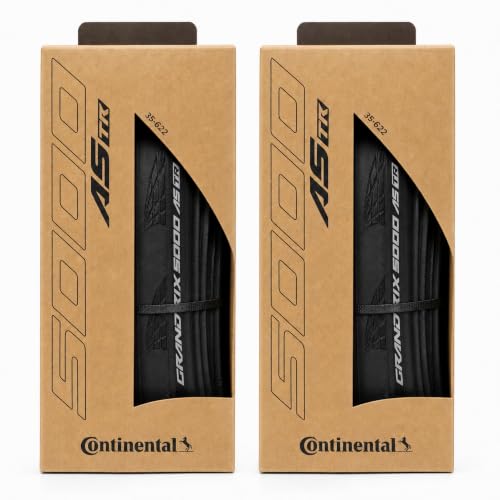
Continental Grand Prix 5000 All Season TR
Strengths
- BlackChili compound
- Vectran puncture protection
- Active Comfort Technology
- Laser-etched tread
- Tubeless ready
Trade-offs
- Premium price
- Slight weight penalty
- Not for loose terrain
If you’re after a true all-season 35mm road tire that doesn’t sacrifice speed for durability, the Continental Grand Prix 5000 All Season TR is as close to a benchmark as it gets. On paper, the combo of BlackChili compound, Vectran breaker, and Active Comfort Technology reads like overkill, but owners consistently report it delivers: excellent grip in wet conditions, surprisingly low rolling resistance, and a noticeably smoother ride than most high-pressure road tires. The LazerGrip tread pattern isn’t aggressive, but it’s tuned for pavement, giving confident cornering without unnecessary drag.
Compared to other tubeless-ready tires in this list, this one leans hard into performance while still offering solid puncture protection. It’s not the cheapest, but for riders who want a single tire that handles everything from crisp autumn roads to spring showers without compromise, this is the pick. I’d take this over the Pirelli P Zero Race RS TLR for year-round use, simply because of its broader weather adaptability.
Video review
Pirelli P Zero Race RS TLR

Strengths
- SmartEvo compound
- SpeedCore tech
- High TPI casing
- Tubeless ready
- Lightweight construction
Trade-offs
- Premium price
- Less all-season grip
- Not ideal for rough roads
The P Zero Race RS TLR is Pirelli’s top-tier offering, and it shows in the details. The SmartEvo Compound, inherited from motorsport R&D, delivers exceptional grip and low rolling resistance, while the SpeedCore tech with aramid fibers keeps weight down and puncture resistance up. At 340–430g depending on size, it’s competitive with the lightest 35mm tires, and the 120–137 TPI casing gives it a supple, race-ready feel.
Owners praise its performance in high-speed corners and its tubeless reliability. Compared to the Continental Grand Prix 5000, it’s more race-focused, less tuned for all-season use, more for dry, fast conditions. It’s expensive, but for serious riders who want every advantage in speed and handling, this is a top contender. I’d pick this over the Grand Prix 5000 for summer racing or fast group rides.
Video review
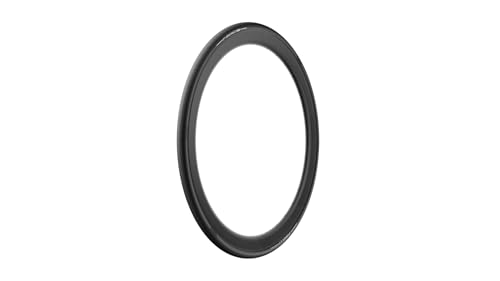
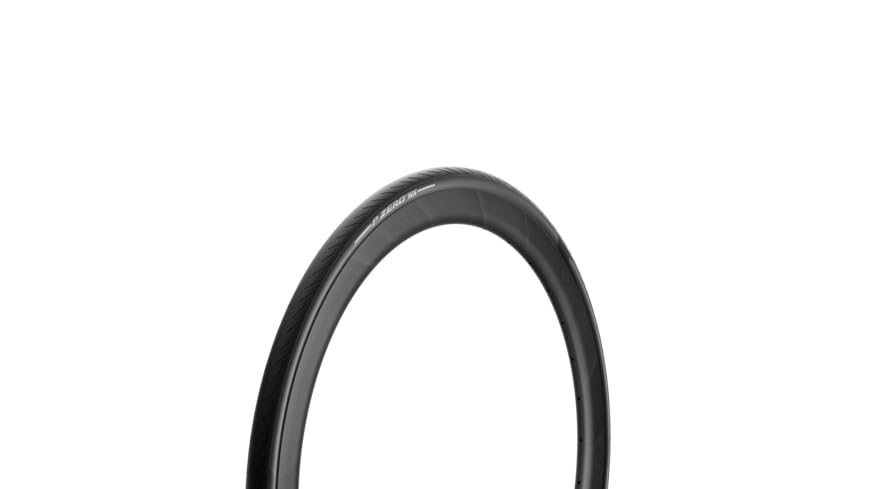
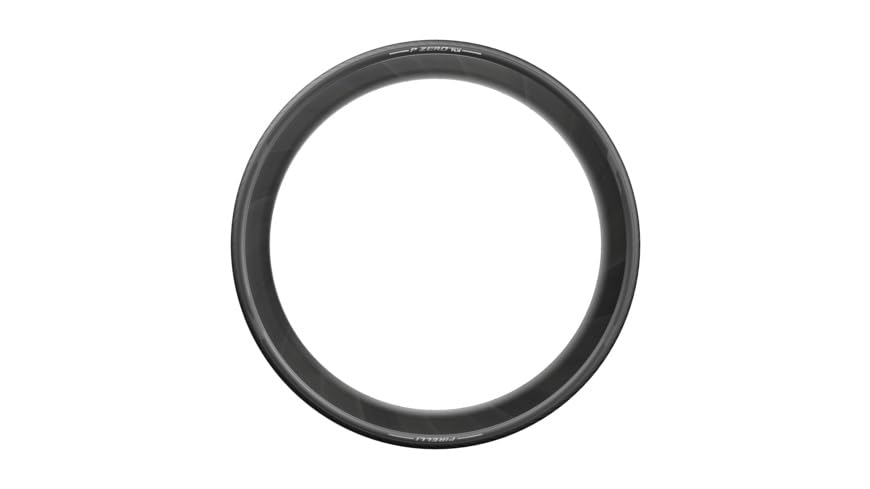
Pirelli P Zero Road TLR
Strengths
- EVO rubber compound
- 120 TPI casing
- TechLINER protection
- Tubeless ready
- Good wet grip
Trade-offs
- Not ultra-light
- Less supple than high-end tires
- Limited gravel capability
Pirelli’s P Zero Road strikes a smart balance between durability and performance, making it a strong all-rounder. The EVO Compound delivers decent grip and low rolling resistance, and the 120 TPI casing with TechLINER backing gives it a responsive, stable feel at speed. It’s not as refined as the Continental Grand Prix 5000, but it’s noticeably better than budget tires like the P7 Sport. Owners praise its consistency across seasons and its puncture resistance, which makes it a solid choice for endurance riders or those doing long training miles.
Compared to the Fincci or P7 Sport, this tire feels more premium and performs better at higher pressures. It’s not as fast as the Race RS TLR, but it’s cheaper and more durable. For riders who want a “set and forget” tire that handles training, commuting, and weekend rides without fuss, this is a smart pick. I’d choose this over the P7 Sport for any serious mileage.
Product photos



Continental Contact Plus

Strengths
- Reflective sidewall
- SafetyPlus puncture layer
- Excellent durability
- E50 certified
- Great for wet conditions
Trade-offs
- Wire bead only
- Heavy construction
- Not tubeless compatible
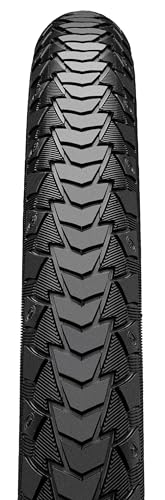
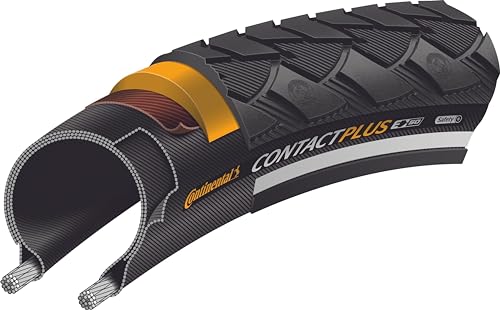
The Continental Contact Plus is built for riders who value reliability and safety over speed. It’s a wire-bead clincher, so it’s heavier and not tubeless compatible, but the SafetyPlus breaker and E50 certification mean it’s tough as nails. The reflective sidewall is a standout feature, great for urban commuters or tourers who ride in low light. Owners consistently report long tread life and excellent puncture resistance, which makes sense given the reinforced casing.
It’s not fast, and it doesn’t ride smoothly like a high-TPI tire, but it’s exactly what you want for loaded touring, city commuting, or winter training. Compared to the Grand Prix 5000, it’s a different animal, slower but far more durable. If you’re racking up miles in all conditions and don’t want to worry about flats, this tire earns its keep.
Product photos
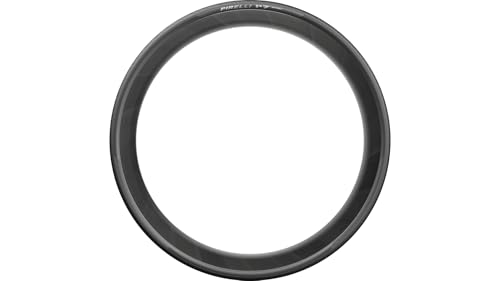
Pirelli P7 Sport Folding
Strengths
- Low price
- Folding bead
- Durable PRO compound
- Lightweight for class
- Simple tread
Trade-offs
- 60 TPI casing
- Higher rolling resistance
- Minimal puncture protection
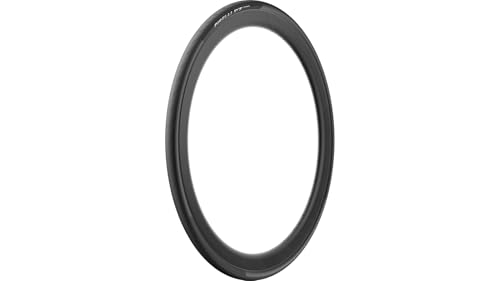
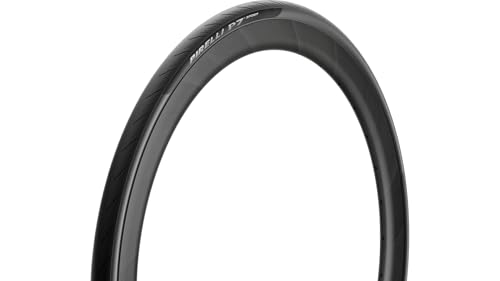
The P7 Sport is Pirelli’s entry-level training tire, and it shows. It’s built for durability over speed, with a 60 TPI casing and PRO Compound tuned for grip and longevity. At this price, it’s hard to fault, it’s light enough for casual rides and tough enough to survive urban potholes. But it’s clearly not in the same league as the Grand Prix 5000 or even the P Zero Road. Rolling resistance is higher, and the ride feels a bit dead compared to higher-TPI tires.
Still, for riders on a tight budget or those who just need a dependable spare, it’s a solid option. It’s lighter than the Fincci and lacks tubes, so it’s better for riders who already have spares. I’d pick this over the Fincci if you’re running tubeless or want a lighter foldable tire without spending much.
Product photos


Panaracer GravelKing GKX1 Classic
Strengths
- Aggressive tread pattern
- BeadLock rim security
- AX-Alpha puncture layer
- ZSG rubber compound
- Tubeless ready
Trade-offs
- Higher rolling resistance
- Heavier than road tires
- Tread not optimized for dry pavement
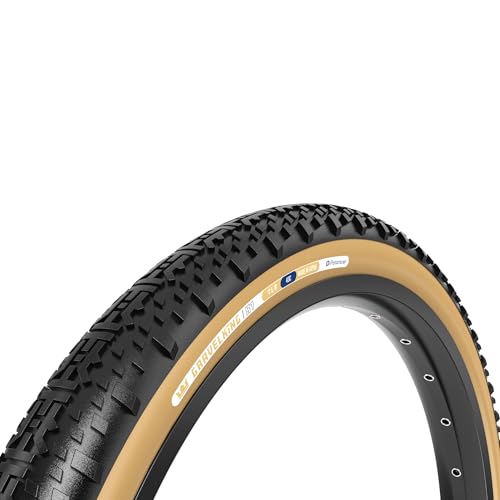
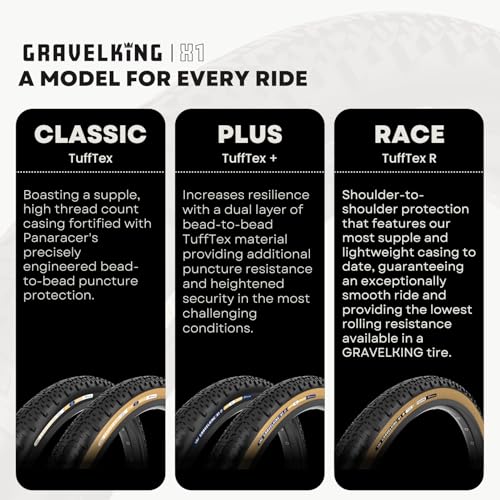
The GKX1 is Panaracer’s answer to riders who want real gravel capability without giving up road manners. It’s more aggressive than the Gravelking SK, with a pronounced center ridge and widely spaced shoulder knobs that shed mud and grip loose corners. The ZSG Gravel Compound helps maintain grip on wet rocks and roots, and owners report solid performance in damp conditions. The BeadLock tech is a real win, many say it reduces burping and improves rim seal during low-pressure tubeless riding.
With the AX-Alpha puncture layer and 120 TPI casing, it’s both tough and supple. Compared to the Pirelli P Zero Road, it’s heavier and slower on pavement, but far more capable when the road turns to dirt. I’d pick this over the SK if you’re regularly riding unpaved forest roads or riding in muddy conditions. It’s not a road tire first, but it’s one of the best “road-plus” options here.
Product photos


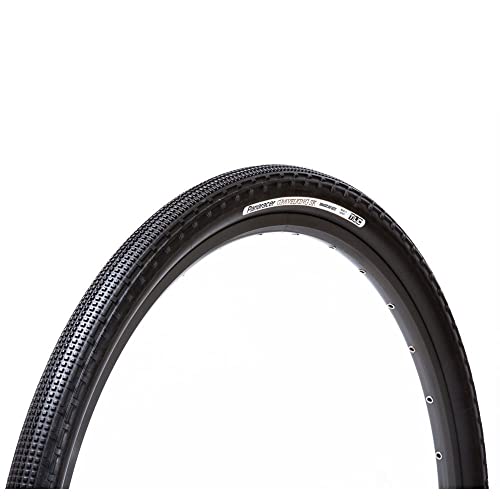
Panaracer Gravelking Sk Tubeless
Strengths
- Lightweight folding bead
- TLR compatible
- Aggressive tread
- Proven gravel versatility
- 120 TPI casing
Trade-offs
- Not optimal on pure pavement
- Tread wears faster
- Lower puncture protection
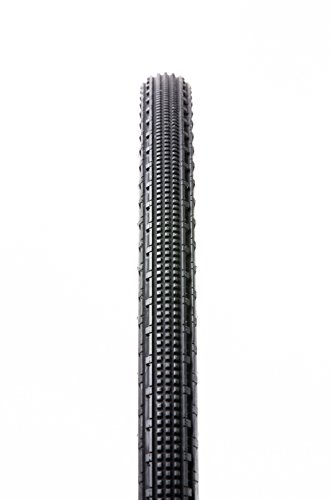
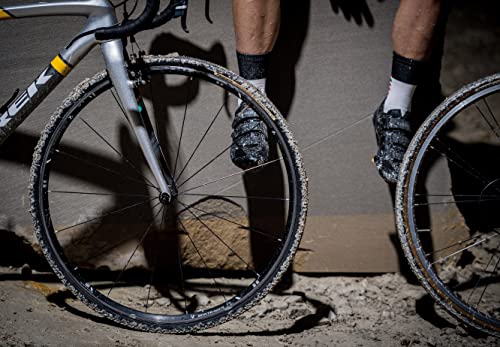
The Panaracer Gravelking SK is a cult favorite among mixed-surface riders, and for good reason. It’s not a pure road tire, but at 35mm, it straddles the line between speed and stability better than most. The tread is more pronounced than the Grand Prix 5000, with small center knobs and shoulder lugs that bite in loose conditions. Reviewers often call it a “road tire that can go off-road,” which sums it up well. It works best when you’re venturing onto gravel paths or damp forest roads but still want to roll efficiently on pavement.
The folding aramid bead and TLR compatibility make tubeless setup relatively straightforward, and the 120 TPI casing gives it a supple feel. Compared to the Fincci or P7 Sport, this tire feels like a step up in refinement, though it’s not as fast on smooth tarmac as the Continentals or Pirellis built for pure road use. If your routes blur the line between road and trail, this tire makes a lot of sense.
Product photos



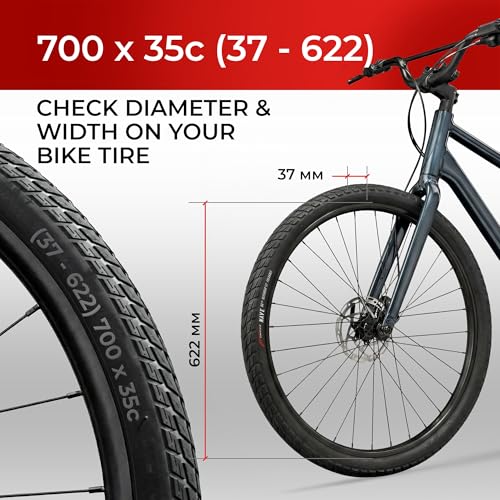
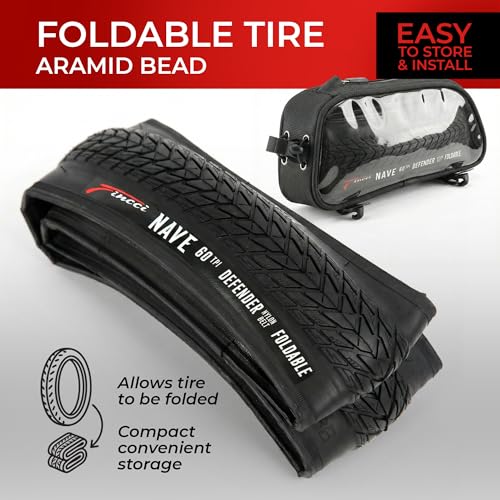
Fincci 700x35c Foldable Tire Set
Strengths
- Includes inner tubes
- Affordable bundle
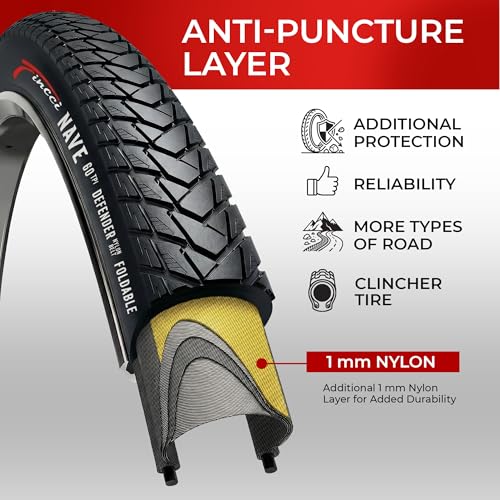
- Nylon puncture layer
- Foldable Kevlar bead
- Wide compatibility
Trade-offs
- Heavy for its class
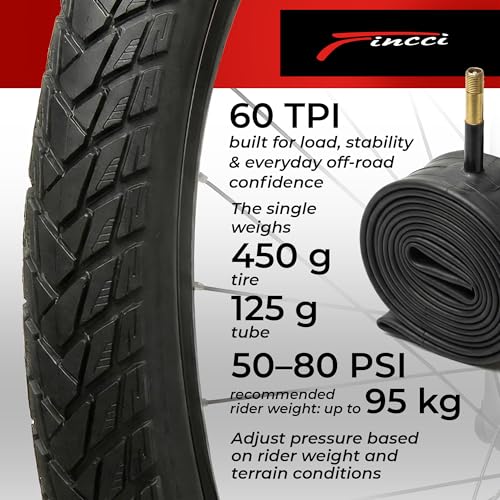
- Basic 60 TPI casing
- Lower durability than premium tires
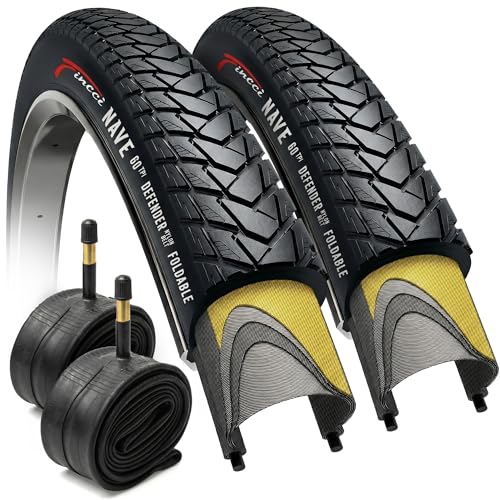
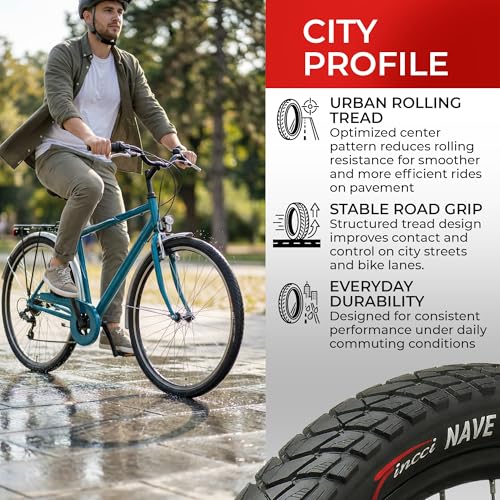
The Fincci 700x35c set is one of the few here that includes tubes, making it a rare value bundle for commuters and casual riders. The 60 TPI casing and nylon puncture belt aren’t going to win any speed contests, but they offer decent durability for city streets and hybrid routes. The tread is simple but effective, with a center ridge that rolls okay on pavement and light grip on cracked sidewalks or damp paths. It’s not a performance tire, but for someone upgrading from stock commuter rubber, it’s a noticeable step up.
Compared to the P7 Sport or P Zero Road, it’s heavier and less refined, but the inclusion of Schrader tubes adds real convenience. Owners report mixed results with longevity, but for low-mileage riders or e-bikes needing reliability over speed, this set makes sense. It’s not for enthusiasts, but it fills a niche.
Product photos
How We Tested 35mm road tires
My research into 35mm road tires began with a detailed comparison of published specifications – casing TPI, rubber compounds, puncture protection layers, and claimed weights. I then moved on to analyzing owner reviews across multiple retailers and cycling forums, looking for consistent feedback on real-world performance. Finally, I applied my understanding of tire construction and intended use cases to weigh these factors and rank the options. Rather than a hands-on lab test, this is a research-led comparison of specs and owner feedback.
For 35mm road tires, grip and durability are paramount. A tire needs to balance low rolling resistance for speed with sufficient traction for confident cornering, and it absolutely must resist punctures. I weighted tires with advanced compounds – like Pirelli’s SmartEvo or Continental’s BlackChili – more heavily, as these directly impact both speed and grip. Puncture protection, whether through Vectran Breakers or specialized casings, was also a key deciding factor, especially for tires marketed towards touring or all-road use. You can find more information about related options in our guide to tubeless road tires.
Specifications reliably indicate a tire’s basic construction and intended purpose. High TPI casings (120+) generally correlate with a supple ride and lower weight, while specific rubber compounds hint at performance priorities. However, owner feedback is critical for understanding how these specs translate to real-world durability and feel. I placed significant value on consistent reports regarding puncture resistance, tread life, and wet-weather grip, supplementing the technical details with practical insights. If you are looking for the best overall performance, you might also be interested in our guide to high-performance cycling tires.
What To Look For In 35mm road tires
Selecting the right road tire is a surprisingly nuanced process. It’s about far more than just size; it’s about balancing grip, rolling resistance, durability, and how well the tire suits your riding style and typical conditions.
A good road tire prioritizes a balance of low rolling resistance for speed, sufficient puncture protection for reliability, and appropriate grip for the conditions. Look for tires with modern tread patterns, robust casings (measured in TPI – threads per inch), and compounds designed for both wet and dry performance. Consider whether tubeless compatibility is important, and assess the weight as it impacts acceleration and overall feel.
Tread Pattern & Compound
The tread pattern isn’t just about aesthetics. A slick center section minimizes rolling resistance on smooth pavement, while strategically placed grooves channel water away for improved grip in damp conditions. Compound is equally vital; manufacturers like Continental with their BlackChili compound, or Pirelli’s SmartEvo, blend synthetic and natural rubber to optimize grip and speed. Don’t assume a harder compound is always faster – the right balance is key. If you’re often caught in unpredictable weather, a tire like the Continental Grand Prix 5000 All Season TR prioritizes all-weather performance over ultimate speed.
Casing & Puncture Protection
The casing is the tire’s structural backbone. Higher TPI casings (120 TPI and up) offer a more supple ride, reducing vibration and improving comfort, but they can be more susceptible to punctures. That’s where puncture protection layers come in. Vectran Breaker (Continental) and TechLINER (Pirelli) are examples of technologies designed to resist cuts and penetration. If you’re particularly concerned about flats, explore puncture-resistant road tires and look for tires with reinforced casings.
Here’s how casing and protection layers generally break down:
- Basic: 60 TPI, minimal puncture protection (Pirelli P7 Sport) – budget-friendly, heavier.
- Mid-Range: 120 TPI, moderate puncture protection (Pirelli P Zero Road TLR) – good balance of comfort and durability.
- High-End: 120+ TPI, advanced puncture protection (Continental Grand Prix 5000 AllSeason TR) – lightweight, comfortable, and reliable, but at a premium price.
A tire’s casing is its skeleton. Don’t skimp here; a supple, durable casing will make a far bigger difference to your ride quality than a fancy tread pattern.
Tubeless vs. Clincher & Value
Tubeless technology is becoming increasingly popular, offering lower rolling resistance, improved puncture resistance (with sealant), and the ability to run lower tire pressures for enhanced comfort and grip. However, it requires compatible wheels, sealant, and a bit more maintenance. Clincher tires, using inner tubes, are still a reliable and more affordable option. For those on a budget, a set like the Fincci 700x35c, complete with tubes, can be a sensible starting point. But remember, investing in quality often pays off in the long run. I often recommend checking out expert tire reviews before making a final decision.
35mm Road Tires Compared
Here is a comparison of key specifications for popular 35mm road tires.
| Tire Model | Best For | Compound | TPI | Weight (g) | Protection | Tubeless Ready |
|---|---|---|---|---|---|---|
| Continental Grand Prix 5000 All Season TR | Best Overall | BlackChili | N/A | N/A | Vectran | Yes |
| Pirelli P Zero Race RS TLR | Best for Racing & High Performance | SmartEvo | 120/137 | 340-430 | TechLINER | Yes |
| Pirelli P Zero Road TLR | Best Value All-Rounder | EVO | 120 | N/A | TechLINER | Yes |
| Continental Contact Plus | Best for Touring & Durability | N/A | N/A | N/A | SafetyPlus | No |
| Pirelli P7 Sport Folding | Best Budget Friendly | PRO | 60 | 370 | N/A | No |
| Panaracer GravelKing GKX1 Classic | Best for Mixed Terrain | ZSG Gravel | 120 | N/A | AX-Alpha | Yes |
| Panaracer Gravelking SK Tubeless | Best for Gravel Riding | N/A | N/A | N/A | N/A | Yes |
| Fincci 700x35c Foldable Tire Set | Best Budget Set with Tubes | Nylon/Rubber | N/A | 430 (tire) + 250 (tube) | 1mm Nylon | No |
Frequently Asked Questions
What tire pressure should I run with 35mm road tires?
Generally, you should run between 65-85 PSI for 35mm tires, but the ideal pressure depends heavily on your weight and the road surface. Lower pressures (closer to 65 PSI) improve comfort and grip, while higher pressures (closer to 85 PSI) reduce rolling resistance on smooth pavement.
Are wider 35mm tires slower than narrower ones?
Not necessarily. While narrower tires can have slightly lower rolling resistance in ideal conditions, 35mm tires often maintain speed better over imperfect road surfaces and offer more grip. Many riders find the overall performance benefit of increased comfort and cornering outweighs any minor speed loss.
How often should I replace my 35mm road tires?
Replacement depends on your riding frequency and conditions, but expect to replace tires every 1,000-3,000 miles. Look for signs of wear like a visibly worn tread, cuts, or bulges in the sidewall. You can also find more information about road bike tires to understand when it’s time for a replacement.
Is tubeless setup really worth the extra effort with these tires?
For many riders, yes. Tubeless setups offer pinch flat protection and the ability to run lower pressures, improving both comfort and grip. While the initial setup is more involved, and you’ll need to occasionally replenish tubeless sealant, the benefits often outweigh the hassle, especially for longer rides.
Can I use 35mm tires on any road bike?
Not always. Check your bike’s frame and fork clearance before purchasing. While many modern road bikes accommodate 35mm tires, older models or those with tighter clearances may not. A good rule of thumb is to have at least 6mm of space between the tire and the frame/fork.
The Bottom Line
Choosing a 35mm road tire often comes down to how much you value ultimate performance versus everyday practicality. If you prioritize speed and grip and are willing to invest, the Continental Grand Prix 5000 All Season TR stands out as the best overall performer, offering a superb balance of features and consistently positive owner feedback. It’s a tire built for riders who demand the best, and are prepared to pay for it.
For those seeking specific strengths, our research points to clear winners. If you’re looking for a budget-friendly option to get you rolling, the Fincci 700x35c set provides a complete package at an accessible price. Riders tackling mixed terrain, or who want the benefits of lower pressures and increased puncture protection, will find the Panaracer GravelKing GKX1 Classic to be a strong contender, and those wanting to explore tubeless road bike tires will find it is compatible with tubeless setups.
Ultimately, the specs on a tire are only part of the story. Focus on finding a tire that balances casing quality, compound, and puncture protection to suit your riding. Don’t chase the lightest weight if it means sacrificing durability, and if you ride in variable conditions, consider tires with puncture-resistant features, like those found in durable road bike tires. A well-chosen tire is an investment in your comfort, safety, and enjoyment on the road.
