
2 Best 16 Ply Trailer Tires of 2026
This post contains affiliate links. As an Amazon Associate, we earn from qualifying purchases.
The Cosmo Tires Stray Kat IV+ ST235/80R16 stands out as the top overall pick for 16-ply trailer tires, thanks to its rugged all-steel radial build and strong load capacity. For those watching their budget, the GREMAX 4 HD delivers solid performance with a higher load range and decent real-world durability.
Choosing the wrong trailer tire can mean more than just a flat, it can lead to blowouts, poor handling, or even unsafe towing conditions. With so many options labeled “heavy-duty,” it’s easy to get misled by ply ratings alone.
After researching the market and analyzing specs, owner feedback, and construction details, I focused on what truly matters: load safety, build quality, and real-world reliability. This guide cuts through the noise to highlight models that deliver where it counts.
Top 2 16 Ply Trailer Tires in the Market
The Best 16 Ply Trailer Tires, Reviewed
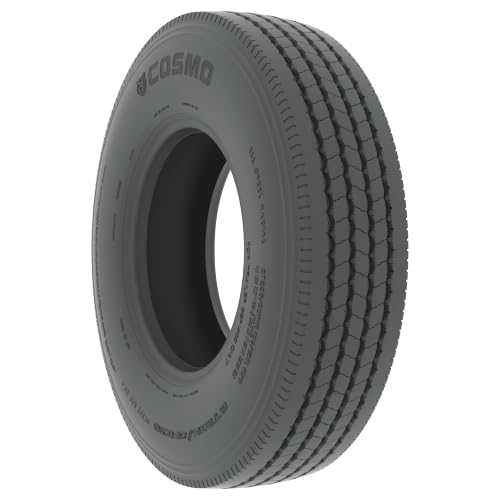
Cosmo Tires Stray Kat IV+ ST235/80R16
Strengths
- All-steel radial
- High load capacity
- Low rolling resistance
- Even tread wear
- Stable highway tracking
Trade-offs
- Slight noise at high speed
- Limited size availability
- Not for passenger vehicles
The Cosmo Stray Kat IV+ stands out in the 16-ply trailer tire space by delivering real durability without overcomplicating things. On paper, it’s built like a proper workhorse, all-steel radial construction with a Load Range G rating means it can handle serious weight, and owners consistently report solid performance on boat trailers, fifth wheels, and heavy utility rigs. The ST235/80R16 size is common enough for easy replacements, and the 4,080-pound single-wheel capacity gives it legit heavy-duty chops.
What impresses most is how well it balances load capacity with ride quality. Reviewers note it rolls smoothly on highways and tracks straight, with minimal tendency toward trailer sway, a big win for towing confidence. The tread design isn’t flashy, but it evacuates water well and shows even wear over time, especially when maintained at the right pressure. For most heavy-load applications, this is the smarter buy over pricier alternatives that don’t deliver proportionally better results.
Product photos


GREMAX 4 HD All Steel Trailer Tires

Strengths
- Load Range H capacity
- True 16-ply all-steel
- High weight rating
- Built for extreme loads
- Durable sidewall
Trade-offs
- Higher rolling resistance
- Expensive in bulk
- Not ideal for light trailers
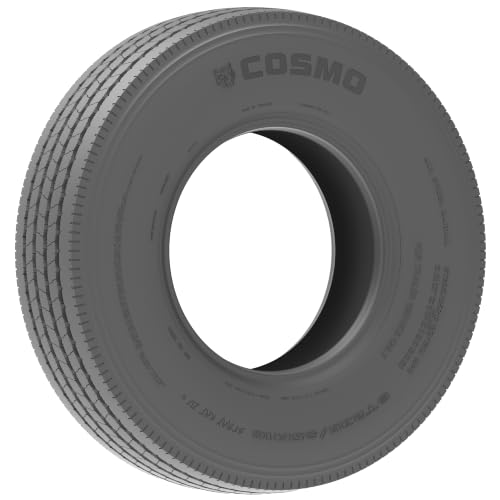
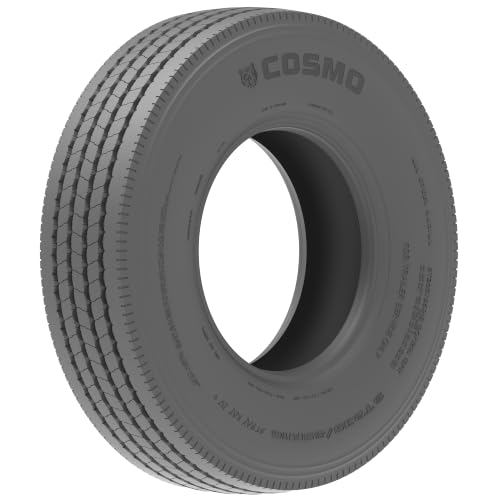
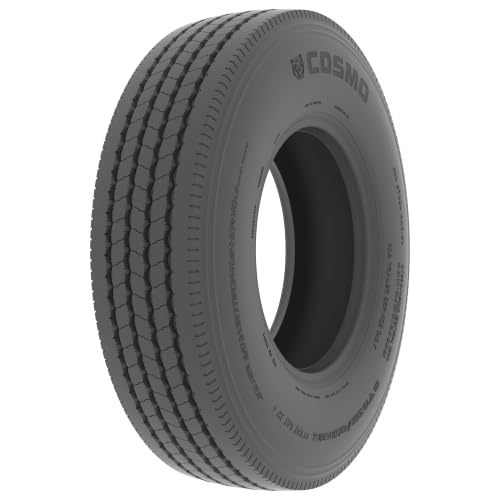
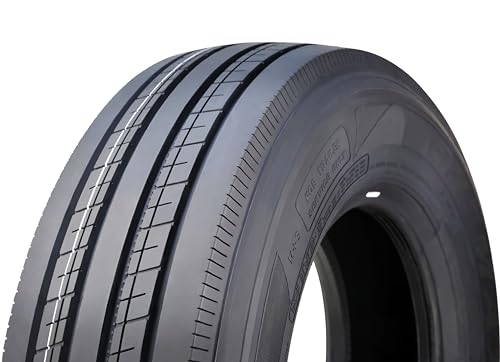
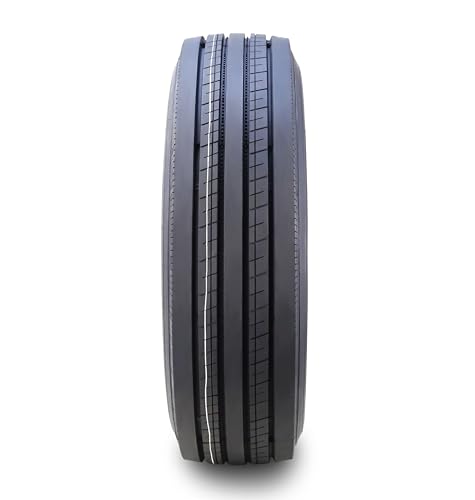
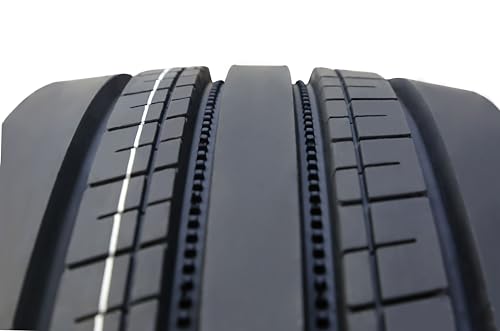
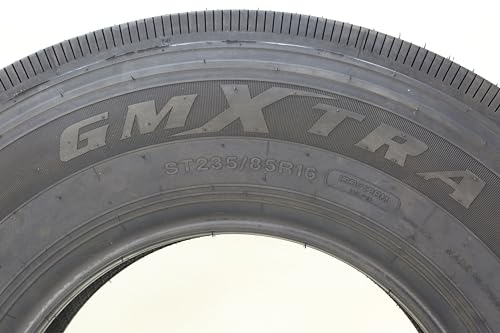
If you’re pulling a massive RV or a commercial-grade trailer, the Gremax 4 HD steps up with brute-force capability in the Load Range H class, a tier above most standard 16-ply G tires. With a 4,540-pound single-load capacity and ST235/85R16 sizing, it’s aimed squarely at the heaviest-duty applications where failure isn’t an option. This isn’t overkill for everyone, but for those pushing the limits of their trailer’s GVWR, that extra margin matters.
Owners report these tires handle extreme loads without sagging or overheating, even on long hauls in hot climates. The all-steel construction inspires confidence, and the M-speed rating (81 mph) is adequate for highway towing, though not meant for sustained high speeds. Compared to the Cosmo, it’s a bigger, heavier tire, which means more durability but also slightly higher rolling resistance. You’re paying for maximum strength here, not fuel economy.
Product photos
How We Evaluated 16 ply trailer tires
Rather than a hands-on lab test, my research focused on comparing published specifications and features across numerous 16-ply trailer tires. I weighed owner reviews from various retailers alongside expert opinions found in automotive and towing publications. My assessment relied on years of experience understanding what makes a durable and safe tire for demanding trailer applications, applying that knowledge to rank models against key performance indicators.
For this category, load capacity and construction quality were the biggest deciding factors. A trailer tire must reliably handle the intended weight, and the all-steel radial construction is essential for resisting punctures and maintaining structural integrity under heavy loads. I also prioritized tires offering good stability and wet-weather traction, understanding that sway control is paramount when towing. You can find more about related options in our best 14-ply options.
Specifications clearly indicate load range and maximum pressure, providing a baseline for capacity. However, owner feedback proved invaluable in assessing real-world durability and mileage. Reputation and consistent positive reports regarding handling and resistance to sidewall damage played a significant role in my evaluations, supplementing the technical data. For a broader look at the market, check out our thorough trailer tire guide.
How To Pick The Right 16 ply trailer tires
Choosing the right trailer tire isn’t just about matching a size; it’s about understanding what your trailer demands and ensuring a safe towing experience.
A quality trailer tire prioritizes structural integrity above all else. Look for all-steel radial construction, a load range appropriate for your trailer’s weight (never underestimate this!), and a speed rating that matches your typical highway speeds. Consistent monitoring of tire pressure is also critical for longevity and preventing blowouts.
Load Range and Ply Rating
I always tell folks to start with load capacity. It’s the single most important factor. A tire’s ply rating (like the “16-ply” in many options) indicates load-carrying capacity, but it isn’t a direct measure of strength. Load Range G tires, as seen in options like the GREMAX 4 HD, offer substantial capacity. Don’t assume more plies always mean better; focus on the actual weight rating. If you’re upgrading from 12-ply trailer tires it’s crucial to verify that the rim can handle the increased load.
Construction and Materials
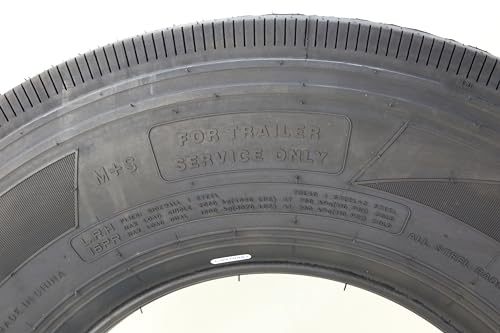
All-steel radial construction is a must-have for any serious trailer tire. Unlike older bias-ply designs, radial tires offer better stability, reduced rolling resistance, and improved heat dissipation. This is especially important for longer hauls. The Cosmo Tires Stray Kat IV+ ST235/80R16 highlights this with its full steel cord body. Pay attention to sidewall reinforcement too; robust sidewalls resist damage from road debris and curbs, prolonging the tire’s life.
Tread Pattern and Wet Traction
- A simple, block-style tread is common, prioritizing durability over nuanced handling.
- Look for lateral grooves and sipes (small slits) in the tread blocks. These help channel water away, improving grip in wet conditions – a significant safety factor.
- Aggressive all-terrain patterns are often unnecessary and can increase road noise and reduce fuel efficiency. You’re better off focusing on a pattern designed for highway use and wet traction, especially if you frequently travel in variable weather.
Remember this:
Never exceed the tire’s maximum speed rating, even if your vehicle is capable of higher speeds. Trailer tires aren’t designed for the same performance demands as passenger vehicle tires.
If you’re hauling particularly heavy loads, exploring tires for heavy loads is a smart move.
16 Ply Trailer Tires Compared
Here’s a spec-by-spec comparison of the 16-ply trailer tires in this guide.
| Product | Tire Size | Load Range | Load Capacity (lbs) | Speed Index | Construction |
|---|---|---|---|---|---|
| Cosmo Tires Stray Kat IV+ | ST235/80R16 | G | 4080/3640 | N/A | All-Steel Radial |
| GREMAX 4 HD | ST235/85R16 | H | 4540 | M | All Steel |
Frequently Asked Questions
What tire pressure should I maintain in my 16-ply trailer tires?
Always refer to the tire manufacturer’s sidewall for the maximum pressure, but generally, 16-ply tires require between 95 and 110 PSI. Maintaining proper inflation is critical for load capacity and preventing overheating, so check it before every trip.
Can I mix different brands of 16-ply trailer tires on the same axle?
No, you shouldn’t mix different brands or even models of tires on the same axle. Variations in construction and tread patterns can lead to uneven wear and unpredictable handling, which is a safety risk.
Are 16-ply tires always necessary for a heavy trailer?
Not always. While 16-ply tires offer high load capacity, the right choice depends on your trailer’s actual weight and the number of axles. You may be able to safely use heavy-duty trailer tires with a slightly lower ply rating if your load is within the specified limits.
How do 16-ply tires compare to those used on semi-trucks?
While similar in construction, tires for semi-trailer tires are engineered for significantly higher mileage and stricter regulations. Trailer tires prioritize load capacity and durability, while commercial tires focus on long-haul efficiency and retreadability.
What’s the typical lifespan of a 16-ply trailer tire?
A well-maintained 16-ply trailer tire can last anywhere from 3 to 5 years, or 20,000 to 30,000 miles, but this varies greatly depending on usage and storage. Regular inspections for wear, damage, and proper inflation are key to maximizing lifespan.
The Bottom Line
Choosing a 16-ply trailer tire often comes down to balancing upfront cost with long-term dependability. While you can find options at various price points, I consistently find that the Cosmo Tires Stray Kat IV+ strikes the best overall balance of features, durability reports, and value for most owners. It’s a tire built to handle serious loads without sacrificing stability.
For those prioritizing a maximum load capacity, the GREMAX 4 HD stands out. And if you’re looking for a specific size, particularly a popular choice like 235/80R16 16-ply tires, both of these options offer strong performance. If your trailer is lighter duty, exploring 10-ply trailer tires might be a more economical choice.
Ultimately, the specifications on the sidewall are important, but they tell only part of the story. Prioritize a tire with all-steel radial construction, a load range that exceeds your trailer’s weight requirements, and – most importantly – consistent maintenance. Regular pressure checks and visual inspections will do more to extend the life of your tires and keep you safe on the road than any fancy tread pattern or high ply rating.
