
Are Cooper Endeavor Tires Good? 65,000-Mile Warranty & Review
This post contains affiliate links. As an Amazon Associate, we earn from qualifying purchases.
The Cooper Endeavor is a solid Grand Touring All-Season tire for drivers prioritizing a quiet, comfortable commute in dry to damp conditions, backed by a competitive 65,000-mile warranty. Its performance noticeably weakens in genuine winter weather, on deeply grooved concrete, and as the tread wears thin, which is a critical consideration for long-term ownership.
That 65,000-mile promise is the headline, but the fine print, a UTQG treadwear rating of 680, sits well below the segment average. This isn’t a deal-breaker, but it signals a trade-off. The tire is tuned for immediate comfort and low noise, not maximum longevity. Your satisfaction hinges entirely on where and how you drive.
What follows: a breakdown of its dry-weather confidence, the real limits of its “all-season” badge in winter, the owner-reported quirks you won’t find in the brochure, and a direct comparison against tires that solve its specific shortcomings. By the end, you’ll know exactly which driving profile this tire fits, and which ones it doesn’t.
Key Takeaways
- The Endeavor’s 65,000-mile warranty is strong, but its UTQG treadwear rating of 680 is below average, suggesting the compound prioritizes comfort over extreme longevity.
- Dry and wet performance is confident for daily commuting, but it lacks the Three-Peak Mountain Snowflake rating, making it a poor choice for regular winter driving.
- Some owners report specific issues like vibrations on grooved concrete highways and a noticeable decline in wet grip as the tread wears down.
- It represents strong value for sedans and crossovers in mild climates, but drivers in snowy regions or those seeking maximum tread life should look at competitors.
The Spec Sheet Tells Two Stories
You can’t evaluate a tire without the numbers, and with the Cooper Endeavor, two figures tell competing tales. The 65,000-mile limited warranty is the marquee promise, placing it squarely among serious touring tires. Yet, the UTQG treadwear rating of 680 paints a different picture. In the Grand Touring All-Season category, average treadwear ratings often climb into the 700s and 800s. A 680 rating, while still respectable, indicates a softer rubber compound.
A UTQG treadwear rating is a comparative measure, not a mileage guarantee. A rating of 680 means the tire’s compound is expected to wear approximately 68% as long as the government’s baseline test tire. This softer compound often delivers the quiet, compliant ride the Endeavor is known for, but it may not reach the lofty mileages of harder-compound competitors, regardless of warranty coverage.
The softer compound is the secret to its comfort. It absorbs small road imperfections with a muted, isolated feel that shines on long highway slogs. Road noise is impressively low for the price point, a benefit of its symmetrical tread design and variable pitch sequencing. This is where the Endeavor delivers on its Grand Touring promise. If your priority is a hushed cabin on your daily commute, it checks that box decisively.
However, this design has physical limits. The very grooves that evacuate water and reduce noise, the four wide circumferential channels, also represent less rubber contacting the road compared to some more aggressive touring patterns. This influences wet and winter performance in ways the spec sheet alone can’t predict.
Dry and Wet: Where It Earns Its Keep
On dry pavement, the Cooper Endeavor feels planted and responsive. Steering input is met with predictable behavior, and cornering stability is more than adequate for safe, enthusiastic daily driving. The silica-enhanced tread compound provides good mechanical grip. You won’t mistake it for a max-performance summer tire, but for a family sedan or crossover, it inspires confidence.
Wet weather performance is adequate for most drivers in most rainstorms. The tread channels water efficiently enough to resist hydroplaning at legal highway speeds. Initial wet grip from a new set is trustworthy for braking and acceleration in moderate conditions. It’s a capable tire for the rainy spring and fall seasons many drivers face.
The caveat comes with tread wear. As those grooves shallower over miles, the tire’s ability to clear water diminishes. Some owner reports note a more significant drop in wet confidence after the halfway point of the tread life compared to other tires in its class. This isn’t a failure, but a characteristic of its design. Keeping up with rotations and monitoring tread depth becomes more than just a maintenance task; it’s a direct investment in wet-weather safety.
Where the Endeavor Falls Short
The manufacturer markets the Endeavor for “all-season performance, even in light snow.” This is technically true, but it’s a very narrow definition of winter. The tire lacks the Three-Peak Mountain Snowflake (3PMSF) symbol, the industry benchmark for true all-weather or winter capability. In practice, that means packed snow, slush, and icy patches become genuine concerns.
| Condition | Endeavor Performance | Realistic Expectation |
|---|---|---|
| Dry Roads | Confident, quiet, comfortable. | Its best environment. |
| Wet Roads | Good hydroplaning resistance when new. | Adequate for commutes; grip declines with wear. |
| Light, Fresh Snow | Manages a dusting or inch at low speeds. | Do not push it; traction is minimal. |
| Packed Snow / Ice | Poor traction; requires extreme caution. | Not recommended. Use dedicated winter tires. |
| Grooved Concrete | Can induce steering wheel vibration. | A documented owner complaint. |
Beyond winter, the Endeavor has documented quirks. A notable one is its behavior on grooved concrete highways. The rhythmic grooves cut into some older interstates can cause a resonant vibration through the steering wheel with certain tire designs. The Endeavor’s tread pattern seems susceptible to this for some drivers. It’s not a defect, but a harmonic reality that can fatigue on long drives.
There’s also the matter of long-term durability beyond treadwear. Isolated reports mention concerns over sidewall integrity after impact or questions about how the compound ages in continuous sun exposure. These aren’t widespread failures, but they highlight that the Endeavor is engineered to a price point where some premium durability features might be tempered.
The Direct Comparisons
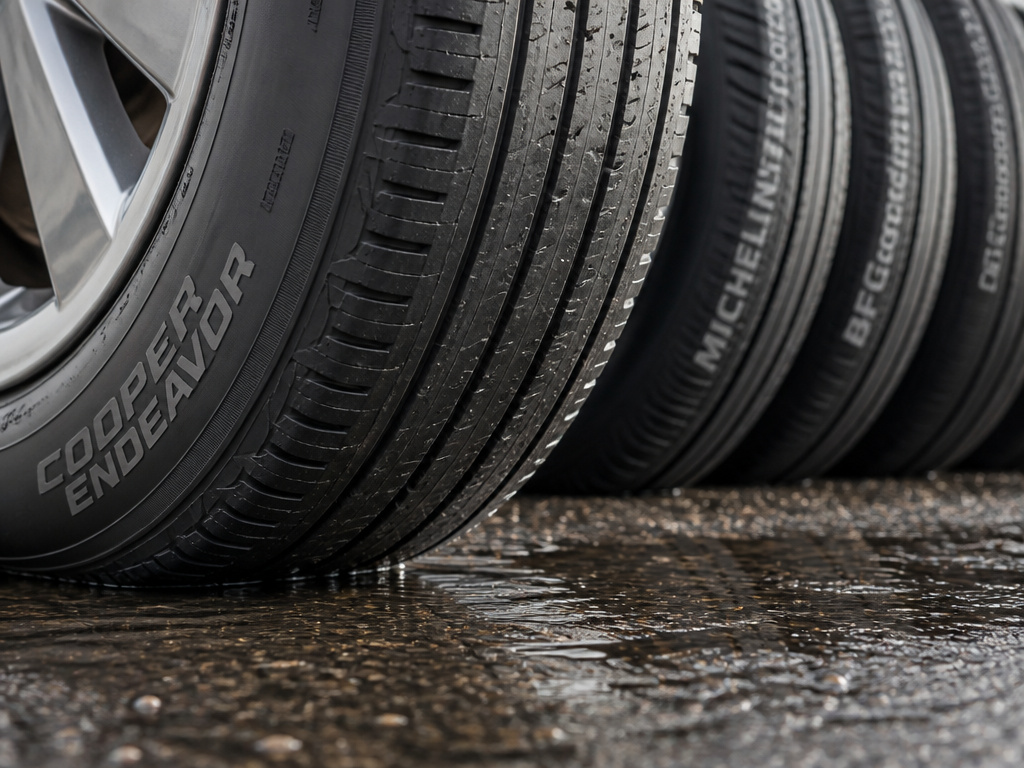
So, is the Cooper Endeavor a good tire? The answer is a firm “it depends.” The right comparison makes the choice clear.
For a driver in the Sun Belt who values a serene highway ride above all else, the Endeavor is a compelling value. Its quietness and comfort rival more expensive options. But the moment winter enters the equation, alternatives win. The Continental ProContact TX or even Cooper’s own Endeavor Plus (in some sizes) offer better cold-weather traction, often with a similar comfort focus.
If long-term tread life is your ultimate goal, the numbers suggest looking elsewhere. A tire like the Michelin CrossClimate2, while a larger initial investment, carries a higher UTQG rating and the 3PMSF symbol, effectively serving two roles for the price of one over many years. For drivers who keep cars long-term, the total cost of ownership math can shift.
The part nobody mentions: Choosing a tire isn’t just about the first 10,000 miles. It’s about how it behaves at 30,000 miles when the tread is half gone and you’re caught in a November downpour. The Endeavor’s wet performance decline is steeper than some, so if you live in a consistently wet climate, factor that into your five-year plan.
The BFGoodrich Advantage Control is another competitor that often trades blows with the Endeavor on price but frequently edges it out in professional wet braking tests. It comes down to your personal priority: is it ultimate wet safety, or is it that plush, quiet ride the Endeavor delivers from day one?
Who Should (and Shouldn’t) Buy These Tires
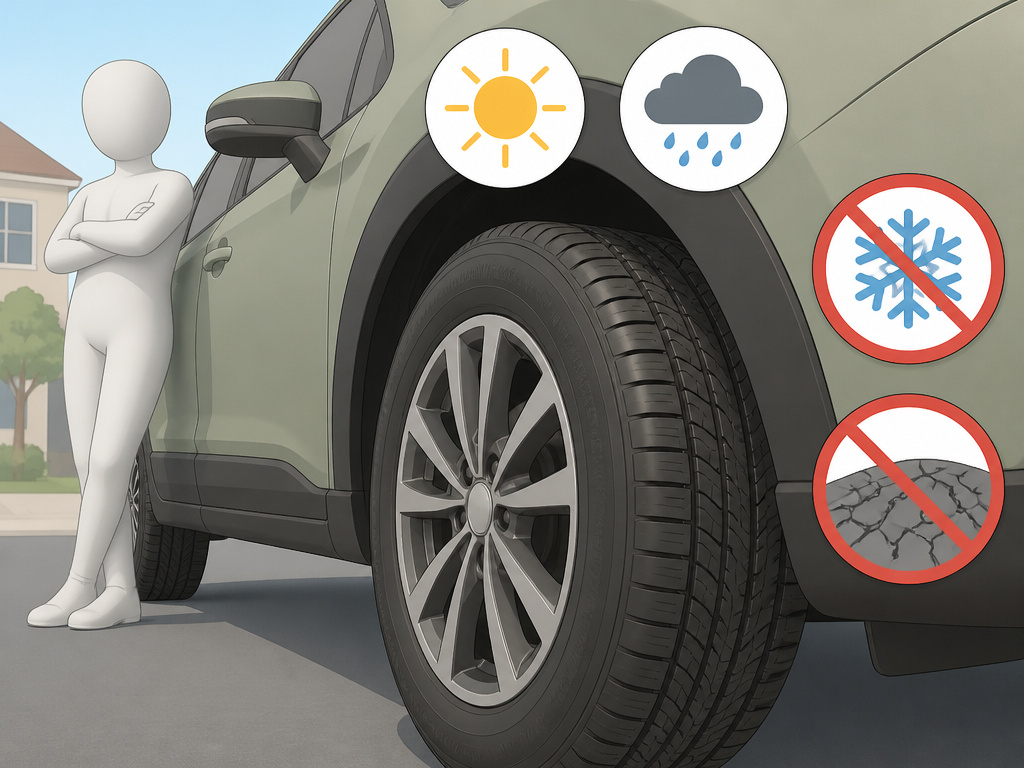
The Cooper Endeavor finds its ideal home on family sedans, minivans, and crossovers driven primarily in temperate climates. Think of the driver who commutes on smooth highways, encounters occasional rain, and maybe sees a handful of snow days a year they can simply avoid. For that person, the tire’s strengths are maximized, and its weaknesses are mostly irrelevant.
You should look elsewhere if your regular driving includes any of the following: frequent travel on worn, grooved concrete interstates; living in a region with sustained winter weather where snow stays on the ground; or a personal priority on maximizing the years between tire replacements. In these cases, the compromises become daily frustrations.
The value proposition is clear for the right buyer. You get 90% of the comfort and noise performance of a premium touring tire at a notably lower price. You accept that the final 10% of refinement, along with some long-wear and severe-weather capabilities, have been trimmed to hit that cost target. It’s a sensible, rational trade-off for millions of drivers.
In short: Buy the Endeavor for its quiet, comfortable, and confident dry-weather ride at a competitive price. Don’t buy it expecting a true all-weather companion or the absolute longest tread life in its class.
Frequently Asked Questions
Are Cooper Endeavor tires good in snow?
They are not rated for serious snow. The Cooper Endeavor is a standard all-season tire without the Three-Peak Mountain Snowflake (3PMSF) symbol. It can manage a light dusting on level ground at low speeds, but it lacks the specialized siping and rubber compound for reliable traction in packed snow, slush, or on ice. For regular winter driving, dedicated snow tires are a far safer choice.
How many miles do Cooper Endeavor tires last?
Cooper backs the Endeavor with a 65,000-mile limited treadwear warranty. Real-world mileage will vary based on driving style, vehicle alignment, maintenance, and road conditions. Its UTQG treadwear rating of 680 suggests the compound may wear faster than some competitors with higher ratings, but with proper care, reaching the warranty mileage is a reasonable expectation for many drivers.
Are Cooper Endeavor tires noisy?
No, one of the Endeavor’s strongest attributes is its low noise levels. Owners and reviewers consistently praise its quiet ride. The symmetrical tread design and computer-optimized pitch sequence are engineered to minimize road roar and humming, especially at highway speeds, contributing significantly to its grand-touring character.
What is the difference between Cooper Endeavor and Endeavor Plus?
The Endeavor Plus is generally considered an upgraded version within Cooper’s lineup. It often features a different tread compound and pattern designed for enhanced wet and light snow traction, sometimes carrying a higher speed rating. Think of the standard Endeavor as the comfort-focused base model and the Endeavor Plus as the all-weather-focused upgrade, though specific differences can vary by tire size.
Is the Cooper Endeavor a good all-season tire?
Yes, for a specific definition of “good.” It is an excellent all-season tire if your priorities are ride comfort, low noise, and dry-pavement confidence for a fair price. It is a less ideal all-season tire if you need robust performance in winter conditions, demand the absolute longest possible tread life, or frequently drive on harsh, grooved road surfaces. It fits the mainstream commute perfectly but reaches its limits at the edges of the all-season envelope.
The Bottom Line
The Cooper Endeavor is a competent, value-focused tire that makes perfect sense for a large swath of everyday drivers. It delivers a quiet, comfortable ride that belies its price tag and handles routine dry and wet conditions with assuredness. The 65,000-mile warranty provides a strong safety net.
However, its performance envelope has clear boundaries. The lack of serious winter capability, the potential for vibration on specific road surfaces, and a treadwear rating that hints at a comfort-over-longevity trade-off are all part of the deal. It’s a good tire, perhaps even a great one, for the right driver in the right conditions. For everyone else, the competitive tire market offers alternatives that specifically target its shortcomings. Your driving habits will write the final review.
