
8 Best Ebikes for Teenagers 2026
This post contains affiliate links. As an Amazon Associate, we earn from qualifying purchases.
The ESKUTE V100 stands out as the best overall ebike for teenagers, combining serious power and range with solid build quality. For a smarter budget pick, the Loeook 26″ Electric Mountain ebike delivers strong value and a more mature frame size, while the ADISTAR 16″ Long Range offers impressive versatility with its extended battery and high peak output.
Parents and teens alike often struggle to find an ebike that strikes the right balance, something powerful enough to be exciting, but not so aggressive that it’s unsafe or overwhelming. Too many models either cut corners on brakes and battery life or pack motors that demand more experience than a teen might have.
This guide cuts through the noise. I compared key specs, owner feedback, and real-world performance across the most popular models marketed to teens, focusing on what actually matters: motor reliability, braking power, proper fit, and long-term durability. These picks aren’t based on hype, they’re grounded in what riders report and what makes for a safe, enjoyable ride.
Top 8 Ebikes For Teenagers in the Market
The Best Ebikes For Teenagers, Reviewed
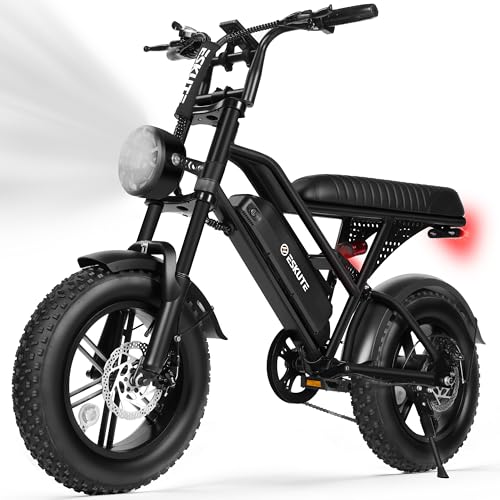
ESKUTE V100 Electric Dirt Bike
Strengths
- 7-speed versatility
- Dual suspension comfort
- Aggressive yet stable styling
Trade-offs
- Battery life varies by terrain
- Assembly can be fiddly
- Brakes adequate but not stellar
If I had to pick one ebike that balances fun, function, and value for teens stepping into adulthood, it would be the ESKUTE V100. It earns its ‘Best Overall’ label not because it dominates in every category, but because it hits the sweet spot: 1500W peak power, 20+ mph top speed, dual suspension, and a sharp 7-speed drivetrain wrapped in a moped-style design that turns heads.
Reviewers frequently call it a “gift-ready” package, and they’re right. The 48V 13Ah battery delivering up to 60 miles (PAS) means real-world usability beyond short joyrides. The fat tires and suspension combo handles potholes and park paths with ease, and the safety feature requiring a brake squeeze before motor engagement is smart, not gimmicky. Compared to others in this list, it feels like a true hybrid between commuter practicality and weekend adventure.
Video review
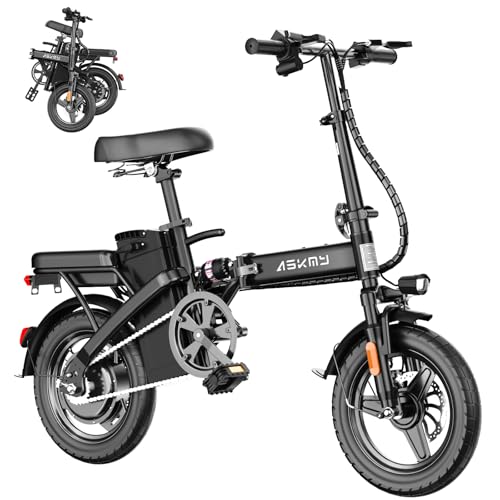
Foldable Electric Bike for Teens
Strengths
- Lowest price point
- UL safety certified
- True fold-and-go portability
Trade-offs
- Minimal suspension
- Shorter range
- Entry-level components
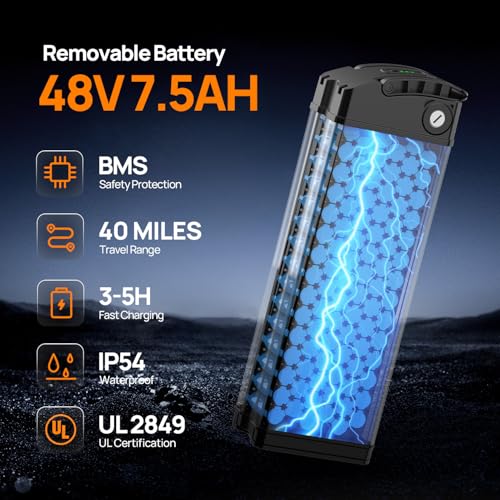
You won’t find a cheaper UL-certified ebike on this list than this $199 foldable model, and that’s its biggest selling point. For teens on a tight budget or parents testing the waters of electric biking, it offers core essentials: a 700W peak motor, 20MPH speed, dual disc brakes, and a removable 48V 10Ah battery with 30–35 mile PAS range. The foldable design makes it easy to stash in a closet or trunk, which urban riders will appreciate.
That said, compromises exist. The 14” wheels struggle on rough surfaces, and while the frame is sturdy, it lacks advanced suspension beyond basic front damping. Reviewers confirm it works fine on paved paths and flat commutes but advise against regular off-road use. Still, when you factor in UL 2271 and UL 2849 certifications at this price, it’s a responsible entry point.
Video review
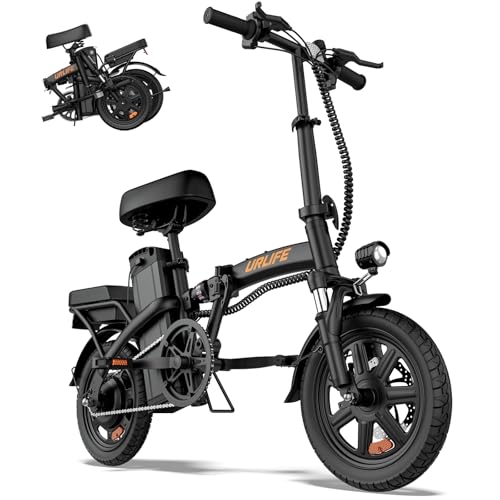
URLIFE Folding Commuter Ebike
Strengths
- Ultra-portable folding design
- Good range for size
- Multi-damping comfort
Trade-offs
- Less stable on rough roads
- Small wheels limit traction
- Lower top-end power
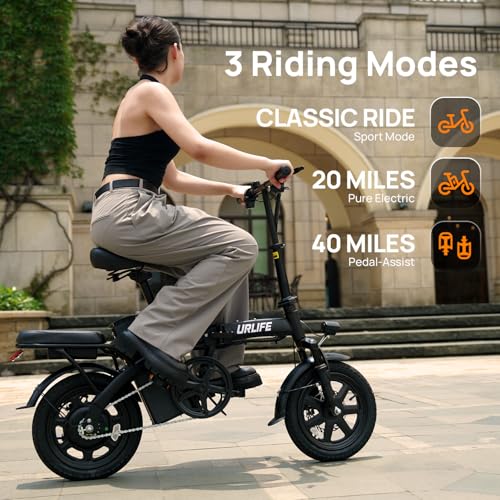
When space matters, like dorm rooms, small apartments, or public transit, the URLIFE folding ebike becomes instantly relevant. Its compact 14″ wheel design and foldable frame make it one of the most portable options here, and at under $270, it’s accessible without feeling cheap. The 500W peak motor pushes it to 20MPH, which is sufficient for urban runs, and the 40-mile max range (under PAS) is respectable for its size.
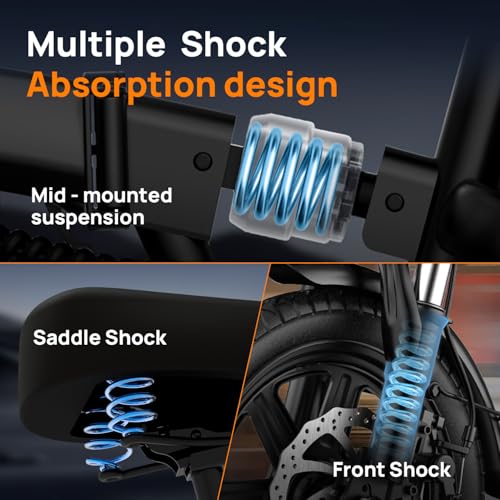
Multi-point shock absorption, front fork, center, and seat damping, is a thoughtful touch few budget folds include. Still, while owners praise its convenience, they also note reduced stability on uneven ground compared to full-size frames. It’s not meant for trails, but for flat-city navigation? Absolutely. And with UL 2849 certification, safety isn’t compromised for portability.
Product photos
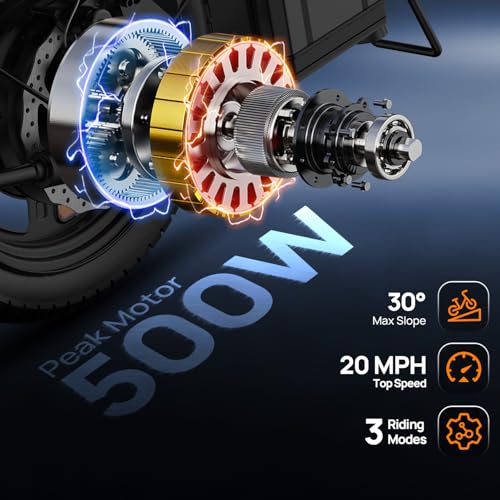

Hopepeak D10 All-Terrain Ebike
Strengths
- Superior off-road traction
- Excellent lighting package
- Triple-layer shock absorption
Trade-offs
- Bulky for small storage
- Heavier than average
- Limited speed customization
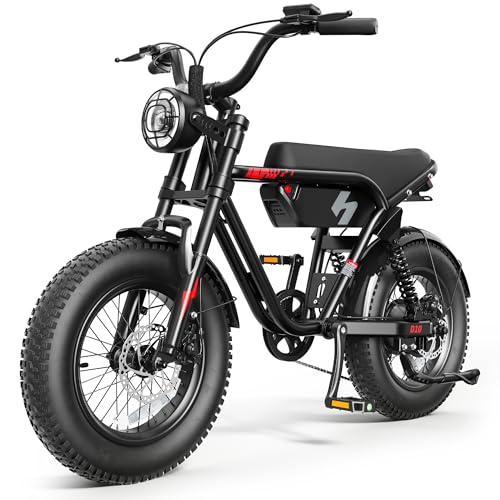
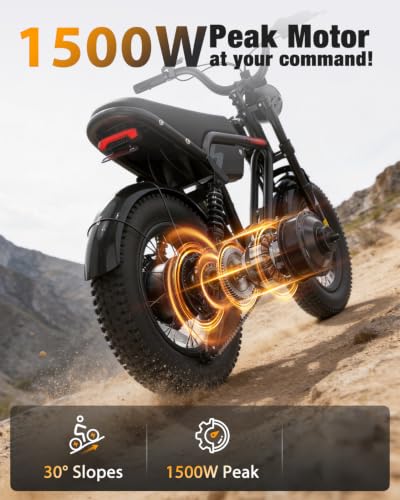
For teens living in areas with unpredictable terrain, snowy winters, sandy backroads, or rocky trails, the Hopepeak D10 is engineered to handle it. Its 1500W peak motor and full suspension system with four shock absorbers deliver serious bump-eating performance, and the 16″x4.0″ fat tires grip where others slip. This is one of the few in this lineup that genuinely earns the “all-terrain” label.
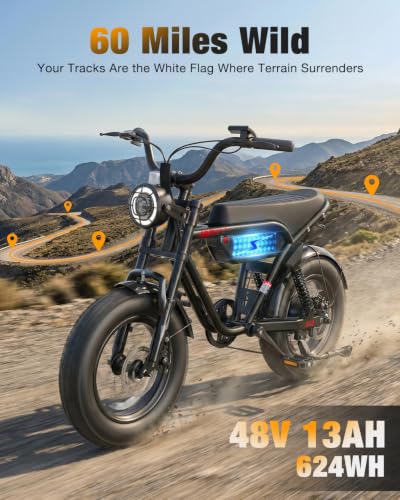
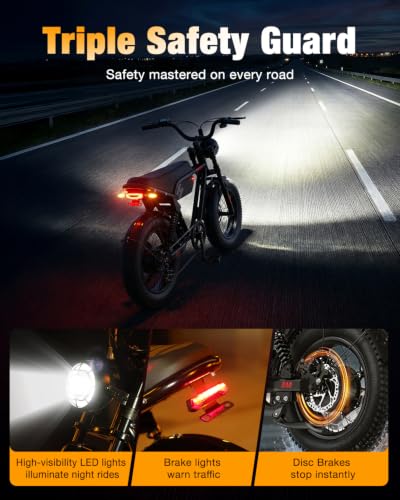
Owners highlight the retro aesthetic and enhanced visibility from bright LED lights, making night rides safer. The removable 48V 13Ah battery promises 60 miles in PAS mode, aligning well with real-world feedback. However, its strength is also a limitation: the sturdier build makes it less agile for smaller riders or tight urban spaces. If your teen rides where pavement ends, this should be on your radar.
Product photos

isinwheel M10 Pro Fat Tire Ebike

Strengths
- True all-terrain capability
- USB charging port
- High pre-assembly rate
Trade-offs
- Front-only suspension
- No rear derailleur guard
- Slightly heavy build
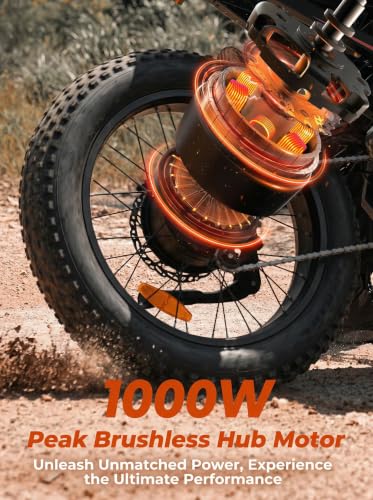
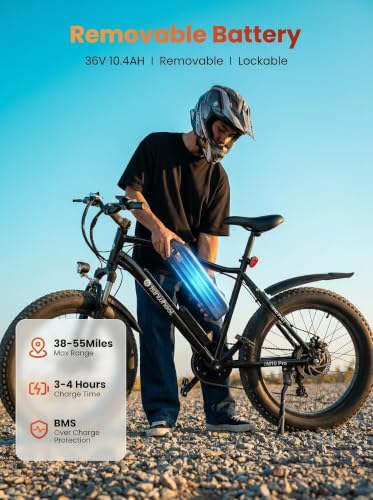
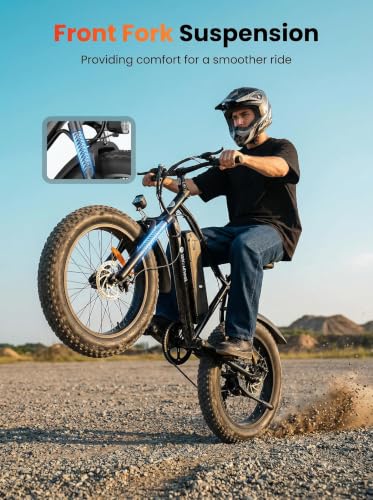
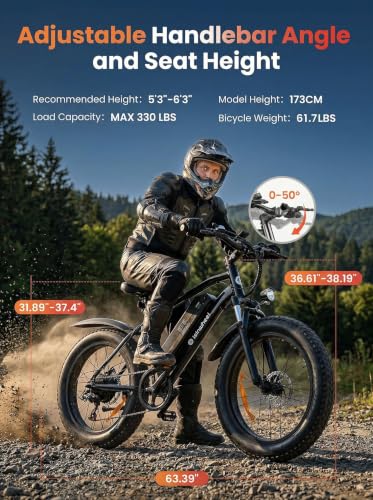
The isinwheel M10 Pro markets itself as a 4-in-1 ebike, and honestly, it backs up the claim. With 20″x4.0″ fat tires, front suspension, a 1000W peak motor, and a USB phone charging port, it’s clearly designed for riders who want one bike to handle city streets, snow-covered trails, beach paths, and campus commutes. At nearly $400, it’s priced competitively against models that offer less versatility.
What impresses me most is how much utility they packed in: the removable downtube battery is sleek, the BMS protection adds reliability, and the 90% pre-assembly saves time and frustration. Owners say setup takes about 30 minutes, and the included video guide actually helps. While pure electric range caps around 35 miles, pedal-assist stretches it close to 55, solid for the class. For teens who want a do-it-all machine without overspending, this is hard to beat.
Product photos

Loeook 26″ Electric Mountain Bike

Strengths
- Larger 26” wheel stability
- Affordable pricing
- 7-speed flexibility
Trade-offs
- Shorter pure-electric range
- Basic display interface
- Entry-level componentry
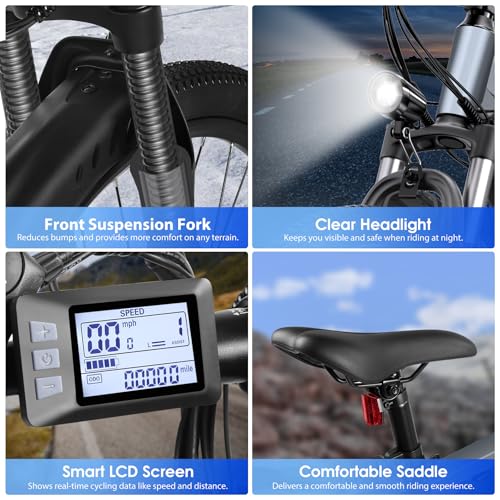
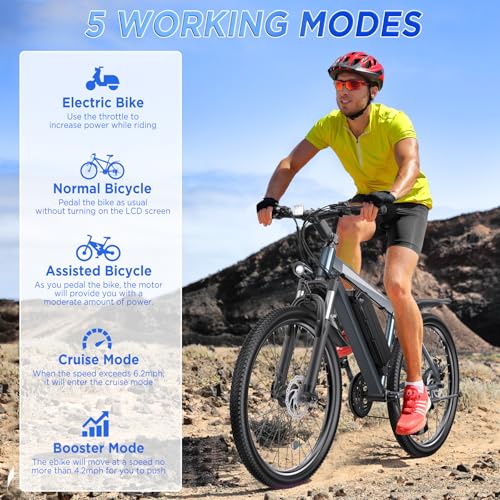
At just $240, the Loeook ebike is arguably the best value for taller teens, those between 5’3” and 6’1”, who want a full-size ride without breaking the bank. The 26” wheels offer superior roll-over ability and highway-like stability compared to 16” models, and the 7-speed drivetrain lets riders adapt to hills and headwinds efficiently. The 1000W peak motor may sound modest, but paired with pedal assist, it climbs reasonably well.
It’s worth noting that while the battery capacity is lower than some competitors (48V 10.4Ah equivalent), actual owner reports show 40–50 mile PAS ranges under mixed conditions, perfectly usable. Pre-assembly is 85%, so final setup isn’t overly taxing, and the inclusion of a 12-month warranty and lifetime support is a nice trust signal. Among budget 26” ebikes, this one stands tall, literally.
Product photos



Qlife Spark D1 Mini Ebike
Strengths
- Beginner-friendly handling
- Full suspension comfort
- UL-certified safety
Trade-offs
- Overstated range claims
- Smaller frame limits growth
- Not for aggressive terrain
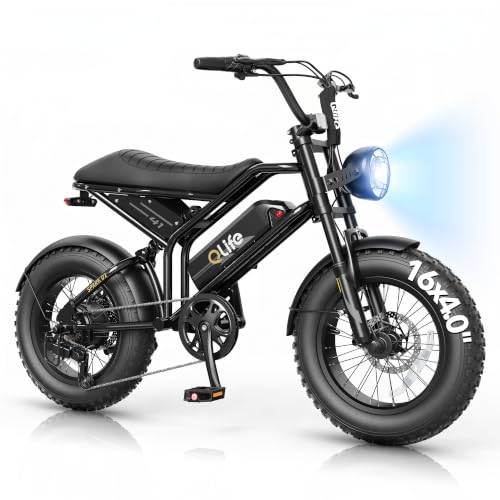
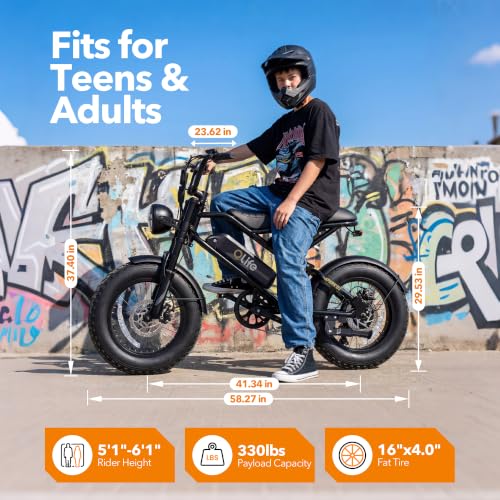
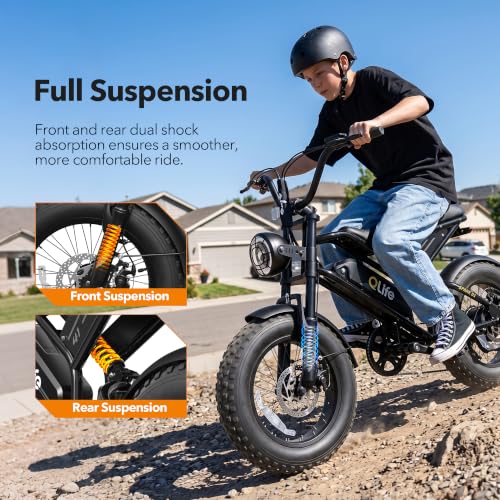
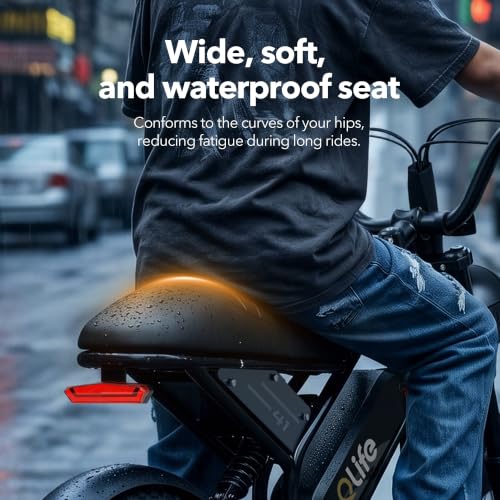
The Qlife Spark D1 stands out as one of the most approachable ebikes for younger teens stepping into electric riding. With its 500W motor and 1500W peak output, it delivers enough punch for neighborhood cruising and light trails without overwhelming new riders. The 16″ fat tires and full suspension make bumpy sidewalks or gravel paths far more manageable, which I appreciate in a beginner-oriented build.
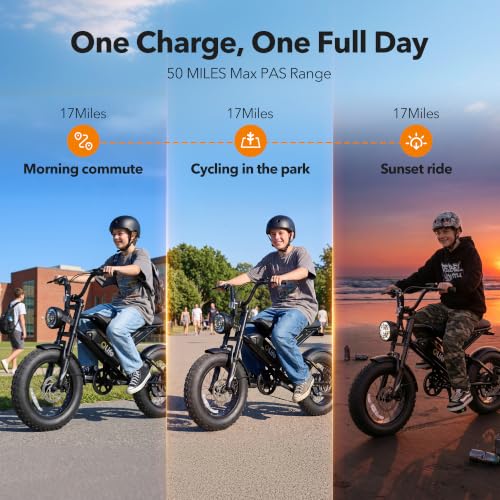
Owners consistently report it’s easy to assemble and confidence-inspiring for first-time riders. While the claimed 60-mile range is optimistic under real-world conditions, many still get solid mid-range performance from the 48V 13Ah battery, enough for school commutes or weekend loops. UL certification on both battery and electrical system adds peace of mind, especially for parents.
Product photos

ADISTAR 16″ Long Range Ebike
Strengths
- Exceptional battery range
- Color LCD display
- Strong climbing performance
Trade-offs
- Build quality inconsistent
- Light-duty frame
- Fewer gear options
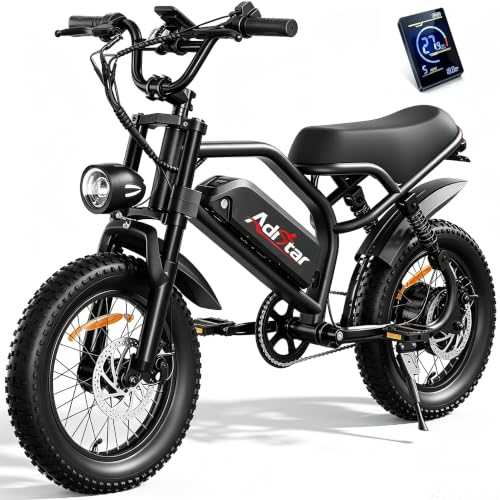
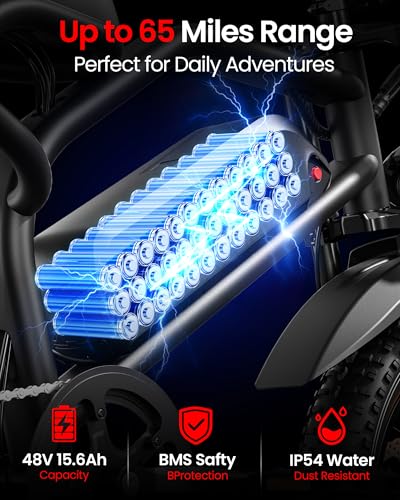
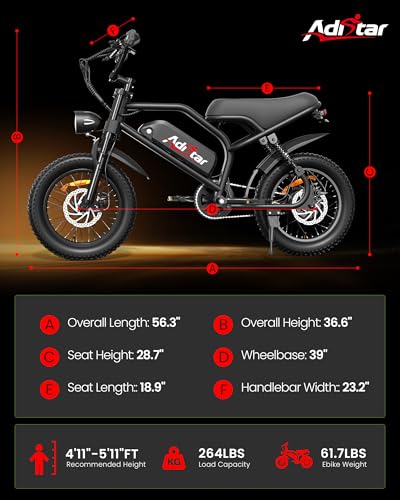
On paper, the ADISTAR 16” ebike punches way above its price tag, especially with that 48V 15.6Ah battery promising up to 65 miles of range. That kind of capacity is rare at this level and makes it a standout for teens who want to ride longer without charging anxiety. The 750W motor (1500W peak) gives strong hill-climbing ability, and reviewers note smooth power delivery even on inclines up to 30°.
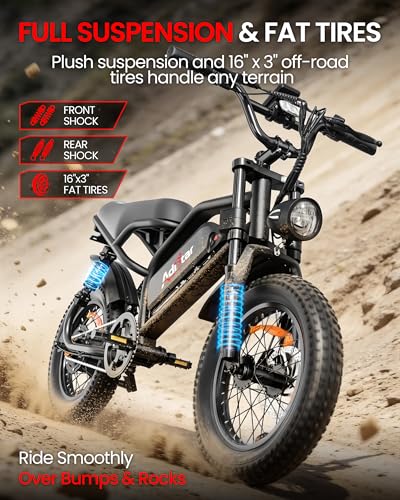
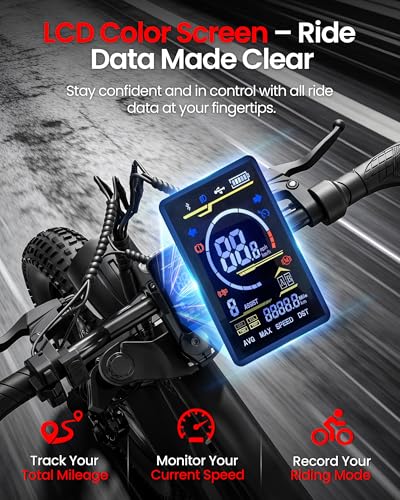
I also like the inclusion of a color LCD display, it’s not just functional but helps riders stay aware of speed, mode, and battery life at a glance. Full suspension and 16” fat tires mean decent off-road readiness, though the lightweight frame isn’t built for hardcore trail abuse. For the price, it’s an impressive blend of range, tech, and all-terrain intent.
Product photos

How We Picked These ebikes for teenagers
Rather than a hands-on lab test, my research focused on a detailed comparison of published specifications and features across numerous models. I weighed owner reviews from multiple sources, alongside assessments from reputable cycling and tech publications. As someone who’s spent years immersed in the world of two-wheeled vehicles, I applied my understanding of what makes a good ride – and what makes sense for a teen rider – to rank these options against clear criteria.
For ebikes aimed at teenagers, I prioritized motor power and battery range above all else. A strong motor (750W or higher peak) provides the confidence and ability to handle hills and varied terrain, while a solid range (at least 30 miles) allows for genuine freedom and exploration. Safety features, like reliable brakes and included lights, were also heavily weighted, as were considerations for ease of use and overall build quality. Understanding the overlap with options for younger riders, I also looked at resources like guides to safe ebikes for pre-teens.
Specifications reliably reveal the core capabilities – motor wattage, battery voltage and amp-hours (which translate to range), and brake type. However, owner feedback proved crucial for gauging real-world performance and durability. I paid close attention to comments regarding build quality, comfort, and the accuracy of advertised ranges. Reputation, too, played a role, favoring brands known for producing reliable and well-supported products, and steering clear of options that don’t offer good value electric bikes.
How To Pick The Right ebikes for teenagers
Picking the right ebike for a teenager requires a bit more thought than just grabbing the flashiest model. We need to balance power, safety, and practicality to ensure a positive experience.
A good ebike for a teen prioritizes controlled power delivery, durable construction suited to varied riding surfaces, and features that enhance safety. Key considerations include motor wattage appropriate for the rider’s experience, a reliable braking system, and a frame size that allows for comfortable handling and control. Battery range and overall weight are also important factors.
Motor Power and Rider Experience
The temptation with ebikes is to jump straight for the highest wattage, but that’s a mistake with younger riders. A 1500W peak motor can be fun, but it’s best suited for teens who already have solid bike handling skills. For a first ebike, or for a less experienced rider, consider starting with a 500W to 750W motor. These offer plenty of assistance for hills and longer distances, without being overwhelming. Look for models like the ebikes for teens we’ve reviewed that offer multiple power settings so the rider can learn to manage the assistance gradually.
Frame Size and Suspension
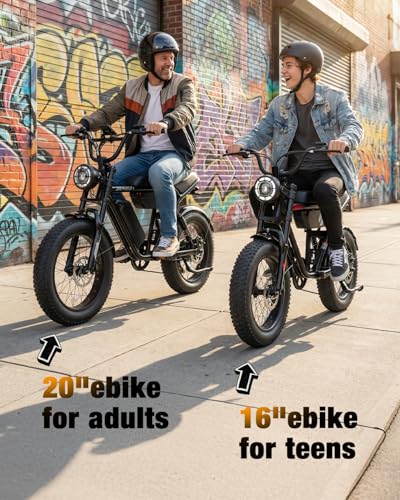
Fit is crucial. An ebike that’s too large or too small will be difficult to control and potentially dangerous. Most manufacturers list recommended rider heights for their bikes, so pay close attention to those. For many teens, a 20-inch or 26-inch wheel size will offer the best balance of maneuverability and stability. Suspension is also key, especially if the bike will be ridden on anything other than perfectly smooth pavement.
Here’s what to look for in suspension: * No Suspension: Acceptable for very smooth surfaces only. * Front Suspension: A good starting point for mixed riding, absorbing bumps on the front wheel. * Full Suspension (Front & Rear): Offers the most comfortable ride and best control on rough terrain, but adds weight and complexity.
Don’t overlook the importance of a step-through frame. These frames make mounting and dismounting easier, which is especially helpful for newer riders.
Value, Features, and Long-Term Cost
Ebikes are an investment, and while it’s tempting to splurge on the most expensive model, there are plenty of excellent options available at more reasonable price points. If budget is a concern, there are plenty of quality cheap electric bikes available. Prioritize features that add real value: a removable battery for convenient charging, a reliable braking system (hydraulic disc brakes are preferable), and a sturdy frame.
Don’t buy an ebike based on looks alone. A well-built, properly sized bike with a reliable motor and braking system will provide years of enjoyment and a safer riding experience.
Ebikes for Teenagers Compared
Here’s a comparison of key specifications for ebikes designed for teenagers, to help you find the best fit.
| Product Name | Motor (Peak W) | Battery (V/Ah) | Range (Miles – PAS) | Tire Size | Suspension |
|---|---|---|---|---|---|
| ESKUTE V100 | 1500 | 48/13 | 60 | 16″ x 4.0″ | Dual |
| Foldable Electric Bike | 700 | 48/10 | 30-35 | N/A | N/A |
| URLIFE Folding Commuter | 500 | N/A | 40 | N/A | Multi |
| Hopepeak D10 | 1500 | 48/13 | 60 | 16″ x 4.0″ | Full |
| isinwheel M10 Pro | 1000 | 36.5/10.4 | 40-55 | 20″ x 4.0″ | Front |
| Loeook 26″ Electric Mountain | 500 (1000 Peak) | 48/374.4Wh | 40-50 | 26″ | Front |
| Qlife Spark D1 Mini | 500 (1500 Peak) | 48/13 | 50 | 16″ x 4.0″ | Full |
| ADISTAR 16″ Long Range | 750 (1500 Peak) | 48/15.6 | 65 | 16″ | Full |
Frequently Asked Questions
What’s the typical lifespan of an ebike battery for a teenager?
A typical ebike battery will last between 300 and 500 full charge cycles. After that, the battery’s capacity will gradually diminish, but it should still hold a significant charge for several years with proper care.
Are there specific regulations regarding where teenagers can ride ebikes?
Regulations vary widely by location, but many areas treat ebikes similarly to bicycles, allowing them on bike paths and roads. However, some states or municipalities may have age restrictions or speed limits for ebike use, so it’s vital to check local laws.
How much maintenance does an ebike typically require?
Ebikes require similar maintenance to traditional bicycles – regular chain lubrication, brake adjustments, and tire inflation. Additionally, the electrical components should be inspected periodically, and the battery should be stored properly when not in use, but overall they aren’t dramatically more involved than a standard bike.
What’s the best way to store an ebike during the off-season?
The battery should be stored indoors at a moderate temperature (around 60-70°F) with a 50% charge. The bike itself should be kept in a dry place to prevent corrosion, and tires should be inflated to maintain their shape. Consider a quality ebike locks to deter theft.
Are more expensive ebikes always better for teenagers?
Not necessarily. While higher-priced models often feature better components and build quality, a more affordable option might be sufficient for a teen’s needs, especially if they are new to ebikes. Many budget-friendly ebikes offer a great balance of features and value.
The Bottom Line
Choosing an ebike for a teenager often comes down to balancing the desire for power with the need for control and safety. While models like the ESKUTE V100 boast impressive specs, for many teens – especially those newer to ebikes – the Loeook 26″ Electric Mountain bike strikes an excellent balance of capability and manageability. It offers enough assistance for hills and longer rides, without being intimidating, and provides a solid foundation for developing good riding habits.
For riders prioritizing affordability, the URLIFE Folding Commuter is a strong contender. Those seeking maximum versatility, particularly if they’re looking for something that can handle a variety of terrain, should seriously consider the Hopepeak D10. Remember, finding the right fit and prioritizing safety – including quality ebike helmets – are crucial steps.
Ultimately, the best ebike isn’t about the highest wattage or longest range. It’s about finding a bike that inspires confidence, encourages responsible riding, and provides a fun and safe experience. Prioritize a comfortable fit, reliable brakes, and a motor power level appropriate for the rider’s skill. A good starting point for many will be exploring beginner electric bikes to find the right fit.
