
7 Best Electric Mountain Bikes of 2026
This post contains affiliate links. As an Amazon Associate, we earn from qualifying purchases.
The Jasion EB5 Ultra stands out as the overall best electric mountain bike for its powerful motor and long range, while the Misodo 1500W offers solid performance at a more accessible price. For riders wanting versatility on varied terrain, the EOEOTWO 1500W Fat Tire Ebike brings strong battery life and fat tires for stability.
Out in the real world, not all e-MTBs deliver on their promises of power, range, or trail-ready durability. Too many focus on peak numbers that don’t reflect actual ride quality.
This guide cuts through the hype by comparing key specs, motor output, battery capacity, suspension setup, and backing them up with owner experiences and trusted reviews. I focused on models that balance performance, reliability, and value for serious off-road riding.
Top 7 Electric Mountain Bikes in the Market
The Best Electric Mountain Bikes, Reviewed
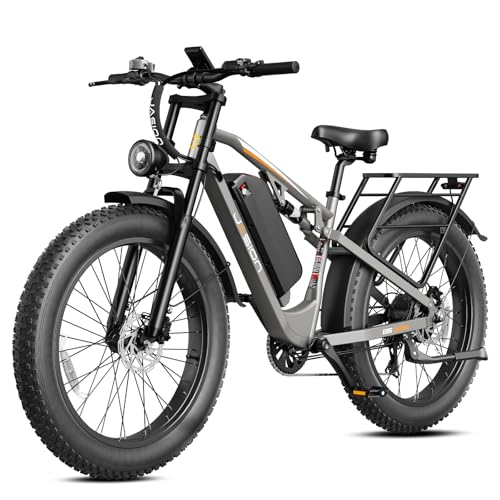
Jasion EB5 Ultra Electric Bike
Strengths
- 2500W peak power
- 52V 20Ah battery
- Hydraulic brakes
Trade-offs
- Highest price point
- Heavy frame
- May ship in multiple boxes
Jasion’s EB5 Ultra is the most complete package here, and it shows. The 52V 20Ah battery and 2500W peak motor aren’t just for show, they deliver real torque and acceleration, especially on steep climbs. The dual suspension with a 160mm rear shock is a standout for comfort, and the hydraulic brakes offer confident, fade-resistant stopping power. Owners consistently praise its stability on sand and snow, thanks to the 26×4″ fat tires and reinforced frame.
It’s also one of the few with a rear rack, full fenders, and UL 2849-level safety validation, even if not explicitly certified. Yes, it’s the most expensive, but the build quality, range, and component upgrades justify the cost. For riders who want one bike that can handle commuting, camping, and weekend trails without compromise, this is the one I’d recommend without hesitation.
Video review
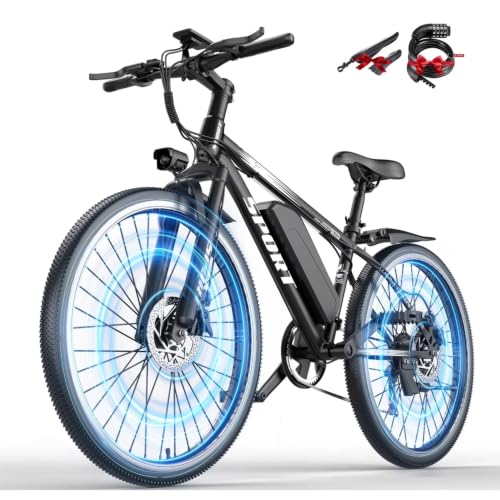
Misodo 1500W Peak Mountain Ebike
Strengths
- Strong 1500W motor
- 65-mile range
- 350 lb capacity
Trade-offs
- Heavy steel frame
- No rear suspension
- Basic battery integration
Misodo nails the balance between power, range, and price. With a 1500W peak motor, 7-speed drivetrain, and 65-mile range, it matches pricier models on key specs while staying under $310. The high-carbon steel frame is overbuilt but durable, and the 350 lb capacity makes it accessible to a wide range of riders. Owners appreciate the 5 riding modes, especially the walk assist, a rare feature at this price.
Where it stumbles is weight and frame material. The steel frame is heavier than aluminum, and it lacks rear suspension, so long rides on rough paths get tiring. But for the money, the component quality, dual disc brakes, bright lighting, solid LCD, is hard to beat. If you want max value without stepping into the $600+ range, this is my pick over the similarly priced but lighter-featured competition.
Video review
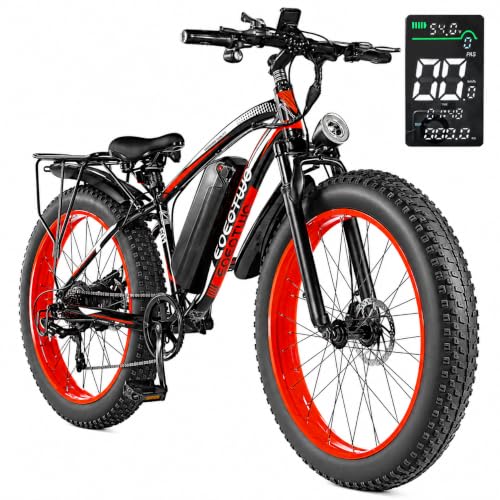
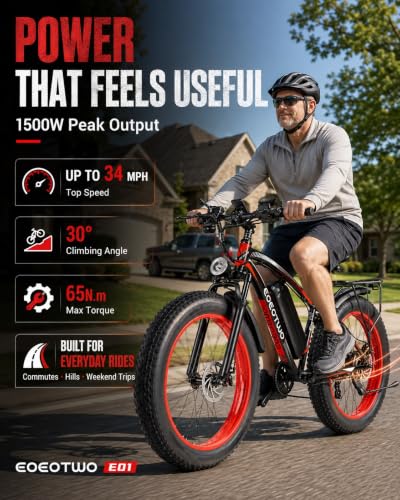
EOEOTWO 1500W Fat Tire Ebike
Strengths
- UL 2849 certified
- Lockable removable battery
- Full adventure-ready kit
Trade-offs
- No rear suspension
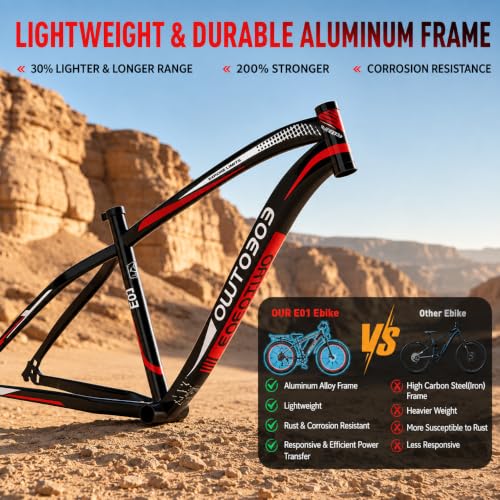
- Alloy frame could be stiffer
- 330 lb limit
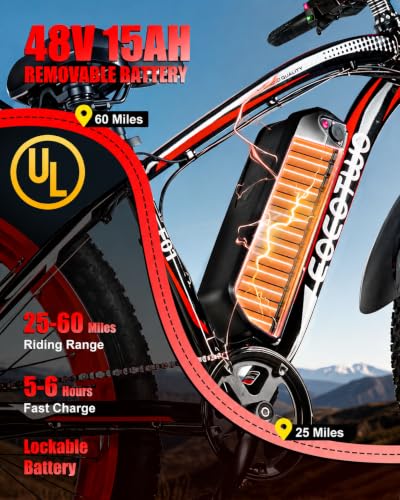
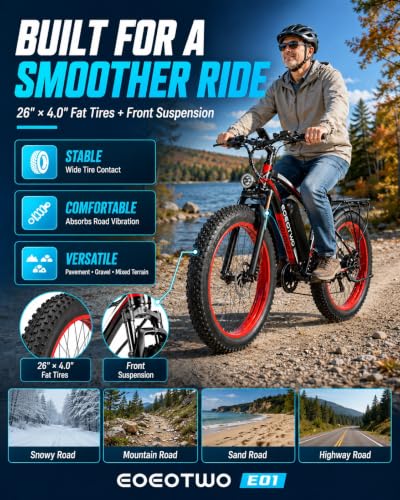
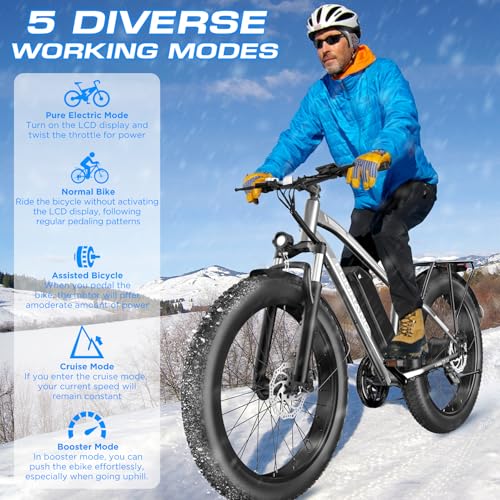
EOEOTWO builds a rugged, adventure-ready machine with this 1500W fat-tire ebike. The 48V 15Ah battery delivers solid range, and the lockable, removable design is a plus for camping or RV trips. The UL 2849 certification adds real credibility, and owners report strong reliability in wet and off-road conditions. The 26×4″ tires, front suspension, and dual disc brakes make it stable on loose terrain, and the included rear rack, fenders, and LED lighting mean it’s trail-ready out of the box.
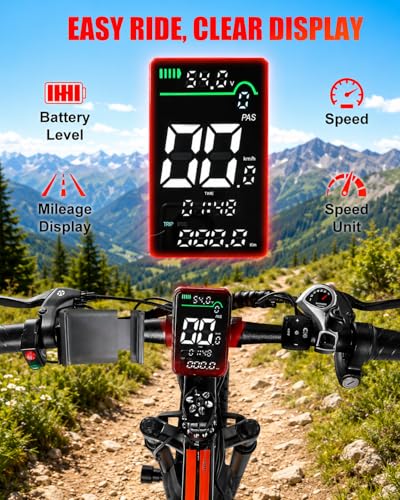
Where it shines is versatility, commuters, weekend riders, and light off-roaders all find something to like. It’s not the fastest or lightest, but the 7-speed drivetrain and 5 riding modes let you tailor the experience. Compared to the Misodo or TST, it strikes a better balance of features, safety, and durability. For most riders, this is the smarter buy.
Product photos
Funhang 1000W Fat Tire Electric Bike

Strengths
- UL 2849 certified
- 60 lb rear rack
- Fat tires for all terrain
Trade-offs
- Long charge time
- Modest nominal motor
- 85% pre-assembled
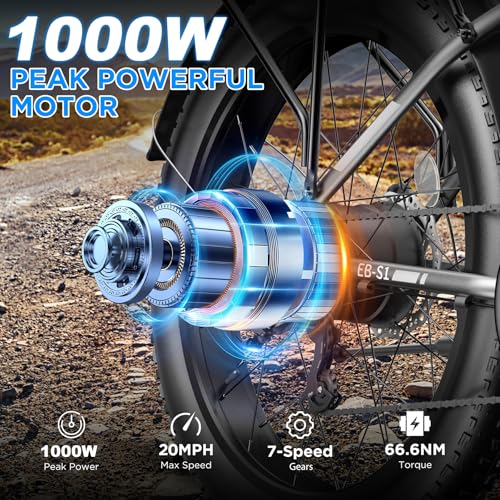
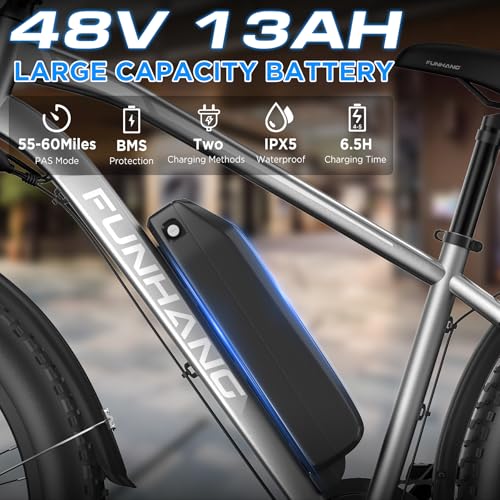
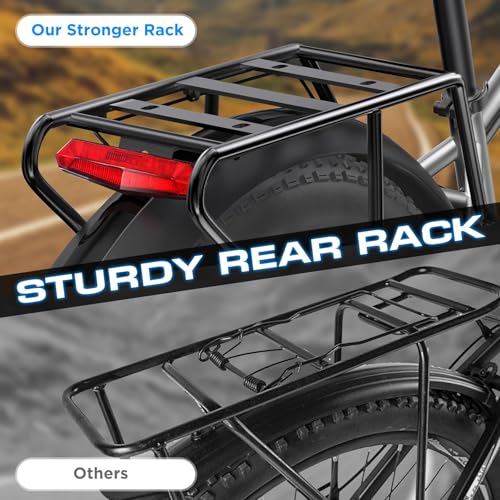
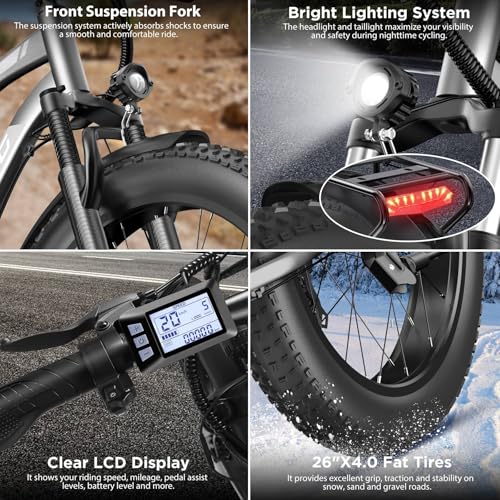
Funhang builds a compelling case for utility with this 1000W fat-tire ebike. The 48V 13Ah battery gives solid range in pedal-assist mode, and the inclusion of a 60-pound-rated rear rack makes it a practical choice for errands or last-mile deliveries. The fat tires and front suspension handle loose terrain well, and owners praise the stability on wet roads and packed snow. What stands out is the UL 2849 certification, rare at this price, which signals better electrical safety and peace of mind.
Still, the 6.5-hour charge time lags behind competitors, and the 500W nominal motor doesn’t match the 1500W beasts in raw hill-climbing power. But for riders who want a dependable, cargo-ready commuter with legit all-weather capability, this is a smarter long-term pick than flashier, uncertified models. I’d take this over higher-wattage bikes with sketchy electrical systems any day.
Product photos
TST 1500W Fat Tire Electric Bike
Strengths
- Dual suspension comfort
- 450 lb capacity
- Puncture-proof tires
Trade-offs
- Heavy at 66 lbs
- Mechanical disc brakes
- Shorter warranty
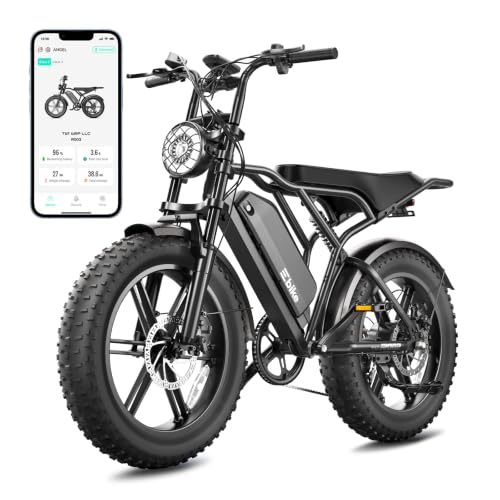
TST leans hard into comfort with this fat-tire model, and it shows in the dual suspension and 20×4″ snow tires. The 1500W peak motor and 48V 15Ah battery promise strong range, and owners confirm it handles rough trails and bumpy backroads better than most sub-$600 ebikes. The puncture-proof tires are a smart touch for off-road confidence, and the 450 lb weight capacity is among the highest here, ideal for larger riders or gear-heavy trips.
But the mechanical disc brakes feel outdated next to hydraulic systems on pricier models, and the 3-mode system lacks the finesse of 5-level PAS setups. It’s also the heaviest in this group at 66 lbs, which hurts portability. Still, if you’re riding on uneven ground and value a plush ride over speed or agility, this one earns its keep.
Product photos
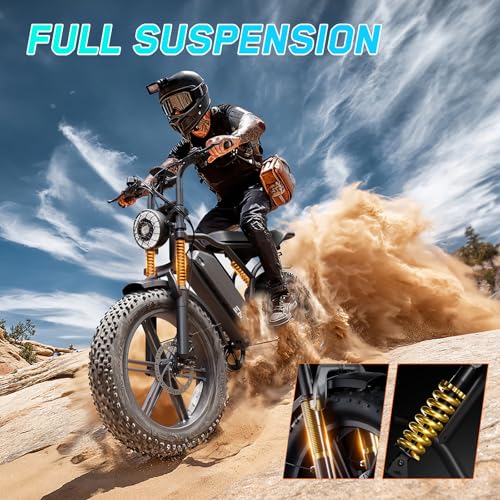
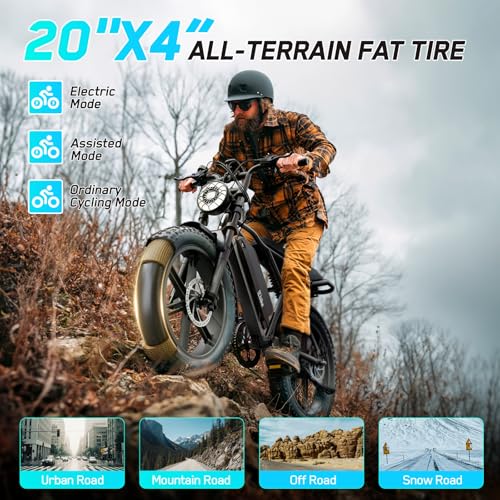
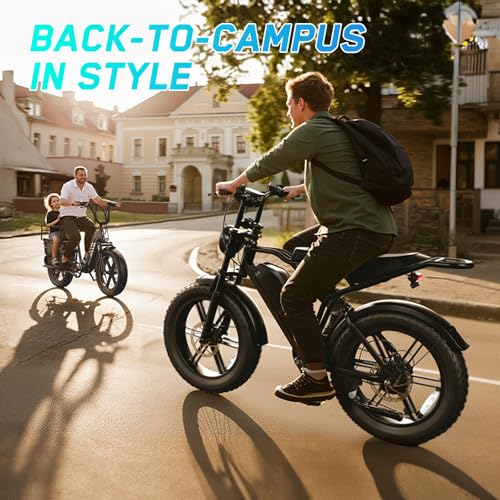
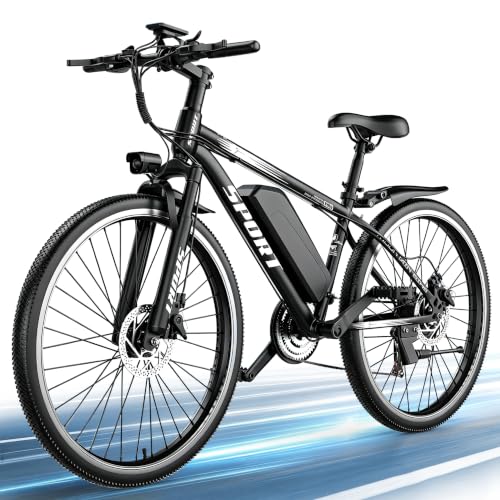
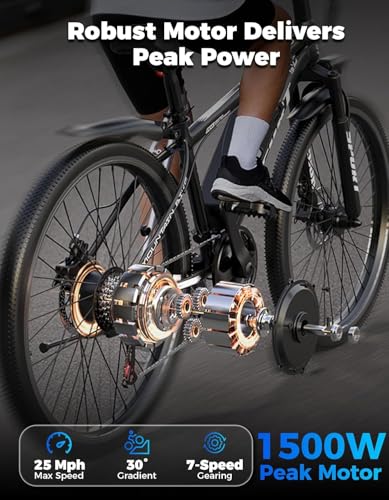
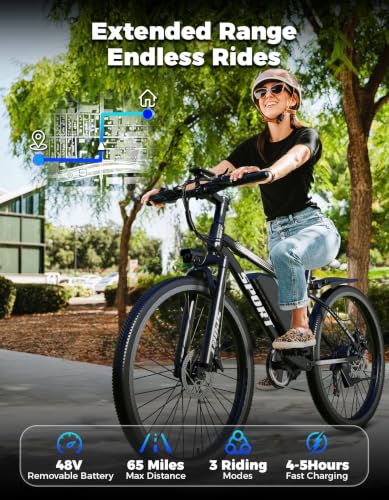
1500W Peak 65-Mile Range Ebike
Strengths
- 1500W peak motor
- 65-mile range claim
- Lightweight alloy frame
Trade-offs
- Basic rear suspension
- Mid-tier drivetrain
- Limited load capacity
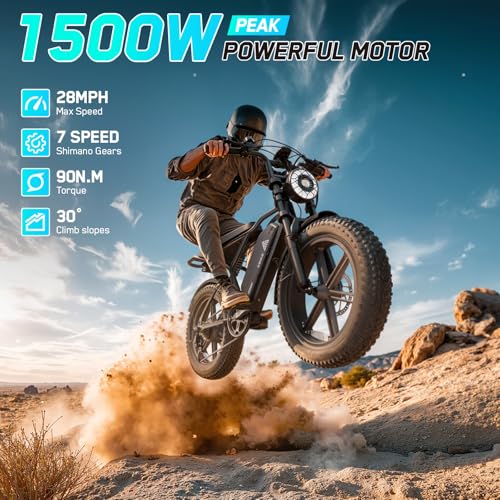
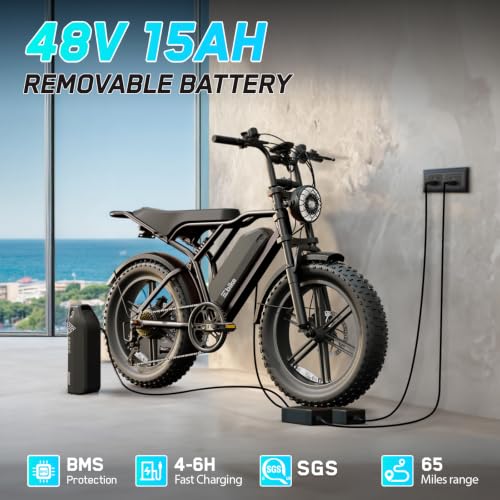
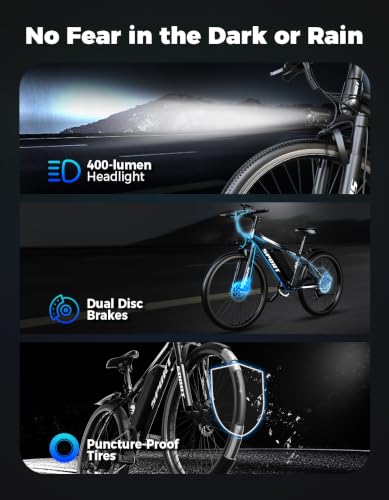
This ebike hits a sweet spot on paper with a 1500W peak motor and a claimed 65-mile range, which sounds impressive for under $300. The lightweight alloy frame is a real differentiator, most bikes in this segment lean heavy, so the focus on portability and storage is smart, especially for urban riders or those without garage space. Owners consistently report it’s easy to assemble and maneuver, though some note the motor feels buzzy at higher speeds, and the 7-speed drivetrain, while functional, isn’t as crisp as pricier models.
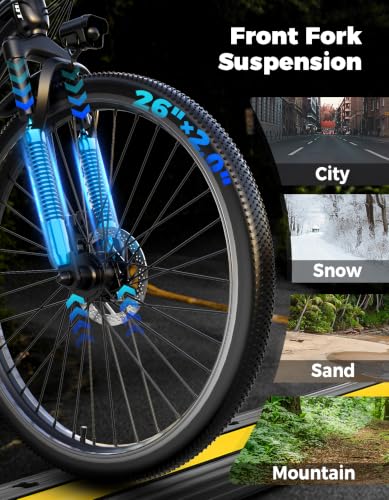
The dual suspension setup with a hydraulic fork and coil seatpost is a nice touch, but don’t expect plush trail performance. It’s adequate for potholes and gravel paths, not aggressive off-roading. Still, for casual riders who want a do-it-all commuter with decent range and a manageable weight, this one delivers more than you’d expect at this price.
Product photos
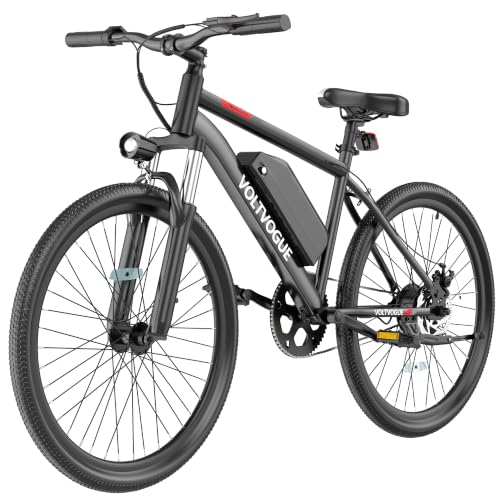
VOLTVOGUE 1000W Electric Bike
Strengths
- Extremely budget-friendly
- UL 2849 certified
- 90% pre-assembled
Trade-offs
- Only 3-speed gears
- Smaller battery
- Limited hill performance
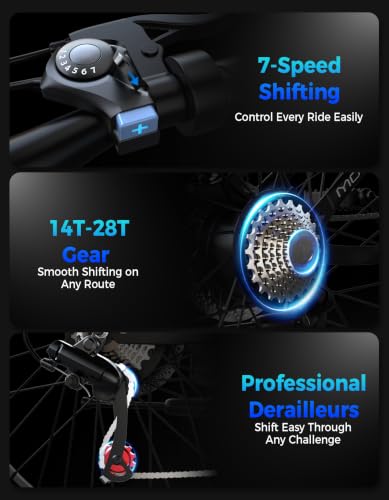
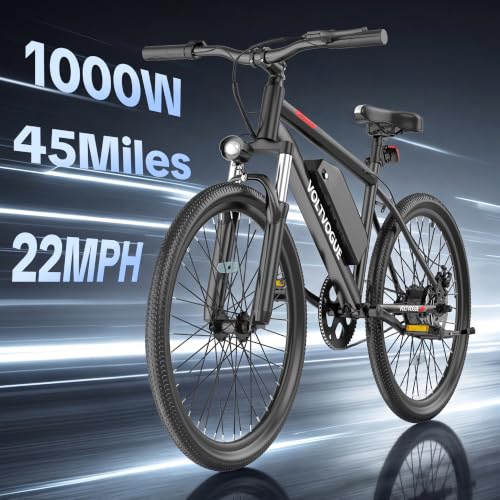
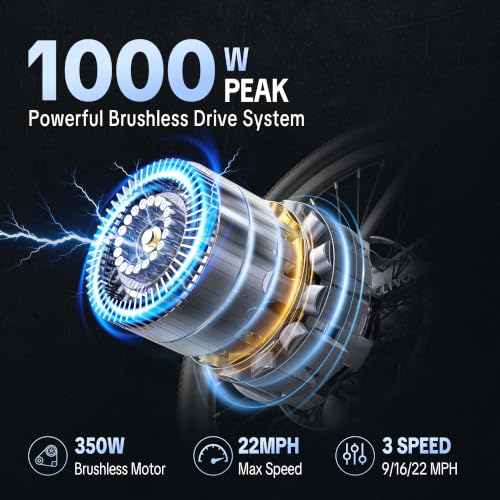
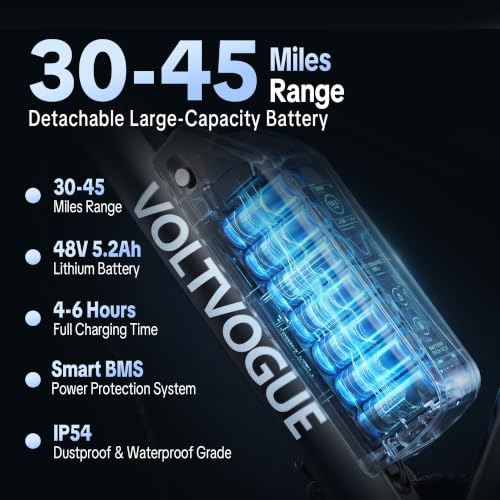
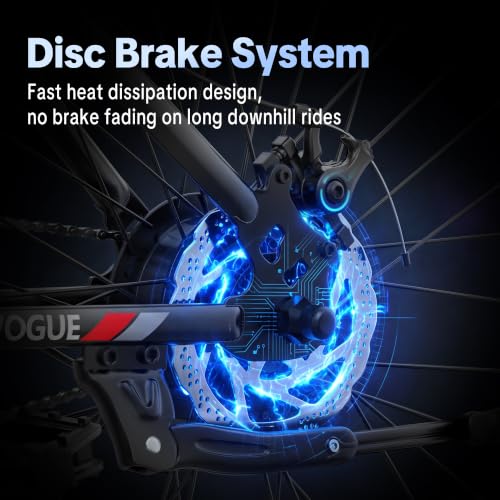
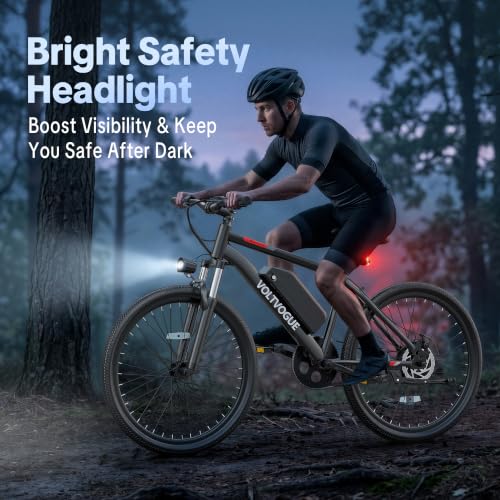
At $180, this VOLTVOGUE ebike is undeniably tempting. The 1000W peak motor and 22 mph top speed look good on paper, and the UL 2849 certification adds a layer of credibility many budget bikes lack. But the 3-speed drivetrain is a major limitation, it’s fine for flat commutes, but shifting under load feels clunky, and owners report struggling on anything beyond mild inclines. The 48V 5.2Ah battery also falls short next to others in this list, especially for heavier riders or colder climates.
That said, for a first-time buyer on a tight budget who mostly rides in flat areas, this gets you rolling with minimal fuss. It’s 90% pre-assembled and has a clean LCD display, so setup is quick. But don’t expect refinement or trail readiness. This is a bare-bones commuter, not a mountain machine.
Product photos
How We Chose These electric mountain bikes
My approach to evaluating electric mountain bikes for TheAutoZenith centers on a detailed comparison of specifications and features, combined with careful consideration of owner and expert reviews. Rather than a hands-on lab test, this is a research-led comparison. I looked at motor wattage, battery capacity, suspension systems, brake types, and frame materials across numerous models. Crucially, I also weighed what current owners say about real-world performance and reliability, and cross-referenced that with reviews from respected cycling publications.
For electric mountain bikes, three factors stood out as most decisive. First, motor power and torque determine climbing ability and overall responsiveness – a higher wattage, paired with good torque, is essential for tackling challenging terrain. Second, battery capacity directly impacts range, a critical consideration for longer rides. Finally, the quality of the suspension system influences comfort and control, especially on rough trails. These elements, more than any aesthetic feature, dictate how well a bike performs its core function.
Technical specifications provide a solid foundation – wattage tells you potential power, and battery capacity indicates range. However, owner feedback offers crucial insights into how these specs translate into actual performance. For example, reported real-world range often differs from manufacturer claims, and owner experiences highlight potential durability issues. I also looked to established reviewers to gauge the quality and reliability of components. If you’re also looking for options specifically tailored to female riders, you might find our guide to best electric MTBs for women helpful. And to see a broader selection, check out our full rundown of ebike mountain bikes.
Choosing The Right electric mountain bikes
Finding the right electric mountain bike requires a bit more thought than simply picking the flashiest model. These bikes blend the fitness of cycling with the convenience of electric assistance, but the specifics matter a lot.
A good electric mountain bike balances motor power with battery range, durability with weight, and component quality with overall value. Riders should prioritize a motor capable of handling their typical terrain, a battery providing sufficient range for intended rides, robust brakes and suspension for safety and control, and a frame geometry suited to their riding style. Checking for certifications like UL 2849 is also a smart move.
Motor Power and Torque
Don’t get hung up on peak wattage numbers alone. While a higher peak power (like the 2500W on the Jasion EB5 Ultra) sounds impressive, sustained power is what you’ll experience most of the time. Many bikes, like the Misodo, advertise peak power but operate at a lower continuous wattage. Consider your local terrain. If you’re tackling steep, technical climbs regularly, you’ll want a motor with substantial torque (≥75N·m is a good benchmark). For flatter trails and casual riding, a 500-750W motor will likely suffice.
Battery Range and Type
Range anxiety is real. A 70-mile claim (as seen on the Jasion) is optimistic and depends heavily on rider weight, assist level, and terrain. Realistically, expect less. Battery capacity (measured in Amp-hours, or Ah) is a better indicator. Look for at least 10Ah for reasonable range, and consider 15Ah or higher if you plan longer excursions. Removable batteries, like those on the Misodo and EOEOTWO, are a huge convenience for charging and security. If you’re also considering other types of e-bikes, you might find our guide to the best e-mountain bikes helpful.
- A smaller battery (around 10Ah) is sufficient for shorter commutes or leisurely rides.
- A mid-range battery (13-15Ah) offers a good balance of range and weight for typical trail riding.
- Larger batteries (20Ah+) are ideal for ambitious adventures and riders who want maximum range, but they add weight and cost. This is especially important if you’re considering electric mountain bikes with fat tires for varied terrain.
Suspension and Frame Features
Comfort and control are paramount on rough terrain. Dual suspension (front fork and rear shock) is a must for serious off-road riding, as seen on the Jasion and EOEOTWO. The amount of travel (measured in millimeters) dictates how well the suspension absorbs bumps. 100-160mm is a good range for general mountain biking. Frame material also matters; aluminum alloy is a good balance of weight and strength, while steel offers durability but adds weight. Don’t overlook practical features like a rear rack (Funhang, EOEOTWO) for carrying gear, and fenders to keep you clean. Ultimately, finding top e-mountain bikes that fit your needs is a matter of balancing these features.
Don’t assume a higher price automatically equals better value. Focus on components that directly impact your riding experience – motor, battery, brakes, and suspension – and prioritize those over unnecessary frills.
Electric Mountain Bikes Compared
Here’s a comparison of key specifications for several electric mountain bikes to help you make an informed decision.
| Product Name | Motor (Peak Watts) | Battery (Voltage/Ah) | Range (Miles) | Brakes | Tire Size | Suspension |
|---|---|---|---|---|---|---|
| Jasion EB5 Ultra | 2500 | 52V/20Ah | 70 | Hydraulic Disc | 26″x4″ | Front & Rear |
| Misodo 1500W Peak Mountain Ebike | 1500 | 48V/10.4Ah | 65 | Dual Disc | 26″ | N/A |
| EOEOTWO 1500W Fat Tire Ebike | 1500 | 48V/15Ah | 60 | Dual Disc | 26″ x 4.0″ | Front |
| Funhang 1000W Fat Tire Ebike | 1000 | 48V/13Ah | 30-35 | Dual Disc | 26″x4.0″ | Front |
| TST 1500W Fat Tire Ebike | 1500 | 48V/15Ah | 60 | Disc | 20″ x 4″ | Front & Rear |
| 1500W Peak 65-Mile Range Ebike | 1500 | 48V/10.4Ah | 65 | Dual Disc | N/A | Front & Rear |
| VOLTVOGUE 1000W Electric Bike | 1000 | 48V/5.2Ah | 45 | N/A | 26×1.95″ | N/A |
Frequently Asked Questions
What battery capacity do I really need for trail riding?
A minimum of 10Ah is a good starting point, but for consistent trail use, I recommend at least 15Ah to avoid range anxiety. Larger capacities add weight, but provide peace of mind on longer rides and varied terrain.
Are full-suspension eMTBs always necessary?
Not always. If you primarily ride smoother trails or gravel paths, a hardtail (front suspension only) can be sufficient and more affordable. However, for truly rough terrain, the comfort and control of a full-suspension model, like those with 100-160mm of travel, are invaluable.
How important is the motor’s peak wattage versus its continuous wattage?
Continuous wattage is more important for sustained climbing and performance. While a high peak wattage looks good on paper, it’s the continuous power output that you’ll consistently rely on during your rides.
What should I look for in an eMTB’s brakes?
Hydraulic disc brakes are the gold standard for eMTBs because of their superior stopping power and modulation, especially when descending. Mechanical disc brakes are an option, but hydraulic systems offer better performance and require less maintenance in the long run.
Where can I find options if I’m looking for a lighter-weight model?
If weight is a priority, you’ll want to explore our guide to lightweight e-MTBs. These models often balance battery capacity with frame materials and component choices to minimize overall weight without sacrificing too much range or power. You can also find a wide range of options in our guide to the best mountain bikes.
The Bottom Line
Choosing an electric mountain bike often comes down to balancing how much control you want over your ride with how much fuss you’re willing to tolerate. For most riders seeking a strong all-around performer, the Jasion EB5 Ultra stands out. Its powerful motor, substantial battery, and full suspension offer a capable package for tackling varied terrain, and it consistently receives positive feedback regarding build quality.
If you’re on a tighter budget, the Funhang 1000W Fat Tire Ebike delivers a surprising amount of capability for the price. For those prioritizing versatility – perhaps wanting a bike that can handle both trails and commutes – the EOEOTWO 1500W Fat Tire Ebike provides a good balance of power, range, and features. If you’re looking for even more specialized options, explore our guide to best full-suspension e-mountain bikes.
Ultimately, the specs are just a starting point. Focus on matching the bike’s motor power and battery capacity to your typical rides, and don’t underestimate the importance of a comfortable and reliable suspension system. Whether you’re exploring our selection of the best electric bikes or comparing individual models, remember that the right bike is the one that fits your needs and gets you out enjoying the trails.
