
9 Best Electric Trail Bikes of 2026
This post contains affiliate links. As an Amazon Associate, we earn from qualifying purchases.
The Jasion EB5 Ultra stands as the overall best electric trail bike, offering a strong balance of power, range, and suspension. For budget-focused riders, the Droyd Ravage delivers solid performance at a lower price, while the COSWHEEL R6000 brings extreme motor output for those chasing raw capability.
Out on the trail, an underpowered or poorly built e-bike quickly becomes more frustration than fun. Heavy frames, weak brakes, and spotty range can ruin even the most scenic ride. At TheAutoZenith, I’ve spent years breaking down how two-wheeled machines perform, and for electric trail bikes, it’s about finding the right mix of durability, assist quality, and real-world reliability.
This guide cuts through the hype by focusing on specs that matter, like torque, battery longevity, and suspension design, while factoring in owner experiences and brand reputation. These picks aren’t based on a single test ride, but on a clear-eyed comparison of what these bikes deliver where it counts.
Top 9 Electric Trail Bikes in the Market
The Best Electric Trail Bikes, Reviewed
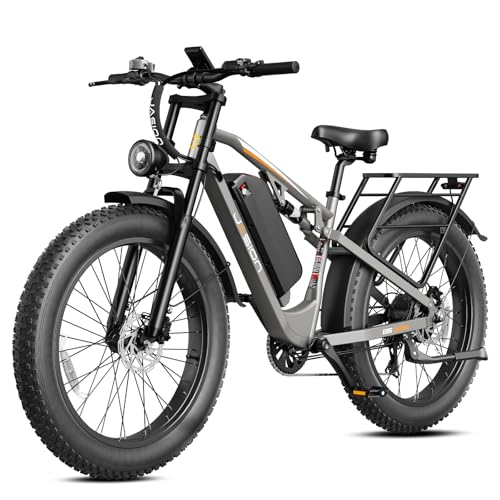
Jasion EB5 Ultra Electric Bike
Strengths
- 2500W peak motor
- 70-mile range
- 26″x4″ fat tires
- Dual suspension
- Removable battery
Trade-offs
- Bulky frame
- Longer charge time
- Not trail-optimized
The EB5 Ultra hits a sweet spot between performance, range, and real-world usability. With a 2500W peak motor and 52V 20Ah battery, it offers strong torque and up to 70 miles of range, owners confirm it handles steep hills and long rides without fading. The 26″x4″ fat tires provide excellent grip on sand, snow, and rocky trails, and the dual suspension soaks up bumps better than most in this price range.
It’s not the fastest or most extreme, but it’s the most balanced. Compared to the COSWHEEL R6000, it’s less aggressive off-road but far more practical for mixed use. I’d choose this over others for daily trail riding, commuting, or weekend adventures where reliability and comfort matter.
Video review
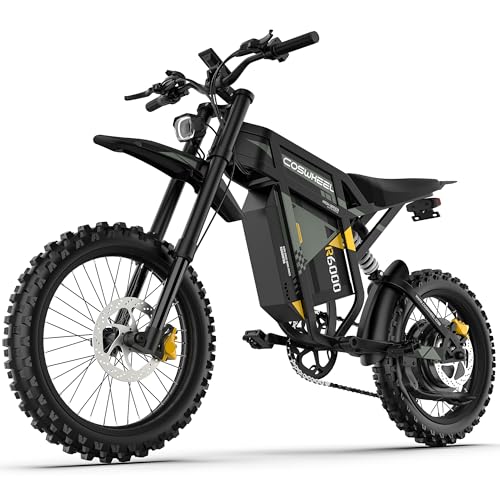
COSWHEEL R6000 Electric Dirt Bike
Strengths
- 7000W peak motor
- 60V 30Ah battery
- 17-inch dirt tires
- Dual suspension
- Hydraulic disc brakes
Trade-offs
- Heavy build
- Limited urban usability
- High power draw
This is the closest thing to a full-size electric motocross bike you can buy under two grand. On paper, the 7000W peak motor and 60V 30Ah battery are serious numbers, owners consistently report strong hill-climbing ability and rapid acceleration that rivals gas-powered trail bikes. The 17-inch dirt tires and dual suspension setup are built for real off-road abuse, not just paved paths or light gravel.
Compared to other bikes in this list, the R6000 isn’t trying to be a commuter or hybrid trail cruiser, it’s an all-in on raw power and off-road capability. Reviewers note it’s heavier and less nimble in tight trails than smaller models, but for riders who want to push limits on open terrain, this thing delivers. My pick if you’re after a true electric dirt bike experience.
Video review
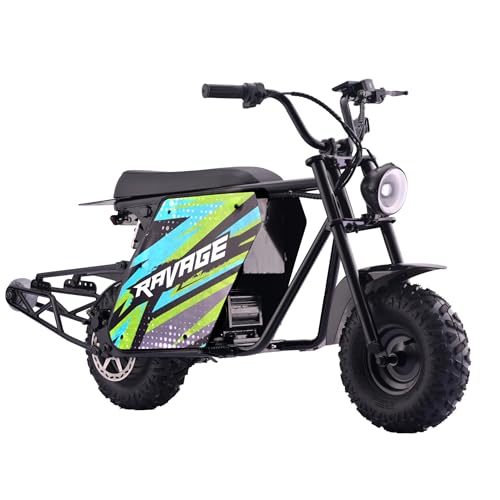
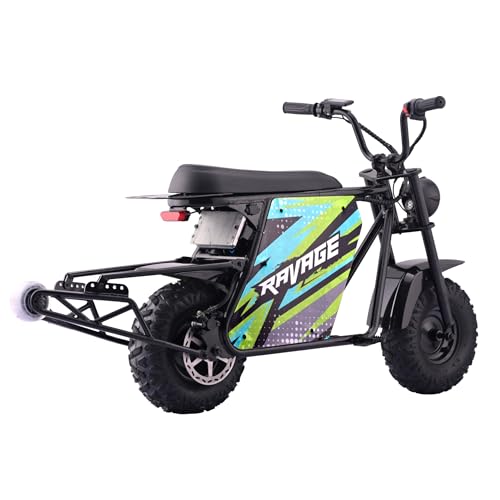
Droyd Ravage Electric Trail Bike
Strengths
- 35 mph top speed
- LFP battery
- Built-in wheelie bar
- Three speed modes
- Tubeless fat tires
Trade-offs
- 220 lb weight limit
- Not for long commutes
- Limited cargo capacity
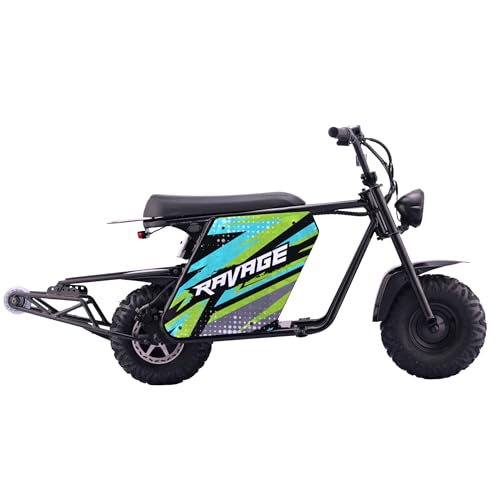
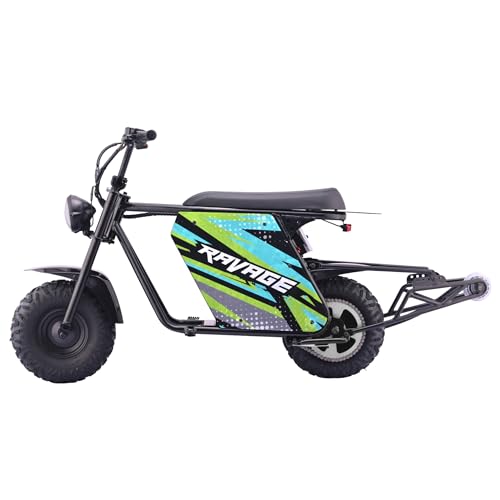
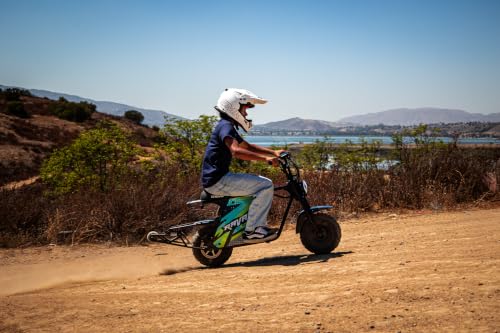
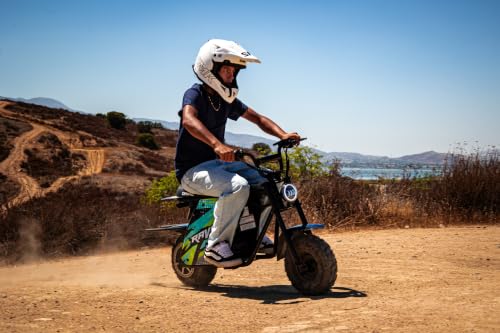
The Ravage stands out with its pit bike DNA, low seat height, compact frame, and that rare wheelie bar. With a 3000W motor and top speed of 35 mph, it’s built for fun, not function. The LFP battery is a smart touch, offering longer lifespan and better safety than standard lithium-ion, and owners report solid 50-mile range in real conditions.
It’s clearly aimed at younger riders or adults who want a mini dirt bike vibe. Compared to the ESKUTE V100 or ASKGO S9-2, it’s less about tech and more about ride character. I’d recommend it to teens or pit bike fans who want to practice tricks or just enjoy quick blasts on trails.
Product photos
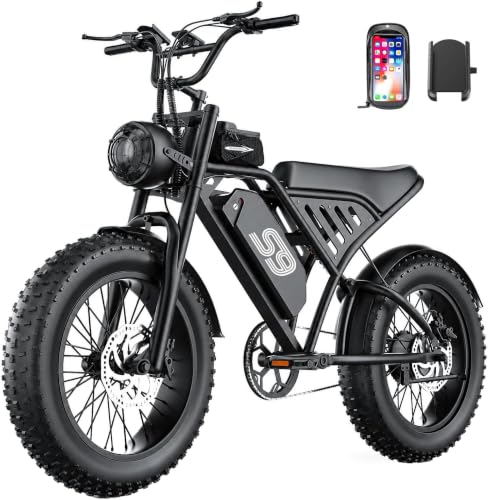
ASKGO S9-2 Electric Bike
Strengths
- NFC unlock system
- 2500W peak motor
- 65-mile range
- Intelligent LCD display
- Urban moped design
Trade-offs
- No LFP battery
- Limited off-road tuning
- Average suspension
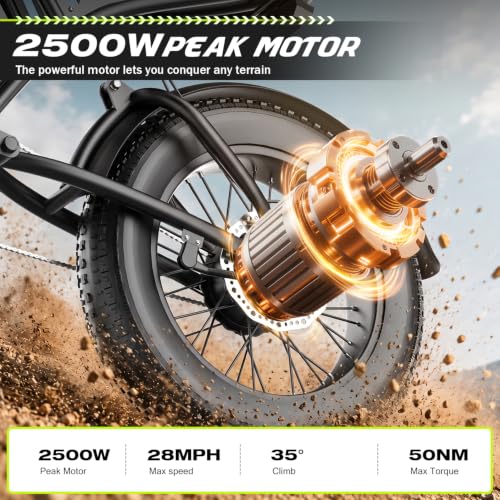
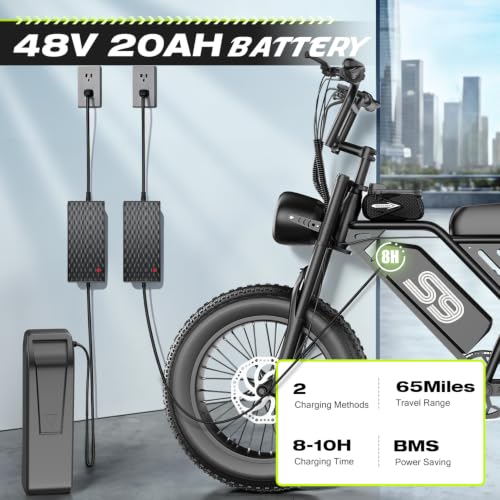
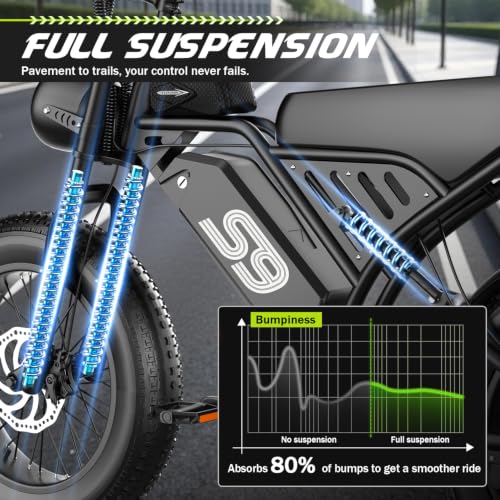
The ASKGO S9-2 stands out with its NFC unlock system, tap a card, and you’re riding. It’s a small touch, but in practice, owners love the keyless convenience. The 2500W peak motor and 48V 20Ah battery deliver up to 28 mph and 65 miles of range, making it one of the most tech-forward bikes here. The 16″ fat tires and dual suspension keep it stable on mixed terrain.
It’s not the fastest or most rugged, but for tech-savvy riders, it’s a standout. Compared to the ESKUTE V100, it’s more feature-rich and slightly faster. I’d recommend it to younger riders who value smart features and modern design over raw off-road power.
Product photos
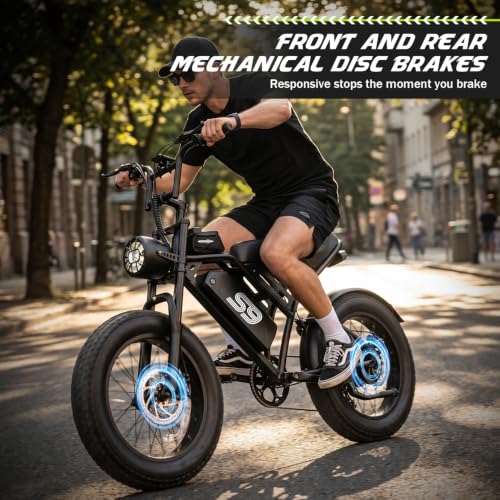
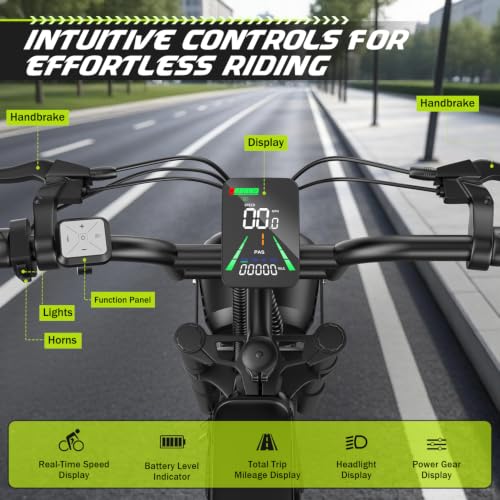
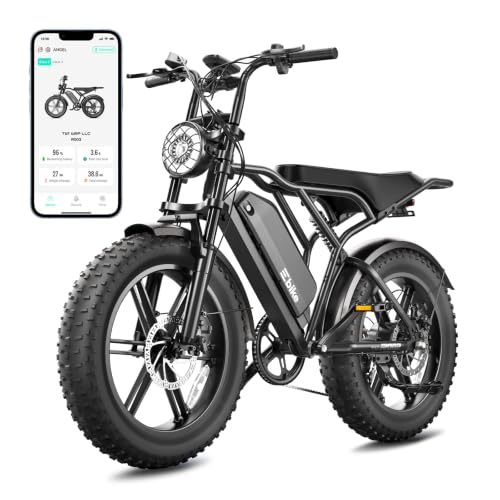
TST Electric Bike with Fat Tires
Strengths
- 60-mile PAS range
- 450 lb capacity
- Puncture-proof tires
- Dual suspension
- Removable battery
Trade-offs
- Mechanical disc brakes
- Slower acceleration
- Bulky design
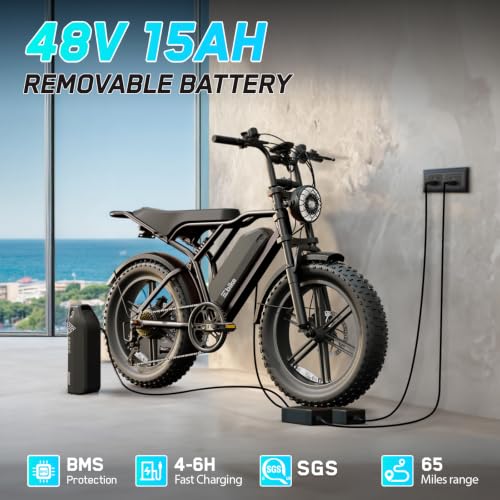
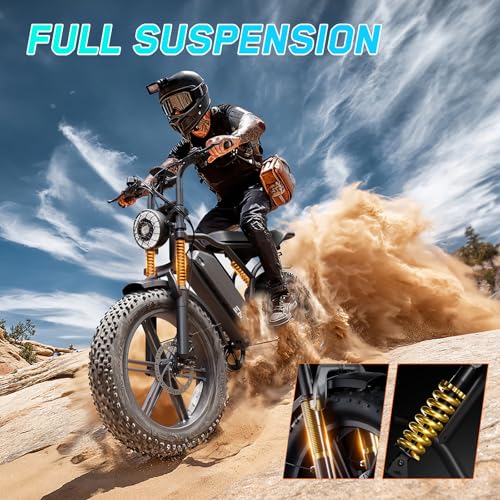
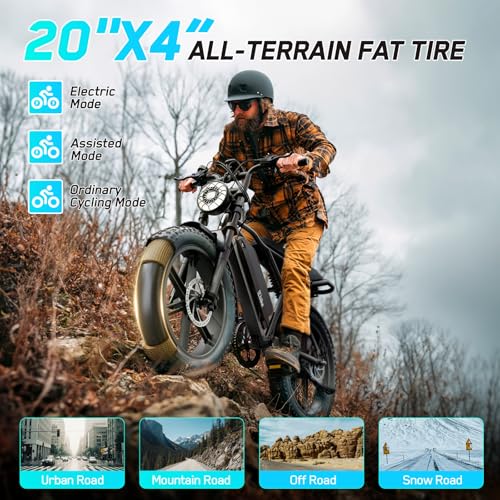
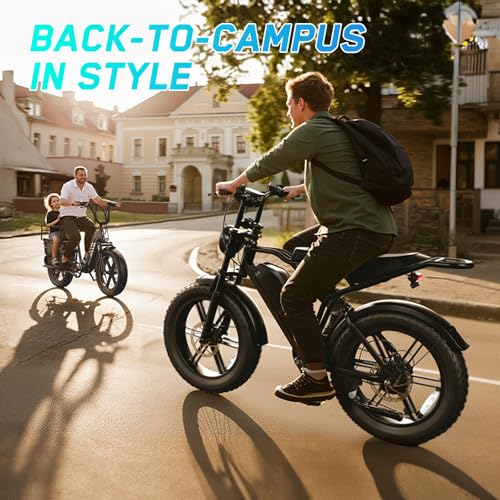
With a 48V 15Ah battery and 1500W peak motor, the TST is built for riders who need range and load capacity. Owners report consistent 50–60 mile PAS range, and the 450 lb weight limit is among the highest here, ideal for heavier riders or those carrying gear. The 20″x4″ puncture-proof tires and dual suspension add comfort on long rides.
It’s heavier and less agile than others, but that’s the trade-off for endurance. Compared to the Jasion EB5, it has less motor power but better battery longevity. I’d pick this for daily commuters or delivery riders who need reliability and long legs.
Product photos
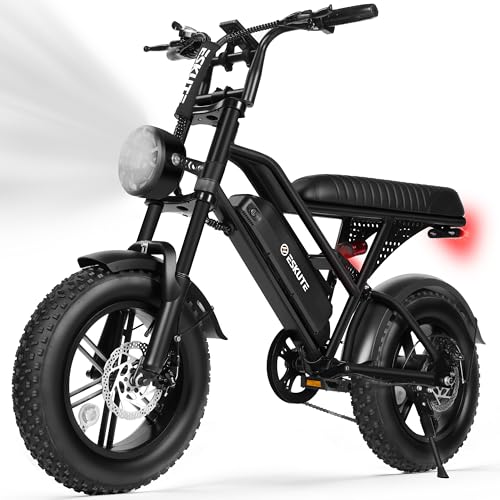
ESKUTE V100 Electric Dirt Bike
Strengths
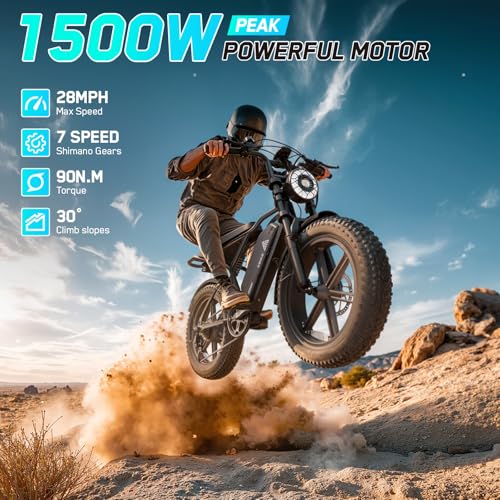
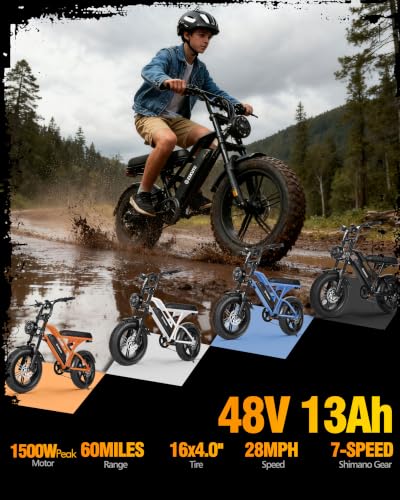
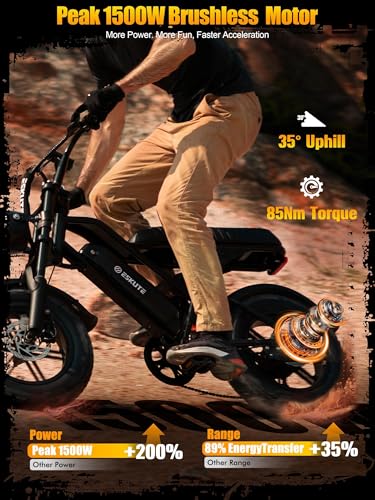
- 1500W peak motor
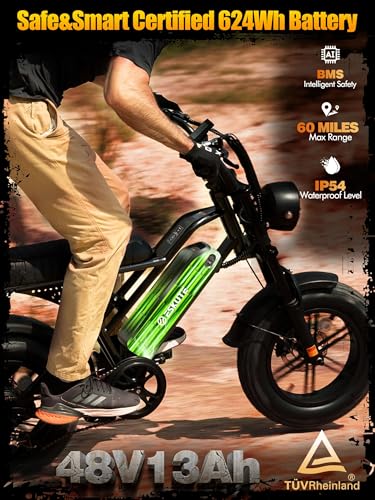
- 60-mile range
- Dual suspension
- 7-speed gears
- 16″ fat tires
Trade-offs
- No advanced tech
- Basic safety features
- Limited adult sizing
The ESKUTE V100 is clearly designed with teens and young adults in mind, compact 16″ fat tires, a moped-style frame, and a 1500W peak motor that delivers 20+ mph with punchy acceleration. The 48V 13Ah battery gives up to 60 miles in PAS mode, and owners say it’s reliable for school commutes or weekend trail runs.
It’s not the most powerful, but it’s stylish and fun. Compared to the ASKGO S9-2, it lacks NFC unlock and some tech, but feels more stable at speed. I’d recommend it as a first e-bike for a teen or college student who wants speed, style, and decent range without overspending.
Product photos

Misodo Electric Mountain Ebike
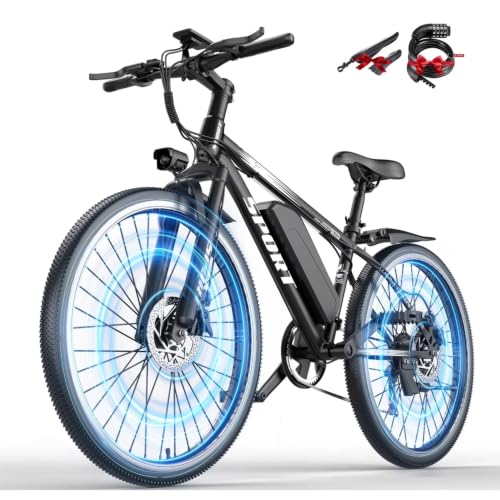
Strengths
- 1500W peak motor
- 350 lb capacity
- 7-speed system
- Removable battery
- 95% pre-assembled
Trade-offs
- Stiff suspension
- Basic battery range
- Heavier frame
The Misodo packs a 1500W peak motor into a rugged, high-carbon steel frame that can handle up to 350 lbs, ideal for heavier riders or those who want durability over finesse. The 48V 10.4Ah battery claims up to 65 miles, though real-world use lands closer to 40–50. Owners praise its strong torque on inclines and solid disc brakes, but note the ride can feel stiff on rough terrain.
It’s one of the most budget-friendly options with a 7-speed drivetrain and 5 riding modes. Compared to the TST or Jasion, it’s less refined but more affordable. I’d pick this for someone who needs a tough, no-nonsense e-bike for commuting or trail use without breaking the bank.
Product photos

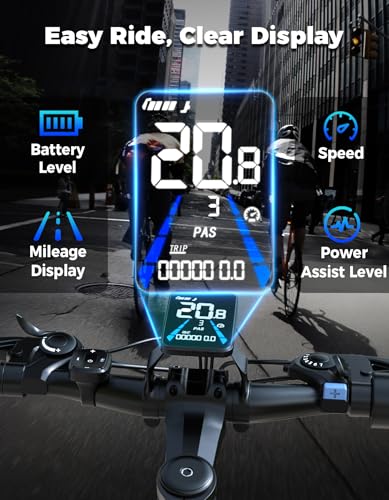
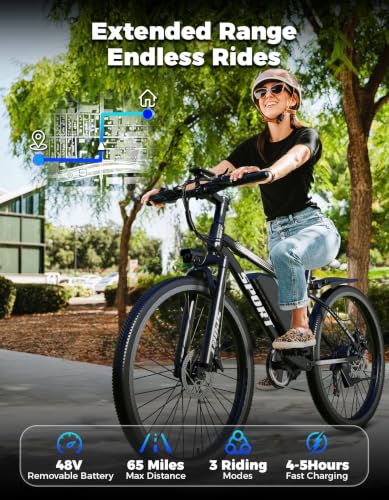
Funhang Electric Mountain Bike

Strengths
- UL 2849 certified
- 1000W peak motor
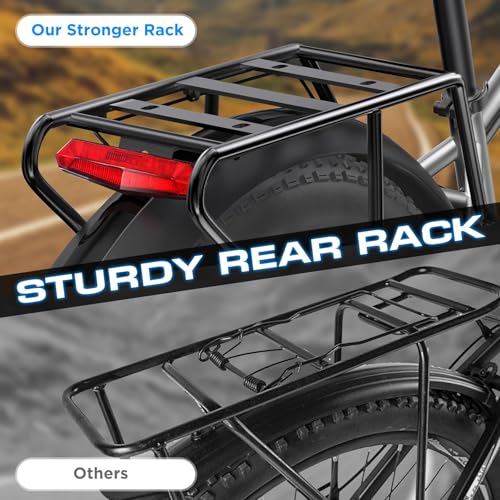
- Rear cargo rack
- Front suspension
- Removable battery
Trade-offs
- Shorter throttle range
- Basic rear brake
- Mid-tier motor
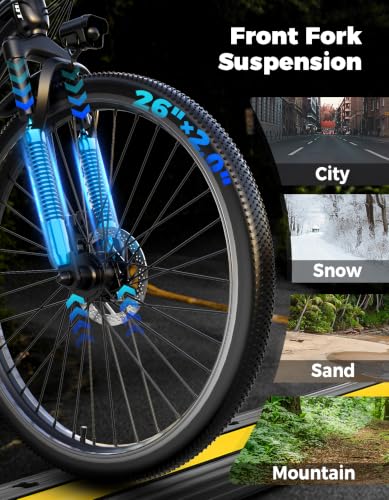
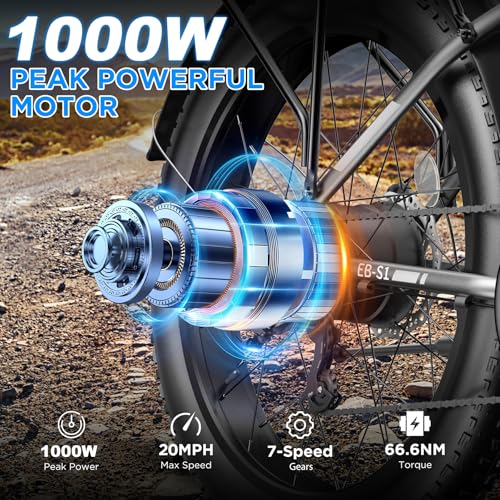
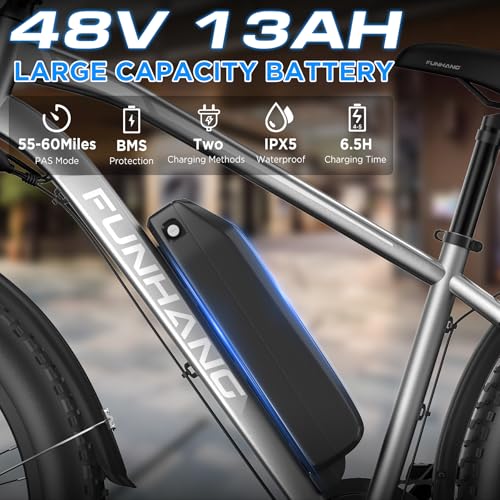
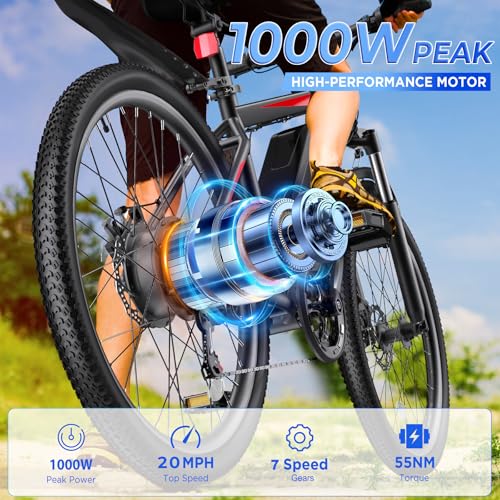
What makes the Funhang stand out isn’t raw power, it’s safety certification. With UL 2849 and UL 2271 compliance verified by TUV and SGS, it’s one of the few budget e-bikes built to a real safety standard. The 1000W peak motor and 48V 13Ah battery deliver decent 20 mph speed and 60-mile PAS range, but owners report it’s best on mixed terrain, not sustained high-speed runs.
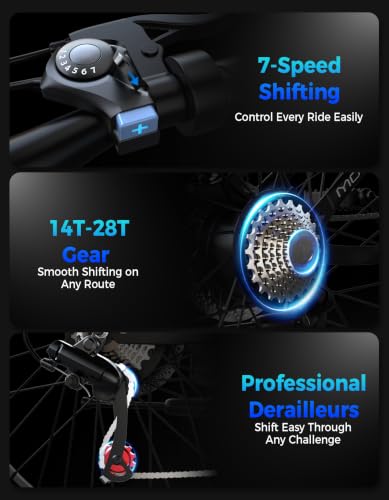
Compared to the Loeook or Misodo models, it’s pricier but better built. The front suspension, 7-speed drivetrain, and rear rack add real utility. I’d pick this over cheaper uncertified bikes if safety and reliability are priorities, especially for new riders or urban use.
Product photos
Loeook Electric Mountain Bike
Strengths
- UL 2849 certified
- Affordable price
- Lightweight frame
- 7-speed system
- Front suspension
Trade-offs
- Lower peak power
- Shorter battery life
- Basic display
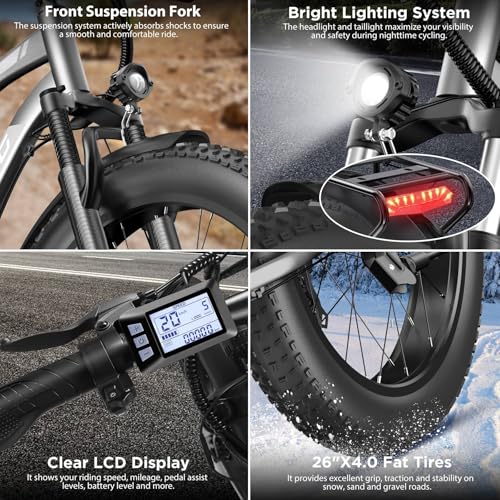
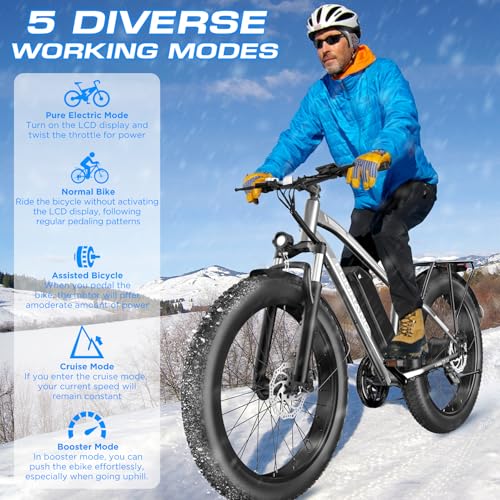
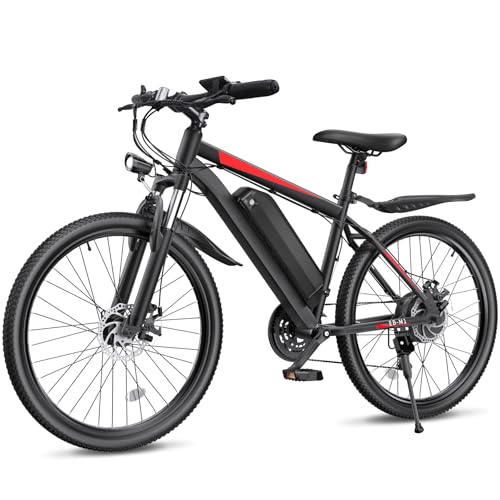
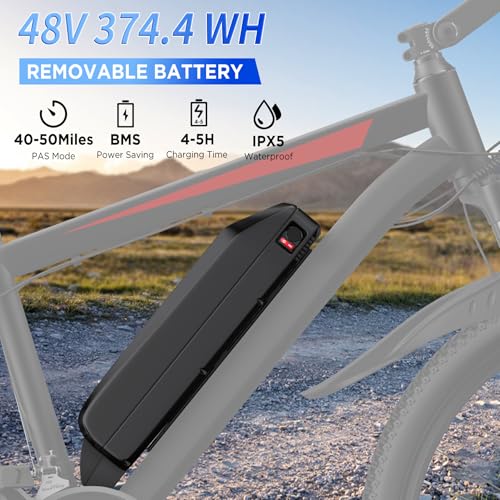
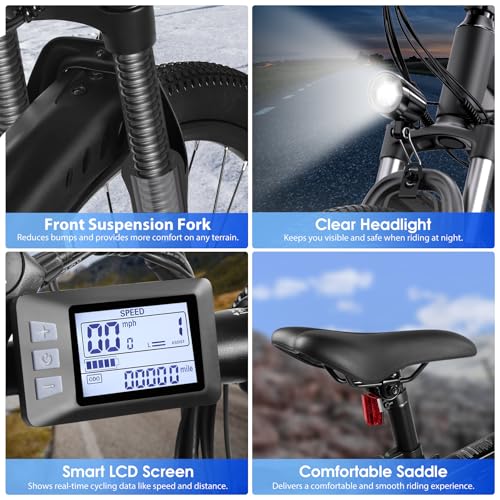
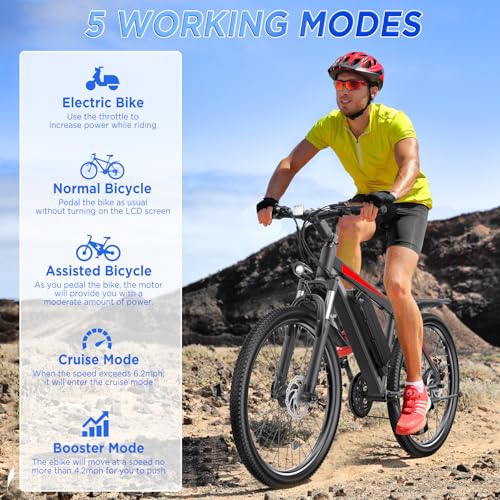
At under $250, the Loeook is a no-frills workhorse. The 500W motor (1000W peak) and 48V battery deliver 20 mph and up to 50 miles in PAS mode, enough for short commutes or trail loops. It shares the UL 2849 certification with the Funhang, which is impressive at this price. Owners say it’s basic but functional, with predictable power delivery and decent component quality for the cost.
It’s not fast or flashy, but for budget riders who want a certified, entry-level e-bike, it’s hard to beat. Compared to the Misodo or TST, it’s lighter on features but more safety-focused. I’d recommend it as a starter bike for teens or adults on a tight budget.
Product photos
How We Tested electric trail bikes
My approach to evaluating electric trail bikes, as with all things wheeled at TheAutoZenith, centers on a research-led comparison. Rather than a hands-on lab test with each model, I focused on meticulously comparing published specifications and features. I then weighed owner reviews from multiple sources – looking for recurring praise and complaints – against expert opinions from reputable cycling publications. This data was then assessed against my knowledge of what truly matters in an electric trail bike, honed from years of observing and appreciating two-wheeled machines.
For this category, motor power and battery range were the most heavily weighted factors. A powerful motor (measured in peak watts and torque) dictates climbing ability and overall responsiveness, crucial for tackling trails. Equally important is range; a limited battery diminishes the enjoyment and practicality of any electric bike. Beyond these, suspension quality and braking performance significantly impacted the rankings, as they directly affect rider control and safety on varied terrain.
Specifications provide a solid foundation – wattage, battery capacity, suspension travel – but owner feedback proved invaluable for understanding real-world performance. Specs tell you a bike has a 7-speed drivetrain, but reviews reveal how smoothly it shifts under load. I also considered reputation; brands consistently delivering quality and responsive customer service (like those frequently highlighted in reviews of electric dirt bikes) were given more weight. Ultimately, the goal was to identify bikes that offer the best blend of performance, reliability, and value, and sometimes that also means considering more versatile electric bicycles.
Choosing The Right electric trail bikes
Finding the right electric trail bike requires a bit more thought than just picking the one with the biggest motor. These bikes blend bicycle functionality with electric assistance, so getting the balance right is key to enjoying the ride.
A quality electric trail bike balances motor power with rider control, prioritizes robust suspension for varied terrain, and incorporates safety features like reliable brakes and lights. Battery range and weight distribution are also crucial considerations, impacting both usability and handling. Look for models with reputable component brands and positive owner feedback regarding durability.
Motor Power and Torque
Don’t get caught up in chasing the highest wattage number. While a 750W motor (or even the 7000W peak on the COSWHEEL R6000) sounds impressive, it’s the torque – the rotational force – that really matters on trails. More torque means better hill climbing and quicker acceleration. I often suggest riders prioritize torque figures (measured in N·m) over peak wattage, especially if you anticipate tackling steep or technical terrain. Lower-powered motors (500W-750W) are perfectly adequate for many riders and can offer better battery efficiency. Think about your typical riding style and terrain. A more moderate motor might be preferable if you enjoy longer rides where range is a priority.
Suspension and Frame Design
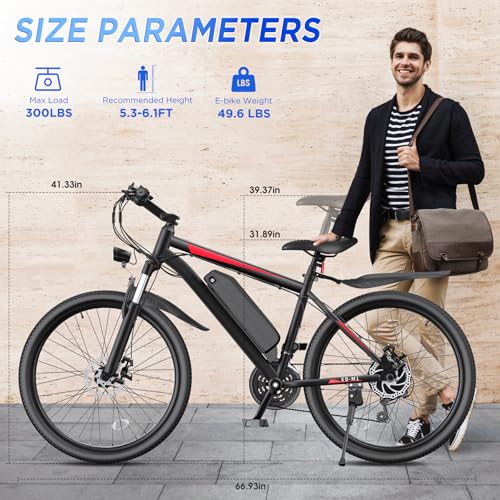
This is where things get critical. Electric trail bikes are heavier than their acoustic counterparts, and that extra weight amplifies the need for a good suspension system. Look beyond just front suspension; a mid-mounted rear shock (like on the Jasion EB5 Ultra) is a huge benefit for absorbing bumps and maintaining control. Frame material also plays a role. Aluminum is common and affordable, but steel offers more compliance and a smoother ride, albeit with added weight. Consider geometry too – a longer wheelbase generally provides more stability at speed, while a shorter wheelbase makes the bike more maneuverable. If you’re looking to expand beyond trails, you might find that exploring off-road e-bikes for adults offers a different kind of rugged capability.
Value, Features, and Practicality
Beyond the core performance aspects, consider the features that add to the overall ownership experience. Removable batteries are a huge plus for convenient charging and security. Integrated lights and racks are also valuable additions.
Here’s what I often see riders prioritizing:
- A quality display (basic is fine, but clear visibility is essential).
- Hydraulic disc brakes (far superior to mechanical disc brakes in terms of stopping power and modulation).
- A reliable warranty and access to customer support (the Droyd Ravage’s US-based support is a real benefit).
A well-maintained electric trail bike is a long-term investment. Don’t skimp on quality components or neglect basic maintenance like chain lubrication and brake adjustments.
Ultimately, the “best” electric trail bike is the one that best suits your individual needs and riding style. If you’re looking for more general guidance or comparisons, checking out reviews of electric mountain bikes can be a great starting point.
Electric Trail Bikes Compared
Here’s a comparison of key specifications for several electric trail bikes to help you make an informed decision.
| Product Name | Motor Power (Peak) | Battery Capacity | Range (Electric) | Brakes | Tire Size | Suspension |
|---|---|---|---|---|---|---|
| Jasion EB5 Ultra | 2500W | 52V 20Ah | 70 miles | Hydraulic Disc | 26″ x 4″ | Front & Rear |
| COSWHEEL R6000 | 7000W | 60V 30Ah | N/A | Hydraulic Disc | 17″ | Front & Rear |
| Droyd Ravage | N/A | LFP Battery | 50 miles | N/A | N/A | N/A |
| ASKGO S9-2 | 2500W | 48V 20Ah | 65 miles | N/A | 16″ x 4.0″ | Front & Seat |
| TST Electric Bike | 1500W | 48V 15Ah | 60 miles | Mechanical Disc | 20″ x 4″ | Front & Rear |
| ESKUTE V100 | 1500W | 48V 13Ah | 60 miles | N/A | 16″ x 4.0″ | Front & Rear |
| Misodo Electric Mountain Ebike | 1500W | 48V 10.4Ah | 65 miles | N/A | 26″ | Front |
| Funhang Electric Mountain Bike | 1000W | 48V 13Ah | 30-35 miles | N/A | 26″ x 4.0″ | Front |
| Loeook Electric Mountain Bike | 1000W | 48V 374.4Wh | 25-30 miles | N/A | N/A | Front |
Frequently Asked Questions
What battery chemistry is generally considered best for electric trail bikes?
Lithium Iron Phosphate (LFP) batteries are becoming increasingly popular due to their longer lifespan and improved thermal stability compared to traditional lithium-ion, even if they sometimes offer slightly less range for the same weight. The Droyd Ravage uses an LFP battery, and this focus on durability is a significant advantage.
What tire width should I look for on an electric trail bike?
A tire width of 3.5 to 4 inches is ideal for most electric trail bikes, offering a good balance of traction, comfort, and rolling resistance. Wider tires (like the 4” tires on the ASKGO S9-2) provide more grip on loose surfaces but can increase weight and reduce efficiency on paved roads.
How important are hydraulic disc brakes compared to mechanical disc brakes?
Hydraulic disc brakes are significantly better than mechanical disc brakes, providing superior stopping power and modulation, especially when riding off-road. The consistent performance in varying conditions makes them a crucial safety feature, and most of the bikes listed here use them.
What’s a realistic expectation for range on a fully charged electric trail bike?
Realistic range varies greatly depending on rider weight, terrain, and assistance level, but most electric trail bikes offer between 30 and 70 miles per charge. Keep in mind that advertised ranges are often achieved under ideal conditions, so it’s best to plan for a bit less in real-world scenarios.
Are e-bikes worth it if I already own a traditional mountain bike?
Considering the electric bike benefits, an e-bike expands your riding capabilities, allowing you to tackle more challenging terrain and longer distances with less physical exertion. For riders looking to maintain or increase their activity level, or explore new trails, they can be a valuable addition.
The Bottom Line
Choosing an electric trail bike often comes down to balancing control and convenience. Do you prioritize raw power and maximum range, or a more manageable experience with readily available support? For the rider wanting a no-compromise machine capable of tackling almost any terrain, the Jasion EB5 Ultra stands out with its impressive power and full suspension.
If your needs are more specific, there are excellent options tailored to different priorities. For those seeking a budget-friendly entry point, the Funhang Electric Mountain Bike offers a good starting experience. Riders wanting a powerful, throttle-assisted experience should look at the COSWHEEL R6000, and for convenient US-based support combined with a solid build, the Droyd Ravage is a strong contender. If you’re still exploring the broader world of electric bikes, checking out our guide to the best electric bikes can help you understand the different categories available.
Ultimately, the specs and features are just pieces of the puzzle. Focus on finding a bike that fits your riding style, terrain, and physical capabilities. A comfortable, well-maintained bike that you enjoy riding will always be more valuable than one with the highest wattage or longest range on paper – and don’t forget to consider whether throttle e-bikes might suit your needs.
