
6 Best Cold Air Intakes for Honda Civic 2026
This post contains affiliate links. As an Amazon Associate, we earn from qualifying purchases.
The PHILTOP 2.75in and K&N 69-1510TC stand out as top choices for the Honda Civic, with the PHILTOP taking the overall lead for its balance of performance and value, while the KAX 3in is a solid pick for older 1.8L models on a tighter budget.
Choosing the right cold air intake for your Honda Civic can feel overwhelming, with claims of big horsepower gains and aggressive engine notes that don’t always match reality. As someone who’s spent years digging into how engines breathe, I know the real difference comes down to smart design and proper fitment, not just loud promises.
This guide cuts through the noise, focusing on systems proven through specs and owner feedback to deliver real improvements in airflow, throttle response, and reliability, all without compromising daily drivability.
Top 5 Cold Air Intake For Honda Civic in the Market
The Best Cold Air Intake For Honda Civic, Reviewed
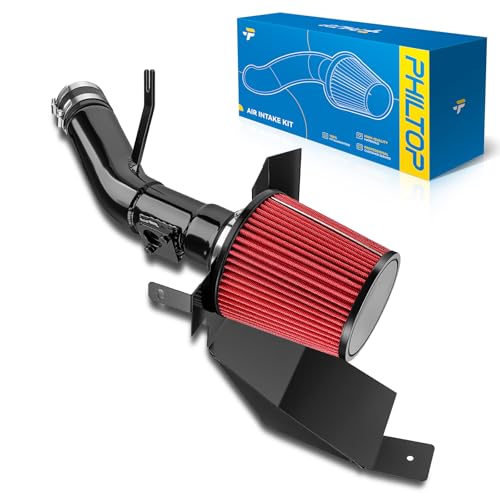
PHILTOP 2.75in Cold Air Intake
Strengths
- Affordable price
- Reusable dry filter
- Easy installation
Trade-offs
- Less brand reputation
- No dyno reports included
- Basic heat shielding
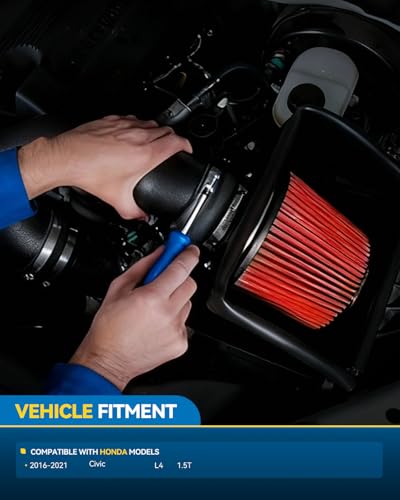
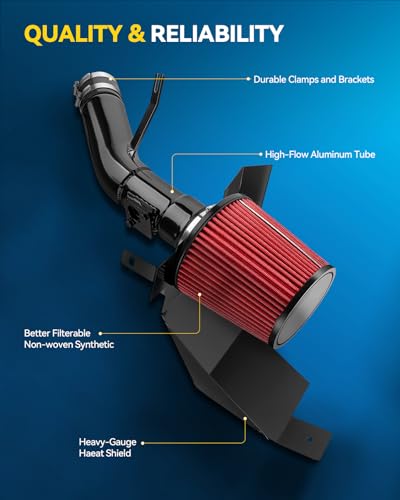
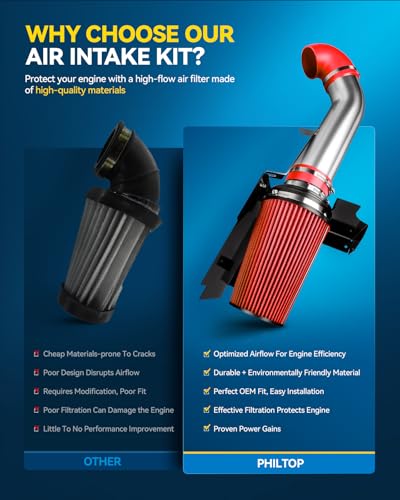
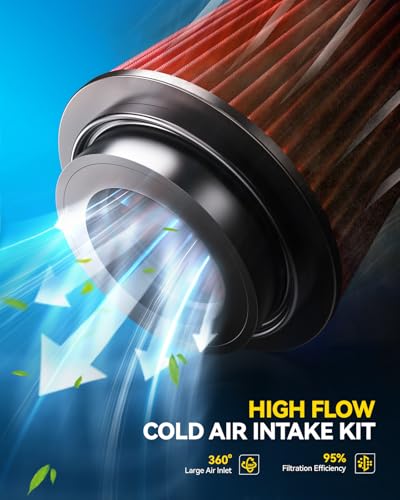
For the 2016–2021 1.5L turbocharged Civic, the PHILTOP cold air intake stands out as a solid budget-friendly performer. On paper, it promises a 14 horsepower gain and improved torque, which aligns with what owners report, noticeable throttle response and a subtle, satisfying growl under acceleration. The powder-coated aluminum tubing and heat shield are functional, and the design keeps underhood heat at bay better than a stock setup.
What really seals the deal is the 100,000-mile service interval for the dry filter. That’s a real convenience for daily drivers who want performance without constant maintenance. Compared to pricier options, it doesn’t have the brand pedigree of K&N, but for most enthusiasts, it delivers more than enough bang for the buck.
Product photos
KAX 3in 1.8L Cold Air Intake
Strengths
- Lightweight stainless steel
- Aggressive sound profile
- High flow design
Trade-offs
- No dyno verification
- Limited brand support
- Basic instructions
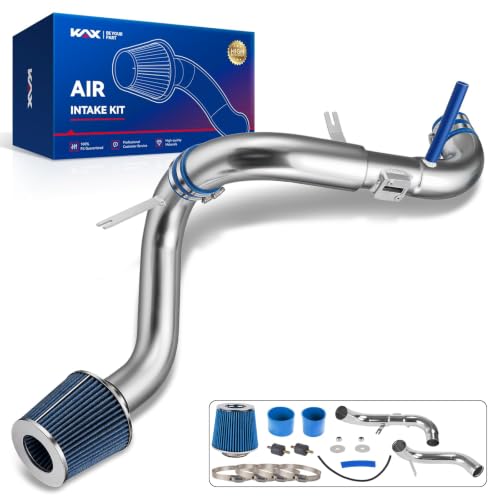
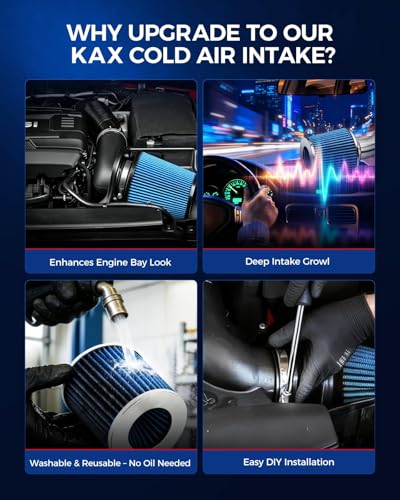
The KAX 3-inch system draws attention with its polished T-304 stainless steel tubing, lightweight, corrosion-resistant, and built to flow. For naturally aspirated 1.8L Civics from 2006–2011, that extra diameter can make a real difference in low-to-mid RPM breathing. Owners note a crisp throttle response and a deeper, sportier intake tone that’s more pronounced than stock but not obnoxious.
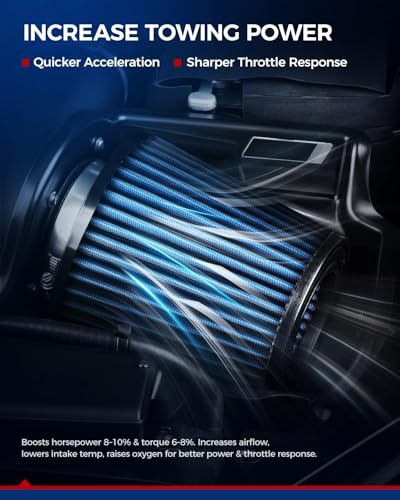
The claimed 8–10% horsepower gain lines up with typical expectations for this class, and the dry reusable filter is a maintenance win. It’s one of the few budget options that doesn’t cut corners on materials. While it lacks the backing of a major brand, the fit and finish reported by users suggest it’s a smart pick for value-focused tinkerers.
Product photos


K&N 69-1510TC Cold Air Intake
Strengths
- Made in the USA
- Dyno-verified gains
- Precision fit
Trade-offs
- Very expensive
- Oiled filter maintenance
- Heavy construction
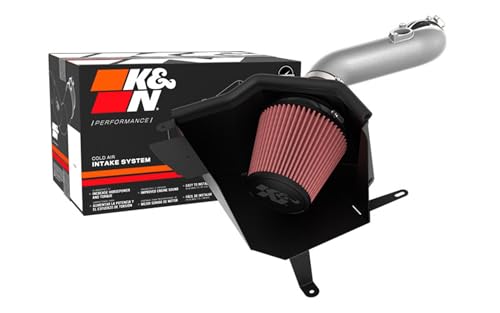
For owners of the latest 2022–2025 Civics, the K&N 69-1510TC is essentially the gold standard right out of the gate. It’s engineered specifically for the new generation’s engine bay layout, which means no guesswork during install. Like its predecessor, it delivers verified gains via included dyno sheets and maintains K&N’s signature oiled cotton filtration, excellent for keeping fine particulates out of a modern direct-injected engine.
I’d pick this over cheaper clones because of the fit precision and the fact that it’s made in the USA with robust customer support. The sound is aggressive but refined, and the throttle response improvement is noticeable even in stop-and-go traffic. If you drive a new Civic and want it to breathe better, this is the safe, smart bet.
Video review
K&N 63-3517 Cold Air Intake
Strengths
- Dyno-tested performance
- Lifetime warranty
- Superior filtration
Trade-offs
- Very expensive
- Heavy compared to aluminum
- Oiled filter requires cleaning
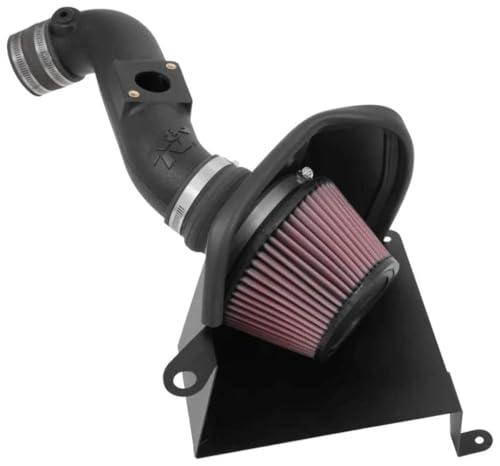
Let’s be clear, K&N isn’t cheap, but you’re paying for consistency, reputation, and engineering rigor. The 63-3517 system for the 2016–2021 1.5L turbo Civic includes actual dyno test reports, which is rare at any price point. That data shows real gains in both horsepower and torque, especially in the low end where turbo lag matters most.
The four-layer oiled cotton filter is legendary for balancing flow and filtration, and the lifetime warranty means long-term ownership costs are low. Installation is straightforward, and the growl under acceleration is exactly what enthusiasts want, present, but not intrusive. Compared to budget kits, this one inspires more confidence.
Video review
EVIL ENERGY 1.8L Cold Air Intake
Strengths
- Includes pre-filter
- High filtration efficiency
- Solid build quality
Trade-offs
- Heavier than aluminum competitors
- No lifetime warranty
- Pricier for feature set
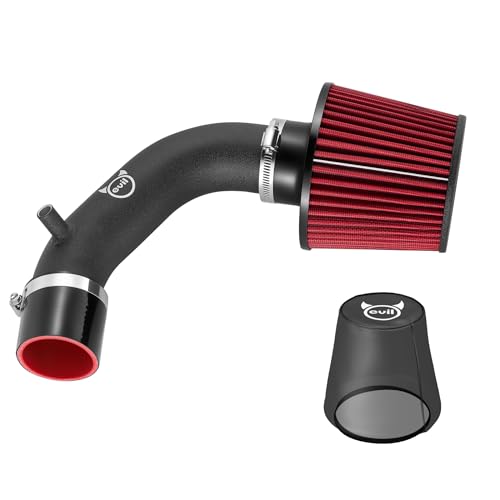
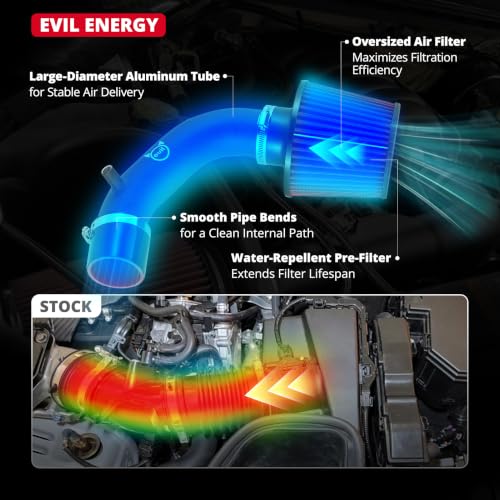
If you’re running an older 2006–2011 1.8L non-turbo Civic, the EVIL ENERGY intake is one of the more complete kits in its class. The inclusion of a pre-filter is a smart touch for drivers in dusty or off-road-prone areas, it extends the life of the main filter without restricting flow. Owners consistently report a cleaner, more aggressive engine note and improved mid-range punch, especially when merging or climbing hills.
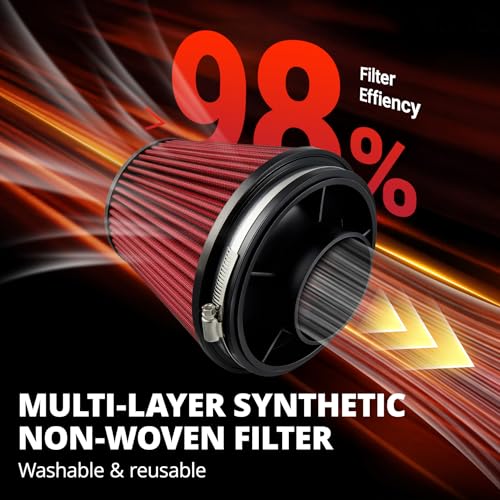
The multi-layer synthetic filter is washable and boasts over 98% efficiency, which is impressive for this price tier. While it doesn’t carry the K&N name, the build quality holds up well under normal use. It’s not the lightest or flashiest option, but it’s built to be dependable.
Product photos



How We Picked These cold air intake for honda civic
Rather than a hands-on lab test, my research focused on a detailed comparison of published specifications and features across several cold air intake systems designed for the Honda Civic. I weighed owner reviews from multiple sources – Amazon, enthusiast forums, and retailer sites – against professional assessments where available. Years spent around cars, and specifically understanding airflow dynamics, informed my evaluation of each system’s potential impact on performance. Clear criteria centered on fitment, materials, reported gains, and ease of installation.
For a Civic cold air intake, a few factors stood out as most crucial. First, proper fitment is paramount; an ill-fitting intake negates any potential performance benefit. Second, the quality of materials – particularly the intake tube and filter – directly impacts airflow and longevity. Finally, reported gains in horsepower and torque, while often optimistic, provide a relative measure of potential improvement, especially when considering the price point.
Specifications like intake tube diameter and filter material offer concrete data. However, I placed significant weight on owner feedback regarding real-world performance improvements and any issues with installation or long-term durability. Many owners also discuss noticeable changes in engine sound, and this subjective element factored into my assessment. If you’re looking to optimize other areas of your Civic’s performance, checking out guides for the best spark plugs can be a great next step. And for those in colder climates, considering reliable Civic winter tires is equally important.
What To Look For In cold air intake for honda civic
Finding the right cold air intake for your Honda Civic can genuinely unlock some extra pep, but it’s not as simple as grabbing the loudest one you find.
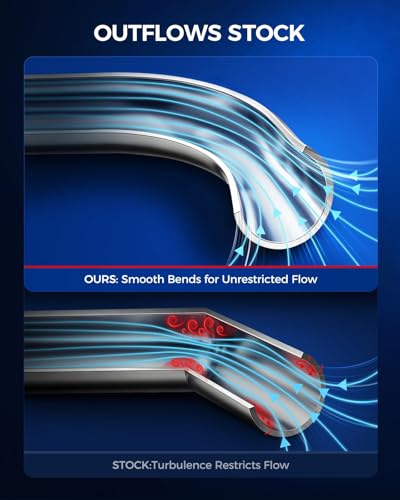
A quality cold air intake prioritizes unrestricted airflow to the engine, utilizing smooth bends and a heat shield to isolate it from engine bay temperatures. Materials matter; look for aluminum or reinforced polymers for durability. Filter construction should balance airflow with effective filtration, and fitment must be precise to avoid leaks or restrictions. Dyno-tested results, while often optimistic, offer a comparative benchmark.
Fitment and Vehicle Year
The first, and most crucial, step is verifying compatibility. A cold air intake designed for a 2016-2021 Civic won’t fit a 2008 model, and even within the same generation, differences in engine size (1.5L vs. 1.8L) are critical. Don’t assume universal fitment; always double-check the manufacturer’s listed vehicle applications. Beyond the year and engine, consider if your Civic has undergone any modifications. If you’ve swapped engines or made alterations to the intake manifold, standard intakes might require adapters or won’t work at all. It’s better to invest in a system tailored to your specific setup.
Material Quality and Construction
The construction of a cold air intake heavily influences its performance and longevity. Aluminum intake tubes, particularly mandrel-bent ones, offer a smooth, unrestricted airflow path. Powder coating isn’t just for looks; it protects the aluminum from corrosion. The filter housing material also matters. While many use plastic, a well-designed heat shield, whether aluminum or a composite material, is essential to isolate the filter from engine heat.
Here’s what to consider when looking at filter materials: * Basic paper filters are the cheapest, but require frequent replacement. * Oiled cotton filters (like those from K&N) offer good airflow but need regular cleaning and oiling. * Dry synthetic filters, as found in many modern kits, offer a good balance of airflow, filtration, and low maintenance – often only needing cleaning every 100,000 miles.
Balancing Performance and Daily Drivability
Many intakes promise significant horsepower gains, but real-world results vary. Don’t get hung up on the highest advertised numbers; focus on intakes that offer a balanced improvement in throttle response and a slight increase in power, particularly in the low-to-mid RPM range where you spend most of your time driving. A system that’s too aggressive can sometimes reduce low-end torque, making daily driving less pleasant. If you’re looking for other ways to improve your Civic’s performance, exploring options for Civic performance mods can be a great next step. And don’t forget about the importance of having the right tires; check out our guide to the Civic tire reviews to make sure you’re maximizing your grip.
Don’t chase peak horsepower numbers. A well-designed cold air intake should improve the feel of your Civic – quicker throttle response and a more engaging driving experience – without sacrificing everyday usability.
Cold Air Intake for Honda Civic Compared
This table provides a detailed specification comparison of cold air intakes for the Honda Civic.
| Product Name | Intake Diameter (in) | Engine Compatibility | Filter Type | HP Gain (est.) | Install Time (approx.) |
|---|---|---|---|---|---|
| PHILTOP 2.75in | 2.75 | 2016-2021 Civic 1.5L L4 | Non-woven Dry | 14 | < 60 min |
| KAX 3in | 3 | 2006-2011 Civic 1.8L | Non-woven Dry | 8-10% | N/A |
| K&N 69-1510TC | N/A | 2022-2025 Civic | Cotton Pleated | N/A | < 60 min |
| K&N 63-3517 | N/A | N/A | Cotton Pleated | N/A | < 60 min |
| EVIL ENERGY 1.8L | N/A | 2006-2011 Civic 1.8L | Synthetic Non-woven | N/A | 40 min |
| PHILTOP 2.5in | 2.5 | 2001-2005 Civic 1.7L L4 | N/A | N/A | < 60 min |
Frequently Asked Questions
Will a cold air intake void my Honda Civic’s warranty?
A cold air intake can potentially void your warranty, but only for components directly affected by the modification. The Magnuson-Moss Warranty Act protects consumers, meaning the manufacturer must prove the intake caused a specific failure to deny a warranty claim.
How much horsepower can I realistically expect to gain?
Expect modest gains, typically between 5-15 horsepower, depending on the specific intake and your Civic’s model year. Dyno results are often inflated, so focus on improvements to throttle response and overall driving feel rather than chasing peak numbers.
Are oiled air filters really better than dry filters?
Oiled filters, like those from K&N, offer slightly improved airflow but require consistent cleaning and re-oiling. Dry synthetic filters provide a good balance of airflow and filtration with significantly less maintenance, making them a more practical choice for many owners.
Can I install a cold air intake myself, or should I have a professional do it?
Most cold air intakes are designed for relatively easy DIY installation, often taking less than an hour with basic tools. However, if you’re uncomfortable working on your engine or unsure about any steps, professional installation is a wise investment.
What other modifications complement a cold air intake for my Civic?
Upgrading your exhaust system can further enhance any performance gains from a cold air intake. Considering a set of well-chosen Civic rims can also improve both handling and aesthetics, completing the performance upgrade look.
The Bottom Line
Choosing a cold air intake for your Civic often comes down to balancing how much you want to spend against how much effort you’re willing to put into maintenance. For most owners, the PHILTOP 2.75in intake strikes that balance perfectly – it offers a noticeable improvement in airflow and a slight power bump without requiring constant filter oiling or specialized cleaning. It delivers a solid performance gain for the money, making it our top overall recommendation.
If you’re on a tighter budget or have an older Civic, the EVIL ENERGY 1.8L intake is a strong contender. For those with newer models (2022+), the K&N 69-1510TC stands out, offering the respected K&N filter quality and a straightforward install. And for owners looking to personalize their ride further, exploring options for Civic wheels can complement the improved intake sound and performance.
Ultimately, horsepower numbers are secondary to how the intake feels in everyday driving. A well-chosen system will sharpen throttle response and make your Civic more enjoyable to drive. Don’t get lost in specs; prioritize fitment, material quality, and a design that suits your driving style, and consider adding some Civic seat covers to complete the interior upgrade.
