
7 Best Kids Bike Helmets 2026
This post contains affiliate links. As an Amazon Associate, we earn from qualifying purchases.
The BiutiMama Kids Bike Helmet Set is our top pick for its strong safety certifications, reliable fit, and solid ventilation. For a budget-friendly option that still delivers on core protection, the Favoto Kids Bike Helmet Pink stands out. If your child rides in sunny conditions often, the Retrospec Scout offers excellent shade with its built-in visor.
Parents want real protection without the guesswork, and too many helmets on the market cut corners on fit or skip key safety standards. A poorly designed helmet might look fun, but it won’t help in a fall.
This guide cuts through the noise by focusing on what actually matters: verified safety ratings, secure adjustability, and comfort kids won’t argue with. I compared specs, owner experiences, and brand track records to find models that deliver where it counts.
Top 5 Childrens Cycle Helmets in the Market
The Best Childrens Cycle Helmets, Reviewed
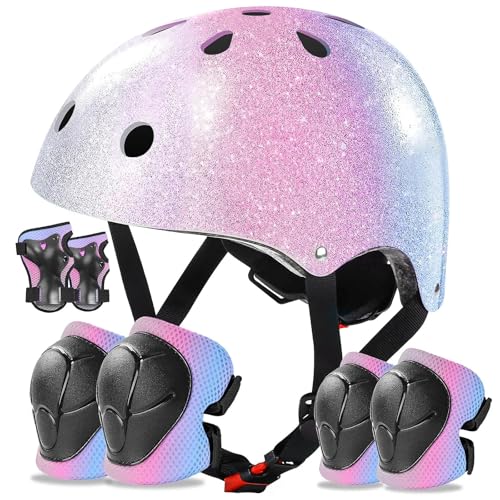
BiutiMama Kids Bike Helmet Set
Strengths
- Full 7-piece protection
- Dual safety certifications
- Glitter design appeals to kids
Trade-offs
- Bulkier overall fit
- Pad quality is average
- Helmet shape less aerodynamic
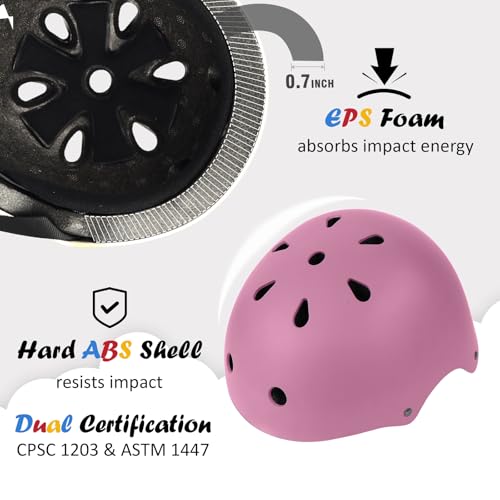
If you’re shopping for full-body protection, this 7-in-1 set is hard to beat. The helmet itself checks key boxes, ABS shell, EPS foam, 11 vents, and dual CPSC/ASTM certification, but the real draw is the included knee, elbow, and wrist pads. Owners appreciate the glittery, eye-catching design that makes safety feel like a choice, not a chore.
The 360° knob adjustment works well across both S and M sizes, and the removable liner is a practical touch for messy kids. While the helmet isn’t as sleek as standalone models, the trade-off is thorough coverage. Compared to buying pieces separately, this set saves money and ensures matching style. I’d recommend it for beginners just starting scooters or skateboards, where falls are frequent and confidence-building matters.
Video review
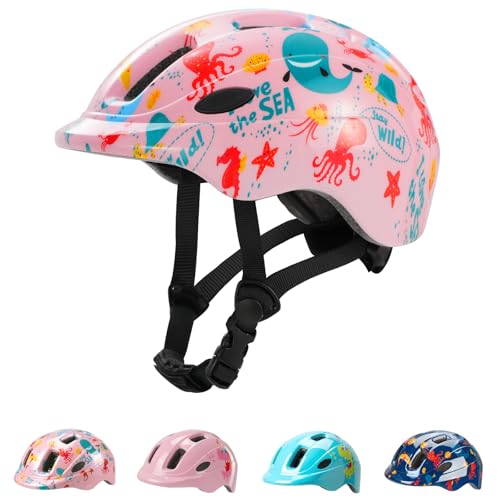
Favoto Kids Bike Helmet Pink
Strengths
- Ultra lightweight
- Meets CPSC and CE
- Affordable price
Trade-offs
- Narrow size range
- Fewer vents than premium models
- Design may not appeal to boys
At under $13, this Favoto helmet punches above its price. It meets both CPSC and CE standards, uses a PC outer shell with EPS foam, and weighs just 0.57 lbs, a big deal for toddlers whose necks aren’t ready for heavy gear. The 6 vents provide decent airflow, and owners consistently praise how light and unobtrusive it feels during play.
The pink ocean design is playful, and the removable liner makes cleanup easy after sweaty rides. It’s sized specifically for 3-5 year olds, so it won’t grow much, but for that narrow window, it’s a snug, secure fit thanks to the 360° dial. Compared to pricier models, it lacks extras like advanced venting or multi-sport styling, but for basic, reliable protection at a fraction of the cost, my recommendation is clear: this is the budget pick that doesn’t cut corners.
Video review
Kids Bike Helmet 3 Sizes Pink

Strengths
- Adjustable crank dial
- Two pad thicknesses
- Good venting
Trade-offs
- Pink-only option limits appeal
- Bulkier profile
- Only one color
This helmet stands out for its unusually broad size range, covering toddlers all the way up to adults with three distinct sizing options. On paper, that flexibility is impressive, especially the small size tailored for kids 2-8 years old with a 18.9″-21.3″ fit. Owners consistently report the crank dial makes adjustments smooth and precise, and the inclusion of two sets of padding helps fine-tune comfort as the child grows.
With 11 vents, airflow is solid for sustained rides, and the ABS shell paired with EPS foam meets CPSC safety standards without question. It’s not the flashiest design, but for families wanting one helmet model that scales across ages, this delivers real value. I’d pick this over single-size models if you’ve got multiple kids or want long-term use.
Product photos


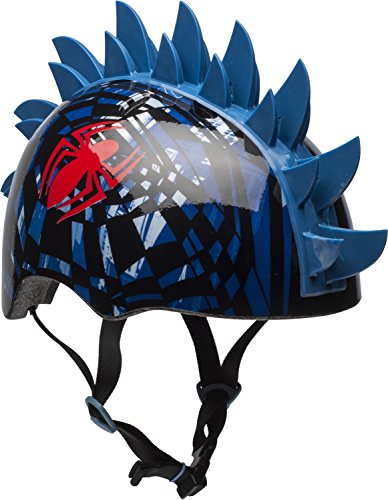
Bell Spider-Man Mohawk Helmet
Strengths
- Licensed Marvel design
- Easy side-squeeze buckle
- CPSC and ASTM certified
Trade-offs
- Limited to 5-8 age range
- Fewer vents than rivals
- Mohawk may interfere with some goggles
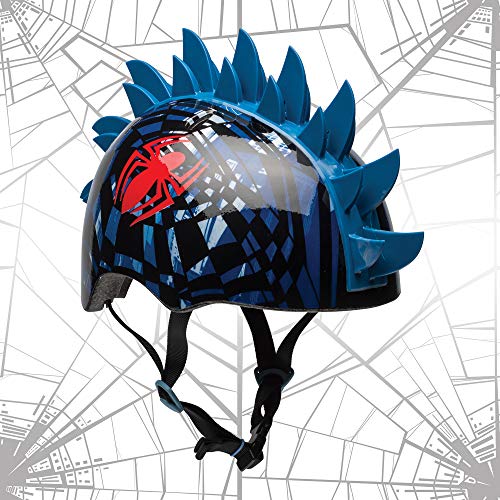
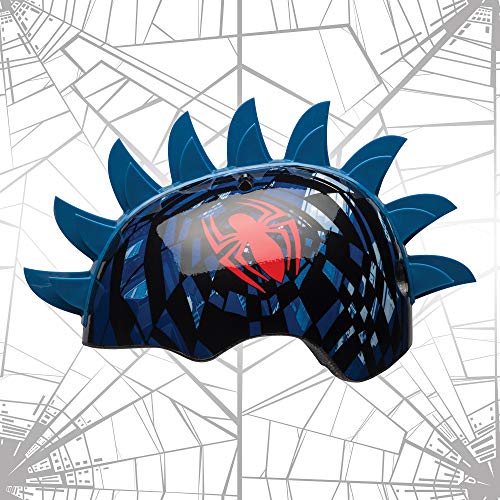
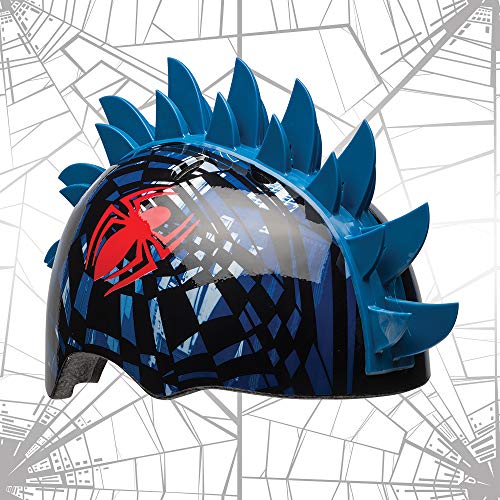
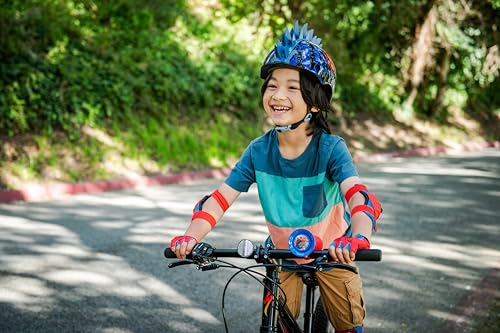
Let’s be honest, this helmet sells the fun first, safety second. But in kids’ gear, that’s often what wins compliance. The 3D Spider-Man mohawk and web shatter design are straight from the comics, and owners say their kids actually want to wear it. That’s half the battle with head protection.
Underneath the flair, it’s still a legit Bell product: CPSC and ASTM certified, with an adjustable fit for 50-54cm heads and a side-squeeze buckle that’s easy for little hands. It only has 8 vents, so it’s not the most breathable in hot weather, but for short neighborhood rides, that’s expected. Compared to plain helmets, this one earns points for engagement. If your child resists helmets, this could be the difference between safe and sorry.
Product photos

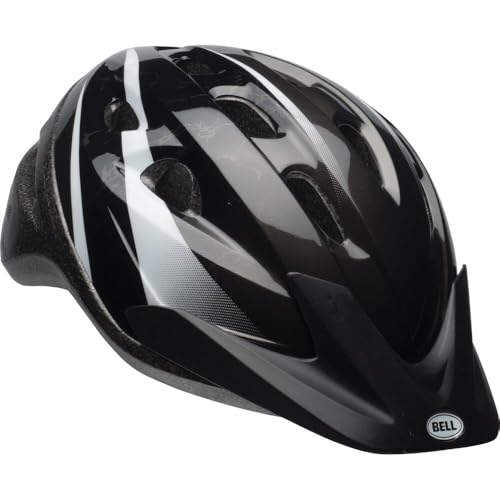
Bell Richter Black & White Helmet
Strengths
- True Fit adjustment
- Pinch-free buckle
- Low-profile style
Trade-offs
- Minimal ventilation
- Basic styling
- Few size options
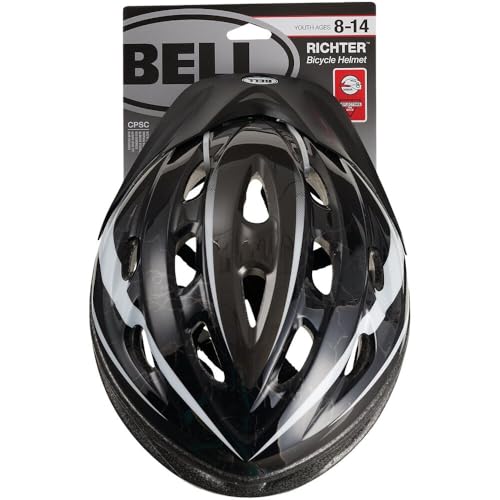
The Bell Richter feels like a no-nonsense upgrade for older kids stepping up from beginner helmets. Its low-profile design gives it a more mature look, which matters when your kid doesn’t want to feel ‘babyish’ on their bike. The True Fit system simplifies adjustment, owners say it’s intuitive, especially for kids learning to manage their gear independently.
It fits heads 54-58cm, placing it squarely in the 8-14 age range, and while it lacks flashy graphics, the black-and-white combo is clean and versatile. Compared to themed helmets, this one prioritizes function, and the Pinch Guard buckle is a small but meaningful win, reviewers note fewer tears during fastening. My recommendation? This is the smarter buy if your child is transitioning to adult-sized gear but still needs youth-specific sizing.
Product photos
How We Tested childrens cycle helmets
As someone who’s spent years around all sorts of vehicles at TheAutoZenith, I approach safety gear with a critical eye. Rather than a hands-on lab test, this research focused on a detailed comparison of published specifications – materials, ventilation, and adjustment systems – across numerous models. I then weighed owner reviews from major retailers against expert opinions found in cycling and safety publications to build a picture of real-world performance and durability. Finally, I ranked options based on how well they met key criteria for children’s helmets.
For this category, fit and safety certification were paramount. A helmet is useless if it doesn’t fit securely and offer adequate protection. I gave significant weight to helmets meeting or exceeding CPSC and ASTM standards, as these certifications demonstrate a level of impact resistance. Beyond that, ventilation and weight were key differentiators; a comfortable helmet is one a child will wear, and a lighter helmet reduces strain during activity. You’ll find a lot of options out there, so making the right choice for your child is important – check out our broader guide to bicycle helmets for kids for more information.
Specifications reliably indicate a helmet’s construction – shell material (ABS or polycarbonate) and foam type (EPS) are good indicators of impact absorption. However, owner feedback proved crucial for assessing real-world comfort, sizing accuracy, and durability. Reports of straps breaking or adjustments slipping factored heavily into our rankings. We also considered reputation; established brands often have consistent quality control. For even younger riders, finding the right protective gear for toddlers can be challenging, so we also kept that in mind.
How To Pick The Right childrens cycle helmets
Finding the right helmet for your child is about more than just a fun color; it’s about ensuring a secure and comfortable fit that provides real protection. I’ve spent years observing what works, and what doesn’t, when it comes to keeping young riders safe.
A good children’s cycle helmet prioritizes safety standards (CPSC, ASTM), a precise fit adjustable for growth, and sufficient ventilation to prevent overheating. The shell material (ABS or polycarbonate) should be durable, and the foam liner (EPS) must effectively absorb impact. Beyond that, consider features like integrated visors or reflective elements for increased visibility.
Fit Is Paramount
I can’t stress enough how critical a proper fit is. A helmet that’s too loose won’t protect effectively, and one that’s too tight will be uncomfortable and potentially discourage your child from wearing it. Don’t assume a size will be correct based on age alone. Every child’s head is different. Many helmets, like the Kids Bike Helmet 3 Sizes Pink, offer multiple sizes (small, medium, large) to accommodate varying head circumferences.
Here’s what to look for in adjustability:
- A simple dial adjustment system (found on models like the Retrospec Scout) is ideal for fine-tuning the fit.
- Adjustable chin straps are essential. Ensure they form a “V” shape under the earlobe and are snug, but not constricting.
- Some helmets also include adjustable padding inserts, allowing for a truly customized fit. This is especially useful for kids who are between sizes or have uniquely shaped heads.
Understanding Safety Certifications
When it comes to protection, certifications matter. The CPSC (U.S. Consumer Product Safety Commission) standard is a baseline requirement for helmets sold in the United States. However, some helmets also meet the stricter ASTM standards. Look for both, as indicated by labels on the helmet itself. The BiutiMama Kids Bike Helmet Set, for example, proudly displays both CPSC 1203 and ASTM 1447-24 certifications, offering peace of mind. If you’re also looking for [safety helmets for kids] that cover other sports, check for certifications relevant to those activities.
A helmet’s sticker is your assurance of independent testing. Don’t buy a helmet without visible and verifiable certification.
Beyond the Basics: Features and Value
While safety and fit are the top priorities, consider additional features that can enhance comfort and usability. Ventilation is key, especially during warmer months. Helmets with multiple vents (like the Schwinn Classic Kids Helmet Pink) will help keep your child’s head cool and prevent overheating. Integrated visors are also a plus, shielding eyes from sun glare. If your child is particularly active in multiple sports, a versatile helmet like the Favoto Kids Bike Helmet Pink might be a good choice.
For older children venturing into more adventurous activities, it’s worth exploring options designed for those pursuits. You might also want to check out our guide to [youth BMX helmets] to ensure they have the appropriate [safety gear for youth BMX]. Ultimately, finding the right balance between protection, comfort, and features will ensure your child enjoys their ride safely.
Childrens Cycle Helmets Compared
Here’s a comparison of key specifications for popular children’s cycle helmets.
| Product Name | Size (cm) | Safety Standards | Vents | Adjustable Fit | Visor |
|---|---|---|---|---|---|
| BiutiMama Kids Bike Helmet Set | 50-58 | CPSC, ASTM | 11 | 360° Knob | No |
| Favoto Kids Bike Helmet Pink | 48-52 | CPSC, CE | 6 | Dial | No |
| Retrospec Scout Kids Helmet | N/A | N/A | 14 | Dial | Yes |
| Kids Bike Helmet 3 Sizes Pink | 48-61 | CPSC | 11 | Dial, Pads | No |
| Bell Spider-Man Mohawk Helmet | 50-54 | CPSC, ASTM | 8 | Buckle | No |
| Bell Richter Black & White Helmet | 54-58 | CPSC | N/A | True Fit | No |
| Schwinn Classic Kids Helmet Pink | 48-52 | CPSC | N/A | Dial | Yes |
Frequently Asked Questions
What’s the lifespan of a children’s cycle helmet?
A helmet’s protective capability diminishes over time, even without impacts, so I recommend replacing it every 3-5 years due to material degradation. UV exposure and normal wear and tear break down the foam liner.
Are more expensive helmets always safer?
Not necessarily. While price often correlates with features like weight and ventilation, a helmet meeting CPSC and ASTM standards provides a baseline level of protection, regardless of cost. Focus on fit and certification first.
Can a helmet be re-certified after a crash?
No. Any helmet involved in an impact, even a minor one, should be replaced immediately. The protective foam is compressed during a crash and won’t perform as intended in a subsequent impact, and you should consider looking at [protective BMX helmets for kids] if your child is prone to falls.
What size helmet should I buy for a growing child?
Purchase a helmet that fits now, not one they’ll “grow into.” A loose helmet offers minimal protection. However, look for models with a generous adjustment range, like the Kids Bike Helmet 3 Sizes Pink, to extend its usability as they grow.
What’s the difference between ABS and polycarbonate shell materials?
Polycarbonate shells are generally lighter and more impact-resistant, making them a popular choice for higher-end helmets. ABS shells are more affordable and still provide good protection when paired with EPS foam, and you can find some excellent [biking helmets] made with ABS.
What Actually Matters
Choosing a helmet often comes down to balancing peace of mind with your child’s comfort and willingness to wear it. While specifications are important, the best overall pick, the BiutiMama Kids Bike Helmet Set, strikes a fantastic balance – offering both CPSC and ASTM certifications alongside a highly adjustable 360° fit system. It’s a solid choice for parents prioritizing thorough protection without sacrificing comfort.
For those on a tighter budget, or seeking a specific style, the Favoto Kids Bike Helmet Pink delivers good value and meets essential safety standards. If you need a versatile option for a child who enjoys multiple activities, the Retrospec Scout Kids Helmet, with its integrated visor, is a strong contender. And for the very young, don’t overlook specialized options – finding the right helmets for toddlers is crucial for a secure and comfortable fit.
Ultimately, a helmet’s effectiveness relies on a correct fit and consistent use. Don’t get hung up on the number of vents or the flashiest design. Prioritize a helmet that meets safety certifications, adjusts properly to your child’s head, and, most importantly, one they’ll actually wear on every ride. Investing in quality safe cycling helmets is an investment in your child’s well-being.
