
8 Best Cardo Systems of 2026
This post contains affiliate links. As an Amazon Associate, we earn from qualifying purchases.
The Cardo Packtalk Neo stands out as the best overall choice, delivering strong mesh networking for group rides and reliable voice control. For riders on a tighter budget, the Spirit HD still offers solid performance for pairs, while the Packtalk Edge brings premium features for those who want the most advanced tech.
Riders don’t just need to hear music, they need clear communication, dependable connections, and systems that won’t fail when the weather turns or the road gets rough. Too many units promise seamless operation but fall short in real-world conditions.
This guide cuts through the noise by focusing on what actually matters: proven connectivity, sound clarity, and ease of use. I looked at specs, owner feedback, and how each model performs within Cardo’s ecosystem to find the ones worth your trust.
Top 8 Cardo Systems in the Market
The Best Cardo Systems, Reviewed
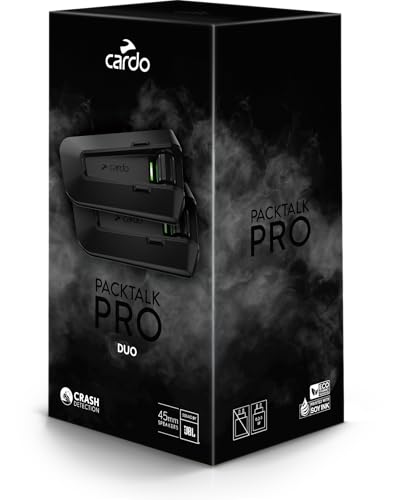
Cardo PACKTALK PRO Dual Pack
Strengths
- Crash detection
- Auto on/off
- JBL 45mm speakers
- 2nd Gen DMC
- Air Mount
Trade-offs
- Very high price
- Heavier than basic models
This dual pack is the complete package, the best Cardo has to offer right now. Everything from the previous model carries over, but now you’re ready for two riders out of the box, with full mesh compatibility for larger groups. The combination of crash detection, automatic power management, and JBL’s big 45mm drivers creates a refined, safe, and immersive experience.
Reviewers note the setup between helmets is fast, and the intercom clarity in open terrain is excellent. Compared to the dual Edge, this model adds crash monitoring and superior audio, justifying the jump in cost. For couples or regular riding partners who tour often, this is the smarter buy. I wouldn’t recommend anything else in this category for serious touring duos.
Video review
Cardo PACKTALK PRO Single Pack

Strengths
- Crash detection
- Auto on/off
- JBL 45mm speakers
- 2nd Gen DMC
- Air Mount
Trade-offs
- High price single pack
- Battery could be longer
This is where Cardo’s engineering shines, even in single-pack form. The PACKTALK PRO packs JBL-tuned 45mm speakers, which owners say produce noticeably fuller sound than the 40mm units in other models. Add in crash detection and auto on/off based on motion, and you’ve got a smarter ride experience. The 2nd Gen DMC allows mesh connectivity with up to 15 riders, making it far more scalable than the Edge.
I see this as the sweet spot for riders who want premium features without buying a dual pack upfront. Yes, it’s pricey, but when you compare it to the Edge, you’re getting more intelligence, better audio, and future-proof mesh capability. If you plan to ride with others regularly, starting here avoids an upgrade later.
Video review
Cardo Packtalk Neo Dual Pack

Strengths
- Mesh networking
- Natural voice control
- JBL 40mm speakers
- Waterproof
- Easy grouping
Trade-offs
- No crash detection
- No auto power
- Slightly dated design
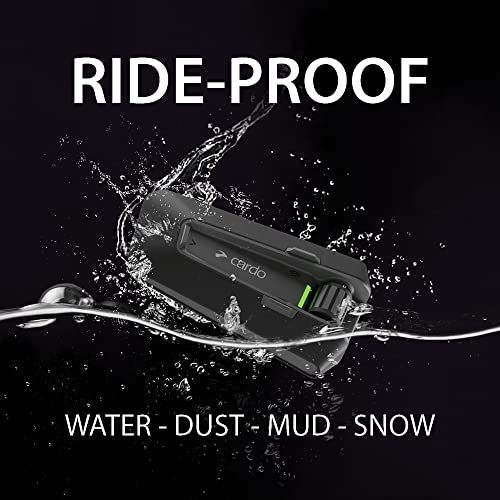
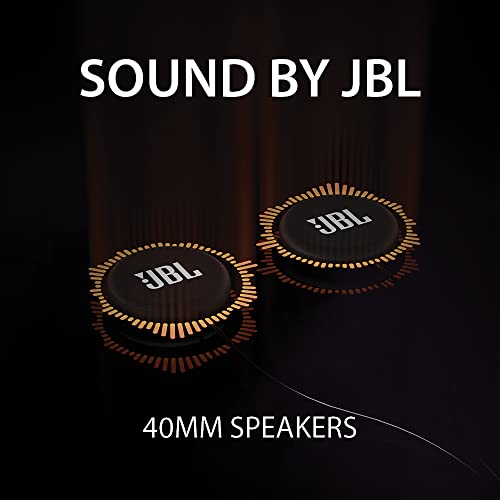
When group riding is your thing, this dual pack Neo becomes a top contender. You get everything that makes the single pack great, mesh networking for 15 riders, strong voice control, and JBL-engineered audio, but now you’re ready to roll with a partner and smoothly integrate into larger convoys. The setup is fast, and reviewers note the network self-heals well when riders drift in and out of range.
It still doesn’t include crash detection or auto on/off, which the PRO offers, but at nearly $200 less than the PRO dual pack, it’s easier to justify. For riding clubs or friends who tour in packs, this is the smarter buy. I’d choose it over the Spirit HD dual pack any day for the mesh advantage alone.
Product photos
Cardo Packtalk Neo Single Pack
Strengths
- Mesh networking
- Natural voice control
- JBL 40mm speakers
- Waterproof
- Easy grouping
Trade-offs
- No crash detection
- Smaller speakers than PRO
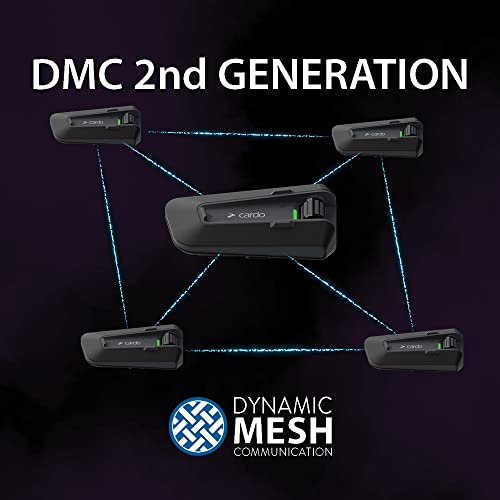
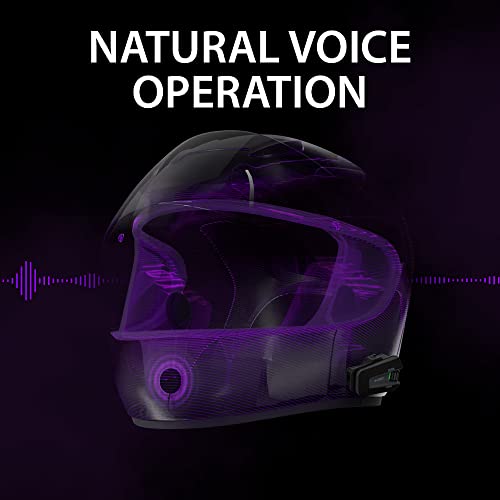
The Packtalk Neo strikes a smart balance between price and performance. With 2nd Gen Dynamic Mesh Communication, it supports up to 15 riders at 1.6km range, making it far more versatile than standard Bluetooth systems. The JBL-tuned 40mm speakers deliver crisp audio, and Natural Voice Operation works impressively well, letting you manage calls and music without lifting a finger.
Owners praise its ease of grouping and consistent connection retention in mixed terrain. Compared to the Spirit HD, it’s clearly the upgrade for social riders. And against the more expensive PACKTALK PRO, it sacrifices only speaker size and crash detection. For most mid-range buyers, this is the logical choice.
Product photos
Cardo PACKTALK Edge Dual Pack

Strengths
- Natural voice control
- Magnetic Air Mount
- Waterproof design
Trade-offs
- No crash detection
- No mesh networking
- Less audio depth than PRO
This dual pack version of the Edge doubles down on voice control and secure mounting, making it ideal for riders who hate fumbling with buttons. The ‘hey Cardo’ command works reliably, even at highway speeds, and the magnetic Air Mount ensures each unit stays firmly in place. It’s a clean, elegant solution for two-up riding where simplicity and stability matter most.
But here’s the catch: it still lacks crash detection and true mesh networking. Compared to the PACKTALK PRO dual pack, it feels like a step behind in safety and scalability. If voice operation is your absolute priority and you’re not joining large groups, it holds value. Otherwise, the PRO model delivers more for only slightly more.
Product photos


Cardo PACKTALK Edge Single Pack

Strengths
- Magnetic Air Mount
- Natural voice control
- Waterproof build
Trade-offs
- No crash detection
- Expensive for single pack
- No mesh networking
If secure mounting and hands-free control are your priorities, the PACKTALK Edge earns serious points. The Air Mount system is a standout, owners love how it snaps into place magnetically, staying put even on rough roads. But what really defines this unit is its Natural Voice Operation. Saying ‘hey Cardo’ to answer calls or change music keeps your focus where it should be: on the road.
It lacks crash detection, which the PRO model includes, but the voice engine feels more responsive than older Cardo systems. Battery life and range are solid, though not class-leading. When compared to the Neo, it offers similar voice convenience but at a much higher cost. My recommendation? Only go single-pack here if you’re certain you won’t expand to group rides later.
Product photos


Cardo Spirit HD Dual Pack

Strengths
- Affordable dual pack
- Waterproof
- FM radio with RDS
Trade-offs
- No voice control
- No mesh support
- Basic audio profile
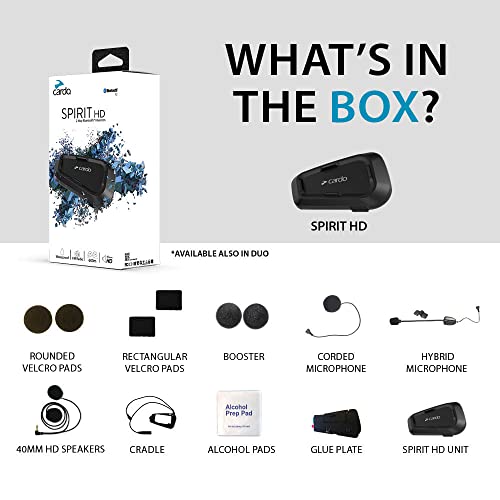
For riders wanting a dual-pack setup without draining their wallet, this Spirit HD bundle hits a real sweet spot. You get waterproofing, 600-meter intercom range, and that handy FM radio with RDS, all for well under $350. It’s the most affordable way to equip two helmets with Cardo reliability. Owners say pairing is quick and battery life is sufficient for weekend trips.
That said, it doesn’t support mesh networking or voice commands, and the audio, while clear, isn’t as dynamic as JBL-tuned models. Compared to the Packtalk Neo dual pack, it’s less capable in group settings. But if you’re mostly riding as a pair and want something dependable and low-cost, this one’s hard to beat.
Product photos


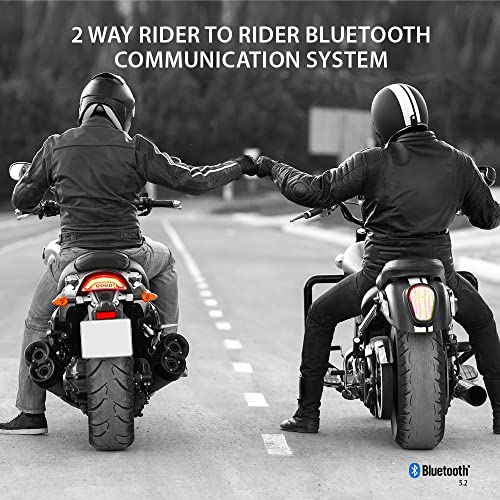
Cardo Spirit HD Single Pack
Strengths
- Waterproof design
- FM radio with RDS
- Over-the-air updates
Trade-offs
- Basic audio quality
- No voice control
- Limited to two riders
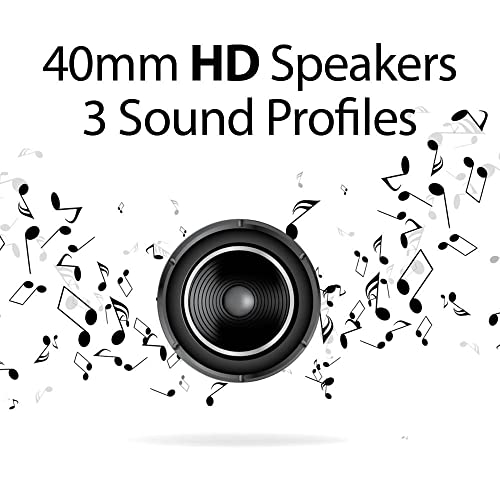
The Spirit HD stands out as a solid entry-level option in the Cardo lineup, especially if you’re riding solo or occasionally pairing up. On paper, it delivers core functionality well, waterproofing, over-the-air updates, and a built-in FM radio with RDS mean you won’t lose signal mid-ride. Owners consistently report reliable intercom performance up to 600 meters, which is respectable for the price.
Where it falls short is in audio richness and advanced features. Compared to models with JBL-tuned sound, the 40mm speakers here don’t quite deliver that immersive punch. But for riders who want dependable comms without overspending, this one makes sense. I’d pick it over pricier options only if you’re not planning group rides or deep tech integration.
Product photos
How We Evaluated cardo systems
My approach at TheAutoZenith is always to understand a product’s technical strengths alongside what riders actually experience. Rather than a hands-on lab test with each unit, this selection is a research-led comparison of published specifications, features, and, crucially, owner and expert reviews from around the web. I weighed those sources against my knowledge of motorcycle communication needs, focusing on real-world usability and value.
For Cardo systems, three factors stood out as most important. Sound quality, driven by the JBL partnership in several models, significantly impacts rider enjoyment. Reliable connectivity, specifically, the Dynamic Mesh Communication (DMC) technology, is vital for group rides. And finally, ease of use, including voice control and mounting systems, determines how practical a system is on long journeys. You can find more about the broader field of top rider communication systems in my other work.
Specifications reliably indicate things like range, waterproof ratings, and speaker size. However, owner feedback proved essential for discerning the true effectiveness of features like voice control and the stability of the Bluetooth connection. Reputation also factored heavily; Cardo has built a strong following, and consistent positive feedback across multiple models signaled quality and reliability. I also considered related tech, such as best Bluetooth audio systems to understand the baseline for audio quality.
How To Pick The Right cardo systems
Choosing a Cardo system can seem daunting given the options, but focusing on a few key elements will steer you towards the right setup for your riding style.
A quality motorcycle communication system prioritizes clear audio transmission, reliable connectivity across a useful range, and robust build quality to withstand the elements. Look for units with Bluetooth 5.0 or newer for stable connections, Dynamic Mesh Communication (DMC) for group flexibility, and waterproofing rated to at least IP67. Speaker quality and ease of use are also crucial considerations.
Intercom Range and Rider Count
For solo riders or those who frequently ride with just one passenger, range isn’t quite as critical. However, if you participate in group rides, you’ll want a system designed for larger networks. Cardo’s Dynamic Mesh Communication (DMC) is a standout here, it’s a system where each rider acts as a repeater, extending the overall range and maintaining connection even if someone falls outside the direct line of sight. The newer generations of DMC, found in the Packtalk Neo and Edge models, boast ranges up to 1.6km (1 mile) for up to 15 riders. Don’t automatically assume “more” is better; consider your typical group size. If you’re usually with 2-3 others, a system like the Spirit HD might suffice, saving you money without sacrificing essential connectivity. I’ve seen many riders prioritize a clean setup over absolute maximum range, especially when paired with a great set of best Bluetooth comms systems.
Sound Quality and Voice Control
The quality of the audio experience is often overlooked. Cardo’s partnership with JBL is a major win, with models like the Packtalk Pro and Neo featuring 40mm or 45mm speakers engineered for clarity and volume. But beyond the hardware, consider the software. Cardo’s Natural Voice Operation (NVO) is a significant step forward. It lets you control the unit with voice commands, meaning you can keep your hands on the bars and your eyes on the road. The Edge series really shines in this area.
Here’s what to weigh when considering sound and control: * Speaker Size: Larger speakers (45mm+) generally deliver richer sound. * Audio Profiles: Some units offer different EQ presets tailored to music, intercom, or navigation. * Voice Control Accuracy: Read reviews to see how reliably the NVO system responds to commands in real-world riding conditions. This can be a real differentiator.
Mounting and Overall Build Quality
A secure and reliable mount is absolutely essential. The Cardo Air Mount, a magnetic system, is a clear advantage. It’s remarkably easy to attach and detach the unit, even with gloves on. But beyond the mount itself, look at the overall build quality. Cardo systems are generally well-regarded for their waterproofing (important if you ride in all conditions) and durable construction. If you’re also looking to upgrade the sound system on your ride, exploring motorcycle stereo systems can complement your comms setup nicely.
A loose or unreliable mount can quickly ruin a ride. Prioritize systems with proven mounting solutions and read reviews specifically about mount stability.
Cardo Systems Compared
Here’s a comparison of key specifications for various Cardo Systems intercoms.
| Product Name | Max Riders | Max Range (km) | Speaker Size (mm) | Waterproof | Voice Control |
|---|---|---|---|---|---|
| Cardo PACKTALK PRO Dual Pack | N/A | N/A | 45 | Yes | N/A |
| Cardo PACKTALK PRO Single Pack | N/A | N/A | 45 | Yes | N/A |
| Cardo Packtalk Neo Dual Pack | 15 | 1.6 | 40 | Yes | Yes |
| Cardo Packtalk Neo Single Pack | 15 | 1.6 | 40 | Yes | Yes |
| Cardo PACKTALK Edge Dual Pack | N/A | N/A | N/A | Yes | Yes |
| Cardo PACKTALK Edge Single Pack | N/A | N/A | N/A | Yes | Yes |
| Cardo Spirit HD Dual Pack | 2 | 0.6 | 40 | Yes | N/A |
| Cardo Spirit HD Single Pack | 2 | 0.6 | 40 | Yes | N/A |
Frequently Asked Questions
What is the real-world difference between Cardo’s DMC and standard Bluetooth intercoms?
Dynamic Mesh Communication (DMC) offers significantly greater stability and range than traditional Bluetooth, especially in larger groups. With DMC, each rider’s unit rebroadcasts the signal, creating a resilient network that isn’t easily broken by distance or obstructions – it’s a key advantage for serious group riding.
Are Cardo systems compatible with non-Cardo Bluetooth headsets?
Yes, Cardo systems are generally backwards compatible with standard Bluetooth headsets, but you’ll lose the benefits of DMC. You’ll be limited to a one-to-one connection, and the range will be reduced to typical Bluetooth distances, around 10-20 meters.
How does the Cardo Natural Voice Operation (NVO) compare to other voice control systems?
Cardo’s NVO is consistently praised for its accuracy and responsiveness, even with wind noise present. Unlike some systems requiring specific wake words or phrasing, NVO aims for a more natural conversational style, making it easier to control your unit while riding.
Can I use a Cardo system with my smartphone for music and navigation simultaneously?
Absolutely. Most Cardo systems support multi-device pairing, allowing you to connect to your smartphone for music, GPS navigation, and calls while maintaining an active intercom connection with other riders. This requires Bluetooth 5.0 or later for stable performance.
Beyond motorcycle communication, could a Cardo system integrate with other audio setups?
While primarily designed for motorcycle use, some riders explore integrating their Cardo systems with their motorcycle sound systems for a more immersive audio experience. However, keep in mind that this may require additional adapters or configuration and isn’t a standard feature.
The Bottom Line
Choosing a Cardo system often comes down to balancing your needs with your budget. While the top-tier Cardo Packtalk Pro delivers impressive features and sound, the Cardo Packtalk Neo strikes a fantastic balance of performance, range, and usability for most riders. It offers the benefits of DMC and natural voice operation without the highest price tag.
If you’re primarily a solo rider or consistently ride with just one other person, the Cardo Spirit HD is a sensible choice. For those looking to really enhance their audio experience, exploring Cardo speaker upgrades can be a worthwhile investment. And if you’re also passionate about sound in your other vehicles, comparing options in best car audio systems can give you valuable perspective.
Ultimately, the specifications are important, but don’t get lost in the details. Prioritize a system that fits comfortably, offers clear communication, and, most importantly, allows you to stay focused on the road. A well-chosen system enhances the ride, but it’s a rider’s skill and attention that truly make the difference.
