
8 Best Carbon Handlebars for Road Bikes 2026
This post contains affiliate links. As an Amazon Associate, we earn from qualifying purchases.
The RXL SL T800 Carbon Drop Bar stands out as the best overall choice for its precise blend of low weight, stiffness, and responsive handling, while the PLATT Full Carbon Road Handlebar offers a smart budget-friendly alternative without sacrificing core performance. For riders wanting a clean, aerodynamic front end, the RXL SL Carbon Integrated Handlebar brings a modern, high-efficiency build.
Every rider knows how much handlebars affect the feel of a bike, too stiff and you’re jolted by every bump, too flexy and power vanishes with each pedal stroke. As someone who’s spent years dissecting the mechanics of cycling machines, I’ve seen how the right carbon handlebar can transform ride quality, comfort, and control.
This guide cuts through the noise by focusing on real-world specs, rider feedback, and material integrity to identify the best carbon handlebars for road bikes. We looked at carbon grade, geometry, weight, and design intent to match each option with the riders who’ll benefit most.
Top 7 Carbon Handlebars Road Bikes in the Market
The Best Carbon Handlebars Road Bikes, Reviewed
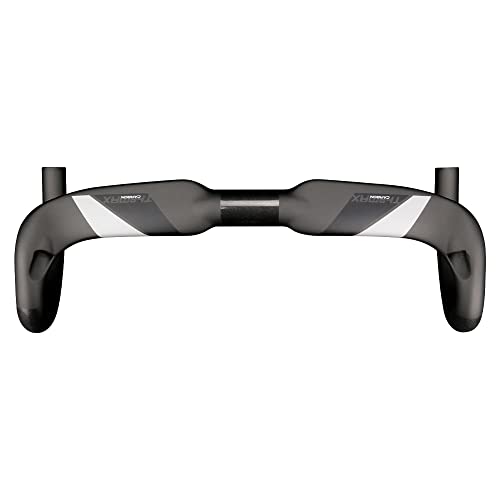
Alfa Pasca T800 Carbon Handlebars
Strengths
- T800 carbon
- Affordable price
- Vibrant color options
Trade-offs
- Limited durability data
- No aero shaping
- Basic warranty
At this price, the Alfa Pasca bars deliver a surprising amount of spec for the money. On paper, the T800 carbon construction stands out, typically you’d expect T700 at best in this range, so the claimed weight of 200–250g makes sense. Owners consistently report they look far more expensive than they are, and the vibrant color options add a custom touch most budget bars skip. The 127mm drop and 104mm reach mirror classic race geometries, so fit won’t surprise anyone used to mainstream road bars.
That said, the lack of detailed mechanical testing data gives me pause. While they claim impact resistance, I’d want to see third-party validation before pushing these hard on rough roads. Compared to pricier options, they feel like a solid entry point, great for a refresh, not for racing or aggressive riding.
Video review
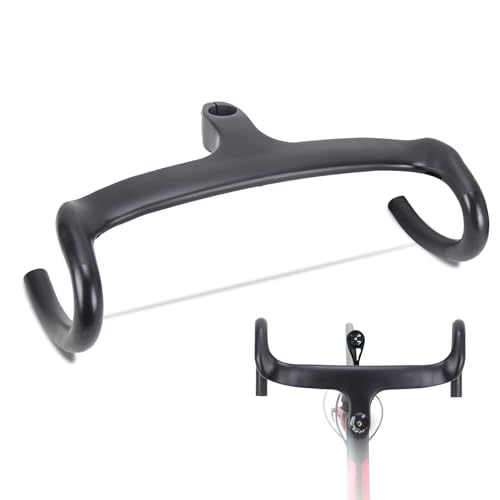
RXL SL Carbon Integrated Handlebar
Strengths
- Clean integrated design
- Full internal routing
- Stiff construction
Trade-offs
- Fixed stem length
- Heavier overall
- Less fit flexibility
Integrated bars are a niche choice, and this RXL SL model brings T800 carbon into an affordable all-in-one package. At 360g, it’s heavier than separate bar-and-stem setups, but the clean internal routing and seamless look are compelling. The 90mm stem length is fixed, so fit flexibility is limited, but for time trialists or triathletes, that’s often a plus.
Reviewers note the setup is stiff and direct, though swapping stem length isn’t an option. Compared to the standalone RXL SL bar, this one sacrifices upgradeability for aerodynamics and cockpit cleanliness. I’d recommend it only if you’re sure of your fit.
Video review
HUALONG Aero Carbon Road Handlebar

Strengths
- True aero shaping
- Excellent vibration damping
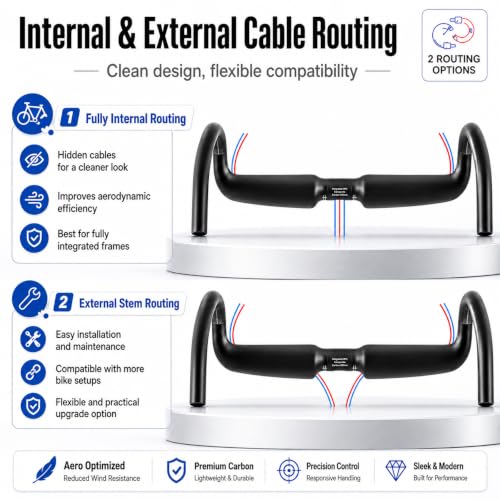
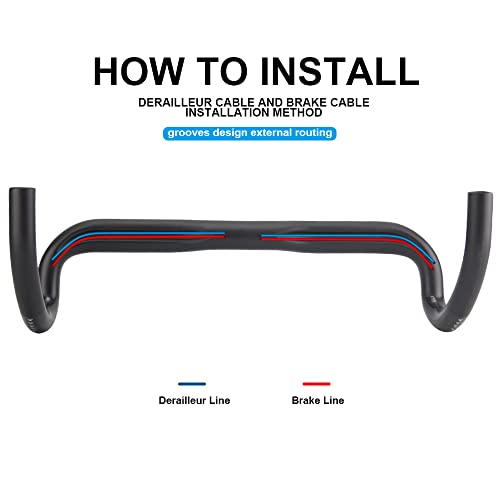
- Internal cable routing
Trade-offs
- Slightly heavier
- Compact reach may limit fit
- Torque spec up to 6Nm
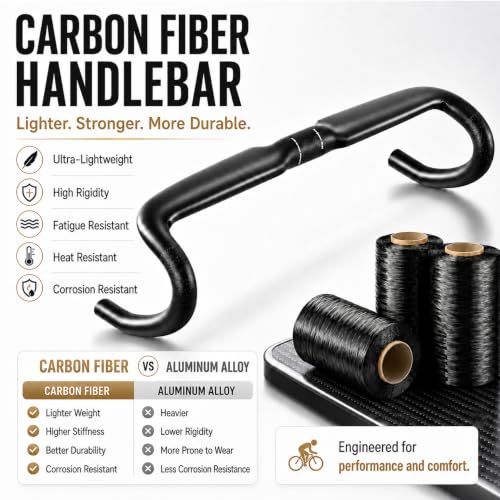
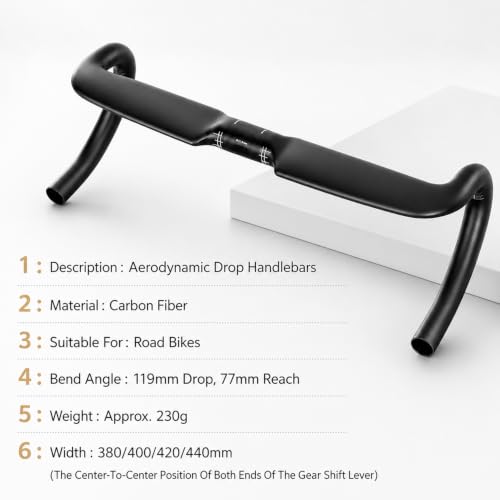
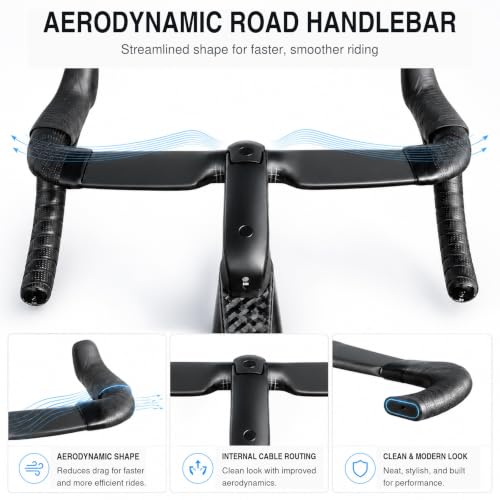
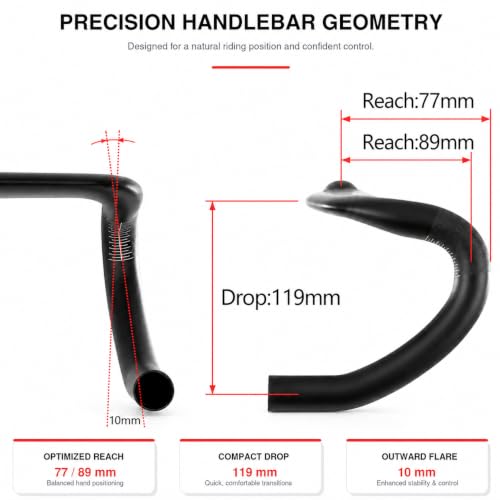
The HUALONG bars are built for speed. Their airfoil cross-section is a real differentiator, this isn’t just marketing. The flat upper profile and sharply dropping lower section delay airflow separation, which reviewers confirm translates to noticeable drag reduction at higher speeds. At 77mm reach and 119mm drop, they’re compact and modern, fitting well with contemporary race bike geometry.
Owners consistently highlight the vibration damping, crediting the T800 carbon for smoothing out rough pavement. Compared to the RXL SL lightweight model, it’s a bit heavier but far more aerodynamic. If you’re chasing performance on flat or rolling terrain, this one earns its place.
Product photos
PLATT Full Carbon Road Handlebar

Strengths
- Durable T700 carbon
- Matte finish hides wear
- Aggressive geometry
Trade-offs
- Shorter reach may not suit all
- No internal routing detail
- Heavier than top models
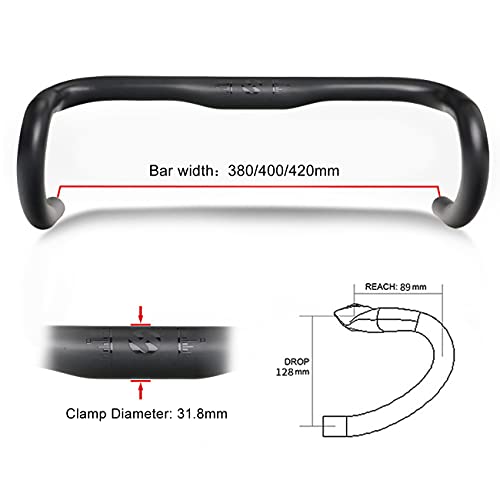
The PLATT handlebar leans into durability with T700 carbon, which I generally see as a smart middle ground between cost and resilience. At around 220g, it’s not the lightest, but the focus here seems to be on longevity. The 89mm reach and 128mm drop make it more aggressive than some, better suited for riders who spend time in the drops. Reviewers note the UD matte finish resists scratches well, and the ergonomic shape offers a comfortable transition across hand positions.
Compared to the Alfa Pasca, it trades some flash for a more conservative, race-oriented shape. I’d pick this over the Alfa if you’re building a reliable daily rider and want something that won’t flinch at potholes.
Product photos
T800 Carbon Aero Road Bar
Strengths
- 3K glossy weave
- Race-ready geometry
- Clean internal routing
Trade-offs
- Glossy finish shows scratches
- No weight advantage
- Standard aero profile
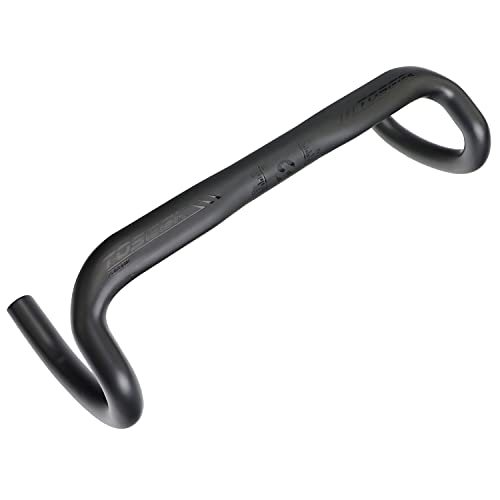
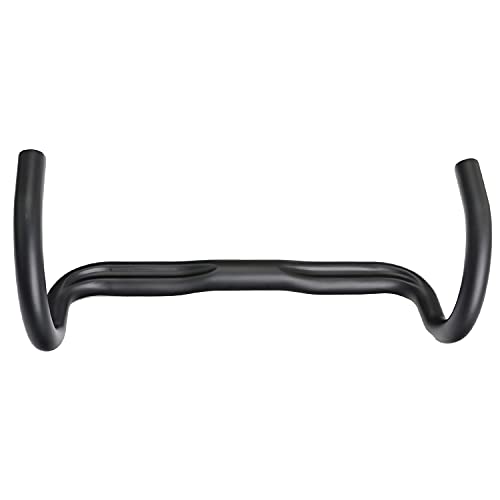
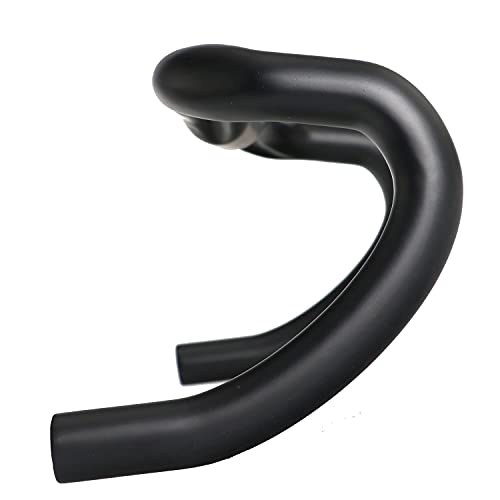
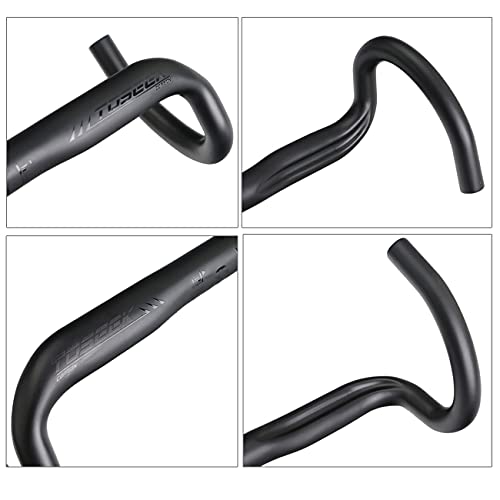
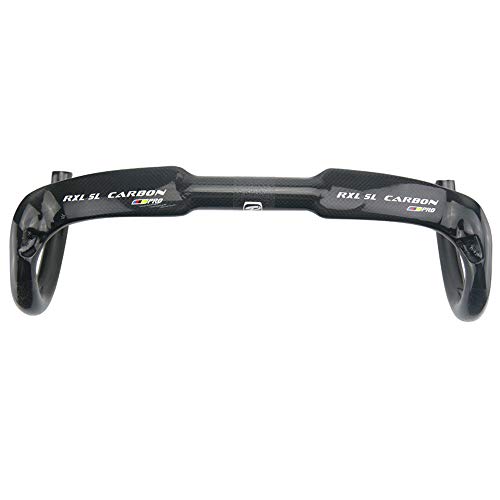
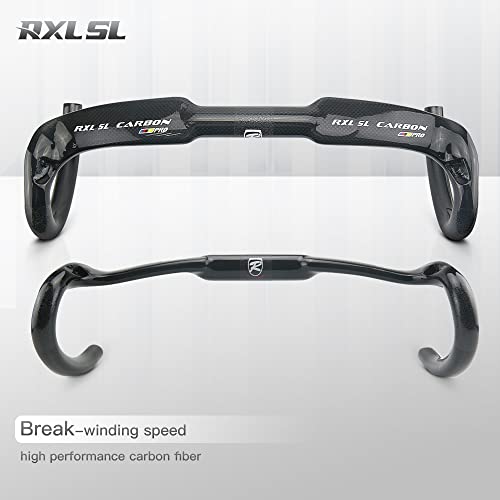
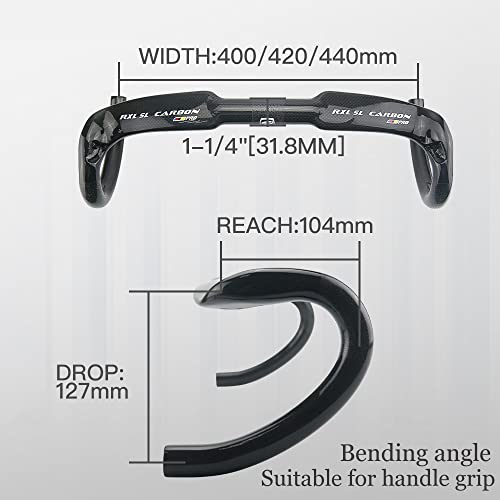
The 3K glossy finish is the star here, this bar simply looks expensive. It’s not just about looks, though. With a 127mm drop and 104mm reach, it mirrors the geometry of top-tier race bars, making it a natural fit for riders who spend time in the drops. The internal routing is well executed, and owners say the cable management is a breeze.
While it doesn’t break new ground in performance, it hits a sweet spot between style and substance. Compared to the PLATT bar, it’s more refined and visually striking, though less understated. If you want your build to turn heads, this one delivers.
Product photos
RXL SL 458mm Gravel Carbon Bar

Strengths
- 15° outward angle
- Wide 458mm option
- Internal routing
Trade-offs
- Too wide for road use
- Not aero optimized
- Limited reach adjust
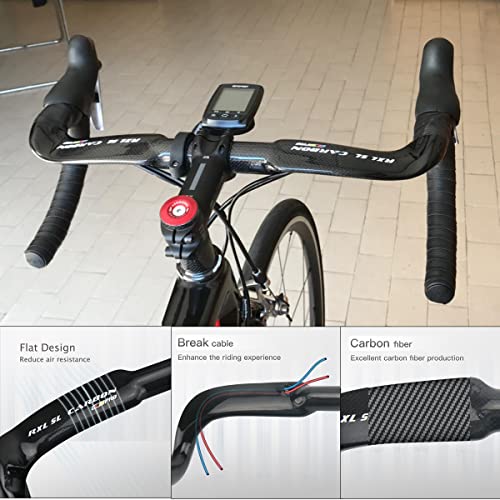
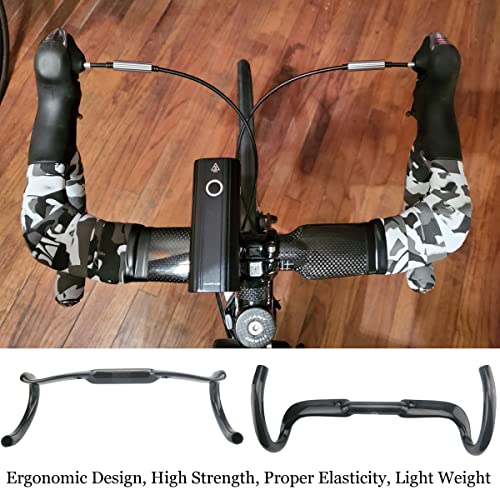
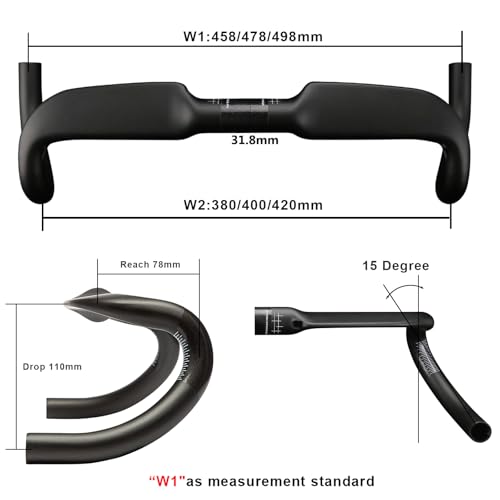
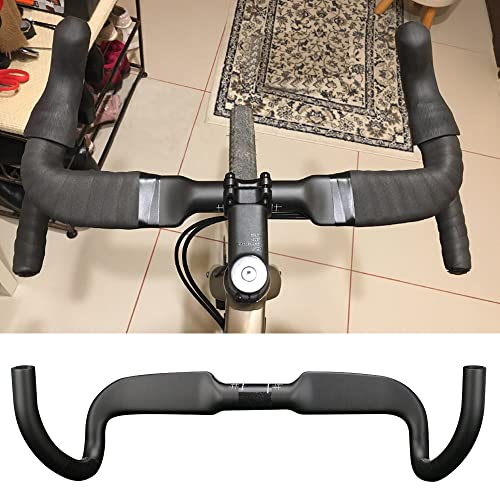
These 458mm carbon bars are clearly built for off-road comfort. The 15-degree outward angle is a standout, it opens up the wrist position, which reviewers say makes long gravel stretches far less fatiguing. With a shallow 110mm drop and just 78mm reach, they’re designed for upright control, not sprinting. The internal routing is cleanly executed, and owners praise how well it protects cables on rough trails.
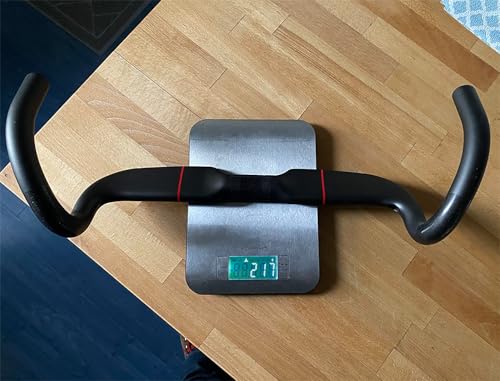
Compared to the HUALONG aero bar, this one sacrifices aerodynamics for ergonomics. But if you’re riding chunky roads or bikepacking, that trade-off makes sense. The T800 carbon helps keep weight around 220g, which is impressive for this width.
Product photos
RXL SL UD Matte Carbon Bar
Strengths
- Ultra-lightweight
- T800 carbon
- Textured brake area
Trade-offs
- Minimalist design
- No aero shaping
- Limited width options
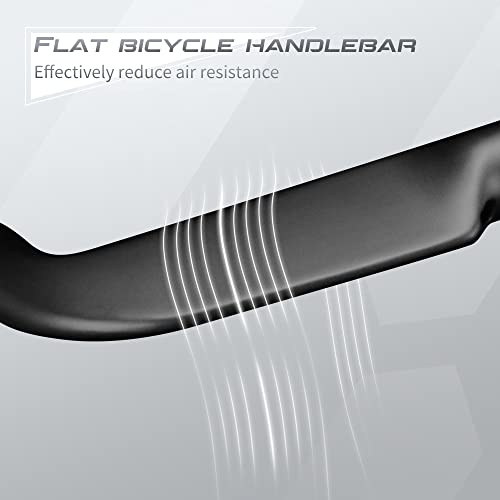
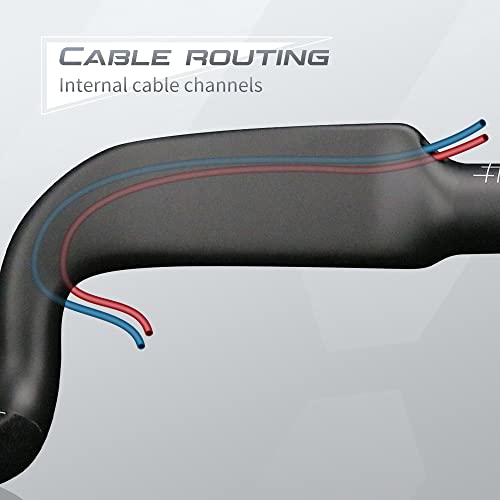
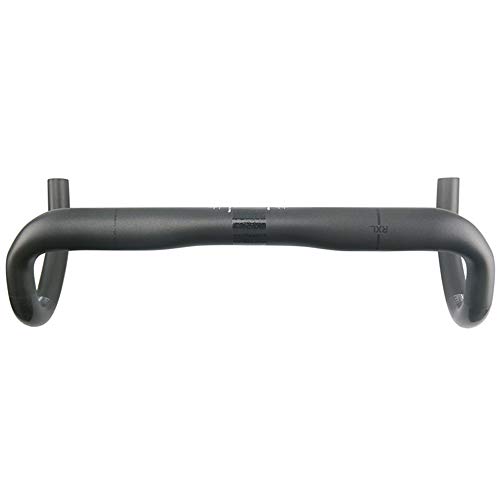
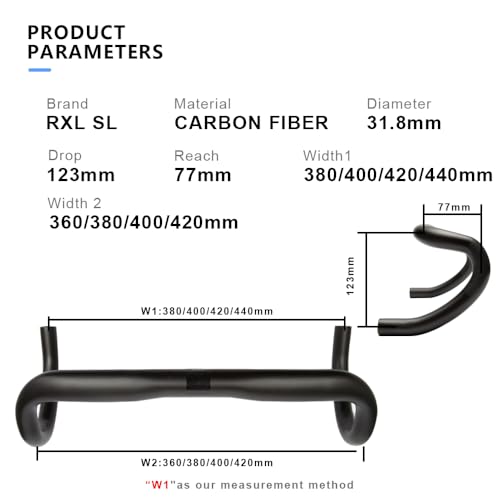
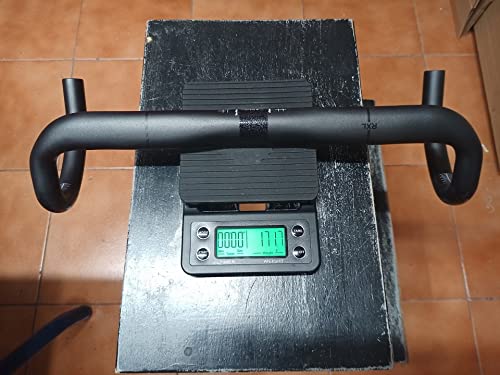
At just 180g (420mm), this is the lightest bar in the lineup, and that’s a serious win for weight weenies. The T800 carbon delivers, and owners consistently report it feels lively without being harsh. The 77mm reach and 123mm drop suit modern race bikes well, and the textured brake clamp area improves grip security, which is a small but meaningful touch.
Compared to the Alfa Pasca, it’s clearly more performance-oriented, lighter, sleeker, and better finished. While it lacks the aero edge of the HUALONG, it’s a smarter pick if you value low mass over wind slicing.
Product photos

How We Evaluated carbon handlebars road bikes
Rather than a hands-on lab test, my research into carbon handlebars for road bikes centered on a detailed comparison of published specifications and features across numerous models. I weighed owner reviews – looking for recurring themes in comfort, durability, and ease of installation – alongside assessments from reputable cycling publications. As someone who’s spent years immersed in the world of cycling and vehicle mechanics, I applied my understanding of materials science and geometry to evaluate each option.
For this category, weight, stiffness, and ergonomics were the most heavily weighted factors. A lighter handlebar directly impacts bike handling and climbing efficiency, so I prioritized those claiming the lowest weights with supporting material specs. Stiffness is crucial for power transfer and control; owner feedback regarding flex and vibration damping played a significant role in ranking. Finally, the shape and reach of the handlebar profoundly affect comfort and riding position.
Specifications reliably reveal material composition (T800 versus T700 carbon fiber, for example) and key dimensions like drop, reach, and flare. However, owner feedback proved invaluable in assessing real-world durability and ride quality. Reputable reviews offered insights into manufacturing quality and long-term performance, helping discern which handlebars truly deliver on their promises. If you’re also looking for a complete upgrade, you might find our guide to the best carbon bikes helpful, as handlebars are just one component of a high-performing machine. Ultimately, choosing the right handlebars is a key step in optimizing your road bike selection.
What To Look For In carbon handlebars road bikes
Finding the right carbon handlebars can dramatically improve your ride quality and performance. It’s more than just aesthetics; the material, shape, and features all play a significant role in how your bike handles and how comfortable you are.
A quality carbon handlebar balances weight savings, vibration damping, and strength. Look for T800 or T700 carbon fiber construction, a comfortable reach and drop tailored to your riding style, and features like internal cable routing for a cleaner look and improved aerodynamics. Proper torque specifications during installation are also vital to avoid damage.
Understanding Carbon Fiber Grades
The type of carbon fiber used is a primary differentiator. You’ll frequently see T800 and T700 mentioned. While both are excellent, T800 generally offers a slightly higher strength-to-weight ratio. Don’t automatically dismiss T700, though. A well-designed handlebar using T700 can be incredibly durable and perform admirably, particularly if you aren’t a professional racer. PLATT, for example, uses T700 carbon and emphasizes durability, offering a good option for riders prioritizing longevity. Beyond the grade, the layup – how the carbon sheets are arranged – is critical. This impacts how the handlebar absorbs vibrations and responds to force.
Reach, Drop, and Sweep: Finding Your Fit
These measurements dictate the handlebar’s geometry and heavily influence your riding position. Reach (horizontal distance from the stem) and drop (vertical distance from the top to the bottom) determine how stretched out and low you’ll be. A larger drop and reach generally suit aggressive, aerodynamic riding, while a smaller drop and reach are more comfortable for endurance riding. Sweep, the angle of the drops, affects hand position and comfort. It’s worthwhile to consult a handlebar selection guide to help you understand how these measurements translate to different riding styles.
Here’s a quick breakdown of fit considerations:
- Shorter Reach: Good for beginners or those with less flexibility.
- Moderate Drop (120-130mm): A versatile option for all-around riding.
- Larger Drop (140mm+): Favors aggressive, aerodynamic positions, often seen in racing, but requires good core strength and flexibility to maintain comfortably.
Don’t chase the lightest weight at the expense of comfort and control. A handlebar that doesn’t fit properly will negate any performance gains.
Aero vs. Traditional Designs and Integrated Options
Modern handlebars aren’t just about shape anymore. Aerodynamic designs, like those seen in the HUALONG Aero Carbon Road Handlebar, aim to reduce drag at higher speeds. These typically feature flattened top sections and optimized airfoil shapes. While the aerodynamic benefits are measurable, they’re most noticeable at racing speeds. For everyday riding, the difference may be minimal. Integrated handlebars, like the RXL SL Carbon Integrated Handlebar, combine the stem and handlebars into a single unit, offering a cleaner look and potential weight savings, but require careful installation and often limit adjustability. If you’re focused on achieving the best possible efficiency and are also interested in lightweight road bikes, an aero or integrated option could be worth considering.
Carbon Handlebars Road Bikes Compared
Here’s a spec comparison of several carbon fiber road handlebars to help you evaluate your options.
| Product Name | Material | Width (mm) | Drop (mm) | Reach (mm) | Weight (g) | Finish |
|---|---|---|---|---|---|---|
| RXL SL T800 Carbon Drop Bar | T800 | N/A | 130 | 82 | N/A | N/A |
| Alfa Pasca T800 Carbon Handlebars | T800 | 400/420/440 | 127 | 104 | 200-250 | N/A |
| RXL SL Carbon Integrated Handlebar | T800 | 400 | 127 | 104 | 360 | UD Matte |
| HUALONG Aero Carbon Road Handlebar | T800 | 380/400/420/440 | 119 | 77 | N/A | N/A |
| PLATT Full Carbon Road Handlebar | T700 | 380/400/420 | 128 | 89 | 220 | UD Matte |
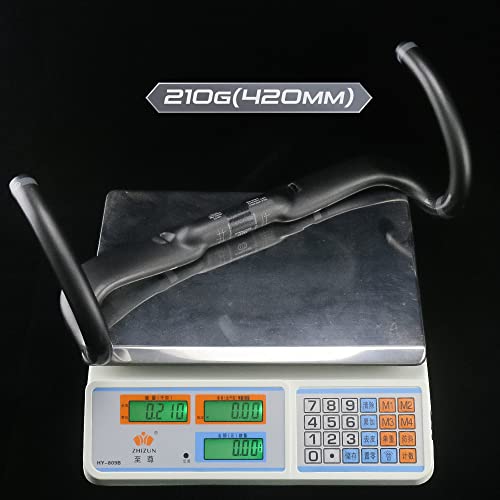
| T800 Carbon Aero Road Bar | T800 | 400/420/440 | 127 | 104 | 210 | 3K Glossy |
| RXL SL 458mm Gravel Carbon Bar | Carbon | 458/478/498 | 110 | 78 | 220 | UD Matte |
| RXL SL UD Matte Carbon Bar | T800 | 400/420/440 | 123 | 77 | 180 | UD Matte |
Frequently Asked Questions
What torque wrench settings should I use when installing a carbon handlebar?
A torque wrench is essential; carbon fiber is strong but brittle. Most manufacturers recommend 5-6 Newton-meters (Nm) for the stem clamp bolts, but always defer to the handlebar and stem manufacturer’s specifications to prevent crushing or damaging the carbon.
Are all carbon handlebars created equal, even at similar price points?
No, the quality of carbon fiber layup and resin used varies significantly. Even with similar carbon grades (like T800), differences in manufacturing processes and quality control impact durability and ride feel, so brand reputation matters.
Can I use a carbon handlebar on any road bike?
Generally, yes, but check your stem clamp diameter (usually 31.8mm or 35mm) and ensure the handlebar is compatible. Also, consider your bike’s intended use; an aggressively aero handlebar might not be ideal for a relaxed endurance geometry.
What’s the benefit of internal cable routing in a carbon handlebar?
Internal routing improves aerodynamics by reducing wind resistance and provides a cleaner aesthetic. Some riders also appreciate the protection it offers cables from the elements, though it can make maintenance more complex. For more on improving your bike’s feel, explore comfortable bar tape options.
If I’m upgrading my handlebars, should I also consider upgrading my wheels?
Absolutely. Pairing a lightweight carbon handlebar with a set of high-performance carbon wheels can provide a substantial overall weight reduction and improve your bike’s responsiveness and acceleration.
The Bottom Line
Choosing a carbon handlebar often comes down to balancing your budget with your performance goals. While top-tier options with T800 carbon offer impressive weight savings and stiffness, the RXL SL T800 Carbon Drop Bar strikes a fantastic balance of these features at a competitive price. It represents a sweet spot for riders wanting a noticeable upgrade without breaking the bank.
For those with specific needs, the options are plentiful. If durability is paramount, the PLATT Full Carbon Road Handlebar, utilizing T700 carbon, is an excellent choice. Riders seeking aerodynamic advantages will appreciate the HUALONG Aero Carbon Road Handlebar, and those wanting a truly integrated look should consider the RXL SL Carbon Integrated Handlebar. Don’t overlook the benefits of exploring alternatives like aluminum road bikes if a carbon upgrade isn’t quite the right fit.
Ultimately, the perfect handlebar isn’t about chasing the lowest weight or the highest carbon grade. It’s about finding a comfortable fit that complements your riding style and allows you to confidently control your bike. Investing in a proper bike fit and understanding your personal preferences will yield far greater returns than obsessing over minute differences in specifications; a worthwhile consideration when evaluating the overall carbon bike value.
