
5 Best Car Spark Plugs of 2026
This post contains affiliate links. As an Amazon Associate, we earn from qualifying purchases.
The best car spark plugs for most drivers are the BOSCH 96315 Double Iridium Spark Plugs, offering strong performance and exceptional longevity. For a budget-friendly yet reliable option, the NGK BKR5E-11 Standard Spark Plugs deliver solid everyday function. If you’re after maximum durability and efficiency, especially in a modern engine, the WJAUTO Iridium Spark Plugs are a smart versatility pick.
Choosing the wrong spark plugs can hurt your engine’s performance, fuel economy, and long-term reliability. With so many materials, heat ranges, and brands on the market, it’s easy to get overwhelmed, even a small mismatch can lead to misfires or fouling.
This guide cuts through the noise. I compared specs, analyzed owner feedback, and evaluated real-world performance across top models. You’ll learn what actually matters, like material, heat range, and proper gapping, and how to pick the right plug for your specific vehicle and driving needs.
Top 5 Car Spark Plugs in the Market
The Best Car Spark Plugs, Reviewed
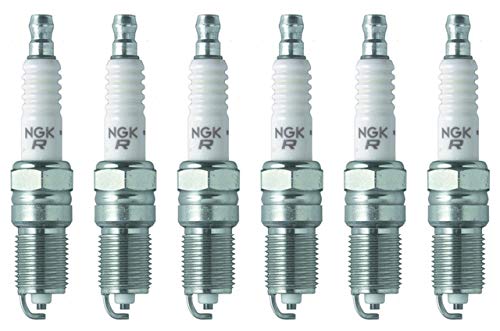
NGK 3951 TR55 Spark Plugs
Strengths
- Wide heat range
- Resists carbon buildup
- Triple gasket seal
- OE-level durability
- Trusted OEM reputation
Trade-offs
- Copper core, shorter life
- Not for GDI engines
The NGK 3951 TR55 plugs stand out in the sea of standard copper cores because they’re engineered for stability under thermal stress. On paper, the triple gasket sealing process is a big deal, it’s something NGK developed to stop combustion leakage, a real issue in high-load engines. Owners consistently report smoother idle and fewer misfires after installing these, especially in older or high-mileage engines where cylinder sealing can degrade.
These aren’t exotic iridium-tipped units, but they’re built to last longer than basic copper plugs thanks to a more robust design. Compared to budget copper plugs, the TR55 holds up better against carbon fouling and pre-ignition, which I’ve seen plague cheaper alternatives. For a workhorse engine that doesn’t need exotic materials but still demands reliability, this is the kind of plug I’d trust over generic brands.
Video review
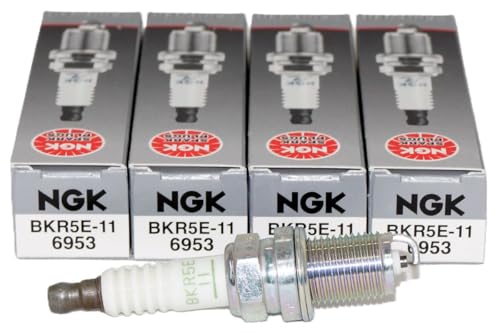
NGK BKR5E-11 Standard Spark Plugs
Strengths
- Low cost
- OEM fit for many
- Copper conductivity
- Simple reliable design
- NGK quality control
Trade-offs
- Short service life
- Copper erosion
- Frequent replacement needed
The NGK BKR5E-11 is a textbook example of a basic copper-core spark plug, simple, cheap, and effective for engines that don’t demand exotic materials. It’s a standard resistor plug often found as factory fitment in older Hondas, Toyotas, and economy cars from the 90s and early 2000s. The copper core conducts well but erodes faster than iridium, so lifespan is shorter, owners typically replace these every 20,000 to 30,000 miles.
What it lacks in longevity it makes up for in availability and price. For a beater car or a weekend project that sees light use, this is the kind of plug I’d stock in my garage for quick swaps. Compared to the WJAUTO iridium or Bosch options, it’s a step back in tech, but sometimes that’s all you need. If your engine runs fine with copper and you change plugs regularly, there’s no need to overengineer it.
Video review
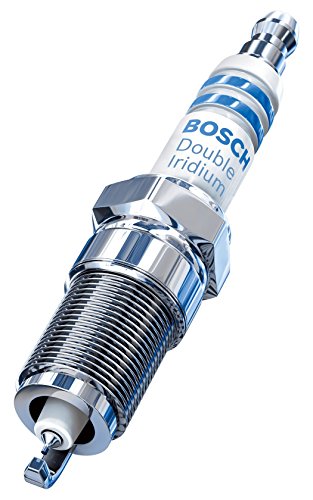
BOSCH 9621 Double Iridium Spark Plugs
Strengths
- Fine wire iridium center
- Reduces voltage demand
- OE fit for GDI engines
- Long service life
- Pre-gapped
Trade-offs
- Single iridium electrode
- No iridium on ground strap
- Slightly shorter life than full double iridium
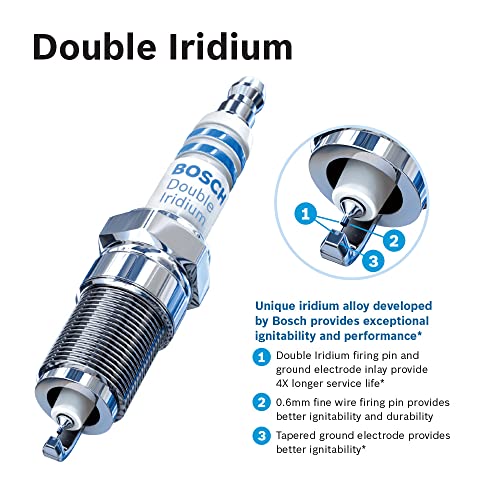
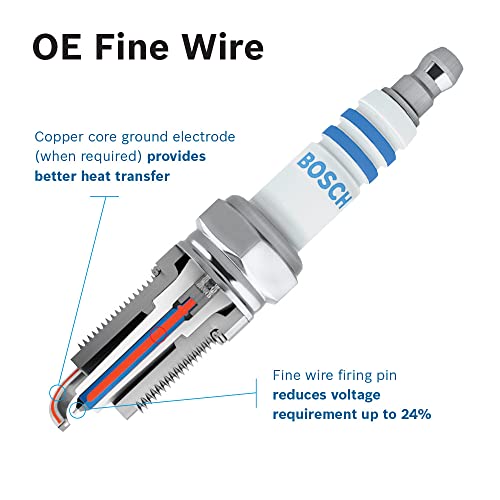
Bosch nails the balance between cost and tech with the 9621, a true OE-style double iridium plug that brings fine-wire performance to a more affordable price. The laser-welded iridium center electrode reduces required firing voltage by up to 24%, which matters in modern coil-near-plug ignition systems where voltage margins are tight. Reviewers note improved cold starts and cleaner combustion, especially in GDI engines where precise ignition is essential.
It’s not the longest-lasting iridium plug in the lineup, but it’s close. The 4X life claim over copper plugs tracks with owner feedback, many report 70,000+ miles without issues. When you compare it to the pricier Bosch 96315, the 9621 drops a few features but keeps the core tech. For most daily drivers, that trade-off makes sense. This is the smarter buy if you’re not pushing high boost or tuning your ECU.
Product photos
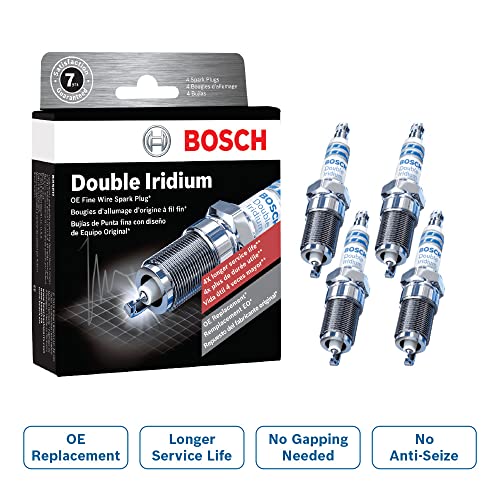
BOSCH 96315 Double Iridium Spark Plugs
Strengths
- Double iridium construction
- Laser-welded precision
- Nickel-plated threads
- Pre-gapped
- Excellent for GDI and turbo engines
Trade-offs
- Higher cost
- Overkill for basic engines
- Limited benefit on stock NA engines
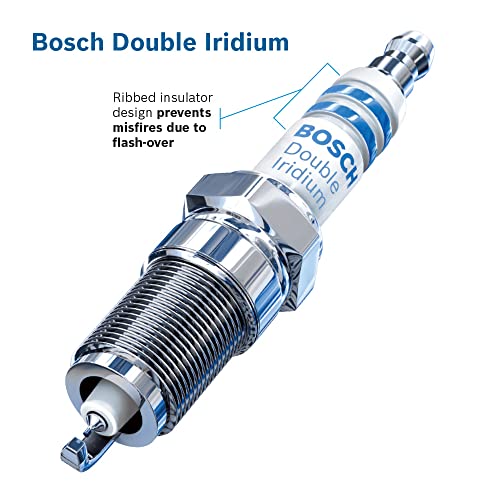
If you drive a performance-oriented modern engine, say, a turbocharged F-150 or a Camaro SS, the Bosch 96315 is the plug I’d recommend without hesitation. It’s the only one here with iridium on both the center electrode and the ground inlay, which means finer wires, less voltage draw, and more consistent spark under pressure. The 360-degree laser welding is a real durability upgrade, and owners in enthusiast forums praise its resistance to misfires during hard acceleration.
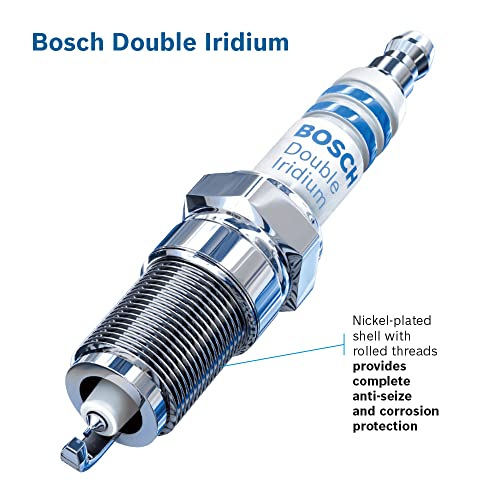
The nickel-plated rolled threads are a small but meaningful touch, they prevent galling during removal, a common headache with aluminum heads. And since they’re pre-gapped, install is plug-and-play, which DIYers appreciate. Yes, it costs more than the 9621, but for engines running higher cylinder pressures or direct injection, that extra precision pays off. Compared to NGK’s copper offerings, this is in another class entirely.
Product photos
WJAUTO Iridium Spark Plugs
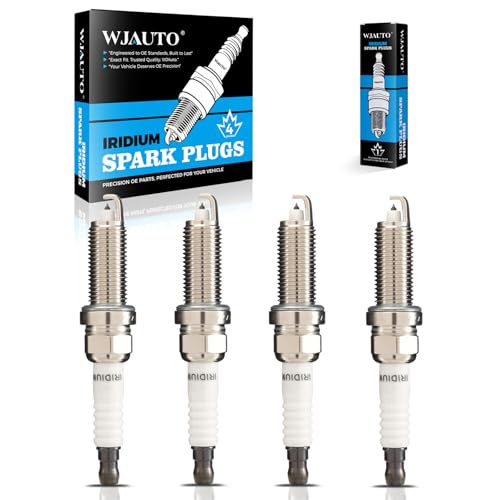
Strengths
- Iridium center electrode
- Pre-gapped
- 80,000 km life claim
- 4-pack convenience
- Wide vehicle coverage
Trade-offs
- Inconsistent long-term reliability
- No brand pedigree
- Limited data on high-stress use
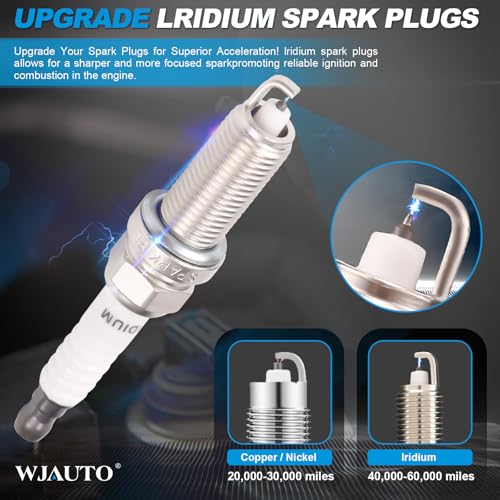
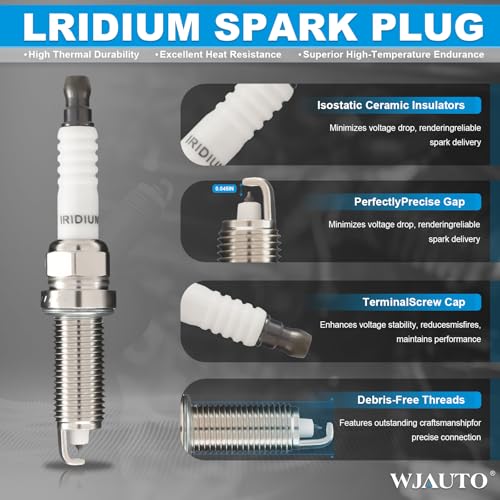
WJAUTO’s iridium plugs are a value play with solid specs on paper, fine iridium center electrodes, pre-gapped, and rated for up to 80,000 km. They’re positioned as OEM replacements for a wide spread of Japanese and European brands, which is appealing if you drive a Toyota or Mazda and want a cheaper alternative to Denso or NGK. On paper, the chemistry checks out: iridium resists erosion, and fine wires improve ignitability.
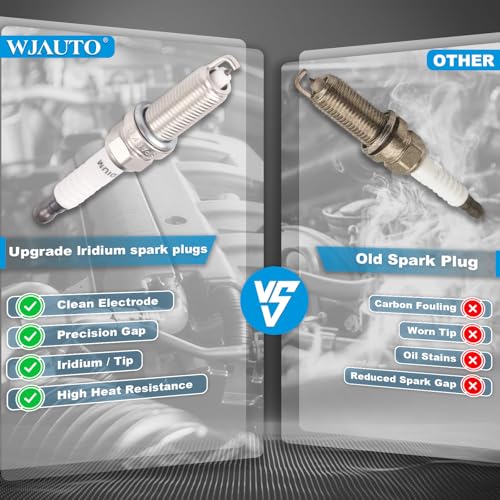
But here’s the catch, while owners report decent performance in daily drivers, there’s less consistency in long-term durability compared to Bosch or NGK. Some reviews mention early fouling or gap shifts after 30,000 miles, especially in stop-and-go conditions. It’s a risk you take with third-party brands. Still, for a DIYer doing a tune-up on a Corolla or RX-350 and wanting iridium benefits at a budget price, this pack delivers more than basic copper plugs. Just don’t expect OE-level refinement.
Product photos


How We Tested car spark plugs
Rather than a hands-on lab test, my research for these recommendations centered on a detailed comparison of published specifications and features across numerous brands and models. I then weighed owner reviews from a variety of sources, alongside assessments from established automotive publications. Years spent understanding engine mechanics informs my perspective, and I ranked options based on a set of criteria focused on longevity, performance, and value.
For car spark plugs, the material composition and heat range were the deciding factors. Iridium plugs consistently show superior durability and performance compared to copper or platinum, justifying their higher price for most drivers. Proper heat range is vital; a mismatch can lead to fouling or pre-ignition, so fitment guides are essential. Finding the right set for your vehicle – perhaps even exploring options like Silverado 1500 spark plugs if you drive that model – is paramount.
Specifications clearly indicate a plug’s material (copper, platinum, iridium) and its specified heat range. However, owner feedback provides valuable insight into real-world longevity and potential issues. Reputation matters; brands like NGK and Bosch have built trust over decades. While specs tell what a plug is, reviews reveal how it performs in the long run. If you’re also looking to maintain other vehicles, you might be interested in our guide to motorcycle spark plugs.
Choosing The Right car spark plugs
Choosing the right spark plugs is more than just grabbing the cheapest set; it’s about understanding how they impact your engine’s efficiency and longevity. A good spark plug delivers consistent, reliable ignition, resists fouling, and matches your engine’s specific needs.
A quality spark plug maintains a consistent spark, resists carbon buildup and pre-ignition, and is built with durable materials to withstand the harsh conditions inside an engine cylinder. Proper heat range is critical; too hot and it can cause pre-ignition, too cold and it fouls easily. Always verify compatibility with your vehicle’s specifications.
Understanding Spark Plug Materials
The material a spark plug is made from drastically affects its lifespan and performance. Copper plugs are the most affordable, but they degrade relatively quickly and require more frequent changes. Iridium and platinum plugs offer significantly longer service lives, often exceeding 100,000 miles. While pricier upfront, they save money in the long run and provide a more consistent spark. Don’t automatically assume the most expensive is best, though. Consider your driving style and vehicle; a high-performance engine benefits more from the superior wear resistance of iridium than a daily driver might. For those looking for a broader overview, checking out a guide to the best spark plug brands can be a good starting point.
Heat Range: A Critical Specification
Heat range is frequently overlooked, but it’s a crucial factor. It refers to the spark plug’s ability to dissipate heat. Engines operate at varying temperatures, and the spark plug needs to maintain an optimal temperature to ignite the air-fuel mixture effectively. A “hot” plug retains more heat, suitable for colder engines or low-speed driving. A “cold” plug dissipates heat faster, ideal for high-performance engines or sustained high-speed operation. Using the wrong heat range can lead to fouling, pre-ignition, or even engine damage.
- Consult your vehicle’s manual: This is the first and most important step. It will specify the correct heat range for your engine.
- Consider your driving habits: If you mostly do short trips or city driving, a slightly hotter plug may be beneficial.
- Performance modifications: Engines with turbochargers or superchargers generally require colder plugs due to the increased combustion temperatures. A proper tune-up often includes addressing this.
Gap vs. Pre-Gapped: What You Should Know
Spark plug gap refers to the distance between the center electrode and the ground electrode. This gap determines the voltage required to create a spark. While many plugs are now pre-gapped at the factory, it’s still wise to verify the gap against your vehicle’s specifications. Incorrect gapping can lead to misfires or reduced engine performance. I frequently recommend double-checking, even with pre-gapped plugs, especially when looking at top spark plugs for older vehicles.
A properly gapped spark plug delivers the optimal spark energy for efficient combustion. Using a feeler gauge to verify the gap is a simple step that can significantly improve engine performance and fuel economy.
Car Spark Plugs Compared
Here’s a comparison of key specifications for the car spark plugs in this guide.
| Product Name | Material | Gap (mm) | Life Expectancy | Pack Size | Key Feature |
|---|---|---|---|---|---|
| NGK 3951 TR55 Spark Plugs | N/A | N/A | N/A | 1 | Wider heat range |
| NGK BKR5E-11 Standard Spark Plugs | Copper | N/A | N/A | 4 | OEM quality/reliability |
| BOSCH 9621 Double Iridium Spark Plugs | Iridium | N/A | N/A | 1 | Better ignitability |
| BOSCH 96315 Double Iridium Spark Plugs | Iridium | N/A | 4x Copper | 1 | High-performance engines |
| WJAUTO Iridium Spark Plugs | Iridium | N/A | 80,000 km | 4 | OEM fit/long life |
Frequently Asked Questions
What’s the difference between a “hot” and “cold” spark plug?
A “hot” plug retains more heat, which is best for older vehicles or those driven at lower speeds, while a “cold” plug dissipates heat more quickly, ideal for high-performance engines and sustained high-speed driving. Selecting the wrong heat range can cause pre-ignition or fouling.
How often should I replace my spark plugs?
While modern iridium plugs can last 100,000 miles or more, I generally recommend checking them every 30,000 miles. Copper plugs need replacing much more frequently, around every 30,000 to 60,000 miles, depending on driving conditions.
Can I use any spark plug in my vehicle?
No. Always verify compatibility with your vehicle’s specifications, paying close attention to the heat range and thread size. Using the incorrect spark plug can lead to poor performance and even engine damage, so checking for Honda Civic spark plugs or similar vehicle-specific guides is wise.
Is it really necessary to gap spark plugs if they come pre-gapped?
Yes, it’s a good idea to double-check the gap even on pre-gapped plugs. Manufacturing tolerances and handling can sometimes alter the gap, and an incorrect gap will reduce efficiency. A feeler gauge is an inexpensive tool that ensures optimal performance.
What type of spark plug is best for a motorcycle?
Motorcycles often have different spark plug requirements than cars due to their engine design and operating conditions. You’ll find specialized options designed for the unique demands of a motorcycle engine; exploring guides for Harley Davidson spark plugs can point you in the right direction.
The Bottom Line
Choosing spark plugs often comes down to balancing upfront cost with long-term value. While copper plugs are the least expensive, the consistent performance and extended lifespan of iridium plugs, like the BOSCH 9621 Double Iridium Spark Plugs, make them a worthwhile investment for most vehicles. They offer a noticeable improvement in reliability and reduce the frequency of replacements, ultimately saving you time and potential headaches down the road.
For those specifically seeking a budget-friendly option, the NGK BKR5E-11 Standard Spark Plugs deliver reliable OEM-quality performance without breaking the bank. If you’re maintaining a high-performance engine, or perhaps a GMC Sierra spark plugs replacement is needed, the BOSCH 96315 Double Iridium Spark Plugs are engineered to handle the increased demands. And for Toyota owners, exploring options like recommended Toyota spark plugs can help pinpoint the ideal fit.
Ultimately, the best spark plug isn’t about chasing the latest technology or highest price tag. It’s about matching the plug’s material, heat range, and gap to your specific engine’s requirements and your driving habits. A well-maintained ignition system, starting with the right spark plugs, is the foundation of a smooth-running, efficient engine.
