
7 Best Car Seats for a 10 Month Old 2026
This post contains affiliate links. As an Amazon Associate, we earn from qualifying purchases.
The Graco Extend2Fit stands out as the best car seat for a 10-month-old, offering an impressive rear-facing limit up to 50 pounds and strong safety features. For a more budget-friendly option, the Evenflo Tribute LX Convertible delivers solid protection without breaking the bank. If you want one seat that grows with your child through multiple stages, the Baby Trend Cover Me 4-in-1 is a versatile pick backed by solid specs and user feedback.
At ten months, your baby is growing fast, and their current infant seat might already be too small. That means it’s time to move into a convertible seat that keeps them safely rear-facing longer, which is exactly what their developing body needs in a crash.
This guide cuts through the noise by focusing on real-world performance, safety engineering, and long-term usability. I looked at specs, owner experiences, and design details that matter most when choosing a seat that fits your vehicle, lifestyle, and peace of mind.
Top 7 Car Seats For A 10 Month Old in the Market
The Best Car Seats For A 10 Month Old, Reviewed
Graco Extend2Fit Convertible Car Seat

Strengths
- Extended rear-facing to 50 lb
- Legroom extension panel
- Top safety engineering
Trade-offs
- No booster mode
- Heavier than average
- Higher price than basics
This is my pick for best overall, not because it does everything, but because it nails what matters most for a 10-month-old: rear-facing safety and room to grow. The Extend2Fit panel gives up to 5 inches of extra legroom, letting kids stay rear-facing up to 50 pounds, far beyond the typical 40-pound cutoff. That’s huge, since rear-facing is safest for little ones with developing spines.
Owners consistently report it’s easy to install and surprisingly roomy, even in compact SUVs. It uses the same No-Rethread harness system as other Graco models, so adjusting the headrest and straps stays simple. Compared to the TriRide, it trades the booster mode for superior rear-facing capacity, which I think is the smarter trade for this age group.
Video review
Safety 1st Ellaris Convertible Car Seat

Strengths
- Low price
- Slim fit
- Meets side impact standards
Trade-offs
- Harness rethread needed
- Fewer height settings
- Basic padding
At under 100 bucks, the Safety 1st Ellaris is one of the most affordable 3-in-1 seats that still meets federal side impact standards, a big deal given how many budget seats skip that. Its slim profile helps it fit three across in tighter vehicles, something real-world reviewers confirm works well in sedans and smaller SUVs. For a 10-month-old, it supports rear-facing from 5 pounds, which covers the early months just fine.
That said, it only offers five headrest positions compared to ten on higher-end models, and the harness adjustment isn’t no-rethread, meaning you’ll need to remove the cover to resize it as your child grows. Owners say it’s durable but less intuitive to adjust. My take? It’s the smarter buy if you’re on a tight budget and need a safe, compact seat, but don’t expect premium convenience.
Video review
Baby Trend Cover Me 4-in-1

Strengths
- Excellent sun protection
- Fits three across
- Long rear-facing start
Trade-offs
- Firmer padding
- Lower-end fabric quality
- Assembly can be fiddly
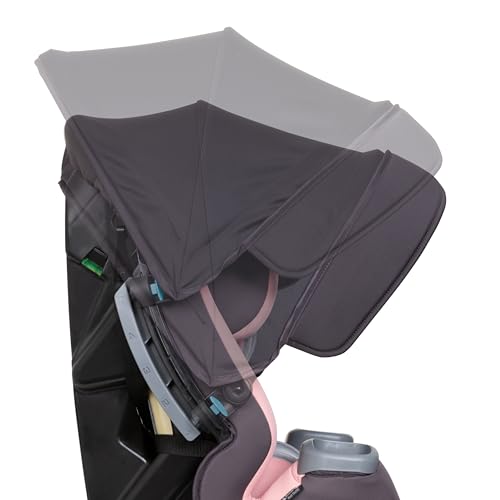
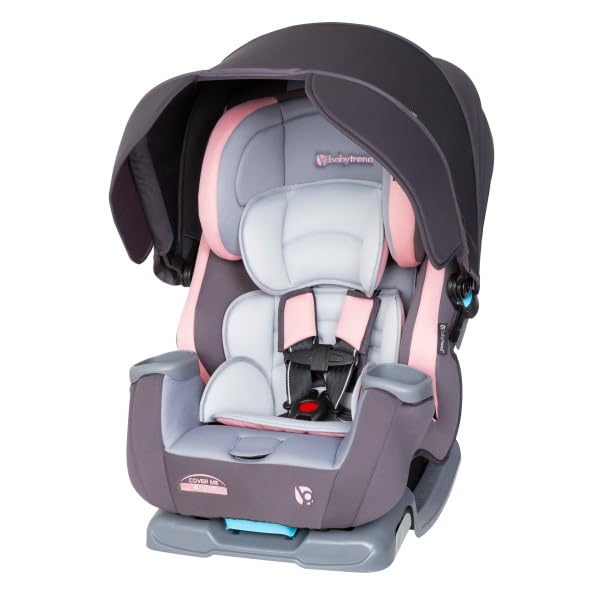
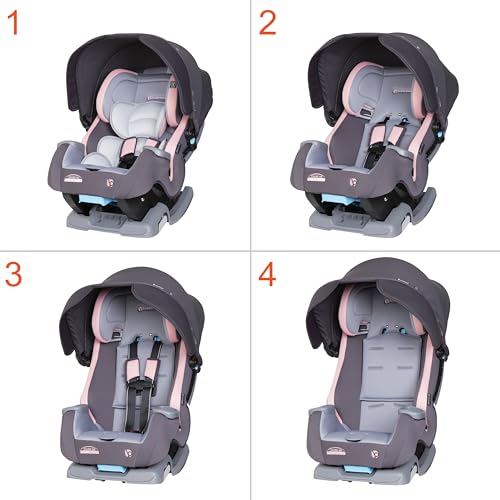
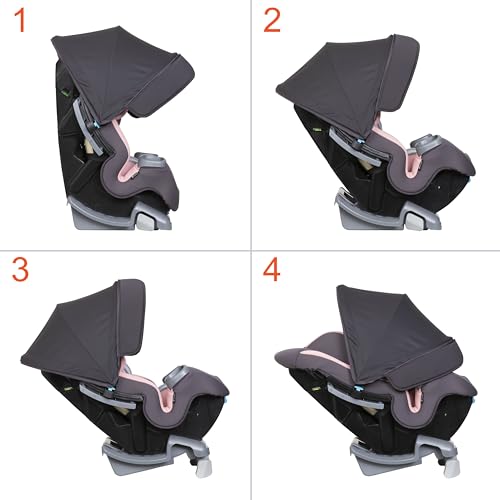
The Cover Me tries to do it all, and for long-term use, it delivers. With four modes including rear-facing from 4 pounds, it’s one of the few seats that can technically start at birth, which gives it an edge for newborns. The UPF 50+ canopy with flip-out visors is genuinely useful, especially for afternoon drives when sun glare hits just right, owners consistently highlight this as a standout perk.
It’s also one of the narrower seats at 18.25 inches, making three-across setups possible in many midsize cars. However, the materials feel a bit stiffer than Graco or Evenflo offerings, and some reviewers mention the padding compresses quickly. Still, for families who want one seat to last through elementary school, this is a strong contender despite the mid-tier brand reputation.
Product photos

Graco SlimFit 3-in-1 Car Seat

Strengths
- Ultra-narrow design
- Premium safety features
- Rotating cup holders
Trade-offs
- Highest price point
- Minimal weight savings
- Same core tech as cheaper models
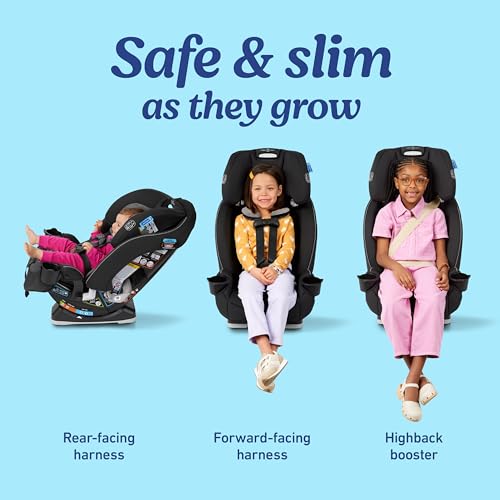
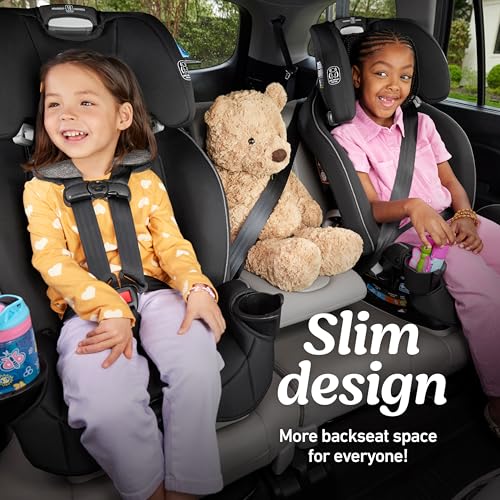
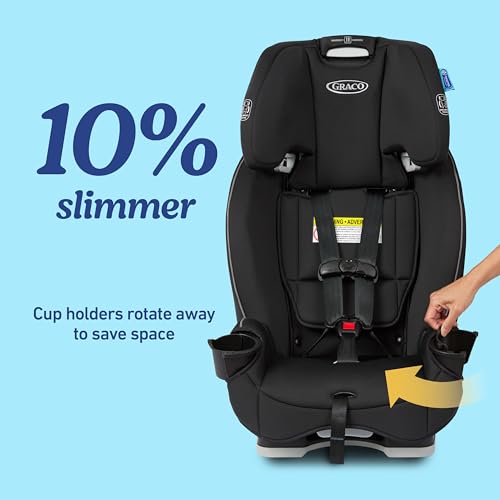
If you drive a compact car or regularly carry three kids, the Slimfit deserves serious attention. It’s marketed as 10% slimmer thanks to rotating cup holders, and on paper, that makes a noticeable difference in shoulder room. For a 10-month-old in rear-facing mode, that extra inch can mean easier access to the front seats or better fit between siblings.
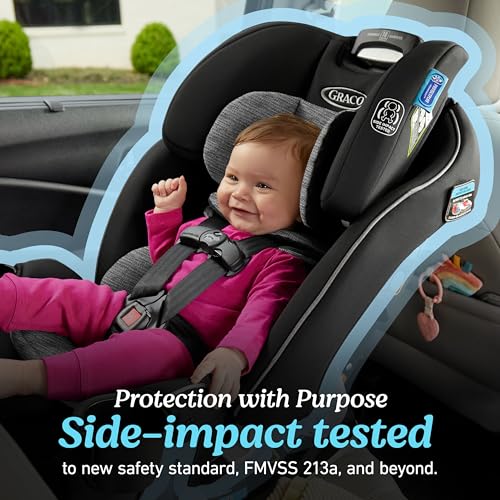
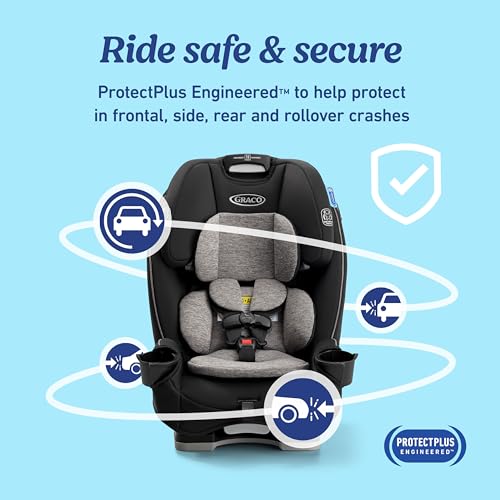
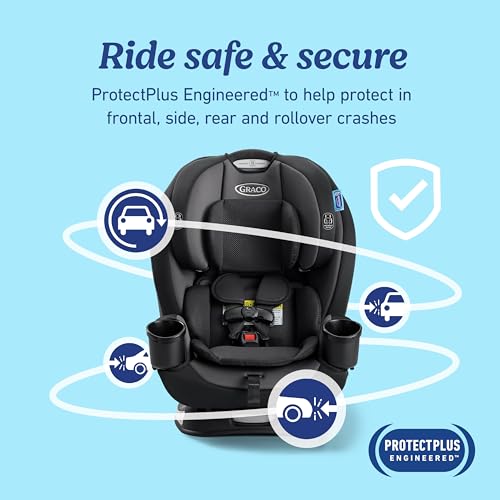
It shares the same trusted Graco framework, the ProtectPlus engineering, no-rethread harness, and 10-position headrest, as pricier models. But let’s be honest: at nearly 230 bucks, it’s the most expensive seat here. Is the slimness worth the premium? For urban drivers or small vehicle owners, yes. For others, it might be overkill.
Product photos
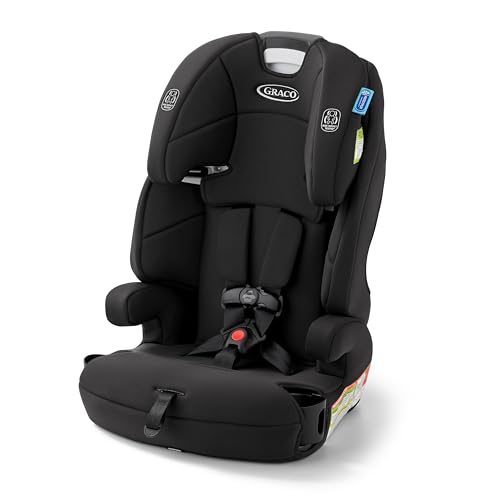
Graco Tranzitions 3-in-1 Booster
Strengths
- Lightweight design
- Easy headrest adjust
- Backless mode included
Trade-offs
- Starts too heavy for young infants
- No rear-facing option
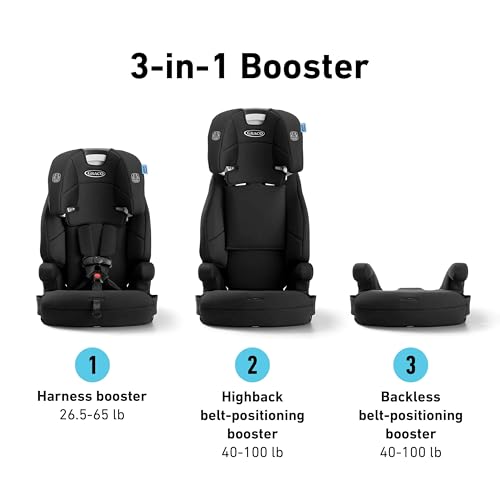
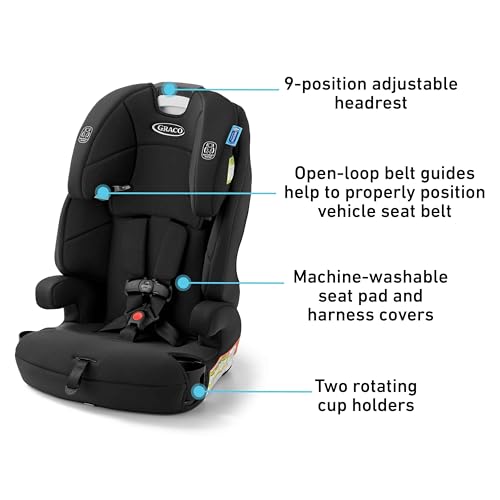
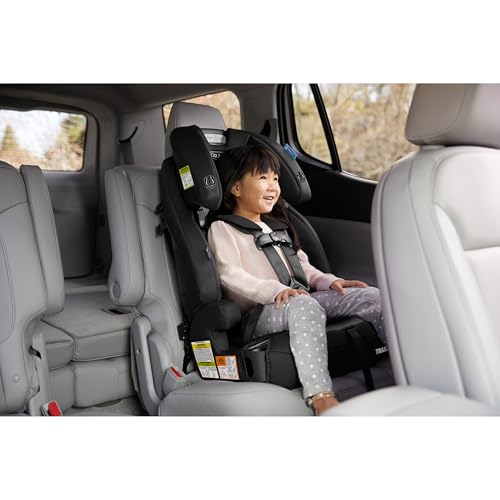
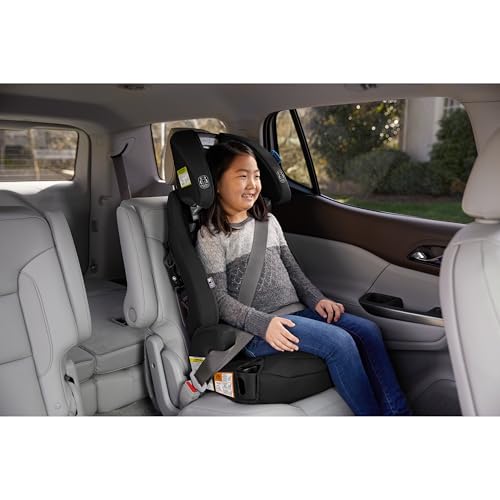
This one’s clearly built with older toddlers in mind, and that shows in its design priorities. At just under 140 bucks, it’s lighter and more portable than many 3-in-1s, which reviewers note makes it a favorite for second cars or travel. But here’s the catch: it starts at 26.5 pounds for forward-facing use, so a 10-month-old might not fit safely unless they’re on the heavier side.
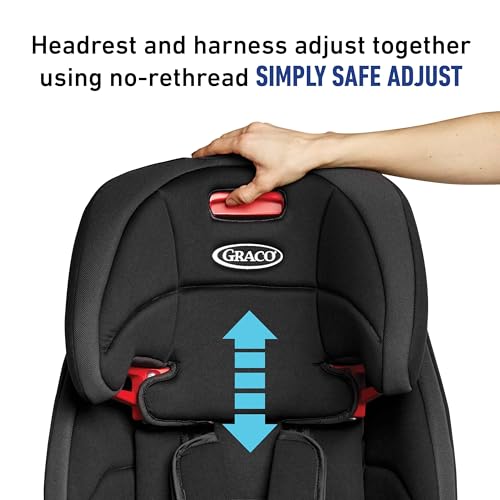
The 9-position headrest adjusts with one hand, a feature many parents praise for hassle-free growth tracking. It transitions all the way to a backless booster, which adds long-term value. Still, for a typical 10-month-old, this isn’t the best starting point. I’d recommend it more as a follow-up seat rather than a first car seat.
Product photos
Evenflo Tribute LX Convertible

Strengths
- Very lightweight
- Compact footprint
- Upfront harness adjust
Trade-offs
- Basic side impact protection
- Padding loses firmness
- Lower harness positions feel tight
The Tribute LX wins points for being lightweight and compact, ideal if you’re constantly moving the seat between cars or flying with family. At 99.99, it matches the Safety 1st Ellaris in price but offers a slightly simpler harness system with upfront adjustment, which owners find easier to tighten without rethreading the straps. That matters when you’re wrestling a squirmy 10-month-old into place.
It supports rear-facing up to 40 pounds, which is standard, but lacks advanced side impact protection beyond federal minimums. Some reviewers note the padding flattens faster than expected. Still, for a no-frills, reliable seat that’s easy to install and carry, it holds its own. I’d choose this over bulkier options for travel, but not as a primary seat if you want top-tier crash protection.
Product photos


Graco TriRide 3-in-1 Reclining

Strengths
- Long lifespan
- Smooth harness adjust
- Good recline options
Trade-offs
- Heavier than some
- Not ultra-slim
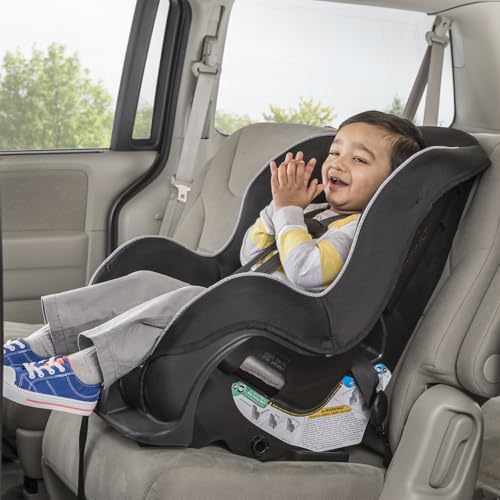
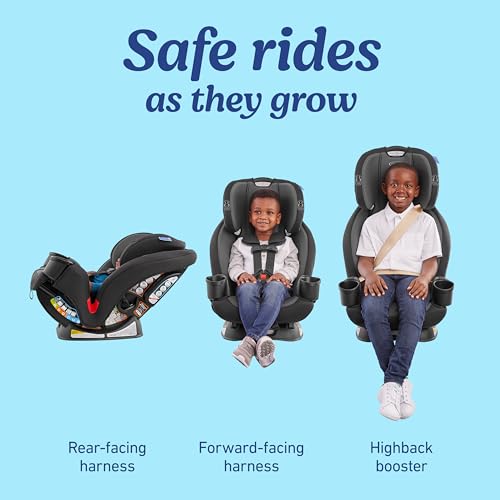
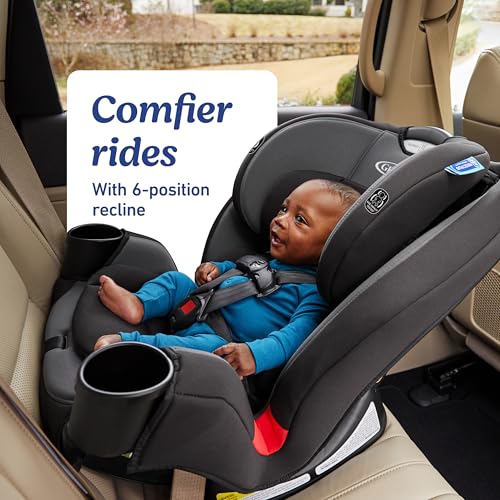
The Graco TriRide stands out in the 3-in-1 category with its long-term usability and thoughtful comfort features. The ability to go from rear-facing at 5 pounds all the way to a highback booster at 100 pounds means fewer seat swaps over the years, which parents consistently appreciate. On paper, the 6-position recline and 10-position headrest give solid flexibility for keeping a 10-month-old comfortable during naps and long drives.
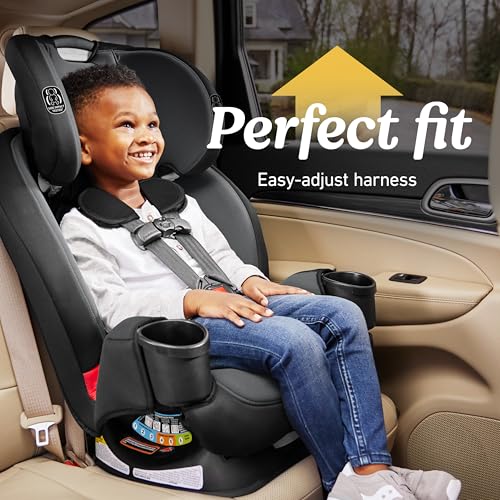
It shares the No-Rethread Simply Safe Adjust system with other top Graco models, which owners report makes harness adjustments quick and frustration-free as kids grow. While it doesn’t have the extended rear-facing weight limit of the Extend2Fit, it still covers the critical first year well. I’d pick this over bulkier models if you want a balance of comfort and longevity without maxing out on space.
Product photos

How We Evaluated car seats for a 10 month old
As someone who’s spent years observing and understanding vehicle safety – and the gear that goes with it – I approached researching car seats for a 10-month-old by looking beyond marketing claims. Rather than a hands-on lab test, this was a research-led comparison of published specifications, features, and extensive owner and expert reviews. I compiled data from multiple retailers, safety organizations, and automotive publications to build a picture of each seat’s strengths and weaknesses. My goal was to identify models that consistently received positive feedback and demonstrated a commitment to safety standards.
For this category, the most important factors are a seat’s weight and height limits for both rear- and forward-facing positions, and the engineering behind its safety features. A longer rear-facing capability is crucial, as it provides the best protection for a young child. Beyond that, ease of installation and adjustability are key – a car seat is only as safe as how correctly it’s fitted. I also looked closely at user reviews regarding comfort, as a comfortable child is less likely to fuss and distract the driver. You can find more information on choosing the right seat in our guide to car seats for 1-year-olds.
Specifications reliably tell you the weight and height ranges a seat accommodates, and the types of safety testing it has undergone. However, owner feedback proved invaluable in assessing real-world usability. Things like how easy the LATCH system is to use, the quality of the fabric, and how well the seat fits in various vehicles are details you won’t find in a spec sheet. I also leaned on the reputations of established brands known for prioritizing safety and innovation, and considered options beyond simple infant convertible seats.
How To Pick The Right car seats for a 10 month old
Finding the right car seat for your little one is a big deal. It’s about more than just meeting legal requirements; it’s about giving your child the best possible protection on every journey.
A good car seat prioritizes a robust safety profile (look for side-impact testing and steel frames), a comfortable and adjustable design to accommodate growth, and ease of installation. Pay close attention to weight and height limits for both rear-facing and forward-facing positions, and consider how well the seat fits your vehicle. Don’t skimp on features that simplify use, like no-rethread harnesses.
Rear-Facing Duration is Key
At ten months old, your baby is still best served in a rear-facing car seat. The longer you can keep them rear-facing, the better. This is because a rear-facing seat distributes crash forces across the entire back, minimizing stress on the neck and spine. Many parents transition to forward-facing too early, simply because their child outgrows the height or weight limits of their initial infant seat. Look for convertible models like the Graco Extend2Fit or the Baby Trend Cover Me 4-in-1 that offer extended rear-facing capabilities – some up to 50 pounds! Don’t assume a higher weight limit means a bigger seat; some are surprisingly compact.
Installation and Fit Matter Most
A car seat is only as safe as its installation. It sounds simple, but a wobbly or incorrectly installed seat dramatically reduces its effectiveness. The LATCH system (Lower Anchors and Tethers for Children) is convenient, but don’t rely on it exclusively. Many vehicles have tight spaces or limitations that make a secure LATCH installation difficult. Often, using the vehicle’s seatbelt to install the base is actually more secure. Consider how easy the seat is to level correctly, and whether it will fit comfortably in your vehicle alongside other passengers. If you’re looking at options for multiple children, the Baby Trend Cover Me’s relatively narrow width might be a good starting point.
- If you have a smaller vehicle, the Graco SlimFit 3-in-1 is designed to save space.
- For frequent travelers, a lightweight option like the Evenflo Tribute LX Convertible can be a lifesaver.
- Don’t underestimate the value of a seat with a clearly marked recline indicator; achieving the correct angle is crucial for infant safety.
A properly installed car seat should not move more than one inch side to side or front to back when tested at the belt path.
Beyond the Basics: Convenience and Growth
While safety is paramount, consider features that make your life easier. A no-rethread harness system (found in several Graco models) is a huge time-saver as your child grows. Removable, washable covers are a must-have for dealing with inevitable spills and messes. And, thinking long-term, a convertible seat that transitions to a forward-facing harness and then a booster seat – like the Graco TriRide 3-in-1 – can save you money in the long run. If you’re already considering options for the next stage, checking out best toddler car seats can be helpful. It’s also smart to think about whether you might be needing car seats for 9-month-olds as well, to compare features and find the best fit for your family.
Car Seats for a 10 Month Old Compared
This table provides a side-by-side comparison of key specifications for various car seats suitable for a 10-month-old child.
| Product Name | Rear-Facing Min. Weight (lb) | Rear-Facing Max. Weight (lb) | Forward-Facing Min. Weight (lb) | Forward-Facing Max. Weight (lb) | Booster Mode Max. Weight (lb) |
|---|---|---|---|---|---|
| Graco Extend2Fit | 4 | 50 | 26.5 | 65 | N/A |
| Safety 1st Ellaris | 5 | 40 | 30 | 65 | N/A |
| Baby Trend Cover Me 4-in-1 | 4 | 40 | 30 | 65 | 100 |
| Graco SlimFit 3-in-1 | 5 | 40 | 26.5 | 65 | 100 |
| Graco Tranzitions 3-in-1 | N/A | N/A | 26.5 | 65 | 100 |
| Evenflo Tribute LX | 5 | 40 | 30 | 40 | N/A |
| Graco TriRide 3-in-1 | 5 | 40 | 26.5 | 65 | 100 |
Frequently Asked Questions
What’s the biggest mistake parents make when installing a car seat?
Not achieving the correct recline angle is a common error. A seat that’s too upright can compromise the child’s airway, while one that’s too reclined might not offer optimal protection in a crash. Always consult your car seat’s manual and the vehicle owner’s manual for specific instructions.
How long should my 10-month-old stay rear-facing?
You should keep your child rear-facing as long as possible, until they reach the maximum weight or height limit specified by the car seat manufacturer. Many modern convertible seats allow for rear-facing up to 50 pounds, potentially extending this stage well beyond one year old.
Are more expensive car seats always safer?
Not necessarily. While price can sometimes reflect advanced features or materials, all car seats sold in the US must meet the same federal safety standards. Focus on a seat that fits your vehicle and is installed correctly, rather than solely on price. You can find great options among best infant car seats at various price points.
What does LATCH mean, and is it always the best way to install a car seat?
LATCH stands for Lower Anchors and Tethers for Children, and it’s a convenient system for installing car seats. However, it’s not always the most secure method. In many vehicles, using the vehicle’s seatbelt to install the base provides a tighter, more stable installation.
What features should I look for if I plan to travel frequently with my baby?
For frequent travelers, a lightweight car seat is a huge benefit. Consider models like the Evenflo Tribute LX, which are easier to carry through airports. Also, a seat with a straightforward installation process will save you time and hassle when you’re on the go, and exploring best newborn car seats can help you find one that fits your needs.
The Bottom Line
Choosing a car seat always feels like balancing peace of mind with practicality. You want the absolute safest option, of course, but also something that fits your vehicle and your lifestyle. After looking at the features and feedback across many models, the Graco Extend2Fit stands out as the strongest overall choice. It delivers a fantastic combination of extended rear-facing capability, solid safety features, and a reasonable price point – a sweet spot for many families.
For those on a tighter budget, the Evenflo Tribute LX provides reliable safety without sacrificing too much convenience. If you anticipate needing a seat that can grow with your child for years to come, or if you frequently travel, the Baby Trend Cover Me 4-in-1 offers excellent versatility. And for parents needing to maximize space, the Graco SlimFit 3-in-1 is a smart option. Finding the best fit often means exploring some of the top best convertible car seats available.
Ultimately, remember that the specifications on a box matter less than a secure install and a seat that actually gets used consistently. Prioritize a correct fit in your vehicle, a harness that’s easy to adjust, and a seat your child finds comfortable enough to avoid constant fussing. Don’t hesitate to consult resources on car seats for babies to understand the fundamentals of safety and installation – those are the elements that truly protect your little one.
