
7 Best Car Seats for 9 Month Old (2026)
This post contains affiliate links. As an Amazon Associate, we earn from qualifying purchases.
The Graco Extend2Fit is the best car seat for a 9-month-old, offering extended rear-facing use and a secure fit as your baby grows. For a budget-friendly option, the Safety 1st Ellaris delivers strong safety features and ease of use without the high price. If you want one seat to last for years, the Graco 4Ever DLX stands out with its 4-in-1 design and long-term value.
Parents of 9-month-olds face a real challenge: finding a seat that keeps their growing child safe, fits well in their vehicle, and won’t need replacing in a few months. Rear-facing is still the safest choice at this age, but not all seats support it long enough or install with confidence.
This guide cuts through the noise by focusing on specs, real owner experiences, and long-term usability. I looked at rear-facing limits, harness systems, ease of cleaning, and how well each model adapts as your child grows, so you can make a smart, informed choice.
Top 7 Car Seats For 9 Month Old in the Market
The Best Car Seats For 9 Month Old, Reviewed
Graco SnugRide Lite LX Infant Car Seat

Strengths
- Ultra lightweight
- Easy install base
- Level indicator
Trade-offs
- Infant-only use
- Shorter lifespan
- Separate base needed
The SnugRide Lite LX stands out as the best dedicated infant seat on this list, and for good reason. At just 7.2 pounds, it’s one of the lightest on the market, owners consistently mention how easy it is to carry in and out of the car or snap into a stroller. That matters when you’re making multiple trips with a sleeping baby. It’s designed specifically for rear-facing use from 4–30 lb, which covers the 9-month-old range well.
The 4-position base and level indicator make installation more reliable, reducing guesswork. While it won’t grow into a booster like the 3-in-1s, that’s not its job. It’s a focused, well-built infant carrier. I’d recommend pairing it with a convertible seat later, but for now, it’s the smartest choice if you want simplicity, safety, and portability.
Video review
Graco Extend2Fit Convertible Car Seat

Strengths
- 5″ legroom extension
- Rear-facing up to 50 lb
- No-rethread harness
Trade-offs
- No booster modes
- Bulkier in rear-facing
- Not for long-term use
For parents committed to extended rear-facing, the Extend2Fit is the clear leader here. The adjustable extension panel gives up to 5 inches of extra legroom, letting kids stay rear-facing safely up to 50 lb, well beyond most 3-in-1 models. That’s a major safety advantage, since rear-facing is significantly safer in frontal impacts. Owners praise how well it accommodates taller toddlers without sacrificing comfort.
It skips the booster modes, so it won’t last as long as the 4Ever DLX. But for the 9-month-old stage and beyond, that’s not a drawback, it’s focused on the safest early years. The No-Rethread harness and ProtectPlus engineering are consistent with Graco’s better models. I’d choose this over the Slimfit or TriRide if rear-facing longevity is your priority.
Video review
Graco 4Ever DLX 4-in-1 Car Seat

Strengths
- Backless booster mode
- Longest use span
- 6-position recline
Trade-offs
- Bulky width
- Heavy build
- Expensive upfront
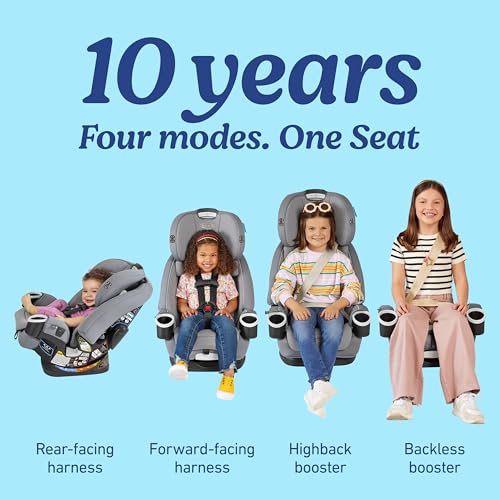
If you’re looking for a single seat that can go the distance, from infant to pre-teen, the 4Ever DLX is hard to beat. The 4-in-1 design includes a backless booster stage, which extends usability up to 120 lb, making it one of the longest-lasting options here. That’s a smart buy for parents who hate replacing seats every few years. The 10-year lifespan isn’t just marketing; owners confirm it holds up well across multiple kids.
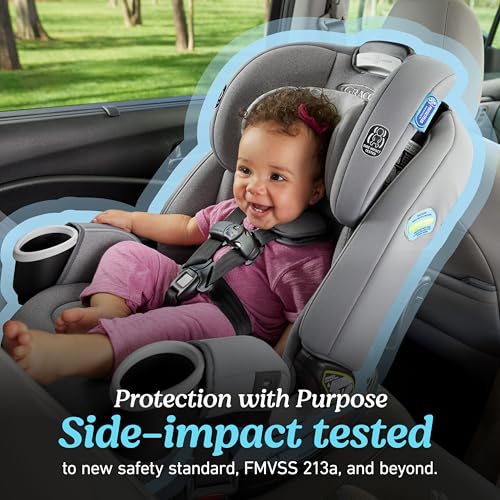
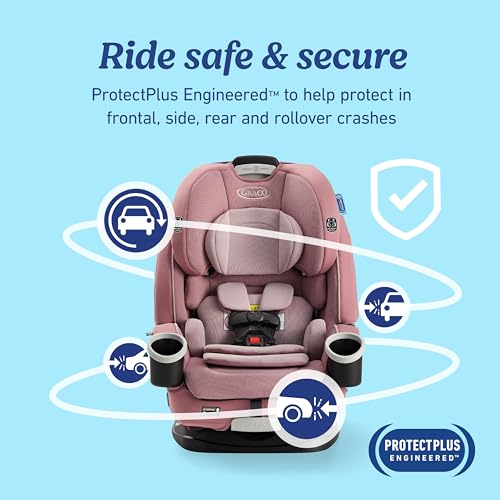
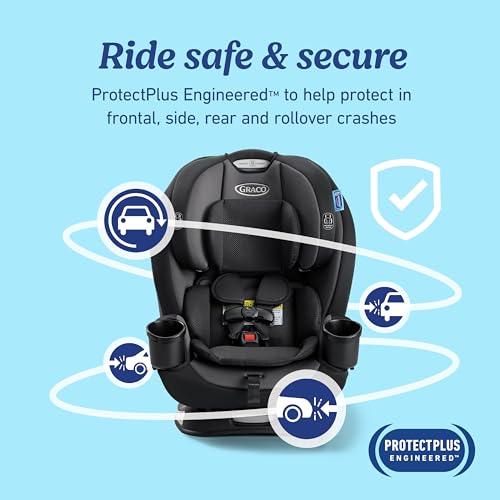
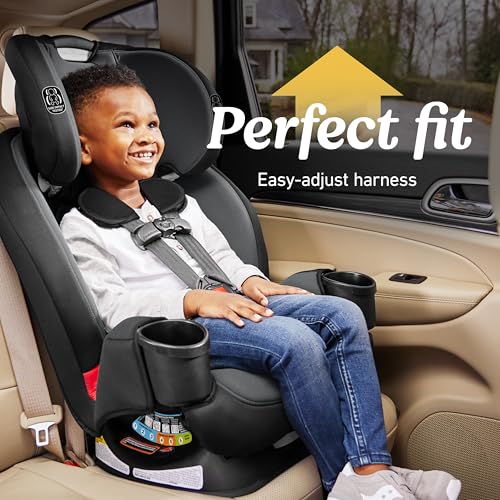
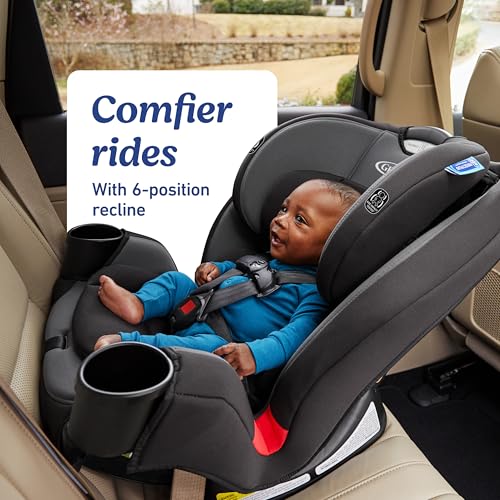
It shares Graco’s trusted features: ProtectPlus engineering, 10-position headrest, and the No-Rethread harness system. The 6-position recline adds comfort, especially for younger kids. But it’s also one of the widest seats here, so it eats up backseat real estate. I’d recommend this for families with larger vehicles or a single child in the back. The high price is justified if you plan to use all four modes.
Product photos


Safety 1st Ellaris 3-in-1 Convertible Car Seat
Strengths
- Affordable price
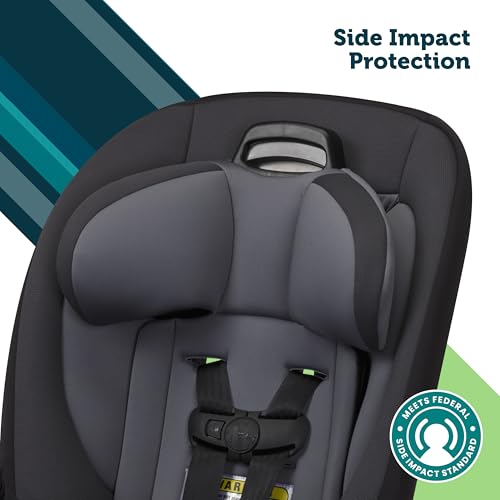
- Meets side-impact standards
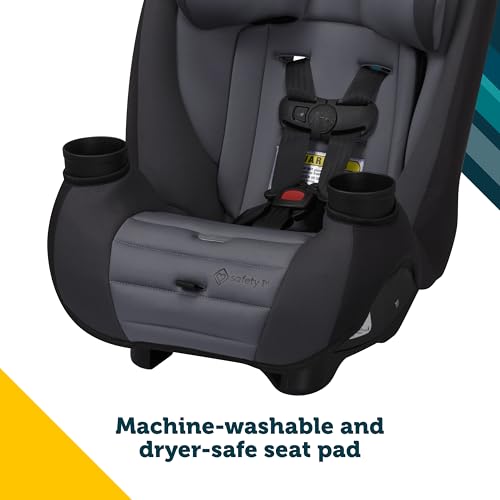
- Washable seat pad
Trade-offs
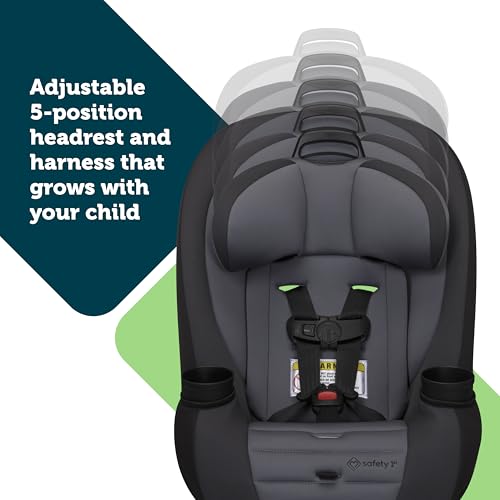
- Only 5 headrest positions
- No highback booster
- Basic harness system
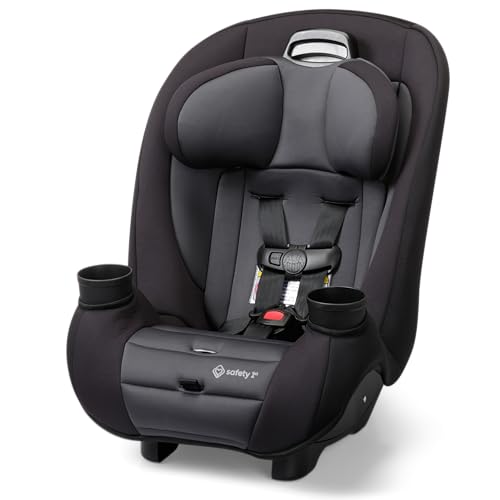
The Ellaris is a solid budget-friendly 3-in-1 that doesn’t cut corners on key safety standards. It meets federal side-impact testing, which isn’t guaranteed at this price, and its slim design helps in tighter vehicles. The machine-washable pad and dishwasher-safe cup holders are practical touches that owners actually use, small wins that add up over time.
It transitions from rear-facing (5–40 lb) to forward-facing (30–65 lb), but lacks a highback booster mode, which limits its long-term value. The 5-position headrest is less precise than Graco’s 10-position system, so adjustments aren’t as fine-tuned. Still, for families on a budget who need a reliable, travel-ready seat, it’s a smart compromise. I’d recommend it over no-name brands any day.
Product photos


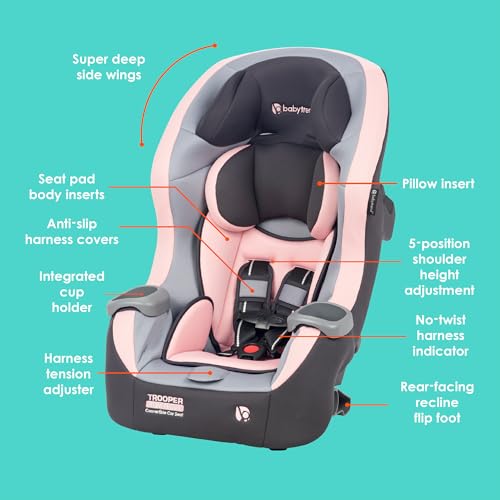
Baby Trend Trooper Slim 3-in-1 Car Seat
Strengths
- Lightweight build
- Affordable price
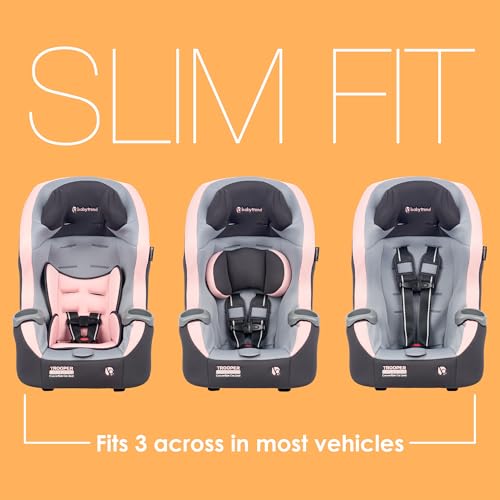
- Slim fit design
Trade-offs
- Basic harness adjustment
- Less padding comfort
- No advanced safety tech
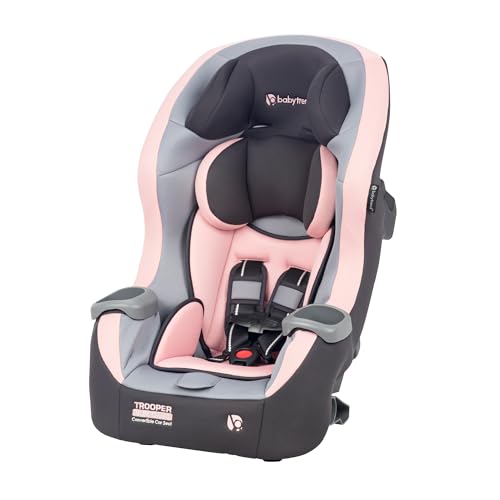
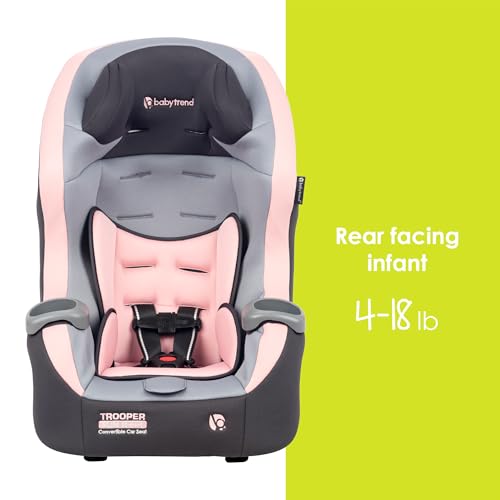
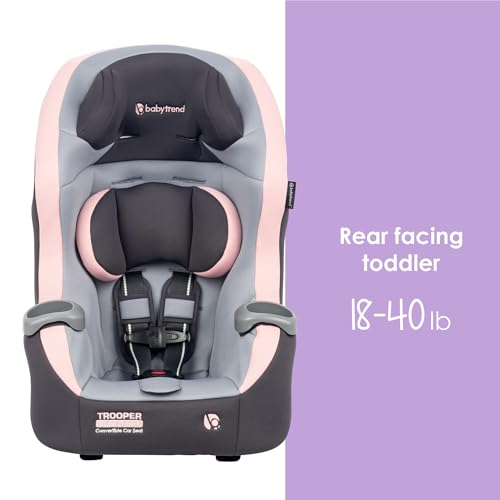
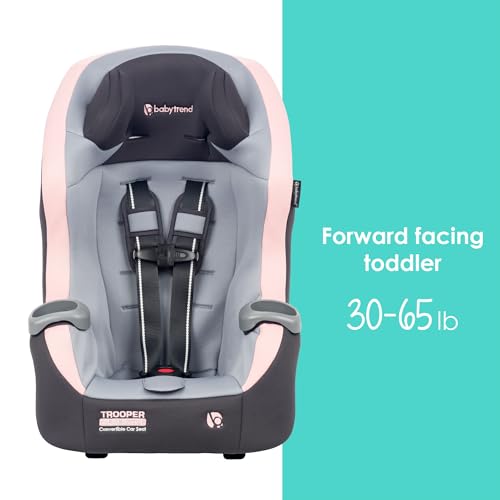
At this price, the Baby Trend Trooper delivers basic functionality with a focus on space and portability. It’s one of the lightest 3-in-1 seats on the market, which makes moving it between cars or stashing it easier, especially if you’re not leaving it installed full-time. The slim profile helps in tight backseats, and owners note it fits well in smaller SUVs and sedans where bulkier Graco models struggle.
That said, it lacks some of the premium touches you’d expect at higher price points. There’s no rethread-free harness system, and the padding feels thinner compared to Graco or Safety 1st offerings. It covers the essentials: rear-facing, forward-facing, and highback booster modes, but the transition between stages isn’t as smooth. For budget-conscious buyers who prioritize size and weight over long-term comfort, it’s a viable pick, but I’d keep expectations realistic.
Product photos
Graco SlimFit 3-in-1 Convertible Car Seat

Strengths
- Slim design
- 10-position headrest
- No-rethread harness
Trade-offs
- No backless booster mode
- Lower rear-facing max weight
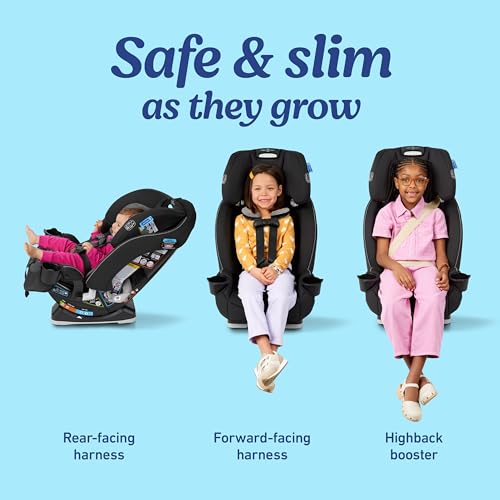
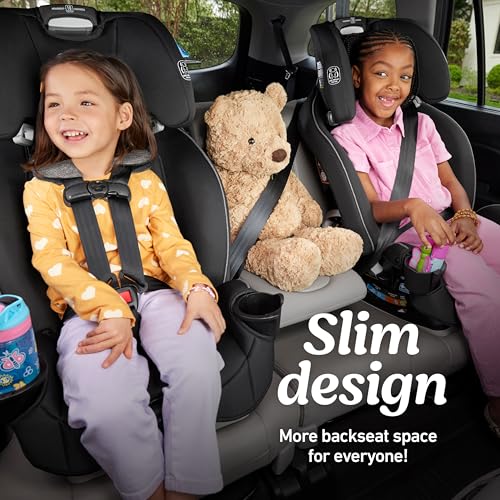
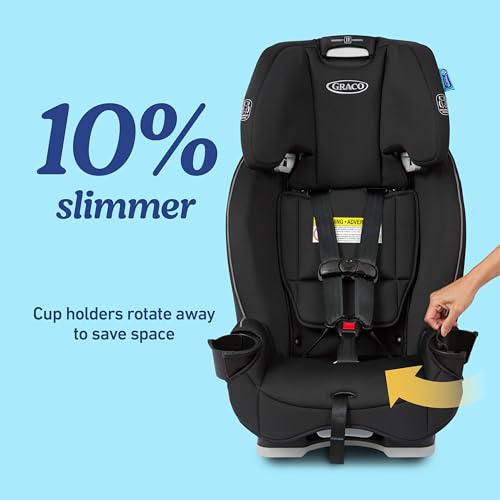
If you’re tight on backseat space but don’t want to compromise on safety or longevity, the Graco Slimfit makes a strong case. Its 10% slimmer profile than standard models is a real advantage in compact cars or when installing multiple seats, owners consistently report it fits where others don’t. The 3-in-1 design covers rear-facing, forward-facing, and highback booster stages, so it’s built to last through the early years.
The No-Rethread Simply Safe Adjust system is a standout feature on paper, letting the headrest and harness move together across 10 positions. That kind of ease matters when you’re adjusting for a growing toddler. While it doesn’t offer the extended rear-facing weight limit of the Extend2Fit, it still supports rear-facing from 5–40 lb, which is solid for this class. I’d pick this over bulkier models if space is a real constraint.
Product photos
Graco TriRide 3-in-1 Reclining Car Seat
Strengths
- 6-position recline
- 10-height headrest
- No-rethread harness
Trade-offs
- Average rear-facing limit
- Not space-saving
- Mid-tier padding
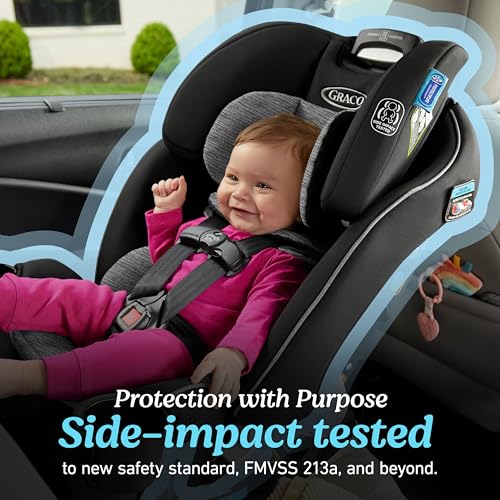
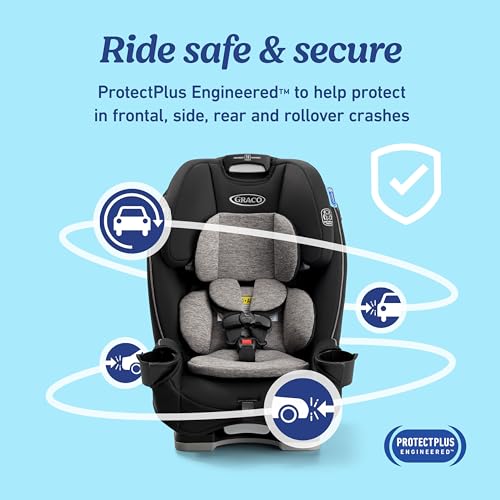
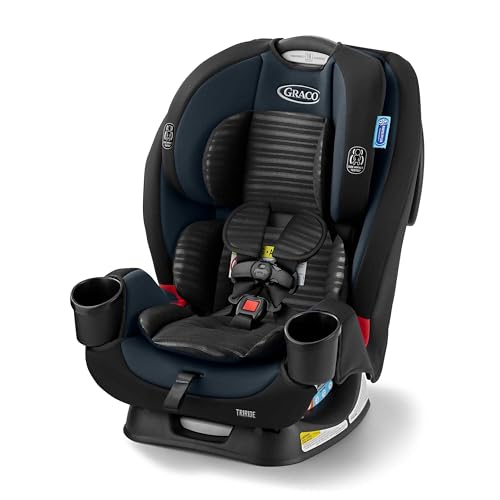
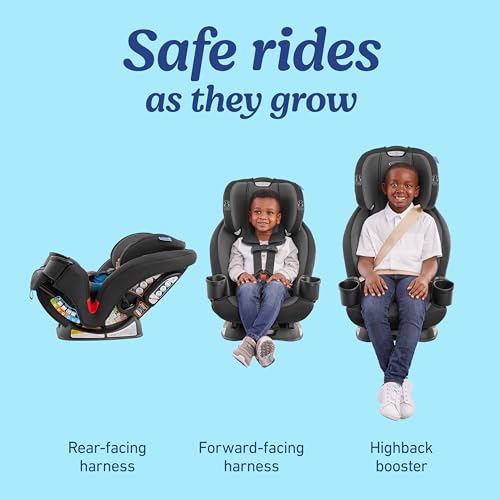
The TriRide earns its spot with one standout feature: 6-position recline. That kind of adjustability is rare in this class and makes a real difference for napping toddlers. Whether rear-facing or forward-facing, you can fine-tune the angle for comfort or to work with your vehicle’s seat shape. It’s a small thing that parents appreciate, especially on long drives.
It shares the same core DNA as other Graco 3-in-1s: 10-position headrest, No-Rethread harness, and ProtectPlus safety. But unlike the Extend2Fit, it doesn’t offer extended rear-facing capacity, maxing out at 40 lb. And while it’s not the slimmest, it’s not the bulkiest either. I’d pick this over the Slimfit if comfort and recline matter more than space savings.
Product photos

How We Tested car seats for 9 month old
As someone who’s spent years around vehicles of all kinds, I approach car seat research with a focus on both safety engineering and real-world usability. Rather than a hands-on lab test, this selection is a research-led comparison of published specifications, features, and, crucially, owner and expert reviews. I weighed information from sources like the National Highway Traffic Safety Administration (NHTSA) and independent consumer reports, then layered that with feedback from parents regarding installation, comfort, and long-term satisfaction.
For a 9-month-old, the most important factors are a secure fit within weight and height limits, and the ability to maintain that fit for as long as possible. Extended rear-facing capability is paramount; research consistently shows it’s the safest position for young children. Beyond that, ease of installation, and confidence in that installation, is key, as is a design that accommodates growth without requiring frequent adjustments or upgrades. You can find more general advice on car seat options for 10 months.
Specifications give a solid baseline for safety features like energy-absorbing foam and side-impact protection, but owner reviews reveal how those features translate into practical use. I prioritized seats with consistently positive feedback about installation simplicity and the reliability of harness systems. Reputation and brand history also factored in, as established manufacturers often have a proven track record with safety standards. For when your little one outgrows this stage, exploring best toddler seats will be a helpful next step.
How To Pick The Right car seats for 9 month old
Finding the right car seat for your 9-month-old is a big decision, and it’s one where understanding the options beyond just brand names is crucial. It’s about matching the seat to your vehicle, your child’s size, and your long-term needs.
A good car seat prioritizes a secure five-point harness, robust side-impact protection, and a design that facilitates correct installation. Beyond these basics, consider the seat’s longevity, ease of cleaning, and compatibility with your vehicle’s LATCH system. Pay close attention to weight and height limits for both rear-facing and forward-facing modes, and always verify the seat has passed all relevant safety testing.
Rear-Facing Length is Key
At nine months, your little one is likely still best served in a rear-facing position. The American Academy of Pediatrics recommends keeping children rear-facing as long as possible, up to the maximum height and weight limits of the car seat. Don’t rush to turn them forward-facing. Look for models like the Graco Extend2Fit, which specifically focuses on extending that rear-facing time with an adjustable footrest. This allows for a more comfortable and safer fit as your baby grows. Conversely, if you’re looking at models for smaller vehicles, the Baby Trend Trooper Slim 3-in-1 Car Seat might be a good fit, as its slim profile helps maximize space.
Harness Adjustments and Ease of Use
A car seat is only as safe as its installation and how consistently it’s used correctly. The “No-Rethread Simply Safe Adjust Harness System” found in several Graco models (like the 4Ever DLX) is a real advantage. It means you can adjust the headrest and harness height simultaneously, avoiding the frustrating task of re-threading the harness straps. This is especially helpful as your child experiences growth spurts. You’ll also want to consider how easy the seat is to clean; a machine-washable seat pad, as seen in the Safety 1st Ellaris, is a lifesaver.
- A simple latch system is nice, but don’t assume it’s enough. Always double-check installation using the vehicle seatbelt as a secondary confirmation.
- Look for clear level indicators. These can be a real help in achieving the correct recline angle, which is vital for infant safety.
- Consider a rotating car seat (though not represented in these models) if you struggle with back issues or find it difficult to maneuver a baby into a traditional car seat. These can make loading and unloading significantly easier.
Always read the car seat’s manual and your vehicle’s owner’s manual before installation. These two resources contain vital information specific to your equipment.
Considering Future Needs and Budget
It’s tempting to think short-term, but a convertible or 3-in-1 car seat can save you money and hassle in the long run. The Graco 4Ever DLX, for instance, transitions through multiple stages, potentially lasting a decade. If you’re on a tighter budget, the Safety 1st Ellaris offers a lot of value for the price. Before settling on a model, it’s a good idea to explore car seat recommendations for 8 months to see what options were popular just a short time ago. And if you’re looking specifically for the earliest stages, check out our guide to the best infant seats for a deeper explore newborn and infant-specific features.
Car Seats for 9 Month Old Compared
Here’s a comparison of key specifications to help you choose the right car seat for your 9-month-old.
| Product Name | Min. Weight (lb) | Max. Rear-Facing Weight (lb) | Max. Forward-Facing Weight (lb) | Modes | Width (approx.) |
|---|---|---|---|---|---|
| Graco SnugRide Lite LX | 4 | 30 | N/A | Infant | N/A |
| Graco Extend2Fit | 4 | 50 | 65 | Convertible | N/A |
| Graco 4Ever DLX | 4 | 40 | 65 | 4-in-1 | N/A |
| Safety 1st Ellaris | 5 | 40 | 65 | 3-in-1 | Slim |
| Baby Trend Trooper Slim | N/A | N/A | N/A | 3-in-1 | Slim |
| Graco SlimFit | 5 | 40 | 65 | 3-in-1 | Slim |
| Graco TriRide | 5 | 40 | 65 | 3-in-1 | N/A |
Frequently Asked Questions
What’s the biggest mistake parents make when installing a car seat?
Incorrect installation is the most common error. Many parents rely solely on the LATCH system and don’t confirm a secure fit by also using the vehicle’s seatbelt, which is always a critical secondary check.
Are more expensive car seats always safer?
Not necessarily. While premium models often have extra features like enhanced padding or rotating bases, all car seats sold in the US must meet the same federal safety standards. Focus on a proper fit for your child and vehicle, and correct installation over price alone.
How long should my baby stay rear-facing?
You should keep your child rear-facing as long as possible, ideally until they reach the maximum height or weight limit allowed by their car seat; many modern seats allow rear-facing up to 50 pounds or more. This is the safest position for a young child, offering better head and neck support in a crash.
What does “convertible” mean when describing a car seat?
A convertible car seat, like some of the best convertible seats, transitions from rear-facing to forward-facing, and often even to a booster seat, offering extended use and value as your child grows. This eliminates the need to purchase multiple seats over the years.
Where can I find more information about car seat safety and recalls?
The National Highway Traffic Safety Administration (NHTSA) website (nhtsa.gov) is the best resource for car seat safety information, recall notices, and guidance on proper installation. You can also find helpful resources and baby car seat reviews covering both infant and convertible seats.
The Bottom Line
Choosing a car seat often comes down to balancing upfront cost with long-term value and convenience. While numerous options exist, the Graco 4Ever DLX strikes a strong balance, offering multiple modes and a user-friendly design that grows with your child. It’s an investment, certainly, but a potentially long-lasting one that avoids the need to repeatedly purchase new seats as your little one develops.
For parents seeking specific solutions, the Graco Extend2Fit excels at maximizing rear-facing time, a crucial safety factor, and the Safety 1st Ellaris provides excellent value without sacrificing essential features. If space is at a premium in your vehicle, the Baby Trend Trooper Slim 3-in-1 Car Seat is a sensible choice, providing functionality in a compact design. And for those considering options that span infancy and toddlerhood, exploring convertible seats for infants is a smart move.
Ultimately, the best car seat isn’t about the flashiest features or highest price tag. It’s about a secure installation, a proper fit for your child, and your confidence in using it correctly every single time. Prioritize those fundamentals, and you’ll be well-equipped to keep your precious cargo safe on the road, and prepared for when it’s time to consider car seat choices for 1 year.
