
7 Best Car Headliners of 2026
This post contains affiliate links. As an Amazon Associate, we earn from qualifying purchases.
The YOKKIP Beige Mesh Headliner Fabric stands out as the best overall choice for its durability, clean tube shipping, and ease of installation, while the Storystore Foam Suede Headliner Fabric is our top budget pick that doesn’t sacrifice quality. For those who want everything in one box, the Topfurn 122″ Suede Headliner Fabric kit offers excellent value with tools included.
Replacing a sagging or stained headliner can transform your car’s interior, but picking the wrong material can lead to wrinkles, peeling, or a DIY disaster. As someone who’s evaluated countless interior components through TheAutoZenith, I know that real-world performance comes down to material integrity, proper fit, and smart design.
This guide cuts through the noise by focusing on specs and verified owner experiences to find headliners that install cleanly and last. We looked at fabric type, foam backing, included tools, and how each handles common issues like creasing and adhesive failure, so you can choose with confidence.
Top 7 Car Headliners in the Market
The Best Car Headliners, Reviewed
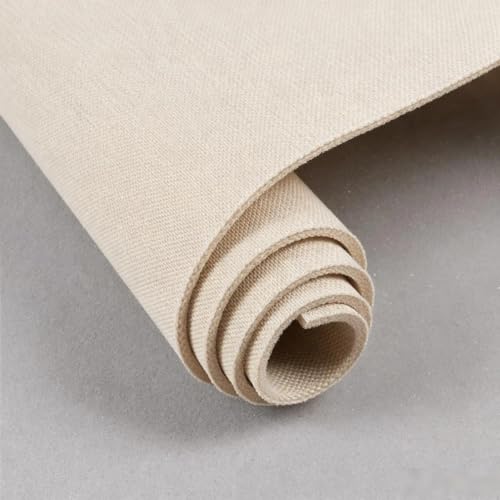
YOKKIP Beige Mesh Headliner Fabric
Strengths
- Wrinkle-free tube
- UV resistant
- Laser-precise edges
Trade-offs
- Beige shows stains
- Stiffer to shape
- Premium cost
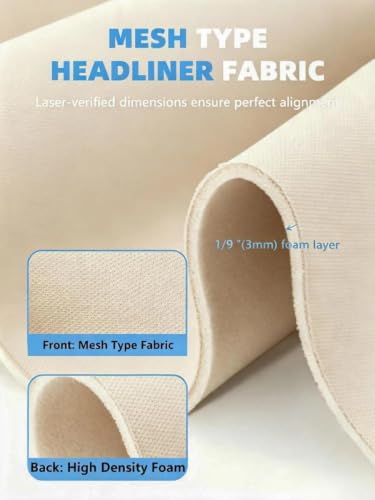
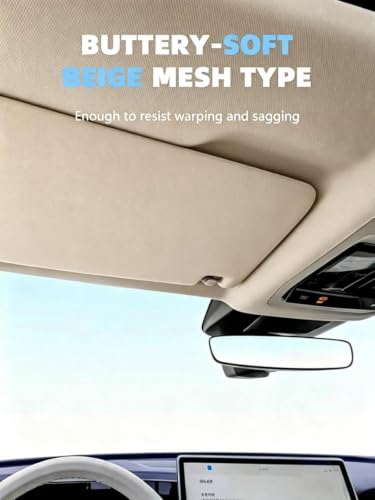
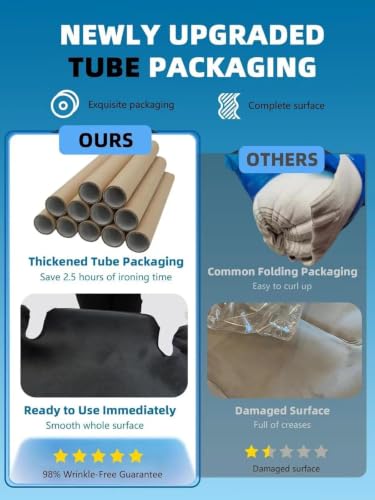
This is the one I’d choose if I were redoing a vintage wagon or a custom RV build. The mesh-type fabric is stiffer than suede, which helps it stay taut and resist sagging over time. The 120-inch length covers nearly any passenger vehicle in one piece, and the tube packaging ensures it arrives perfectly flat, no ironing, no drama.
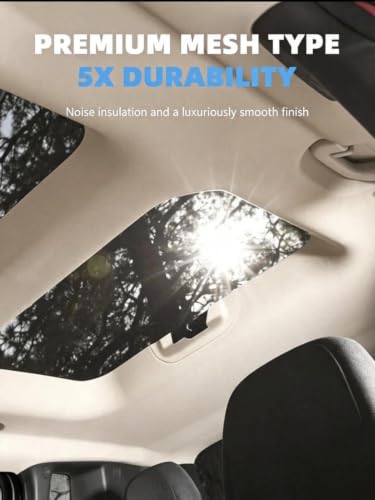
Laser-cut edges and UV resistance stand out. Owners in sunny climates report no fading after months of exposure, which is rare. It’s beige, so not for everyone, but if you’re going for a retro or European aesthetic, it’s unmatched. The price is high, but the quality justifies it for serious projects.
Product photos
Storystore Foam Suede Headliner Fabric
Strengths
- Good insulation
- Large coverage
- Smooth cutting
Trade-offs
- Arrives folded
- No blade extras
- Basic tools
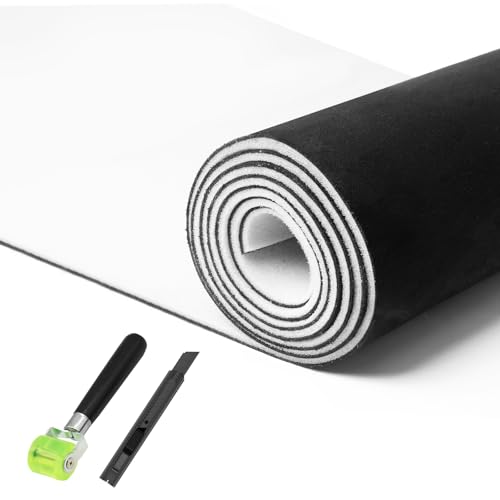
For the price, this hits the sweet spot between cost and capability. The high-density suede offers decent heat and sound insulation, owners note a noticeable drop in cabin noise after install. It’s nearly identical in size and specs to the Pangda, but lacks the replacement blades in the tool kit, which makes the Pangda a slightly better deal if you need extras.
The fold-and-ship method means creases are inevitable, but a hair dryer or steamer handles them fine. It cuts cleanly and conforms well to curves, which matters when you’re working around sunroofs or roof racks. Not the most premium option, but for a budget-friendly full replacement, it’s reliable.
Video review
Topfurn 122″ Suede Headliner Fabric
Strengths
- Extra long size
- No fraying edges
- Good for large builds
Trade-offs
- Folds in transit
- Heavy to handle
- Higher cost
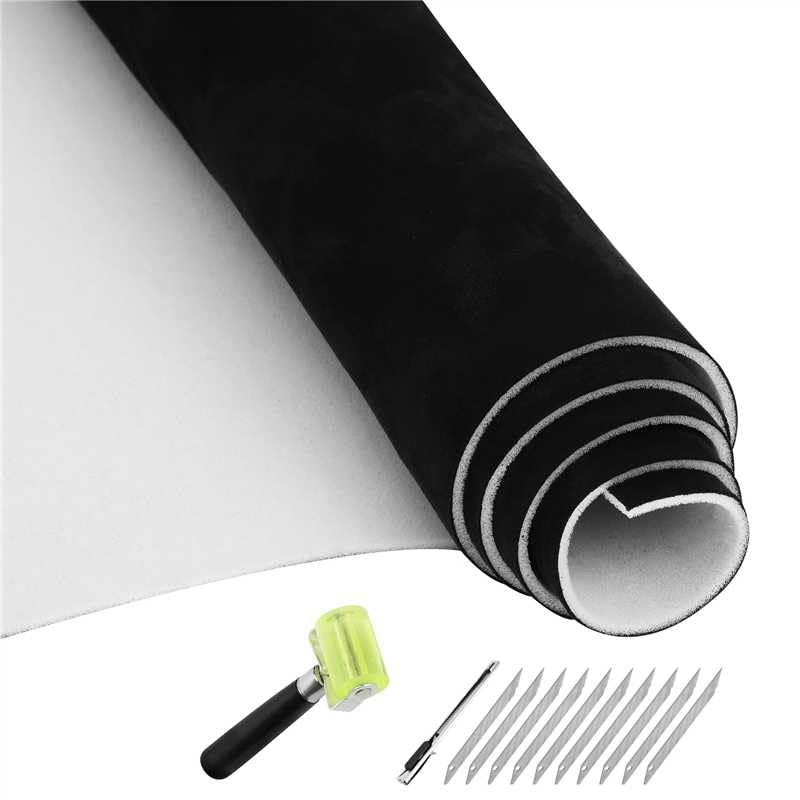
If you’re working on a van, crew cab, or RV, this is the one to get. The 122-inch length is rare and eliminates the need to seam two pieces, something that can ruin the look if not done perfectly. The material is thick, cuts cleanly, and conforms well to curves, which matters on larger roofs with complex shapes.
It ships folded, so expect some creasing, but the foam backing holds up under steaming. The included tools are standard, nothing special, but having them saves a trip. Compared to the 98-inch models, this is the smarter buy for long vehicles, even if you don’t need the full length, it gives you room to work.
Video review
Tegeme Self-Adhesive Velvet Headliner
Strengths
- Self-adhesive backing
- Affordable price
- Easy to cut and shape
Trade-offs
- Narrow width
- Limited for full installs
- Gray shows dirt
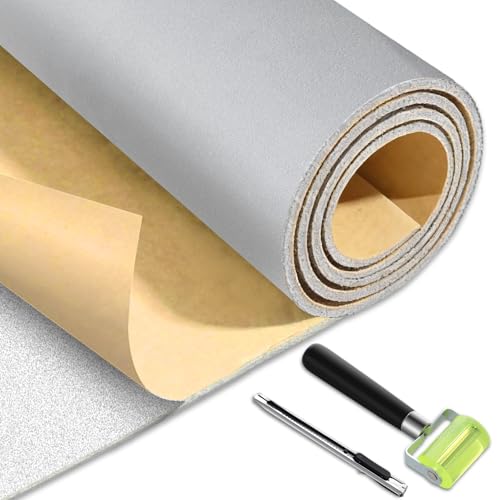
At this price, the self-adhesive backing is the standout feature. It’s a real time-saver for spot repairs or small vehicles where full replacement isn’t needed. The velvet has a nice sheen and feels plush underhand, though it’s not as durable as suede for high-sun areas. I’d lean on this for trucks or RVs with partial sagging, not a full roof redo.
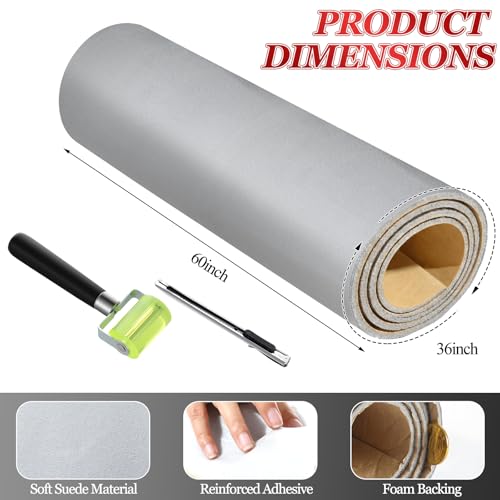
The 36-inch width limits it for larger cabs, and the light gray may show stains faster than black. Still, for quick fixes or interior accents like sun visors and door panels, this kit delivers more value than its cost suggests. It’s not meant to cover a full SUV roof, but used smartly, it works.
Product photos

Babnecl Black Suede Headliner Fabric
Strengths
- Tube delivery
- Smooth finish
- Consistent thickness
Trade-offs
- No blade replacements
- Same length limit
- Minimal extras
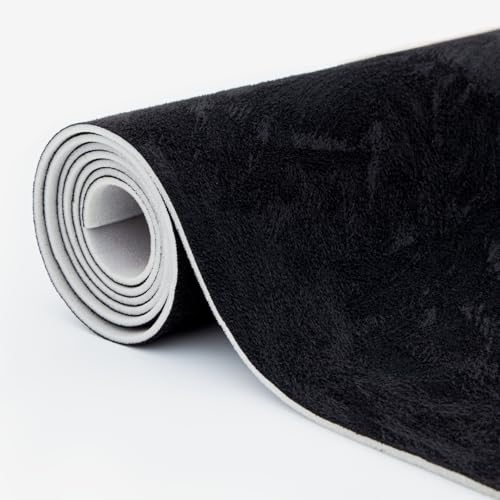
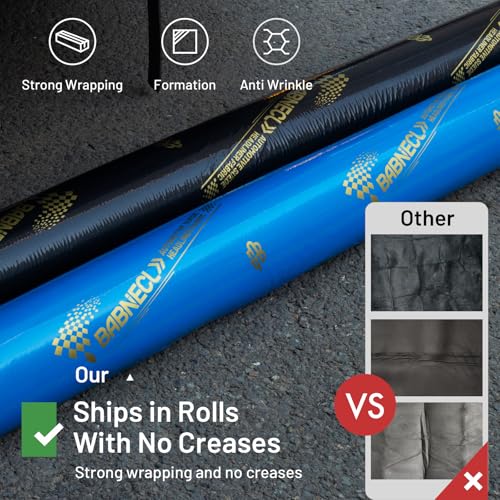
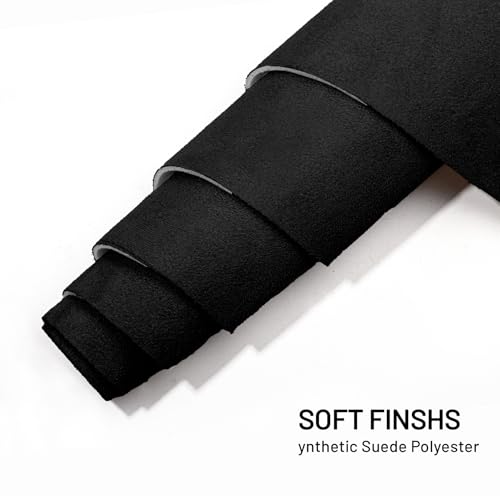
This is the cleanest black suede option in the lineup. The tube shipping means no creases, and the foam backing is uniformly bonded, reviewers rarely mention bubbling or delamination. It’s nearly identical to the Hiksuky in specs and performance, but with a slightly softer hand feel that some owners prefer for a more luxurious touch.
The lack of included blades or extras keeps it from surpassing the Pangda for full kits, but if you already have tools, this is a strong contender. For classic car restorers who want a factory-smooth finish, this hits the mark.
Product photos
Hiksuky Suede Auto Headliner Fabric

Strengths
- Tube packaging
- No creases
- Durable foam bond
Trade-offs
- No extra tools
- Same width as others
- Slight premium
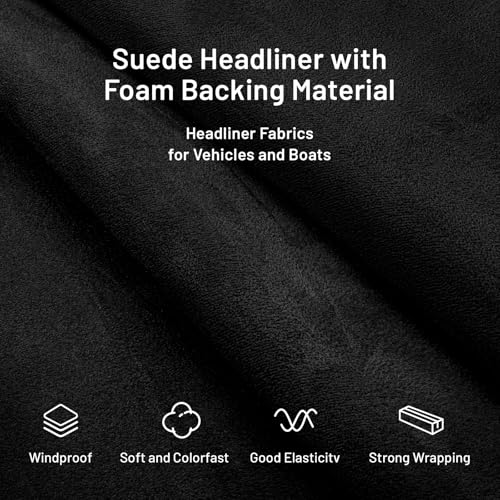
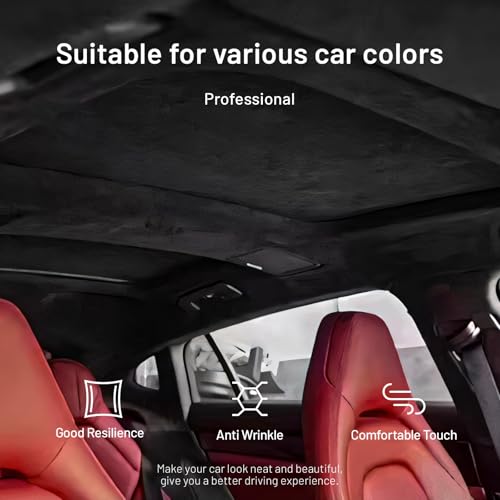
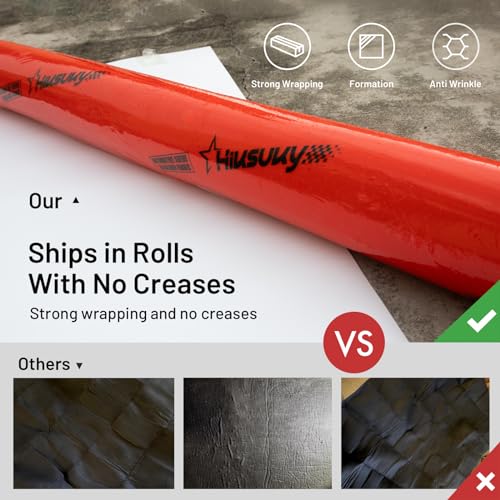
The tube packaging alone gives this an edge. No wrestling with deep creases or hours of ironing, this arrives flat and ready to work with, which is a big plus if you’re on a tight timeline. The synthetic suede feels thick and consistent, and the foam backing shows no signs of separation in owner reports, a common failure point in cheaper models.
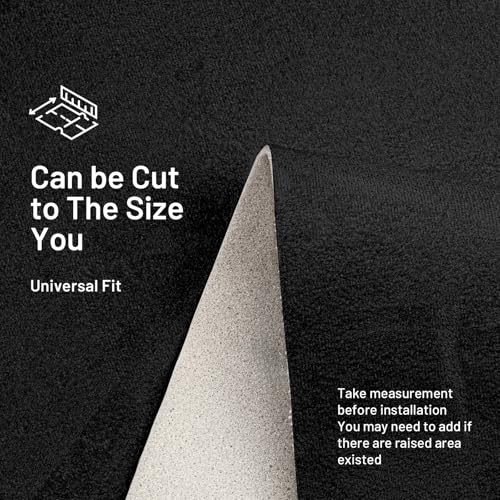
It’s not the largest option, but for most cars and trucks, 98 inches is enough. Compared to the Storystore or Pangda, this one feels more pro-grade, even if the tools are similar. I’d pick this over the others if you value clean edges and consistent thickness across the roll.
Product photos
Pangda Suede Headliner Fabric
Strengths
- Soft suede finish
- Includes tools
- Good size coverage
Trade-offs
- Requires ironing
- Folds on arrival
- Basic tool quality
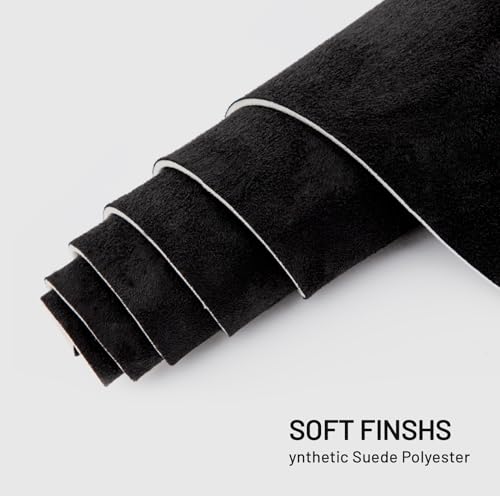
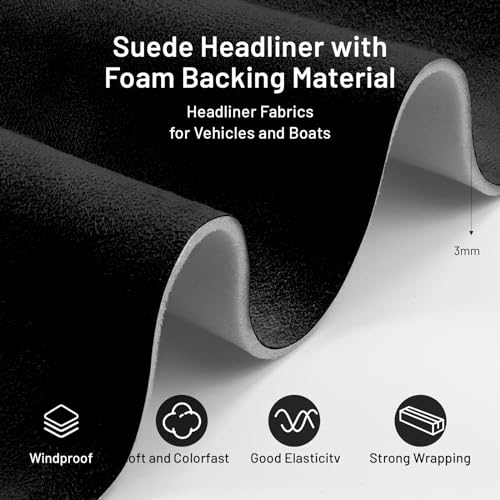
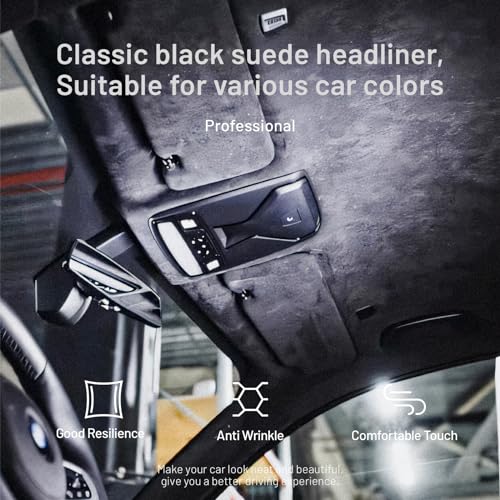
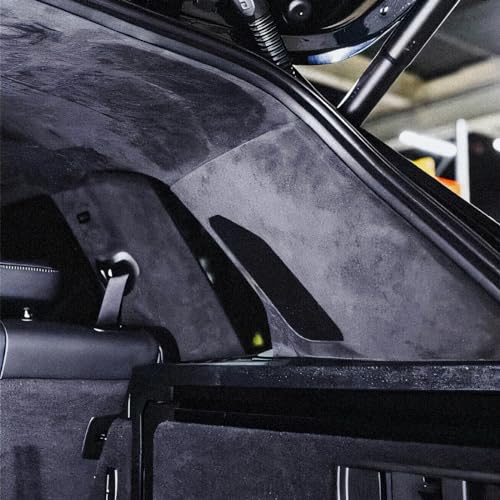
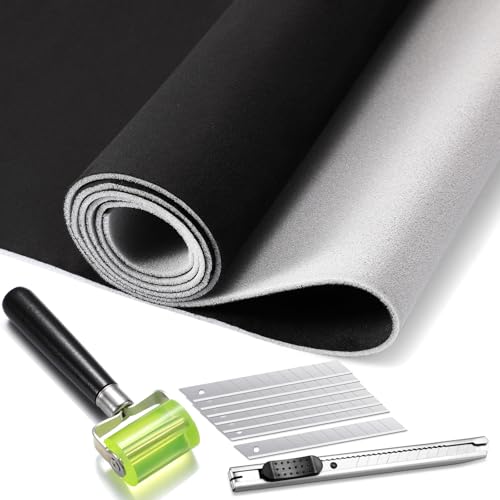
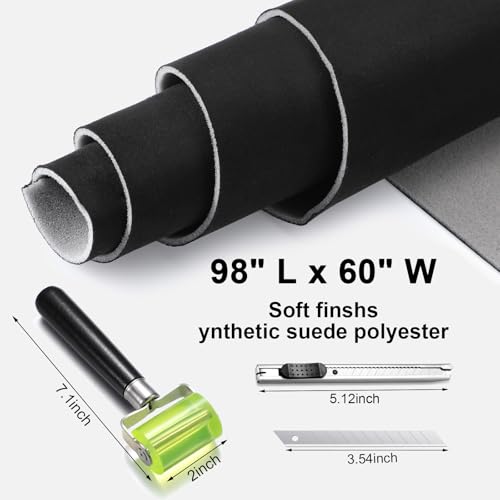
This kit gives you everything but the car itself to start the job. The synthetic suede feels soft and looks the part, and owners consistently report it holds up well against sagging when installed correctly. The included rubber roller and utility knife are basic but functional, making it a solid pick for first-timers who don’t want to hunt down tools separately.
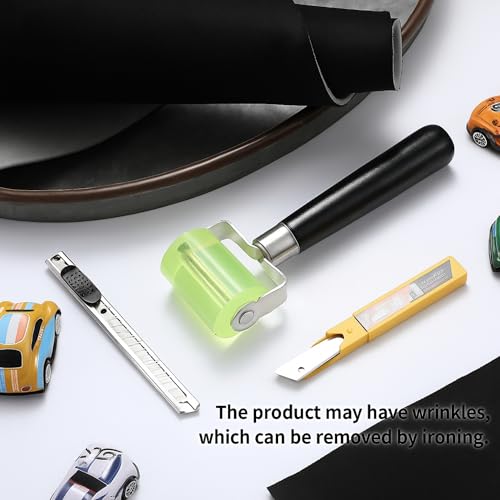
On paper, the 98-inch length covers most sedans and smaller SUVs, but don’t skip measuring your roof first. A few reviewers mention the fabric arrives with deep folds that require ironing, a step that could trip up someone eager to start right away. Compared to tube-shipped options, this one demands a bit more prep.
Product photos
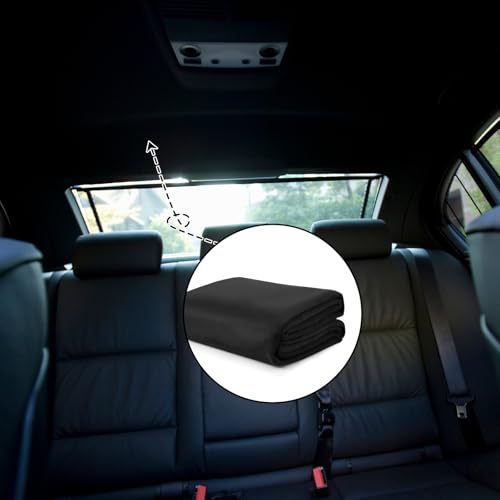
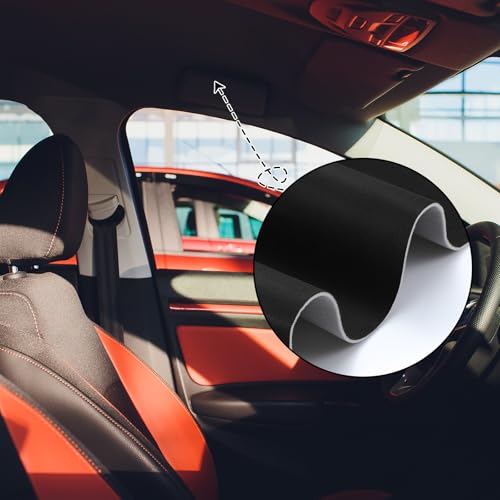
How We Chose These car headliners
As someone who’s spent years immersed in automotive culture at TheAutoZenith, I approach interior components with a keen eye for both aesthetics and practicality. Rather than a hands-on lab test, this selection is a research-led comparison of published specifications and, crucially, owner feedback. I weighed dimensions, material composition, and included tools against thousands of reviews to understand real-world experiences with installation quality and long-term durability. This allowed me to rank options based on suitability for different needs.
For car headliners specifically, consistent material quality, accurate sizing, and ease of installation were the most heavily weighted factors. A headliner must present well, and a poor fit or flimsy material instantly detracts from a vehicle’s interior. Beyond that, the ability to withstand temperature fluctuations and resist sagging over time is paramount. Owners frequently discuss the importance of a quality adhesive or foam backing, and I prioritized options that consistently received positive comments in these areas.
Specifications reliably indicate material thickness and dimensions, but owner feedback proved essential for assessing real-world usability. Comments regarding ease of cutting, adhesive strength (for self-adhesive options), and the presence of wrinkles upon arrival were decisive. I also considered the value added by included tools – a roller and utility knife can significantly streamline the installation process. Keeping the interior clean is also important, so having looked at options for vacuums for car interiors was helpful to contextualize the overall care of a vehicle’s interior.
How To Pick The Right car headliners
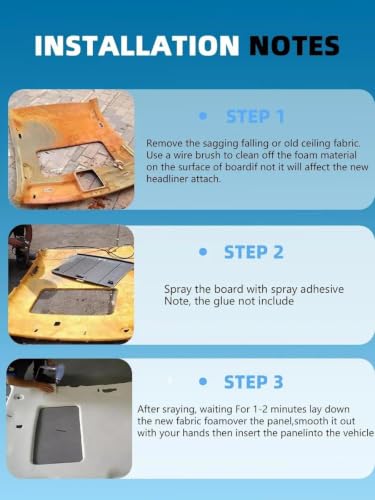
Replacing a car headliner is a surprisingly common DIY project, and getting it right hinges on understanding material properties and installation needs.
A quality car headliner fabric should demonstrate durability against UV exposure and humidity, possess sufficient thickness to provide sound dampening, and maintain dimensional stability, meaning it resists stretching or shrinking after installation. Look for fabrics explicitly designed for automotive use, as home decor materials often lack the necessary resilience to withstand temperature fluctuations and constant vibration.
Material Composition Matters
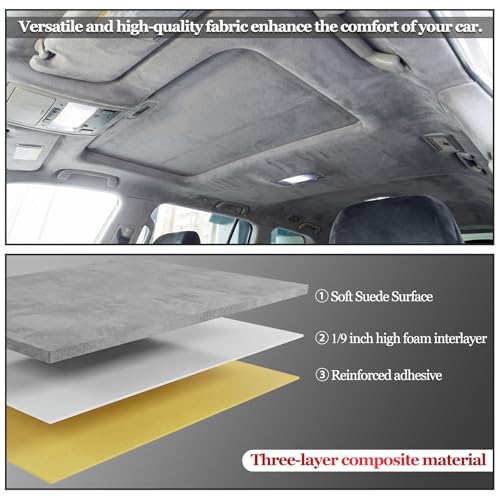
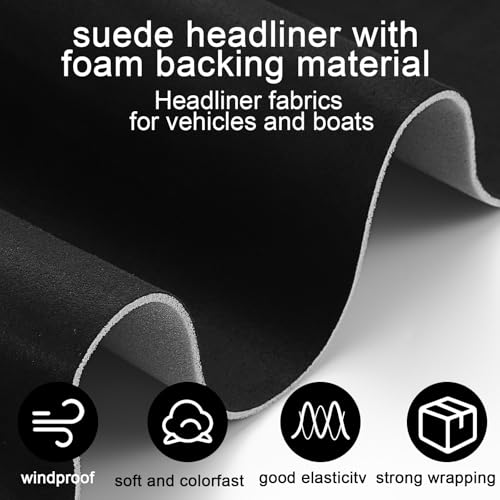
The core of a good headliner is its fabric. While vinyl was once prevalent, suede and mesh are now favored for their aesthetics and comfort. Suede, particularly synthetic suede, offers a luxurious feel and excellent sound deadening, but can be more challenging to work with. Mesh fabrics, like those from YOKKIP, are generally easier to install and provide good airflow, reducing moisture buildup. Don’t underestimate the importance of the foam backing; a thicker (around 1/9 inch is standard) and denser foam will improve sound isolation and provide a more substantial feel. Consider your climate – in humid regions, a mildew-resistant fabric is crucial.
Installation Considerations
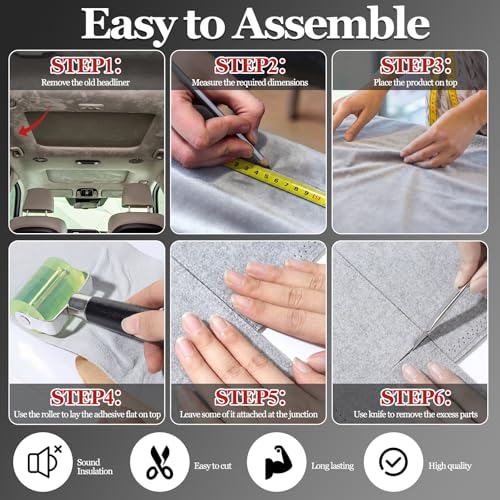
Ease of installation is a huge factor, especially for first-timers. Self-adhesive options, like the Tegeme headliner, remove the need for messy spray adhesives, but require a perfectly clean surface for proper bonding. Fabrics shipped in tubes (like YOKKIP and Babnecl) are less prone to creasing, saving you time and effort with ironing or steaming. If you’re tackling a complex roofline, a more pliable material will be your friend. And if you’re planning a full refresh of your vehicle, don’t forget to explore options for maintaining the rest of your car’s appearance with the right car interior cleaners.
Size & Kits: Don’t Get Stuck Short
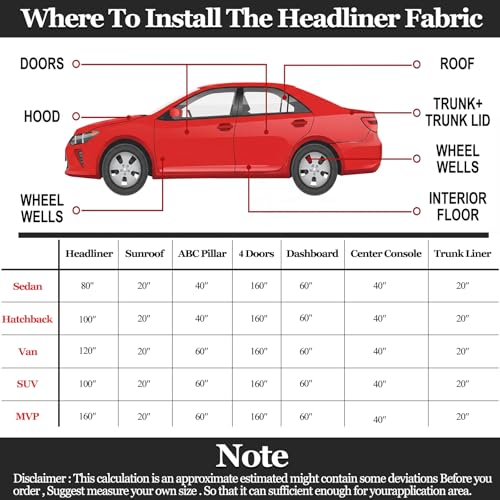
Accurately measuring your roof space is paramount. Most fabrics are sold in roughly 60-inch widths, so you’ll need to calculate the length required, adding extra for overlap and potential errors. Kits like those offered by Topfurn and Pangda are appealing because they include essential tools – a roller, utility knife, and sometimes even replacement blades – streamlining the process.
A good rule of thumb is to always overestimate the amount of fabric needed by at least 10-15%. It’s far better to have leftover material than to run short mid-installation.
Beyond the headliner itself, maintaining your car’s overall finish is important. Applying a quality protective car wax can help protect your vehicle’s exterior while you’re focused on the interior details.
Car Headliners Compared
Here’s a comparison of key specifications for the car headliners discussed.
| Product Title | Material | Length (in) | Width (in) | Foam Backing | Includes Tools | Adhesive |
|---|---|---|---|---|---|---|
| YOKKIP Beige Mesh Headliner Fabric | Mesh | 120 | 58-60 | Yes (1/9″) | No | No |
| Storystore Foam Suede Headliner Fabric | Suede | 98 | 60 | Yes | Yes | No |
| Topfurn 122″ Suede Headliner Fabric | Suede | 122 | 60 | Yes (1/9″) | Yes | No |
| Tegeme Self-Adhesive Velvet Headliner | Velvet | 36 | 60 | N/A | Yes | Yes |
| Babnecl Black Suede Headliner Fabric | Suede | 98 | 60 | Yes (1/9″) | No | No |
| Hiksuky Suede Auto Headliner Fabric | Suede | 98 | 60 | Yes (1/9″) | No | No |
| Pangda Suede Headliner Fabric | Suede | 98 | 60 | Yes | Yes | No |
Frequently Asked Questions
What’s the biggest advantage of a self-adhesive headliner?
Self-adhesive options, like the Tegeme, eliminate the need for spray adhesives, which can be messy and require more ventilation during installation. This makes the project quicker and simpler, particularly for those with less experience.
How much extra fabric should I order?
Always overestimate your fabric needs by at least 10-15%. Running short mid-installation is a common frustration, and having extra material is far preferable to needing a second order.
Are suede headliners really that much better for sound dampening?
Yes, suede, especially synthetic varieties, generally provides superior sound deadening compared to mesh fabrics. The thicker pile and denser weave absorb more noise, creating a quieter cabin experience.
Can I use a household steamer to remove wrinkles from the headliner fabric?
While you can, be very cautious. Excessive heat or prolonged steaming can damage the adhesive backing (if present) or distort the fabric. A cool iron on a low setting with a protective cloth is a safer option, or allowing the fabric to sit and relax for a few days.
Beyond the headliner, what else contributes to a quiet ride?
Maintaining clean tires and using a quality car wash soap helps reduce road noise by preventing debris buildup. Ensuring you have functioning weather stripping around doors and windows also plays a significant role in sound isolation.
The Bottom Line
Replacing a car headliner is a balancing act between achieving a professional look and the effort involved. Ultimately, for the best combination of quality and ease, I believe the Topfurn 122″ Suede Headliner Fabric stands out. It provides a generous amount of material, a good foam backing, and includes the essential tools to make the job manageable – even for those of us who prefer spending weekends turning wrenches rather than wrestling with fabric.
If you’re on a tighter budget or need something quick and straightforward, the Tegeme Self-Adhesive Velvet Headliner is a solid choice. For those prioritizing a breathable, easy-to-clean option, the YOKKIP Beige Mesh Headliner Fabric delivers excellent value. And if you’re restoring a classic vehicle, don’t overlook the importance of a reliable car batteries to ensure a smooth start every time.
At the end of the day, the specific fabric matters less than a careful installation and a commitment to preparation. Taking the time to properly clean the roof, accurately measure the space, and avoid rushing the process will yield far better results than simply choosing the most expensive or feature-rich headliner available. A pleasant cabin environment also benefits from good car air fresheners to complete the experience.
