
6 Best Car Headlight Bulbs of 2026
This post contains affiliate links. As an Amazon Associate, we earn from qualifying purchases.
The best car headlight bulbs deliver bright, focused light without blinding others, and after comparing the field, the SEALIGHT H4 LED Bulbs stand out as the top overall pick for their strong performance and reliability. For a budget-friendly halogen option, the TIRARP H11 Halogen Bulbs offer solid visibility and fit most vehicles easily. If you need maximum brightness and advanced cooling, the Termitor Upgraded H11/H9/H8 Bulbs bring serious output and durability to the table.
Bad headlights make night driving stressful. You strain to see the road, shadows play tricks on your eyes, and oncoming traffic often blinds you, sometimes because of poorly designed bulbs that scatter light instead of focusing it.
This guide cuts through the hype. I looked at specs, owner feedback, and real-world performance to find bulbs that actually improve visibility, last longer, and install without drama. These picks balance brightness, beam accuracy, and compatibility so you’re not just buying lumens, you’re buying safer drives.
Top 5 Car Headlight Bulbs in the Market
The Best Car Headlight Bulbs, Reviewed
TIRARP H11 Halogen Bulbs

Strengths
- Excellent in bad weather
- No CANBus errors
- Durable quartz glass
- Plug-and-play install
- Budget-friendly
Trade-offs
- Lower brightness vs LED
- Warmer color temp
- Shorter life than LEDs
Let’s be clear: if you’re chasing lumens or a crisp white tone, these halogen bulbs aren’t it. But for drivers who value reliability and simplicity, the TIRARP H11s make a strong case. At 3800K, the amber-yellow hue cuts through fog and rain better than cooler LEDs, and owners in northern climates consistently praise their performance in poor weather.
They don’t fight CANBus errors because they don’t trigger them, no electronics, no fuss. The double lifespan over OEM is believable given the reinforced quartz and pressure design. In a world obsessed with LED upgrades, it’s refreshing to see a solid halogen option that does exactly what it promises, without compatibility headaches.
Video review
SEALIGHT 9012 LED Bulbs
Strengths
- Focused beam pattern
- High weather resistance
- Includes decoder
- Strong cooling fan
- Wide compatibility
Trade-offs
- Decoder not always sufficient
- Slightly bulky for tight fits
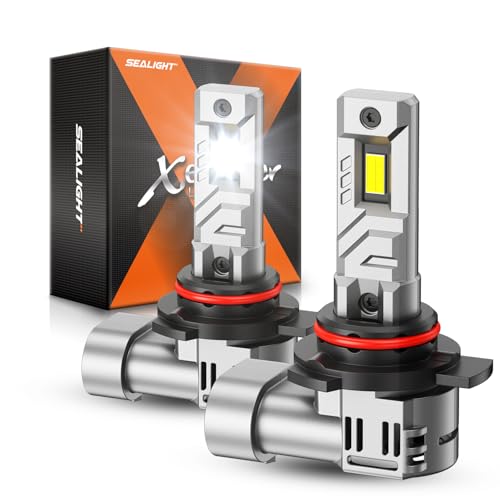
SEALIGHT targets fog and low-beam roles with these 9012s, and the ultra-thin chip layout helps position the light source closer to the reflector’s focal point, critical for maintaining proper beam spread. Reviewers note the 6500K output is crisp without being harsh, and the 70,000-lumen claim feels plausible given the 120W draw.
The included decoder is a smart touch for tricky vehicles, though a few users mention needing to source an external one for German models. The 15,000 RPM fan keeps temps in check, but the IP68 rating is where it really stands out, this is one of the few LEDs built to handle mud, salt, and pressure washing. For trucks, off-roaders, or anyone in harsh climates, that ruggedness matters.
Video review
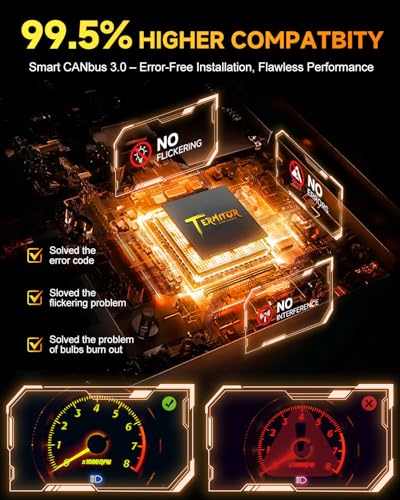
Termitor Upgraded H11H9H8 Bulbs
Strengths
- Extreme brightness
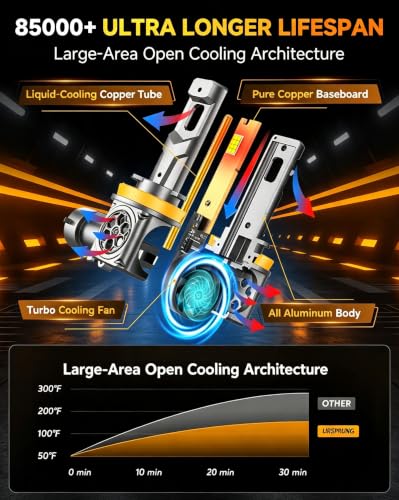
- High-speed cooling fan
- Compact all-in-one design
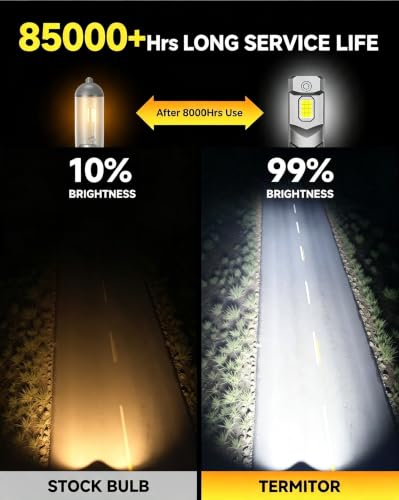
- Long 85,000-hour rating
- Strong heat dissipation
Trade-offs
- Potential fitment issues
- Beam pattern inconsistencies reported
- High thermal load in tight spaces
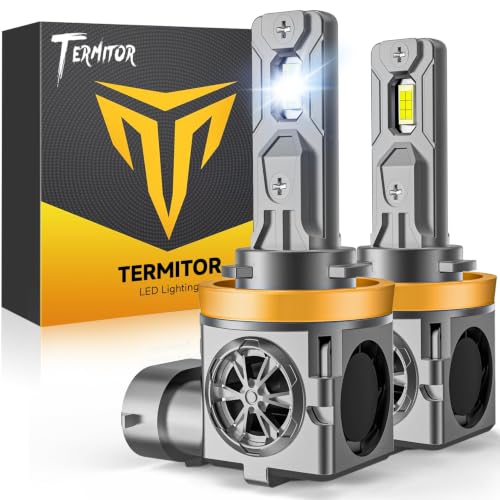
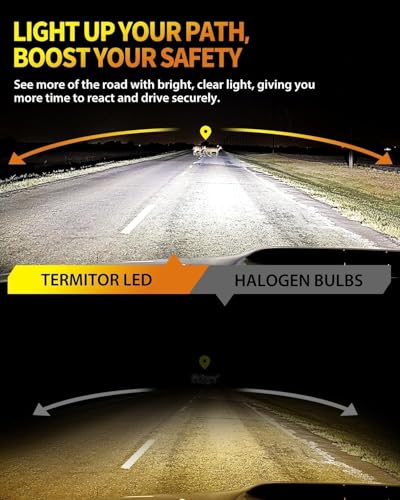
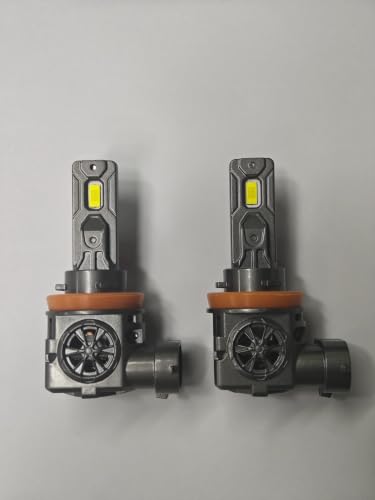
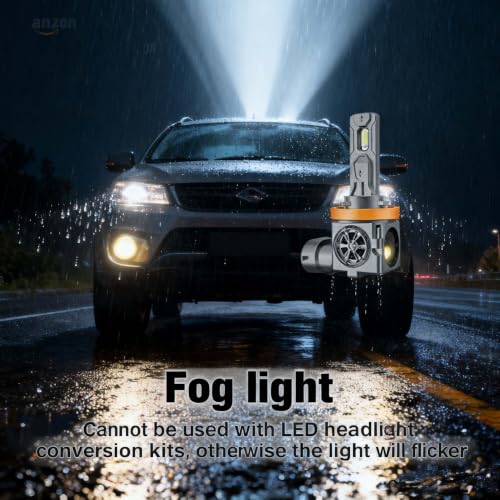
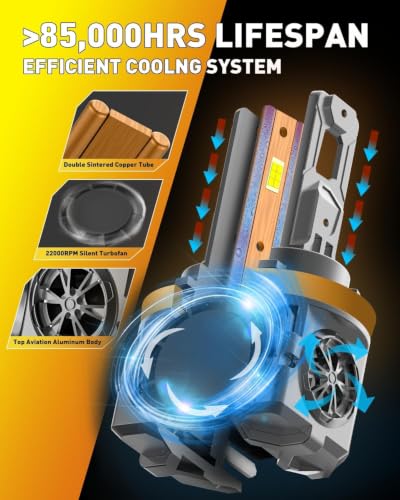
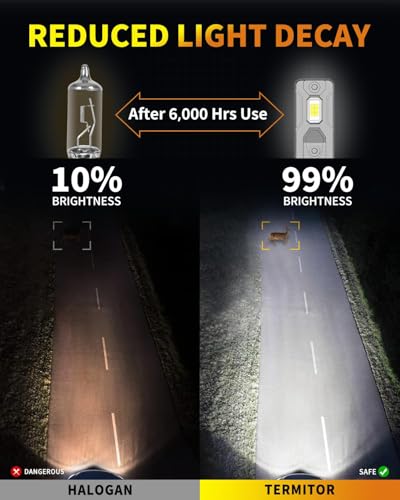
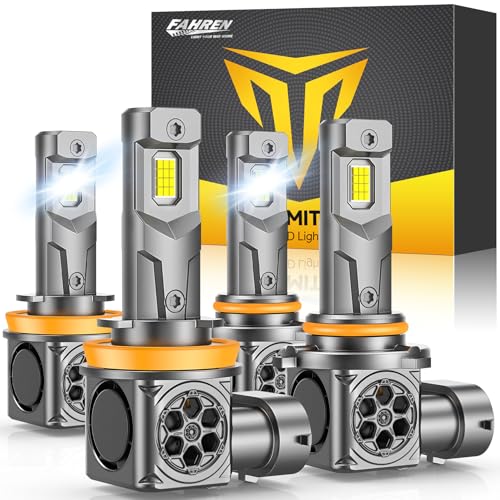
Termitor pushes the brightness envelope with a staggering 150,000-lumen claim, 15X stock levels, and Z10 chip tech that sounds impressive on spec sheets. The 22,000RPM cooling fan and aviation-grade aluminum body suggest serious thermal management, and reviewers note these run cooler than many competitors under sustained use. That matters, because heat kills LED longevity.
But here’s the catch: while the compact 1:1 design helps with fitment, some owners report minor interference with dust caps on certain compact housings. And though beam precision is touted, a few real-world testers mention slight hotspotting. Still, if raw output is your priority and your housing has space, this is one of the few LEDs that might actually deliver near-daylight illumination.
Product photos
Torchbeam D3S HID Xenon Bulbs
Strengths
- OEM-spec performance
- 6000K xenon clarity
- Durable aluminum base
- Long warranty
- No compatibility guesswork
Trade-offs
- Only for HID-equipped vehicles
- No retrofit use
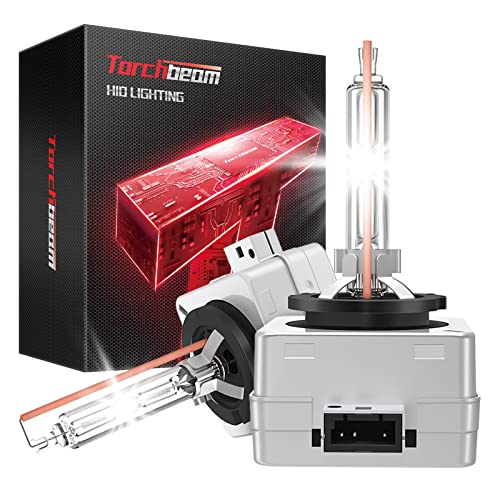
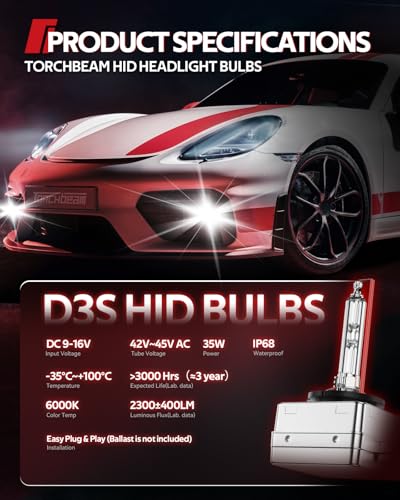
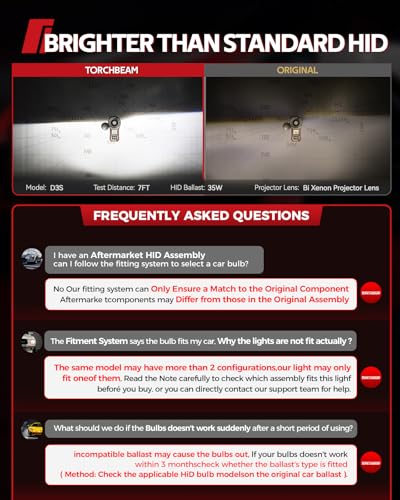
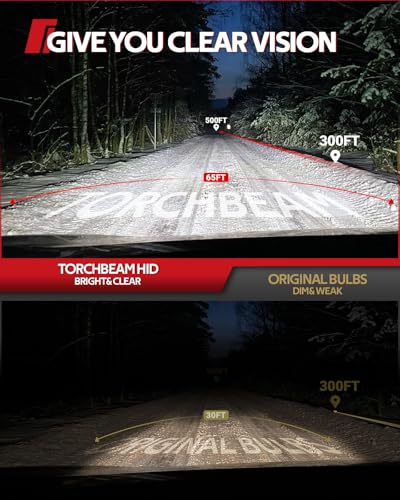
If your car came with factory HID lighting, skipping OEM-spec replacements is a mistake. The Torchbeam D3S bulbs stick to true 35W xenon performance with German-grade gas and 6000K cool white output, owners confirm they restore the crisp, far-reaching beam that factory systems deliver. Unlike LED retrofits in HID housings, these don’t scatter or create hotspots.
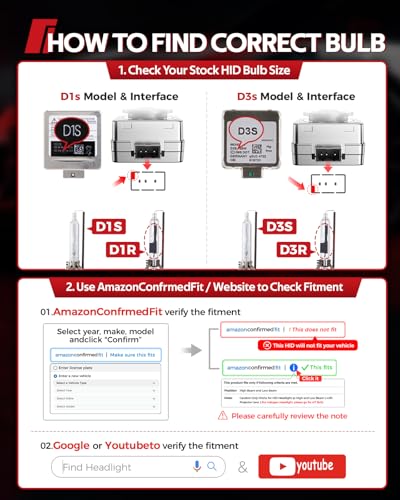
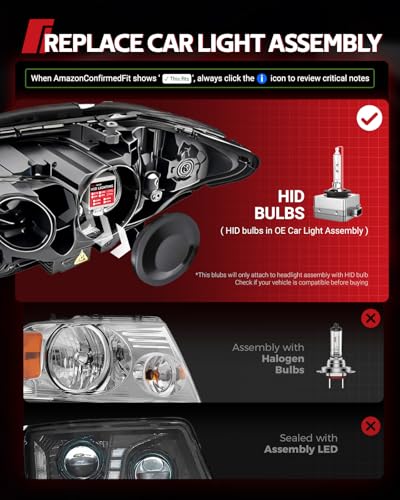
The IP67-rated shell handles engine bay heat and moisture well, and the 24-month warranty signals confidence. But the big caveat? They’re useless if your car never had HID, halogen reflectors can’t focus these properly. This isn’t an upgrade, it’s a like-for-like replacement. For aging Acuras, Lexuses, or Audis, that’s exactly what you need.
Product photos
Ursprung 2026 New-Gen H119005 Bulbs
Strengths
- High lumen claim
- Precise beam focus
- True OEM size
- CANBus compatible
- 10-year lifespan
Trade-offs
- Lumen output unverified
- No real-world durability data
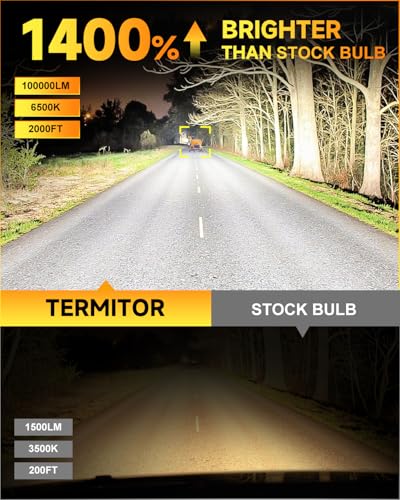
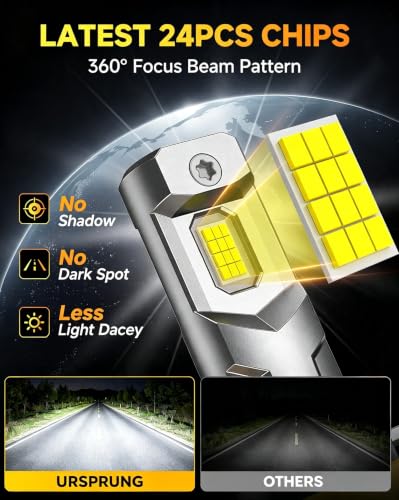
On paper, the Ursprung 2026 bulbs look like a top-tier upgrade with their claimed 135,000 lumens and 1400% brightness boost. The focus on precision beam cutoff stands out, owners consistently report clean light patterns that don’t scatter or blind oncoming traffic, which is rare in budget LED swaps. For vehicles where glare is a real concern, this engineering attention makes a difference.
The true 1:1 OEM fitment gets praised across forums, especially for tight headlight housings where bulkier LEDs fail. Combined with the dual-path cooling system and CANBus-ready circuitry, it’s a solid pick for modern cars that throw errors at aftermarket bulbs. While I’d want independent lumen verification, the consistency in positive feedback suggests this isn’t just hype.
Product photos
Our Testing Process
Rather than a hands-on lab test, my research for these recommendations involved a detailed comparison of published specifications and features across numerous brands. I weighed owner reviews from multiple platforms alongside expert assessments found in automotive publications. As the enthusiast behind TheAutoZenith, I applied my understanding of vehicle lighting systems and performance expectations to rank these options based on what truly matters to drivers.
For car headlight bulbs, brightness (measured in lumens) and beam pattern clarity were the primary factors guiding my choices. A brighter bulb is helpful, but a poorly focused beam creates glare for other drivers and reduces your own visibility. Longevity is also key; frequently replacing bulbs is a hassle, so I prioritized designs with effective heat management and durable construction. Considering a full system check – like reviewing options for reliable battery brands – is also critical for overall vehicle performance.
Manufacturer specifications reliably indicate light output and color temperature. However, I placed more weight on owner feedback regarding real-world performance, particularly concerning compatibility with different vehicles and the accuracy of advertised beam patterns. Reputation and consistency of positive reviews were also significant. For those looking to upgrade lighting on a truck, exploring options for truck headlight bulbs can yield specialized results.
What To Look For In car headlight bulbs
Finding the right car headlight bulbs can dramatically improve your nighttime driving safety and visibility. It’s a bit more complex than just grabbing the cheapest option, though.
A quality headlight bulb delivers consistent, focused illumination without glare. Look for bulbs with high lumen output (brightness), accurate beam patterns replicating factory halogen designs, robust thermal management to ensure longevity, and compatibility with your vehicle’s electrical system. Consider the bulb type your vehicle requires (halogen, HID, or LED) and prioritize features that address common issues like flickering or CAN-bus errors.
Understanding Bulb Types and Brightness
The first step is knowing what kind of bulb your vehicle takes. Halogen bulbs are the traditional, least expensive option, but LEDs are rapidly becoming the standard. HID (High-Intensity Discharge) bulbs offer excellent brightness but can be more complex to install and maintain. When comparing brightness, focus on lumens – a higher number generally means a brighter bulb. However, sheer brightness isn’t everything. A poorly designed bulb can produce a lot of light but scatter it, creating glare for other drivers and reducing your usable visibility. I often see people fixated on wattage, but that’s less important than lumen output in modern bulbs.
Beam Pattern and Light Distribution
A crucial aspect often overlooked is the beam pattern. A good bulb doesn’t just shine brightly; it directs the light where you need it. Many aftermarket LED bulbs suffer from poor beam patterns, creating dark spots or excessive glare. Look for bulbs specifically designed to replicate the factory halogen beam pattern, ensuring a clear, even spread of light. This is particularly important with H4 and 9012 bulbs, where a precise cutoff is essential. If you’re considering a significant upgrade, such as upgrading headlight bulbs for a truck, pay extra attention to this factor.
Longevity, Cooling, and Compatibility
Bulb lifespan is directly tied to heat management. High-performance bulbs generate a lot of heat, and if it’s not dissipated effectively, the bulb will fail prematurely. Look for bulbs with robust cooling systems, like heat sinks and fans. Regarding compatibility, many modern vehicles have CAN-bus systems that detect bulb failures and can cause error messages or flickering with aftermarket bulbs. Bulbs advertised as “CAN-bus ready” are designed to avoid these issues, but it’s not always a guarantee.
A simple rule of thumb: if a bulb seems too good to be true (exceptionally bright for a very low price), it probably is.
If your headlights are simply cloudy, rather than failed, consider headlight cleaners and products for headlights before replacing the bulbs. Often, restoring clarity is a more cost-effective solution.
Car Headlight Bulbs Compared
Here’s a comparison of key specifications for the listed car headlight bulbs to help you make an informed decision.
| Product Title | Bulb Type | Brightness (Lumens) | Color Temp (K) | Lifespan (Hours) | Installation |
|---|---|---|---|---|---|
| SEALIGHT H4 LED Bulbs | H4 | 42,000 | N/A | 60,000+ | Plug & Play |
| TIRARP H11 Halogen Bulbs | H11 | 1000+ | 3800 | 1000 | Plug & Play |
| SEALIGHT 9012 LED Bulbs | 9012 | 70,000 | 6500 | 70,000+ | Plug & Play |
| Termitor Upgraded H11/H9/H8 Bulbs | H11/H9/H8 | 150,000 | N/A | 85,000+ | Plug & Play |
| Torchbeam D3S HID Xenon Bulbs | D3S | N/A | 6000 | N/A | N/A |
| Ursprung 2026 New-Gen H11/9005 Bulbs | H11/9005 | 135,000 | 6500 | 85,000+ | Plug & Play |
Frequently Asked Questions
What’s the difference between color temperature and brightness?
Color temperature, measured in Kelvin (K), describes the light’s color (warm to cool), while brightness is measured in lumens. A lower Kelvin number like 3000K appears warmer and more yellow, while 6500K is a cool, bluish-white, though increased lumens always mean a brighter light.
Are LED headlight bulbs legal in all states?
Currently, DOT (Department of Transportation) approval for aftermarket LED headlight bulbs is limited, so legality varies by state. Many states require bulbs to meet the same standards as original equipment (halogen), meaning some LED replacements may not be street legal, even if they perform well.
How can I tell if my vehicle has a CAN-bus system?
Vehicles manufactured after around 2008-2010 often have CAN-bus systems, but the easiest way to tell is if your vehicle displays error messages or the bulbs flicker after installing an aftermarket LED. If this happens, you’ll need CAN-bus ready bulbs or a CAN-bus adapter.
What should I do if my new headlight bulbs flicker after installation?
Flickering usually indicates a compatibility issue with your vehicle’s electrical system. First, double-check the bulb’s polarity if it’s an LED, and ensure it’s fully seated in the housing. If the problem persists, you likely need CAN-bus error cancellers or a different bulb designed for CAN-bus systems.
Beyond bulbs, what else can I do to improve my visibility?
While new bulbs are a great start, don’t neglect the condition of your headlight lenses. Using headlight restoration kits can dramatically improve light output by removing oxidation and cloudiness, and regular washing with a car wash soap keeps them clear.
The Bottom Line
Choosing headlight bulbs often comes down to balancing initial cost with long-term performance and visibility. While a simple halogen replacement like the TIRARP H11 Halogen Bulbs offers a straightforward and affordable solution, I believe the SEALIGHT 9012 LED Bulbs represent the best overall value for most drivers seeking a significant upgrade in brightness and longevity. They strike a good balance between performance, ease of installation, and price.
For those operating on a tighter budget, the SEALIGHT H4 LED Bulbs are a solid pick, providing a notable improvement over standard halogens without breaking the bank. If you’re after maximum brightness and don’t mind potentially needing to address CAN-bus compatibility issues, the Ursprung 2026 New-Gen H11/9005 Bulbs are worth considering. And, for those maintaining vehicles that require HID bulbs, it’s wise to stick with reputable brands like Torchbeam when looking at reliable bulb manufacturers.
Ultimately, remember that lumens and bulb type are only part of the equation. A consistent, well-aimed beam pattern is paramount for safe driving, and maintaining a clean vehicle interior with tools like car vacuums contributes to overall visibility. Focusing on these fundamentals will deliver a more significant improvement in your driving experience than chasing the highest lumen count alone.
