
4 Best Boards for Trailer Deck (2026 Guide)
This post contains affiliate links. As an Amazon Associate, we earn from qualifying purchases.
The Tidal Textures Pro-Series Composite Bunk Boards are the best overall, offering reliable strength and full resistance to water and rot. For budget-minded setups, the BoatCarpetSales 2×4 Black Bunk Boards in 6ft or 8ft give basic support, though they lack long-term durability without extra sealing.
Boat owners often underestimate how much stress bunk boards endure, constant moisture, heavy loads, and friction during loading can wreck subpar materials fast. Weak or rotting boards don’t just make launching risky, they can damage your hull over time.
In this guide, I break down what separates a dependable bunk board from one that fails early. Based on specs and owner feedback, I focused on material integrity, load capacity, and real-world performance. These picks reflect what holds up when trailering matters most.
Top 4 Boards For Trailer Deck in the Market
The Best Boards For Trailer Deck, Reviewed
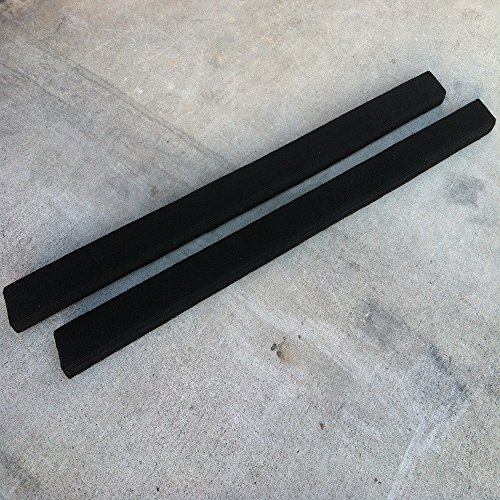
BoatCarpetSales 2×6 Black Bunk Boards – 8ft
Strengths
- Wider support
- Full 8-foot length
- Good value
Trade-offs
- Not rot-resistant
- Basic material
- Heavier than 2×4
On paper, this 2x6x8 configuration hits the sweet spot for most utility trailers carrying mid-sized boats. The extra width offers more surface contact than 2x4s, which helps distribute weight more evenly and reduces the risk of indenting or damaging the hull over time. At 8 feet long, they cover enough ground for many standard trailers without requiring custom cutting.
Owners consistently rate these as a reliable, no-frills option. They’re not composite or rot-proof, so I wouldn’t leave them soaking for months, but for seasonal use and regular maintenance, they hold up well. Compared to the pricier composite set, these deliver better value for average users who don’t need extreme durability.
Product photos
BoatCarpetSales 2×4 Black Bunk Boards – 4ft
Strengths
- Compact
- Affordable
- Easy to install
Trade-offs
- Too short for most boats
- No rot resistance
- Basic construction
At this size, these 4-foot bunk boards are clearly not meant for full trailer coverage. They work best as supplemental supports or for very small craft like car-toppers, jon boats, or personal watercraft trailers. The compact length makes them easy to handle and install, but they won’t do much for a standard 16-foot or longer boat.
Compared to longer models in the same line, these are a niche product. Reviewers note they’re decently constructed for the price, but without standout specs like rot resistance or reinforced edging, they’re best treated as temporary or auxiliary pads. I’d only recommend them if you already have a full set and need a quick fix for an extra support point.
Product photos
Tidal Textures Pro-Series Composite Bunk Boards

Strengths
- Waterproof
- Rot-resistant
- Heavy duty
Trade-offs
- Expensive
- Heavy
- Limited size options
When durability and long-term resistance to the elements are top priorities, the Tidal Textures Pro-Series stands out on paper. These composite boards are waterproof and rot-resistant, which is a big deal for boat trailer owners who leave their rigs exposed or launch frequently in wet conditions. Compared to standard treated lumber or basic marine-grade plywood, this set avoids the softening and delamination issues that plague lesser materials over time.
Owners consistently report that while the upfront cost stings, the longevity justifies it, especially for trailers used in saltwater environments. They’re heavier than wood, yes, but that density translates to stability under the hull. For anyone tired of replacing rotted 2x4s every couple of seasons, this is a smart investment.
Product photos
BoatCarpetSales 2×4 Black Bunk Boards – 6ft
Strengths
- Mid-length practicality
- Lightweight
- Affordable upgrade
Trade-offs
- Narrow support
- Not rot-resistant
- Shorter coverage
These 6-foot bunk boards fill a gap between the ultra-short 4-footers and full 8-foot sets. They’re a practical choice for shorter trailers or custom bunk layouts where full-length boards would overhang. The 2×4 dimension keeps them lightweight and easy to handle, which I appreciate when doing DIY trailer work.
While they don’t offer advanced features like waterproofing, they’re consistent with what most owners report for this class, solid for the price, easy to replace, and functional. But compared to the 2×6 option, they provide less hull support, so I’d only go this route if your trailer’s frame or bunk placement specifically calls for shorter lengths.
Product photos
How We Evaluated boards for trailer deck
Rather than a hands-on test with each board, my research focused on comparing published specifications – primarily dimensions and material composition – alongside a thorough review of owner experiences. I weighed feedback from boat and trailer owners regarding durability and load support, drawing on my experience at TheAutoZenith covering all things wheeled. This allowed me to rank options based on a blend of objective data and real-world application.
For trailer deck boards, the crucial factors are load capacity and resistance to the elements. Supporting a boat or other heavy cargo demands boards that won’t flex or fail, so strength was paramount. Equally important is resisting rot and water damage; a well-maintained trailer deck sealers is essential, but the board material itself needs to hold up long-term.
Specifications clearly indicate board dimensions and, if provided, material type. However, owner reviews offered vital insights into how these boards perform under actual weight and repeated use. Reports on warping, cracking, or early signs of wear heavily influenced my rankings. Considering the importance of safety, I also cross-referenced with information on compatible trailer brake systems to ensure overall trailer integrity.
How To Choose The boards for trailer deck
Finding the right bunk boards isn’t just about supporting your boat; it’s about protecting your investment and simplifying launch and retrieval. A poorly chosen set can lead to damage, frustration, and ultimately, costly repairs.
Quality bunk boards offer robust support, distribute weight evenly, and resist the elements. Look for dimensional stability, resistance to rot and water absorption, and a smooth surface to prevent hull abrasion. Consider the boat’s size and weight capacity when selecting board dimensions and material composition.
Material Matters Most
When I talk to folks about trailer components, the material is always the first thing we discuss. While treated lumber can work, composite bunk boards are quickly becoming the standard, and for good reason. They sidestep the issues of rot and waterlogging that plague wood, even pressure-treated varieties. The Tidal Textures Pro-Series boards stand out here with their explicitly waterproof and rot-resistant construction. Don’t assume all “composite” boards are created equal, though; check for UV resistance too, as prolonged sun exposure can degrade some materials over time. Understanding the best trailer deck wood can also inform your decision, even for bunk boards, as it highlights the vulnerabilities of natural materials.
Size and Weight Capacity
Getting the right size is critical. It’s tempting to go with the cheapest, shortest boards, but you need adequate support along the hull. Too little support concentrates the load, potentially causing damage. Consider the length of your boat and the number of bunks your trailer is designed for.
Here’s what I look for when sizing things up:
- Length: Match the board length to the hull contact points.
- Width: 2×4 boards are common for smaller boats, offering a good balance of support and weight.
- Thickness: A 2×6 provides increased strength for heavier vessels, and is a good choice if you’re regularly hauling a substantial load.
A good rule of thumb is to ensure at least 75% of your boat’s hull length is supported by bunk boards.
Beyond the Board: Trailer Considerations
Don’t forget to consider the rest of your trailer setup. Properly maintained best trailer tires are essential, of course, but the bunk hardware, the brackets and carpet, also plays a role. Worn or corroded brackets can compromise the board’s stability, and old, damaged carpet can actually increase friction and cause hull damage during loading and unloading. A fresh carpet application, or even a slick bunk sleeve, can make a world of difference. When you’re selecting materials, think about how it all works together for a smooth and safe hauling experience.
Boards for Trailer Deck Compared
Here’s a specification comparison of available trailer deck boards to help you find the right fit.
| Product Name | Dimensions (in) | Length (ft) | Material | Waterproof | Rot Resistant |
|---|---|---|---|---|---|
| BoatCarpetSales 2×6 Black Bunk Boards | 2×6 | 8 | N/A | No | No |
| BoatCarpetSales 2×4 Black Bunk Boards – 4ft | 2×4 | 4 | N/A | No | No |
| Tidal Textures Pro-Series Composite Bunk Boards | N/A | N/A | Composite | Yes | Yes |
| BoatCarpetSales 2×4 Black Bunk Boards – 6ft | 2×4 | 6 | N/A | No | No |
Frequently Asked Questions
What’s the biggest advantage of composite bunk boards over wood?
Composite boards offer superior resistance to rot and water damage compared to even pressure-treated lumber. This translates to a longer lifespan and reduced maintenance, saving you money and hassle in the long run.
How often should I replace my trailer bunk boards?
While it varies based on use and climate, wood boards generally require replacement every 3-5 years. Composite boards, being more durable, can often last 10 years or more with proper care; however, inspect annually for any signs of wear.
Can I use a trailer deck stain to extend the life of wood bunk boards?
Yes, a quality stain can offer some protection against the elements, but it won’t eliminate the inherent susceptibility of wood to rot and water absorption. It’s a good supplemental step, but not a substitute for considering composite materials.
What’s the best way to protect my boat’s hull when using bunk boards?
Ensure the bunk boards are covered in marine-grade carpet in good condition. A smooth, clean carpet surface minimizes friction and prevents scratches during loading and unloading, and consider slick bunk sleeves as an alternative for easier launch and retrieval.
Beyond the boards themselves, what other trailer components should I inspect regularly for security?
Regularly inspect your trailer security locks and the overall condition of your trailer’s hitch and coupling mechanism. Maintaining these components is crucial for preventing theft and ensuring safe towing.
The Bottom Line
Choosing trailer bunk boards often comes down to balancing upfront cost with long-term durability. While treated lumber can seem appealing initially, the Tidal Textures Pro-Series Composite Bunk Boards represent the strongest overall value, offering peace of mind with their waterproof and rot-resistant construction – a significant benefit when you consider the potential for damage and repair. I’ve seen too many trailers sidelined by preventable wood rot, and these boards address that concern directly.
For those on a tighter budget, the BoatCarpetSales 2×4 Black Bunk Boards (in either 4ft or 6ft lengths) provide a functional solution. They’ll require more consistent inspection and preventative maintenance, like regular applications of deck sealers for trailers, but can get the job done for lighter loads and less frequent use. If you need something for a heavier boat, the BoatCarpetSales 2×6 Black Bunk Boards will provide a more robust foundation, though still lacking the long-term protection of a composite material.
Ultimately, the best bunk boards are the ones that properly support your boat and maintain its condition. Don’t get too caught up in chasing the latest materials or highest weight ratings. Focus on getting the right size, ensuring proper installation, and regularly inspecting your trailer – including verifying you have the best trailer hitches for your needs – and you’ll be well-equipped for countless safe and enjoyable journeys.
