
7 Best BMX Helmets of 2026
This post contains affiliate links. As an Amazon Associate, we earn from qualifying purchases.
The Bell Servo stands out as the best overall BMX helmet for its reliable protection and simple, effective design, while the Triple Eight Sweatsaver is a top versatility pick thanks to its dual-certification and customizable fit. For riders on a budget, the OutdoorMaster Multi-Sport delivers basic coverage without breaking the bank.
BMX riding demands gear that keeps up with hard landings, fast laps, and constant motion, especially your helmet. A poor choice can mean overheating, an ill-fitting shell, or worse, inadequate protection when you need it most.
This guide cuts through the noise by focusing on what matters: safety certifications, real-world comfort, and secure fit. I researched each helmet based on specs, rider feedback, and how well it serves different riding styles, from park sessions to street runs.
Top 7 Bmx Helmets in the Market
The Best Bmx Helmets, Reviewed
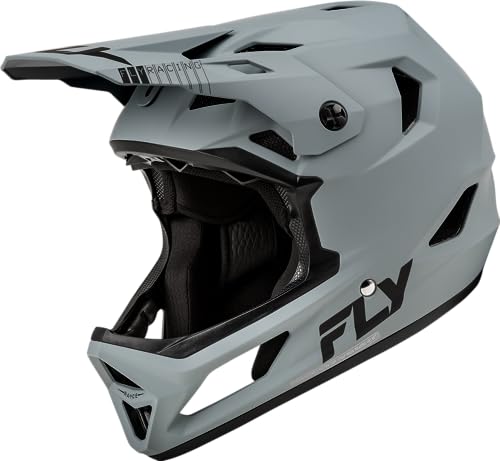
Fly Racing Rayce Full-Face Helmet
Strengths
- Full-face protection
- Lightweight for its class
- Excellent ventilation
Trade-offs
- Overkill for street or flatland
- Bulky for casual use
The Fly Racing Rayce is in a different league, this is a full-face downhill helmet built for gravity-fed abuse. With ASTM F1952-15 certification, it’s rated for downhill mountain biking and aggressive BMX, making it the only one here that truly covers extreme scenarios. The poly-alloy shell and EPS liner are beefier than anything else on this list, and at around 930g, it’s impressively light for its class.
The TFV airflow system actually works, owners riding in bike parks all day say it manages heat better than most full-face designs. The adjustable visor and D-ring strap add pro-level touches. Yes, it’s expensive, but for riders hitting jumps, drops, or downhill tracks, this is the smarter buy over open-face models.
Video review
OutdoorMaster Multi-Sport Helmet

Strengths
- Budget-friendly
- Two removable liners
- Double fit adjustment
Trade-offs
- CPSC only (not ASTM certified)
- Build quality feels utilitarian
This OutdoorMaster helmet is clearly built to hit that ultra-low price point while still offering multi-sport flexibility. The dual removable liners are a smart touch, letting you fine-tune fit across different head sizes, which makes it a decent shared option for families. The double adjustment dial also gets praise in owner reviews for staying put once set.
But there’s a trade-off: it only carries CPSC certification, so it’s not technically approved for skateboarding or roller sports under ASTM standards. That’s a real gap if you’re hitting ramps or doing tricks. For flat-ground biking or beginner scooter use, it works. But I’d pass if you need true skatepark readiness.
Video review
Triple Eight Sweatsaver Helmet

Strengths
- Superior comfort
- Moisture-wicking pads
- Triple-certified
Trade-offs
- Pads take time to break in
- Sizing can be tight initially
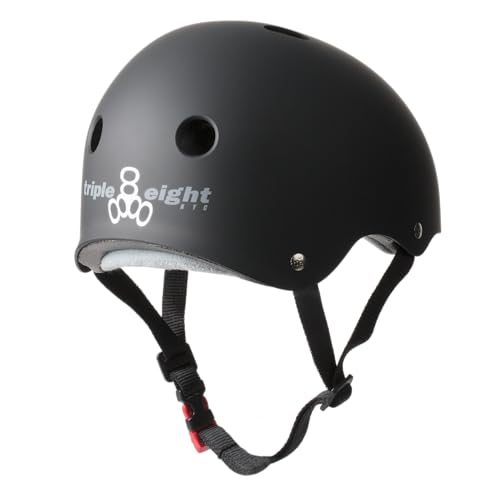
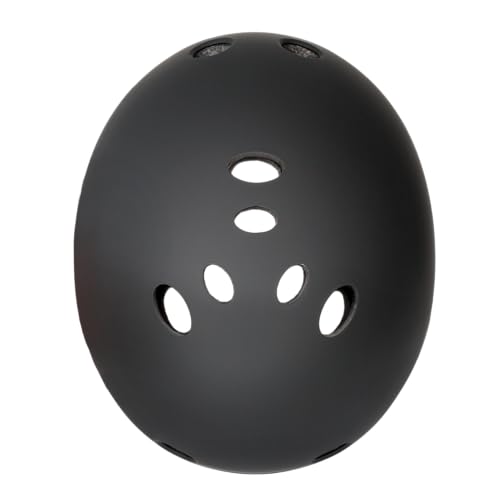
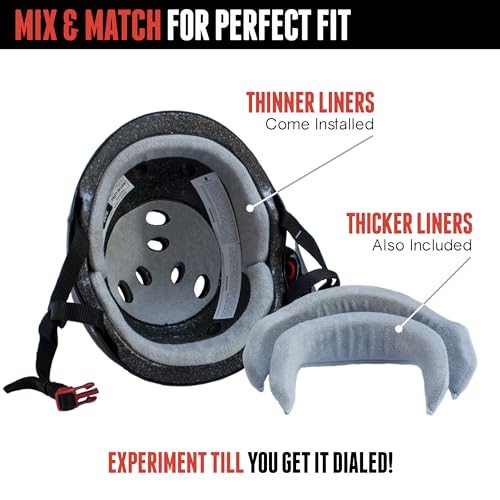
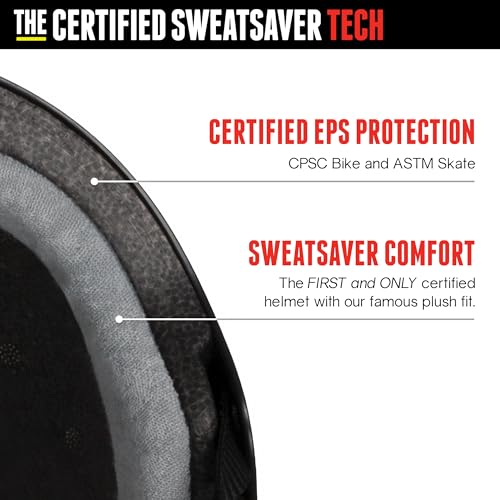
If comfort and personalized fit are your top priorities, the Triple Eight Sweatsaver should be at the top of your list. The dual-density foam and moisture-wicking Sweatsaver pads aren’t just marketing, they’re backed by consistent owner feedback praising long-session comfort. The inclusion of two pad sets lets you truly dial in the fit, and reviewers say it molds to the head after a few wears.
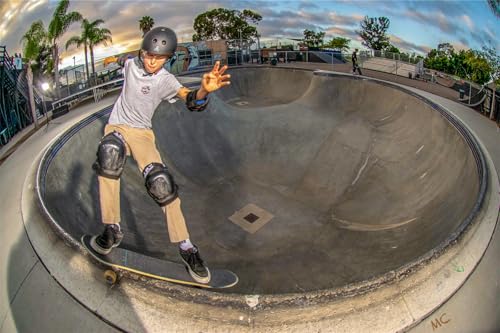
It’s also triple-certified, just like the Pro-Tec models, so it’s safe for skateparks, BMX, and inline. The slim profile sits lower on the skull than many competitors, giving better rear coverage. Compared to the Bell Servo, it’s a clear step up in both security and breathability. My recommendation? This is the go-to for all-day park riders.
Product photos
Bell Servo BMX Helmet
Strengths
- Comfortable padding
- Removable cheek pads
- Secure neck roll
Trade-offs
- CPSC only (not ASTM certified)
- Limited size range
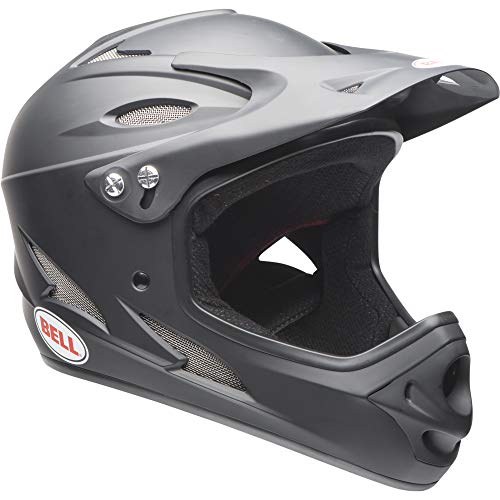
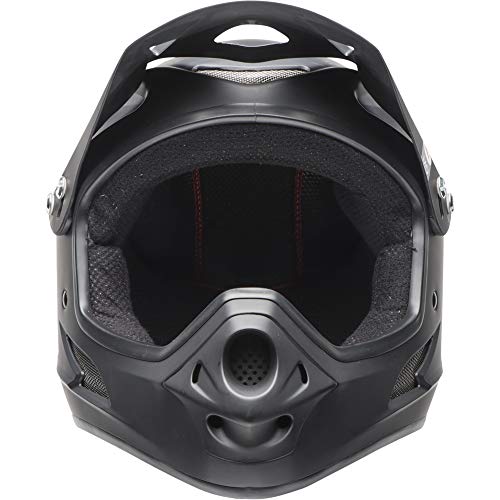
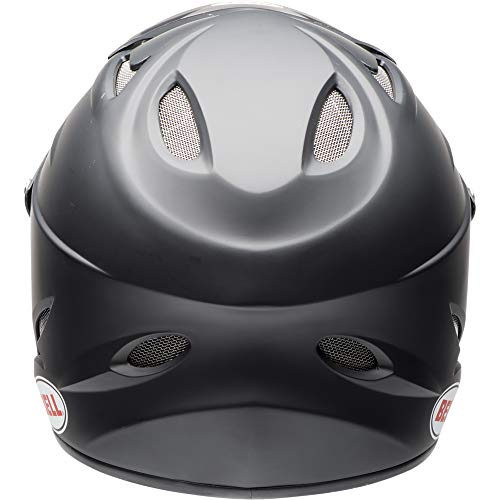
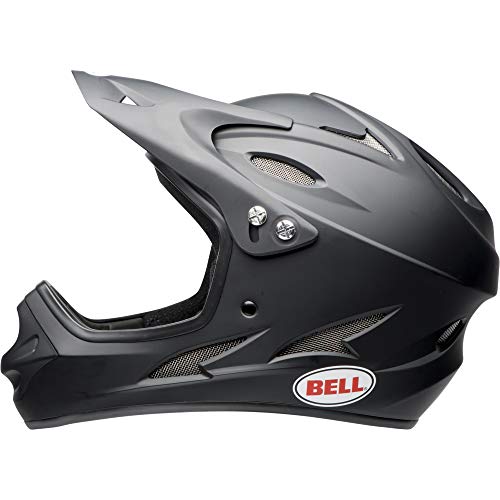
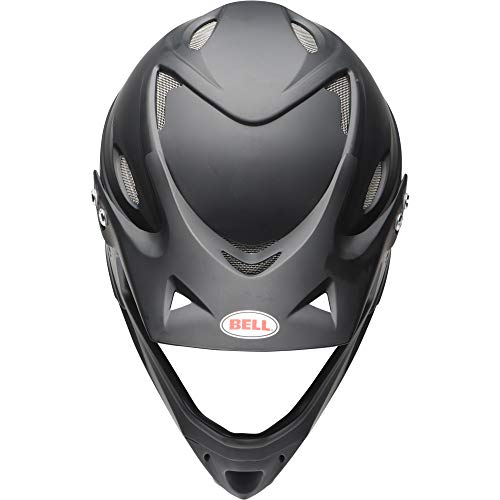
The Bell Servo lands in that sweet mid-tier zone where fit and comfort start to matter more than just basic protection. It’s not flashy, but the plush interior padding and removable cheek pads are features usually seen on pricier models. Reviewers note it wraps the head well, reducing bounce during tricks or rough pavement runs.
It only meets CPSC standards, no ASTM skate certification, so I wouldn’t recommend it for serious skatepark sessions. Compared to the Pro-Tec or Triple Eight, it’s less versatile. But for casual BMX riders who prioritize cushioning and a clean matte look, it holds its ground.
Product photos
Pro-Tec Full Cut Helmet
Strengths
- Legendary style
- Triple-certified
- Durable ABS shell
Trade-offs
- Heavier than low-profile models
- Fit can feel bulky for some
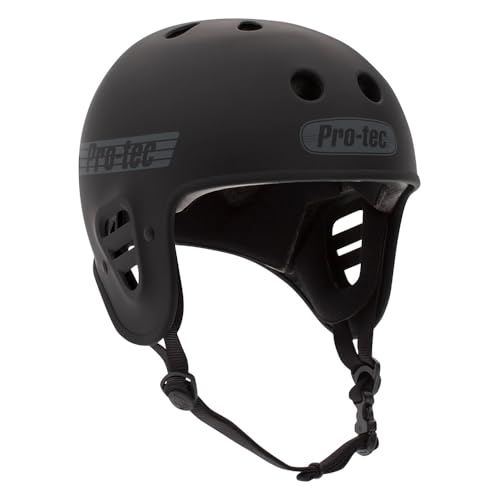
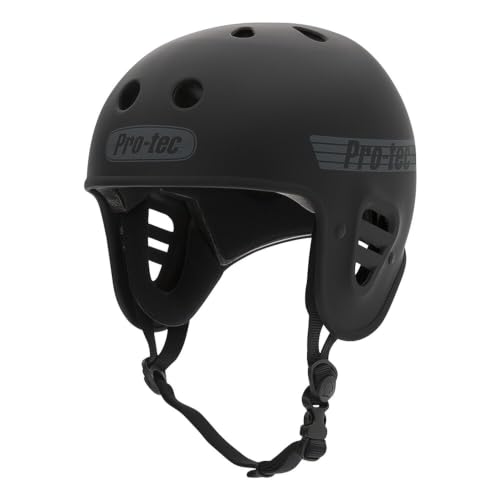
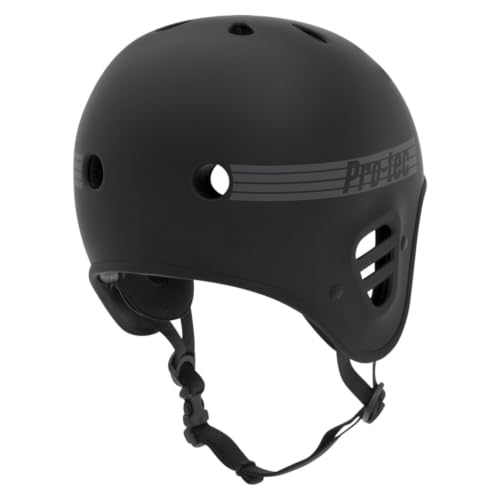
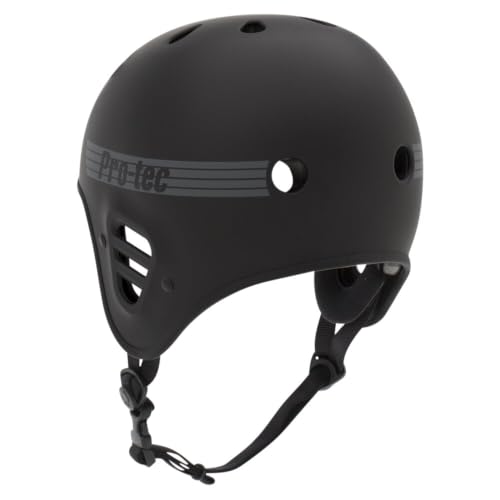
The Pro-Tec Full Cut brings back that old-school vibe with a design straight out of 80s skate and BMX culture, but it’s not just nostalgia. On paper, the ABS and EPS combo delivers solid impact resistance, and owners consistently report it feels sturdy after real-world spills. With 11 vents, it doesn’t skimp on airflow either, though it’s not the most ventilated in this group.
What stands out is the triple certification, CPSC, ASTM F1447, and F1492, which means it’s legit for both biking and aggressive skating. The fit system isn’t fancy, but the range of sizes helps. I’d pick this over trendier options if you want a no-nonsense helmet that bridges classic looks and modern safety.
Product photos
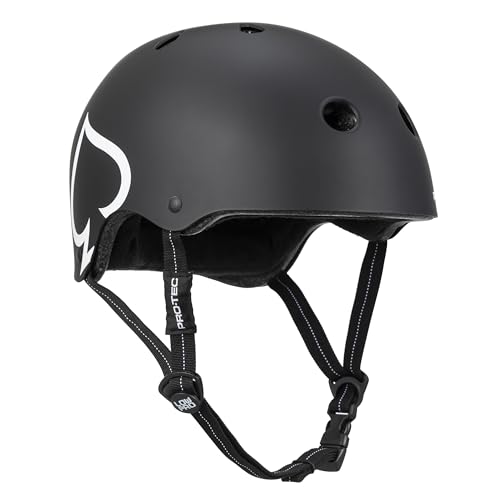
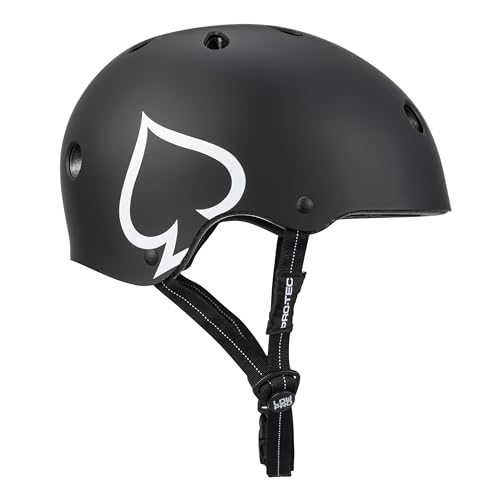
Pro-Tec Low PRO Helmet
Strengths
- Ultra-secure fit
- Slim deep profile
- FLEXLOCK system
Trade-offs
- Break-in period needed
- Premium price
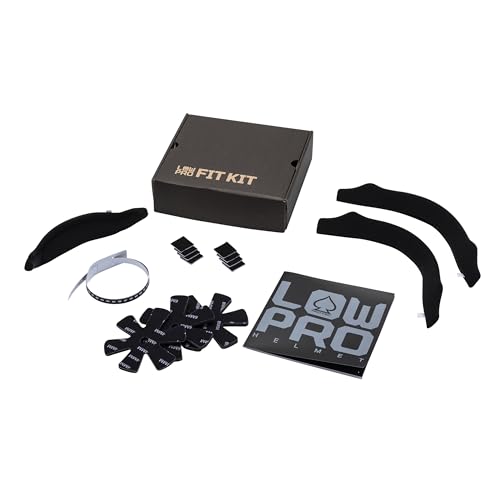
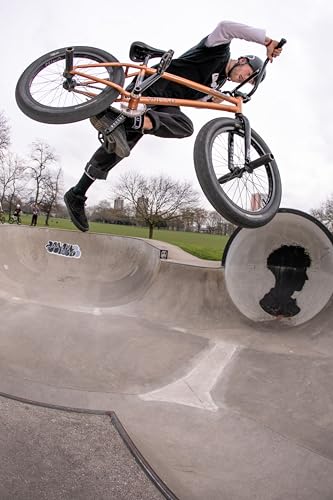
The Pro-Tec Low PRO is engineered for one thing: a locked-down, no-slip fit. Thanks to the SLIMTECH CORE and FLEXLOCK FIT system, it’s 22% thinner than standard full cuts and hugs the head like a custom mold. The 17-piece padding kit is overkill for casual riders but gold for purists who tweak every millimeter of fit.
It’s triple-certified and built with high-density EPS, so safety isn’t sacrificed. Owners describe it as “glued on” during spins and kickflips. Against the Triple Eight, it’s stiffer out of the box but more precise. I’d choose this over any other if I were filming lines or competing, where stability matters more than soft padding.
Product photos
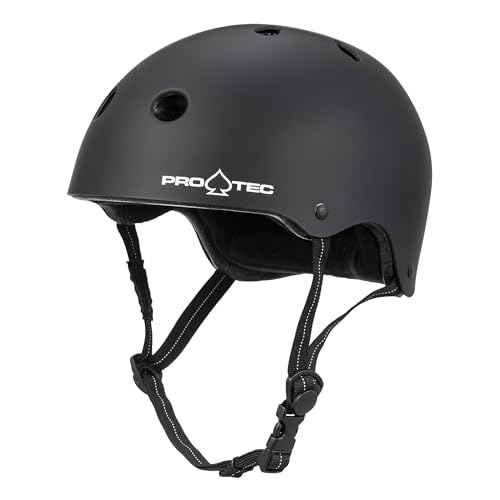

Retrospec Dakota Helmet
Strengths
- Excellent ventilation
- Affordable price
- Removable washable pads
Trade-offs
- Basic CPSC certification only
- Fit adjustment is minimal
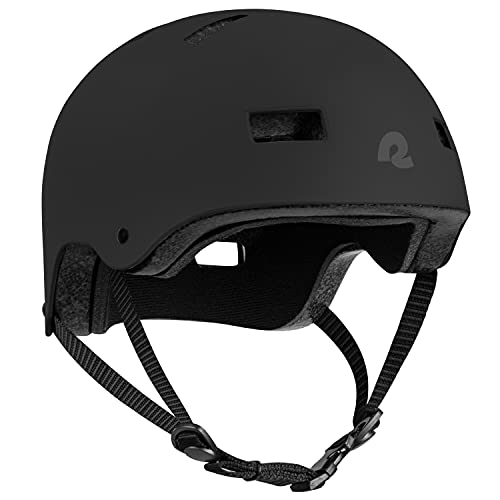
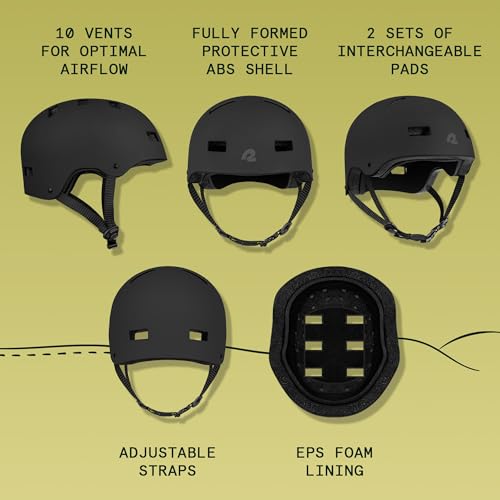
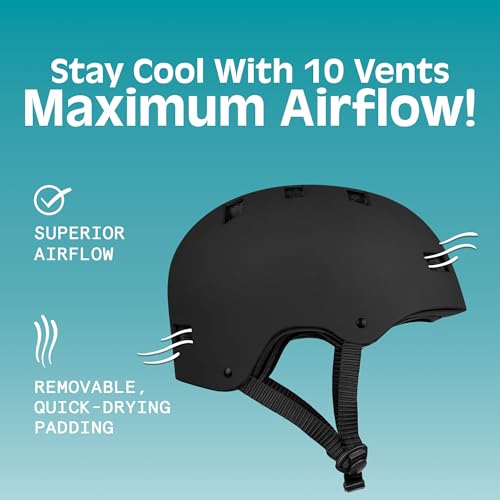
At this price, the Retrospec Dakota punches above its weight in ventilation. The ten large vents create real airflow, making it a standout for hot-weather riders. Owners say it stays cooler than bulkier helmets during long sessions, which matters when you’re repeating runs at the park. The ABS shell and EPS foam are standard fare, but they deliver baseline protection for light to moderate use.
It lacks advanced fit systems and only has CPSC certification. When stacked against the Triple Eight or Pro-Tec Low PRO, it feels more like a budget commuter helmet wearing a skate-style outfit. But for beginners or younger riders doing scooter laps and easy BMX, it’s hard to beat the airflow-to-cost ratio.
Product photos
How We Evaluated bmx helmets
As someone who’s spent years around two wheels, from restoring vintage motorcycles to exploring the world of BMX, I approach protective gear with a critical eye. Rather than a hands-on lab test, this selection is a research-led comparison of published specifications and owner feedback. I weighed factors like safety certifications, materials, ventilation, and fit, drawing on my understanding of impact forces and rider needs in BMX. We looked at a wide range of models, then narrowed the field based on consistent positive reports and demonstrable features.
For BMX helmets, the most important aspects are undeniably safety and fit. A helmet must meet relevant safety standards (CPSC, ASTM, CE) to provide a baseline level of protection, and a secure fit is crucial for that protection to be effective. Beyond that, ventilation is key; BMX riding is strenuous, and overheating can quickly lead to fatigue. Finding the right balance between these three areas determined our top picks. Knowing where to find the best helmets for BMX parks is also vital for serious riders.
Specifications reliably tell you about construction materials (ABS shell, EPS foam density) and certifications. However, real-world comfort, ventilation effectiveness, and long-term durability are best gleaned from owner reviews and reputable expert assessments. We paid close attention to comments regarding sizing accuracy, strap adjustability, and the quality of padding. After all, even the safest helmet is useless if it’s uncomfortable or doesn’t stay put while you’re pushing your limits, especially when paired with one of the top BMX bicycles.
How To Choose The bmx helmets
Finding the right BMX helmet is about more than just slapping something on your head. It’s about protection, comfort, and ultimately, confidence when you’re pushing your limits.
A quality BMX helmet prioritizes impact absorption, meeting or exceeding safety standards like CPSC, ASTM, and CE EN1078. Look for a robust outer shell (ABS is common) paired with an EPS foam liner, a secure fit system (dial adjusters and chin straps are key), and adequate ventilation to prevent overheating during intense riding. Proper sizing is paramount; a loose helmet offers minimal protection.
Prioritize Safety Certifications
Don’t skimp on safety. The certifications a helmet carries are the first thing I look at. A helmet boasting CPSC, ASTM, and CE EN1078 compliance has undergone rigorous testing to protect against a wider range of impacts. Beyond that, understand what kind of riding you’ll be doing. Downhill and aggressive park riding demand full-face coverage, while skatepark and street riding might be fine with a certified multi-sport helmet. Don’t assume all certifications are equal; research what each one entails.
Nail the Fit – It’s More Than Just Size
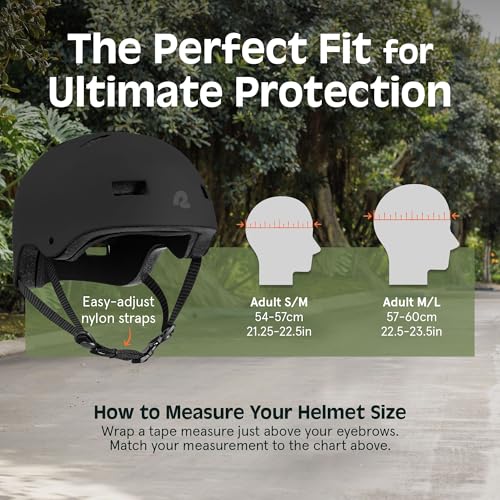
Fit is arguably more important than brand name or flashy features. A helmet that doesn’t fit properly won’t protect you effectively. Here’s what to consider:
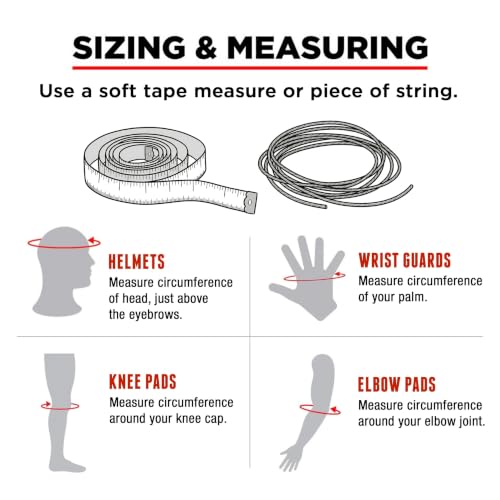
- Measure your head: This seems obvious, but many people skip it.
- Adjustable systems: Dials and adjustable straps are crucial for fine-tuning the fit.
- Padding matters: Removable padding allows for customization and a more snug feel. Some, like the Triple Eight Sweatsaver, even offer different pad thicknesses to dial in the perfect fit.
A poorly fitting helmet can shift during a crash, leaving you vulnerable. For the little ones, checking out helmets for toddlers is essential, as their heads are still developing.
A helmet should sit level on your head, covering your forehead about one to two finger-widths above your eyebrows. It shouldn’t rock forward, backward, or side to side easily.
Consider Ventilation and Comfort for Longer Sessions
Let’s be honest – nobody wants a sweaty, uncomfortable head while riding. Ventilation is a huge factor, especially if you live in a warmer climate or tend to work up a sweat. The number and placement of vents matter. Look for helmets with strategically placed intake and exhaust ports, like the Retrospec Dakota. Beyond ventilation, consider the liner material. Moisture-wicking fabrics are a godsend, and removable/washable liners help keep everything fresh. If you’re looking for a helmet for yourself, you’ll find a lot of options in our guide to adult BMX helmets. A comfortable helmet encourages consistent use, and that’s the best safety feature of all.
BMX Helmets Compared
Here’s a comparison of key specifications for popular BMX helmets.
| Product Title | Certifications | Weight (approx.) | Ventilation | Fit System | Size Range (cm) |
|---|---|---|---|---|---|
| Fly Racing Rayce | ASTM F1952-15, CPSC 1203, CE EN1078 | 930g (size M) | TFV Airflow | D-ring, Adj. Visor | N/A |
| OutdoorMaster Multi-Sport | N/A | N/A | Smooth | Dial, Chin Strap | 54-58 |
| Triple Eight Sweatsaver | CPSC, ASTM F1447, ASTM F1492 | N/A | N/A | Pads (2 sets) | 51-63 |
| Bell Servo | CPSC | N/A | N/A | N/A | 58-61 |
| Pro-Tec Full Cut | CPSC, ASTM F1447, ASTM F1492 | N/A | 11 Vents | N/A | 52-62 |
| Pro-Tec Low PRO | CPSC, ASTM F1447, ASTM F1492 | N/A | N/A | FLEXLOCK, 17-pad kit | 51-63 |
| Retrospec Dakota | N/A | N/A | 10 Vents | Adjustable | 51-60 |
Frequently Asked Questions
What’s the difference between CPSC, ASTM, and CE helmet certifications?
These represent different testing standards. CPSC is the US standard, ASTM focuses on skateboarding and BMX, and CE EN1078 is the European standard; a helmet meeting all three offers the broadest level of protection.
How often should I replace my BMX helmet?
You should replace a BMX helmet after any significant impact, even if there’s no visible damage. Beyond that, I recommend replacing it every 3-5 years as the materials degrade over time, diminishing its protective capability.
Can I use a mountain biking helmet for BMX?
While some overlap exists, it’s generally not advisable. Mountain bike helmets prioritize rotational impact protection, whereas BMX helmets focus on direct impact resistance. For optimal safety, choose a helmet specifically designed and certified for BMX riding.
My head is an unusual size; will I find a good fit?
Many brands offer extended sizing ranges or adjustable fit systems, like dial adjusters and multiple pad sets, to accommodate a wider variety of head shapes and sizes. Checking out options for youth BMX helmets or looking at brands known for inclusivity can expand your choices.
Will a full-face helmet significantly restrict my breathing?
Modern full-face helmets incorporate substantial ventilation systems. While they offer more coverage, well-designed models like the Fly Racing Rayce maintain airflow and don’t unduly restrict breathing, and are ideal when paired with adult BMX bikes.
The Bottom Line
Choosing a BMX helmet often comes down to balancing how much protection you want with how much you’re willing to spend, and ultimately, how seriously you take your riding. For a fantastic all-around experience, the Fly Racing Rayce stands out. It has impressive certification coverage and a weight that won’t feel burdensome during longer sessions.
If you’re just starting out or are on a tighter budget, the OutdoorMaster Multi-Sport is a solid entry point. For riders prioritizing a customizable fit and comfort, the Triple Eight Sweatsaver is a popular choice, and for those needing full-face coverage, the Pro-Tec Full Cut offers excellent protection. Don’t forget that finding the right beginner BMX bikes to pair with your new helmet is also critical for a safe and enjoyable experience.
At the end of the day, specifications are just numbers. The most important thing is finding a helmet that fits correctly, feels comfortable, and encourages you to wear it every time you ride. Prioritize a secure fit and appropriate certifications, and remember that consistent use is the best protection you can buy, even more so than the fanciest features.
