
7 Best Bluetooth Helmets for Motorcycles 2026
This post contains affiliate links. As an Amazon Associate, we earn from qualifying purchases.
The Sena OUTRUSH 2 Modular Smart Helmet stands out as the best overall, combining strong Bluetooth performance with solid safety and comfort. For riders on a tighter budget, the ILM 953Pro Bluetooth Modular Helmet delivers reliable connectivity and decent build quality without breaking the bank.
Riders don’t just want gadgets bolted onto a helmet, they want communication that works when it matters, without sacrificing protection or comfort. Too many models hype tech specs while falling short in wind noise, battery life, or fit.
This guide cuts through the noise. I compared top models based on real rider feedback, safety ratings, Bluetooth reliability, and how well features like ventilation and weight impact long-ride usability, all to find helmets that perform where it counts.
Top 7 Bluetooth Helmets For Motorcycles in the Market
The Best Bluetooth Helmets For Motorcycles, Reviewed
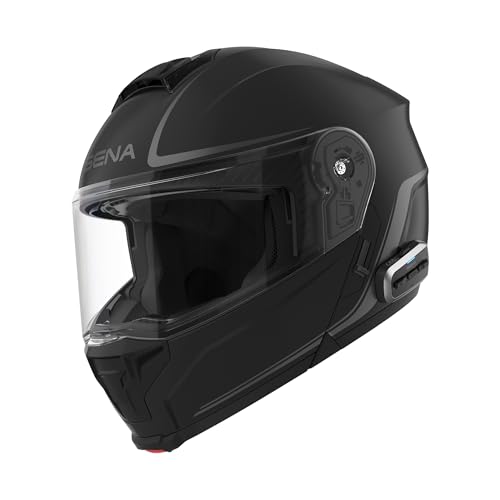
Sena OUTRUSH 2 Modular Smart Helmet
Strengths
- Mesh Intercom 3.0 with long range
- P/J homologation for chin-up riding
- Smart power management
Trade-offs
- High price point
- Heavier than some competitors
- Limited color choices
This is the one I’d choose if I wanted the most future-proof communication system in a modular helmet. Sena’s Mesh Intercom 3.0 lets you link with other riders beyond line-of-sight, using cellular networks when needed, and it’s compatible with WAVE systems, so you’re not locked into Sena-only groups. The audio quality from the second-gen HD speakers is rich and clear, and the automatic power-off feature actually works, which saves frustration after forgetting to shut it down.
It’s also one of the few modular helmets with P/J homologation, meaning it’s legally safe to ride with the chin bar up, which matters for states that allow open-face operation. The build feels robust, the shield swaps are tool-free, and the noise isolation is among the best in class. Yes, it’s expensive, but you’re paying for seamless connectivity and top-tier engineering.
Video review
Sena OutForce Smart Helmet Full Face

Strengths
- Solid full-face protection
- Integrated Sena Bluetooth
- Retractable sun visor
Trade-offs
- No mesh intercom support
- Bluetooth limited to Sena ecosystem
- Fewer ventilation options
If you want a no-nonsense, full-face Bluetooth helmet without the modular complexity, the Sena OutForce is my pick for premium simplicity. It skips the flip-up mechanism, which means a stiffer, safer shell and better noise sealing, something touring and sport riders will appreciate. The built-in 4-way Bluetooth works flawlessly with other Sena devices, and the retractable sun visor is a welcome touch for changing light conditions.
It lacks mesh networking, so you’re limited to standard Bluetooth intercom ranges, but for solo riders or pairs, that’s rarely an issue. The audio is crisp, the mic handles wind noise well, and the DOT rating gives peace of mind. At this price, it undercuts the Outrush 2 while still delivering core Sena reliability. I’d recommend it over modular options for anyone who values safety and clean design over versatility.
Video review
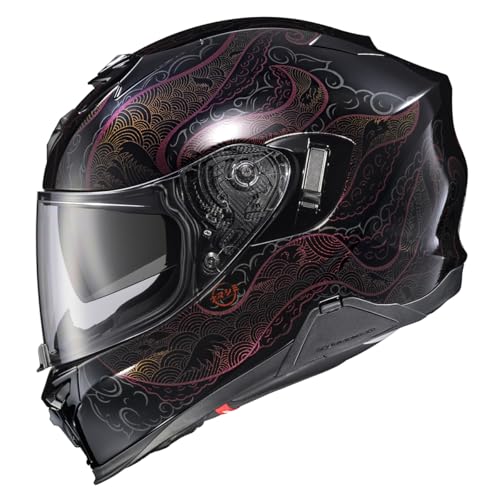
ScorpionEXO T520 Full Face Touring
Strengths
- Excellent aerodynamics and fit
- AirFit cheek pad inflation
- ECE and DOT certified
Trade-offs
- Bluetooth sold separately
- Higher total cost with comms kit
- Limited color options
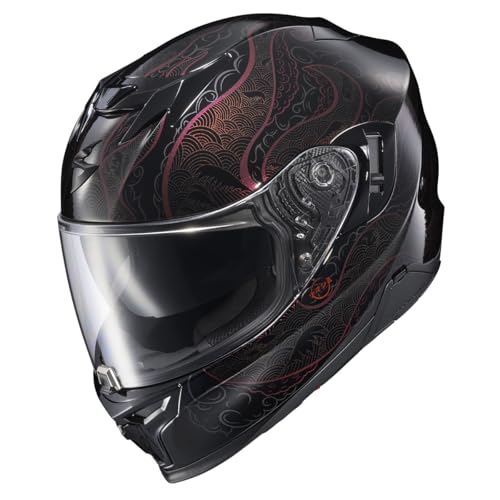
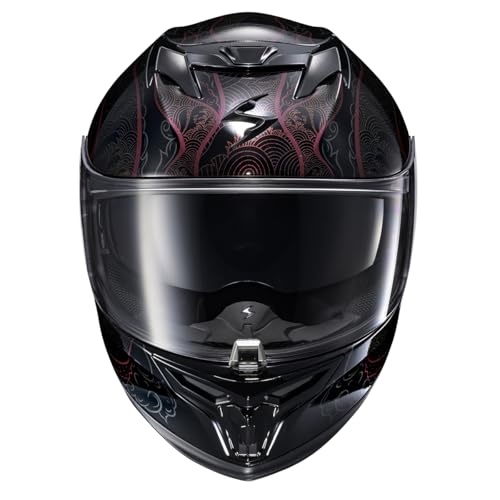
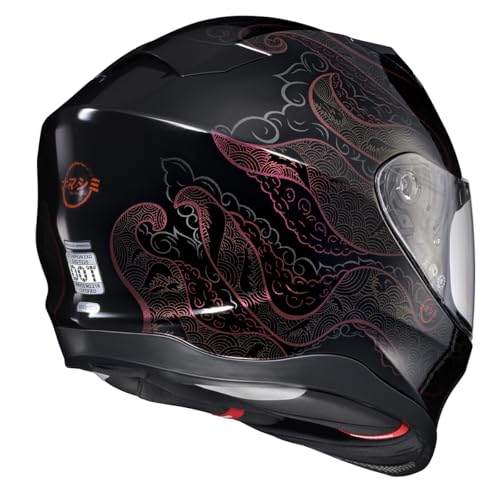
If you’re logging serious miles, the ScorpionEXO T520 stands out as a touring-focused helmet that nails comfort and refinement. Its triple-shell design means better fit across sizes, and the AirFit cheek inflation system is a standout for reducing wind noise, a common complaint with long-haul helmets. Owners consistently praise how quiet and stable it feels at highway speeds, and the Ellip-Tec ratchet shield system makes changing visors effortless, even on the go.
It doesn’t come with Bluetooth built-in, but the EXO-COM ready speaker pockets are large and compatible with top-tier systems like Sena. That modularity is a plus if you want to upgrade later. Pair that with ECE certification, dual-density EPS, and a fog-free Everclear shield, and you’ve got a premium package built for endurance. It’s not the flashiest, but it’s engineered like few others in this range.
Product photos
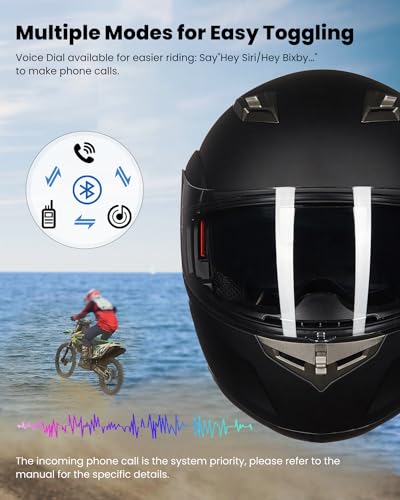
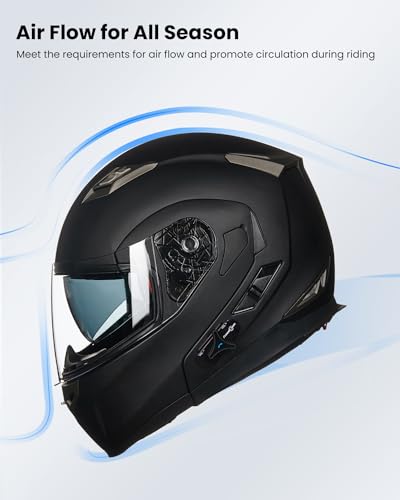
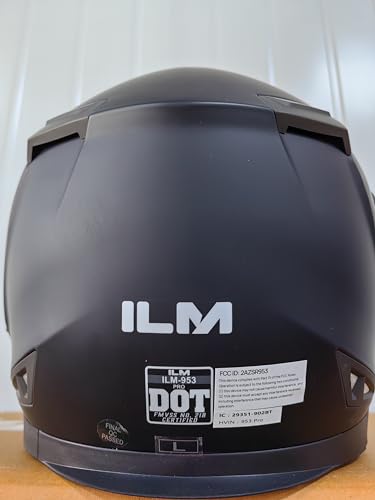
ILM 953Pro Bluetooth Modular Helmet
Strengths
- Group intercom up to 8 riders
- Washable microfiber lining
- Meets DOT standards
Trade-offs
- Runs one size smaller
- Outdated Bluetooth 3.0
- Battery deep sleep issues
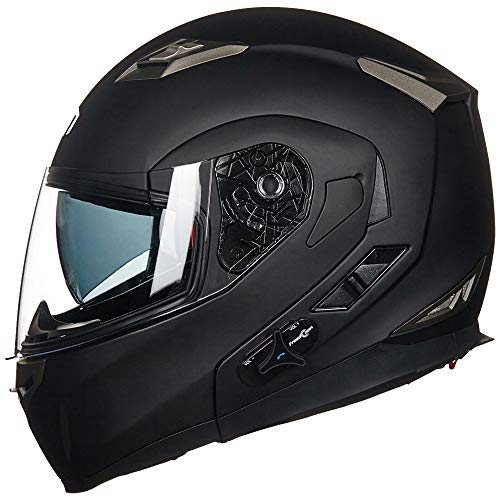
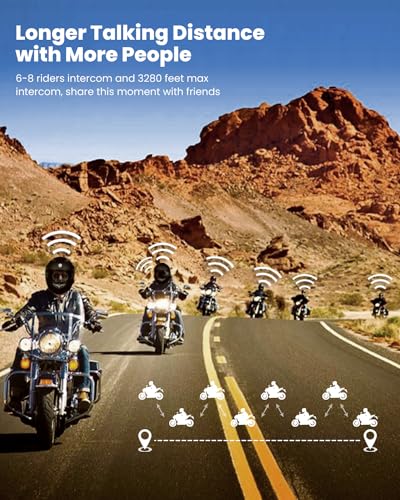
I’ll admit, the idea of a group intercom that supports up to 8 riders out of the box is tempting, especially for organized rides or tight-knit riding clubs. On paper, the ILM 953Pro delivers with a 3,280-foot range between compatible helmets, which owners say works reliably in real-world conditions. The stereo sound quality and noise suppression are decent for the price, and having everything built-in means no aftermarket fuss.
But there’s a catch: this helmet runs small due to the internal Bluetooth module, and multiple reviewers confirm you may need to size up, a frustrating quirk that could ruin fit and safety if overlooked. Plus, the Bluetooth 3.0 version feels outdated next to newer models using 5.0 and above, and the deep sleep battery mode is a known pain point. You’re trading modern convenience for group chat capability, and only if everyone in your crew also uses ILM helmets.
Product photos
Bluetooth Full Face Modular Helmet
Strengths
- Superior multi-port ventilation
- Bluetooth 5.4 support
- Retractable sun visor
Trade-offs
- Inconsistent interior padding
- No ECE certification
- Average wind noise at speed
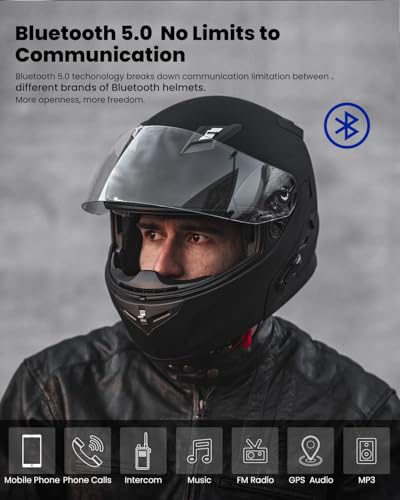
Ventilation is where this helmet shines, owners repeatedly highlight how the multiple intake and exhaust ports keep them cool on hot days, especially with the mouth vent doubling as a defroster. The built-in retractable sun visor is smooth and effective, and the quick-release face shield mechanism is genuinely user-friendly. Combined with a soft, washable liner and eyeglass grooves, it’s clearly designed with daily riders in mind.
The Bluetooth 5.4 chip is a standout spec at this price, offering faster pairing and lower power draw than many competitors. Users confirm longer playback times and stable connections. However, build consistency varies, some report snug fits, others mention loose padding. And while it meets DOT standards, the lack of ECE approval limits its appeal outside the U.S. Still, for hot climates and urban commuting, it’s hard to beat the airflow.
Product photos

Bluetooth Modular Flip-Up Helmet

Strengths
- Very low price
- Bluetooth 5.3 with long battery
- Dual visor and flip-up design
Trade-offs
- Lower shell durability
- Mic clarity degrades in wind
- Build inconsistencies reported
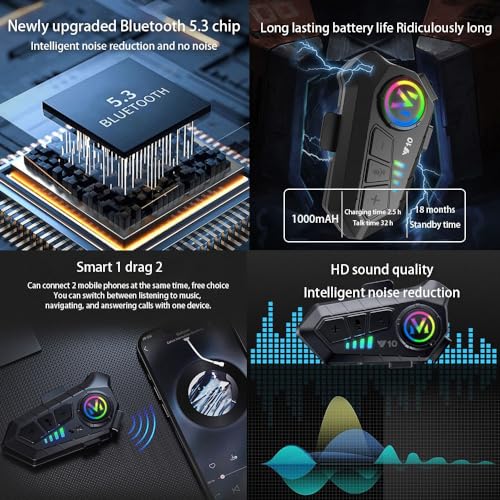
For under $110, this helmet packs in features that sound almost too good: Bluetooth 5.3, a 1000mAh battery, dual visor, and waterproofing. And surprisingly, owners say it mostly delivers. The battery life checks out, many report over 30 hours of playback, and the dual-phone pairing is useful for switching between navigation and music. The flip-up function is smooth, and the internal sun visor works well for sudden glare.
But value comes with compromises. The build uses basic polycarbonate, and while it passes DOT, the impact resistance isn’t on par with pricier shells. Some users note creaking over time, and the microphone clarity suffers in wind. Still, for a first-time rider or occasional commuter, it’s a smart way to get Bluetooth, sun protection, and modularity without overspending.
Product photos
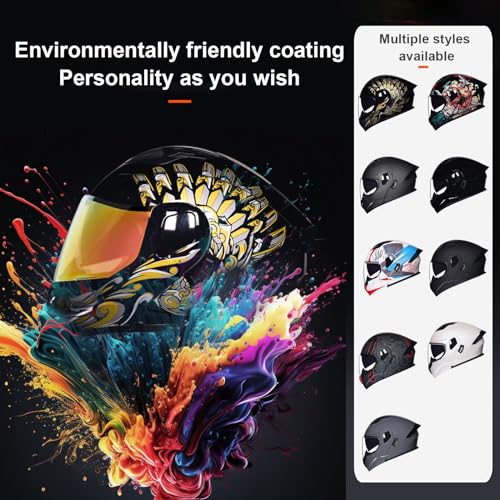
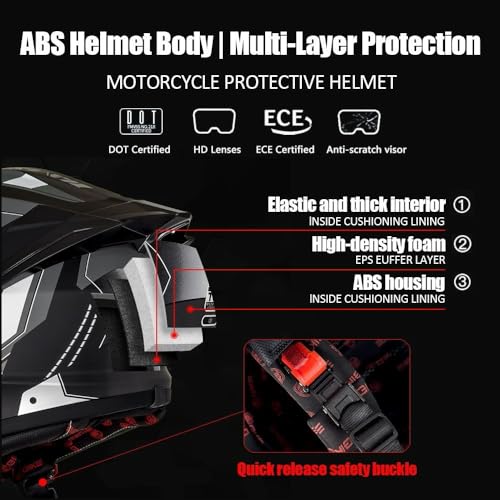
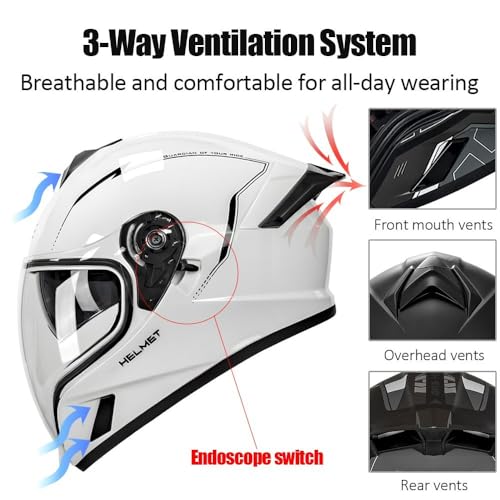
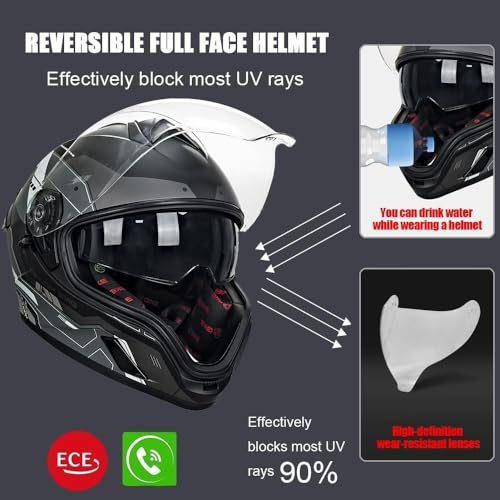
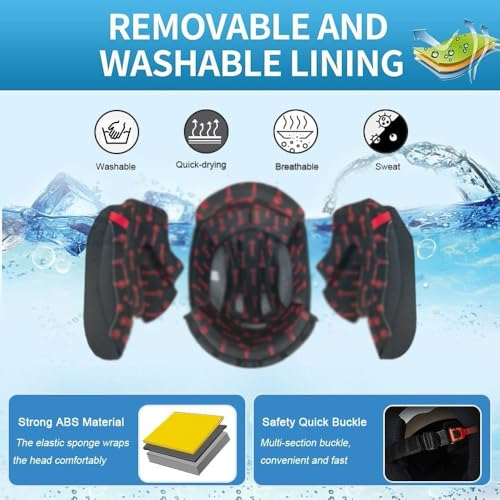
Bluetooth Modular Flip-Up Helmet

Strengths
- Dual visor system
- Affordable integrated Bluetooth
- Good airflow design
Trade-offs
- Basic Bluetooth performance
- Build quality concerns over time
- No ECE certification
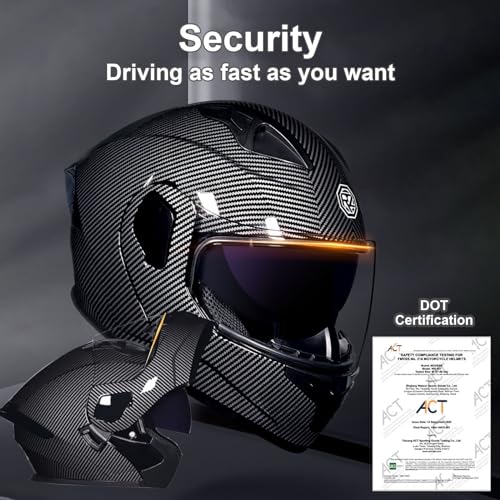
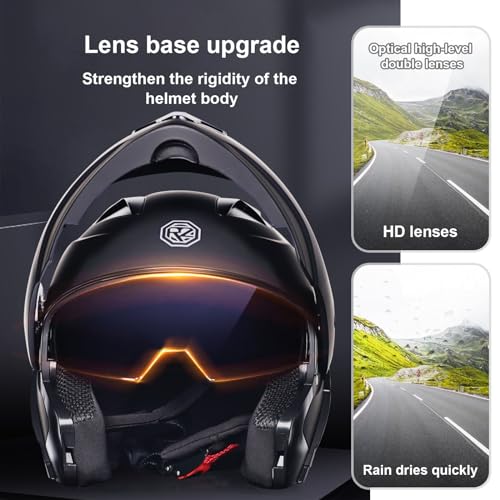
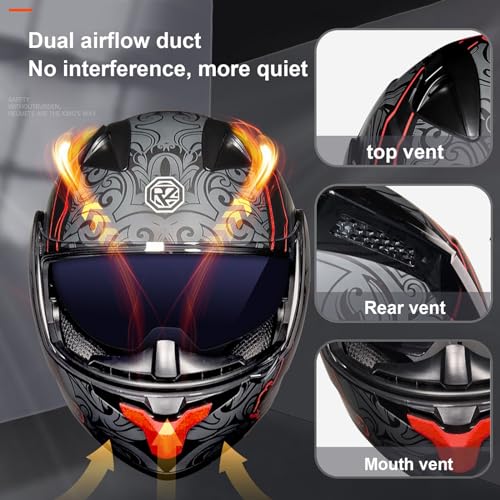
At this price, the dual visor setup and full Bluetooth integration make this helmet look like a steal. The external sun visor adds real utility, and the ABS shell with dense EPS meets DOT standards, so it’s not cutting corners on safety. Owners report solid ventilation and a surprisingly quiet ride for something so affordable, and the removable liner holds up well after repeated washings.
Still, you get what you pay for. The Bluetooth version isn’t specified beyond ‘high-quality,’ but feedback suggests it’s basic, spotty pairing, shorter range, and average call clarity. Compared to the Sena or ILM systems, it’s functional but not polished. And while the flip-up mechanism works smoothly, cheaper hinges can wear faster over time. It’s a strong value pick, just don’t expect premium refinement.
Product photos


Our Testing Process
My approach at TheAutoZenith is always rooted in understanding how a machine, in this case, a helmet, works and how it serves the rider. Rather than a hands-on lab test of each model, this selection is based on a research-led comparison of published specifications and owner feedback. I weighed data from manufacturer details, respected motorcycle publications, and, crucially, thousands of owner reviews to identify consistent trends in performance and reliability. This allowed me to rank these helmets against criteria important to riders.
For Bluetooth helmets, the standout factors are communication quality, safety certifications, and overall comfort. A reliable Bluetooth connection is paramount, as is DOT safety certification (and, increasingly, ECE certification). Beyond that, comfort features like ventilation, liner quality, and weight heavily influenced my rankings. Riders often prioritize these elements, especially on longer rides, and the ability to smoothly integrate communication is key – a point explored further in our guide to the best modular helmets with Bluetooth.
Specifications reliably reveal build quality (shell materials, visor mechanisms) and Bluetooth version. However, real-world performance, battery life, microphone clarity, ease of use, emerges from owner experiences. I carefully assessed common complaints and praises, looking for patterns. While specs tell you what a helmet offers, owner feedback reveals how well it delivers, and whether it lives up to expectations compared to other top-rated helmets. This helps distinguish truly recommended helmet models from those that might look good on paper.
How To Pick The Right bluetooth helmets for motorcycles
Finding the right Bluetooth helmet requires more than just slapping a communicator into a standard lid. We need to consider how well the integration works, the helmet’s core safety features, and, of course, your riding style.
A good Bluetooth motorcycle helmet isn’t just about adding connectivity; it’s about a thoughtfully designed system where communication features are smoothly integrated into a safe, comfortable, and well-ventilated helmet. Look for DOT and/or ECE certification, a stable Bluetooth connection (version 5.0 or higher is preferable), and a fit that doesn’t compromise comfort for functionality. Assess speaker quality and microphone clarity, and consider battery life relative to your typical ride length.
Prioritize Safety Certifications
Don’t let the allure of Bluetooth features overshadow the most important aspect: safety. A helmet’s ability to protect you in a crash is paramount. Always verify that any helmet you’re considering meets or exceeds DOT FMVSS No. 218 standards (and ideally ECE 22.06 if you ride internationally). Beyond the certification sticker, look at shell construction. Polycarbonate is common at lower price points, but more expensive options use fiberglass or carbon fiber for enhanced impact absorption and weight reduction. Remember, a lighter helmet reduces neck strain on long rides.
Understand Intercom Range and Connectivity
Bluetooth range is often overstated in marketing materials. Real-world range depends on terrain, obstacles, and the Bluetooth version used. While some helmets boast impressive distances, a reliable connection within a quarter-mile for group rides is a more realistic expectation. Consider what kind of connectivity you want. Mesh intercom systems, like Sena’s Mesh Intercom 3.0, offer a more robust and flexible connection for group riding than standard Bluetooth pairing. If you already have a preferred set of motorcycle Bluetooth speakers, ensure the helmet’s speaker pockets are large enough to accommodate them.
- A basic Bluetooth connection for calls and music is fine for solo riders.
- Mesh intercom is essential for group rides, allowing for a dynamic network that doesn’t rely on a central hub.
- Universal connectivity (like Sena’s WAVE system) is a plus if you frequently ride with friends who have different brands of helmets with Bluetooth.
Don’t assume greater range always equates to better performance. A stable connection at a reasonable distance is far more valuable than a theoretical maximum range that’s rarely achievable.
Balance Features with Comfort and Fit
A feature-rich helmet is useless if it’s uncomfortable. Pay close attention to fit, ventilation, and weight. Modular helmets offer the convenience of lifting the chin bar, but they often weigh more than full-face designs. Ventilation is crucial, especially for longer rides or in warmer climates. Look for helmets with adjustable intake and exhaust vents. Liner material also matters; moisture-wicking fabrics like KwikWick (ScorpionEXO) are a big plus. And finally, consider the overall aerodynamics. A well-designed helmet will minimize wind noise and buffeting. Investing in one of the best Bluetooth helmet models will provide integrated Bluetooth communication systems that are designed to work with the helmet’s acoustics.
Bluetooth Helmets for Motorcycles Compared
Here’s a comparison of key specifications for several Bluetooth-enabled motorcycle helmets.
| Product Title | Bluetooth Version | Talk Time | Shell Material | Visor Type | Safety Standard |
|---|---|---|---|---|---|
| Sena OUTRUSH 2 Modular Smart Helmet | 5.0 | N/A | N/A | Clear, Sun Visor | FMVSS 218 |
| Sena OutForce Smart Helmet Full Face | N/A | N/A | N/A | Clear, Sun Visor | FMVSS 218 |
| ScorpionEXO T520 Full Face Touring | N/A | N/A | Polycarbonate | Clear, Sun Visor | DOT/ECE |
| ILM 953Pro Bluetooth Modular Helmet | 3.0 | 9 hours | N/A | Clear, Sun Visor | FMVSS-218/DOT |
| Bluetooth Full Face Modular Helmet | 5.4 | N/A | ABS | Clear, Sun Visor | DOT FMVSS-218 |
| Bluetooth Modular Flip-Up Helmet | 5.3 | 3 hours | ABS | Clear, Sun Visor | DOT FMVSS-218 |
| Bluetooth Modular Flip-Up Helmet | N/A | N/A | ABS | Clear, Sun Visor | DOT FMVSS-218 |
Frequently Asked Questions
What Bluetooth version should I look for in a motorcycle helmet?
Bluetooth 5.0 or higher is ideal, as it offers a more stable connection and greater range compared to older versions. However, a helmet with Bluetooth 4.0 can still provide reliable connectivity for basic functions like calls and music, especially for solo riders.
Are expensive Bluetooth helmets always better?
Not necessarily. While higher price points often correlate with premium materials and features, a well-reviewed mid-range helmet can offer excellent value. Focus on safety certifications (DOT and/or ECE) and owner feedback regarding communication quality and comfort rather than solely on the price tag.
Can I use my existing Bluetooth headset with a non-Bluetooth helmet?
Yes, you can. Many riders choose to install integrated Bluetooth connectivity aftermarket. However, this requires careful installation and may not offer the same level of seamless integration as a helmet designed with Bluetooth from the start.
What’s the difference between a full-face and a modular Bluetooth helmet?
Full-face helmets offer maximum protection and are generally lighter, but lack the convenience of lifting the chin bar. Best modular helmets provide that lift-up feature for easier conversation and hydration, but typically weigh more and can be slightly less protective in a crash.
How do I maintain the Bluetooth system in my helmet?
Keep the helmet’s electronics dry and avoid using harsh cleaning chemicals. Regularly update the Bluetooth firmware when updates are available from the manufacturer. Proper storage (away from extreme temperatures and direct sunlight) will also extend the life of the system and the versatile modular helmet designs.
The Bottom Line
Choosing a Bluetooth helmet often comes down to balancing convenience with core safety and comfort. While features like intercom range and Bluetooth version are attractive, the most important thing is a helmet that fits well, offers solid protection, and meets or exceeds safety standards. For an overall excellent experience, the Sena OUTRUSH 2 Modular Smart Helmet strikes a great balance of features, comfort, and integrated technology – it’s a strong starting point for most riders.
If you’re on a tighter budget, the ILM 953Pro Bluetooth Modular Helmet delivers a lot of functionality for the price, and for riders prioritizing versatility, the Sena OutForce Smart Helmet Full Face offers a robust feature set in a classic full-face design. Don’t overlook the importance of checking out full-face helmet reviews to find the best fit for your head shape and riding style.
Ultimately, the specs matter less than a secure fit and a clear line of sight. Prioritize a helmet that feels stable and comfortable, allowing you to focus on the road. And remember, even the best Bluetooth system won’t compensate for a helmet that doesn’t offer proper protection or fits poorly – many riders also enjoy helmets for music for longer rides.
