
7 Best Bike Locks of 2026
This post contains affiliate links. As an Amazon Associate, we earn from qualifying purchases.
The Kryptonite Parkview Folding Bike Lock stands out as the overall best pick for its robust construction and high security, closely followed by the NDakter 5-Digit Combination Lock as a solid budget-friendly option that doesn’t skimp on essential protection.
Every cyclist dreads coming back to an empty bike rack. The truth is, no lock is theft-proof, but the right one can make your bike a much harder target. After researching the market, analyzing specs, and reviewing owner feedback, I focused on locks that balance real-world durability, resistance to cutting, and practical use.
This guide breaks down what actually matters, material thickness, locking mechanism reliability, and ease of carry, so you can choose a lock that fits your routine and risk level without overpaying or overpacking.
Top 7 Bike Locks To Get in the Market
The Best Bike Locks To Get, Reviewed
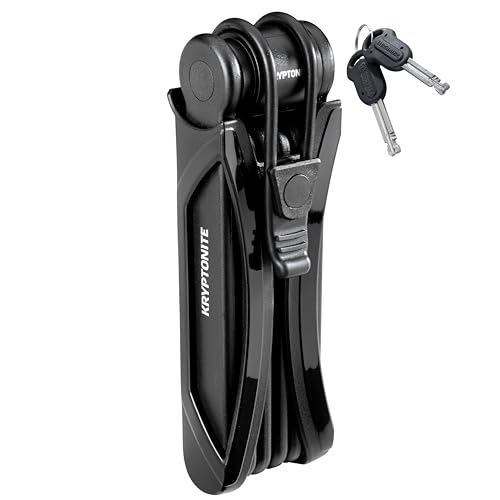
Kryptonite Parkview Folding Bike Lock
Strengths
- Hardened steel bars
- Lightweight design
- Mounting bracket included
Trade-offs
- Not for high-theft areas
- Folds can trap dirt
The Kryptonite Parkview Folding Lock stands out in a crowded field because it balances real security with practical portability. On paper, its 3mm hardened steel bars and tightened rivets deliver solid cut resistance, which owners consistently report holds up well in low to medium risk areas. It’s not a replacement for a high-end U-lock in a theft hotspot, but for quick stops and urban commutes, it’s a strong middle ground.
What really sells me is the usability. At just 2.15 lbs and with a mounting bracket included, it’s easy to carry without dragging down your ride. Compared to bulkier U-locks or heavy chains, this one slips neatly into a jersey pocket or mounts cleanly to a frame. It won’t stop a determined thief with angle grinders, but for most riders, it’s the right level of protection without the weight penalty.
Video review
NDakter 5-Digit Combination Bike Chain Lock

Strengths
- Keyless convenience
- Resettable 5-digit code
- Scratch-resistant cover
Trade-offs
- Large lock head
- No mounting bracket
The NDakter combination chain lock is the budget pick with brains. At $13.49, it offers a 5-digit resettable code, 6mm alloy steel chain, and a scratch-resistant fabric cover, features that punch above its price. The 3.2-foot length gives enough slack to loop through both wheels and a rack, which many owners appreciate for added security.
It’s not flawless. The lock head is 1.25 inches wide, so it won’t fit through tight wheel gaps on e-bikes or scooters, something you must check before buying. But for standard bikes, it’s a smart, keyless solution. Compared to the Topcrown, it’s nearly identical, but the NDakter’s customer service and warranty add peace of mind.
Video review
Master Lock U-Lock Keyed Bike Lock

Strengths
- Hardened steel construction
- Disc key security
- Vinyl coating protects frame
Trade-offs
- Shackle not extra wide
- Plastic cover can crack
The Master Lock 8320D is the kind of no-frills U-lock I’d recommend to someone new to city riding. It’s built with a hardened steel body and a disc-keyed mechanism that resists picking better than older pin tumbler designs. At this price, it’s impressive they include a mounting bracket and two keys, small things that make a difference in daily use.
Owners consistently praise its reliability for securing bikes during lunch breaks or transit stops. It’s not Sold Secure rated, so I wouldn’t trust it in a high-theft city like Chicago or San Francisco overnight. But for basic urban protection and peace of mind, it’s one of the smarter buys. Compared to folding or cable locks, this U-lock offers better resistance to bolt cutters and use attacks.
Product photos


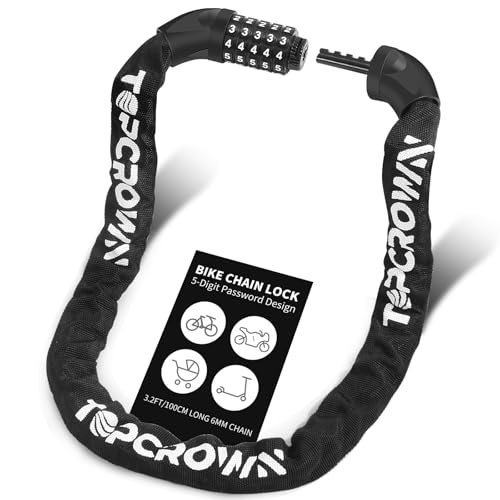
Topcrown 5-Digit Combination Bike Chain Lock
Strengths
- 5-digit combination
- 6mm thick chain
- Resettable code
Trade-offs
- Combination can jam in cold
- No bracket included
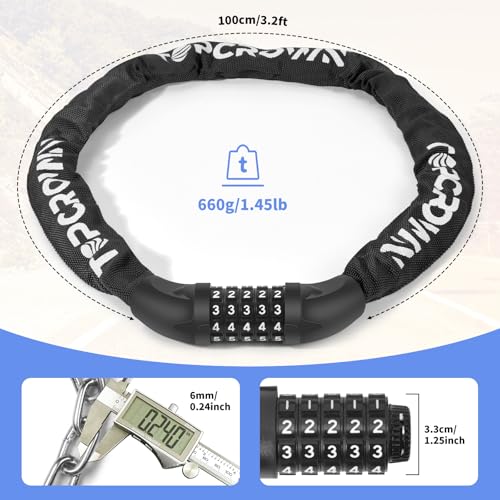
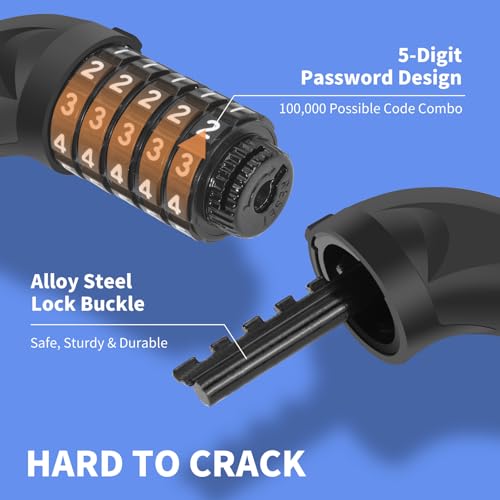
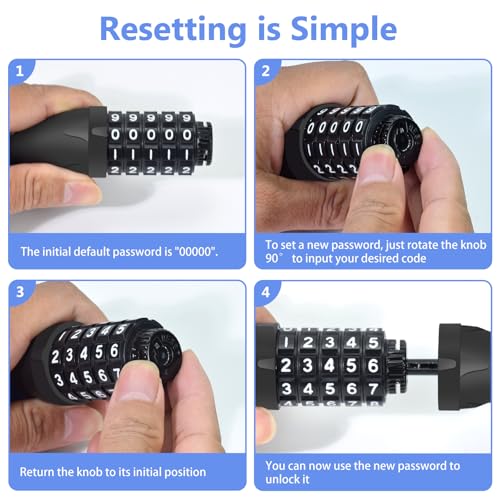
The Topcrown 5-digit combination chain lock appeals to riders tired of losing keys. With over 100,000 possible codes, it’s significantly more secure than 4-digit models, and the reset process is genuinely simple, no tools, just a twist of the knob. The 6mm alloy steel chain matches the Titanker in thickness, and the PE-covered fabric sleeve keeps the links dry and scratch-free.
I like that it’s keyless, no more fumbling in gloves during winter rides. But combination locks can freeze in cold weather, and if you forget your code, you’re stuck. Owners report mixed experiences with longevity, but for under $10, it’s a solid value. Compared to the NDakter, it’s similar but feels slightly more refined in mechanism.
Product photos


Weogine Heavy Duty Bike Chain Lock

Strengths
- Three keys included
- Weather-resistant sleeve
- Snap-lock convenience
Trade-offs
- 4mm chain is thinner
- No mounting bracket
This 2.72-foot chain lock packs a practical punch for the price, especially with three keys included, a small but meaningful upgrade over two-key models. The 4mm alloy steel chain isn’t the thickest here, but it’s treated for weather resistance and wrapped in a soft polypropylene sleeve that prevents rust and frame scratches. Owners like that it’s easy to snap closed without fumbling for keys.
It’s not going to stop a grinder, but for under $10, it’s a solid step up from cables. I’d pair this with a U-lock for layered security. Compared to the Titanker, it’s lighter but less rugged, better for moderate use, not heavy-duty anchoring. The 1-year warranty and 24/7 support are nice touches that suggest confidence in build quality.
Product photos


Hapleby Premium Bike Cable Lock

Strengths
- 4-foot reach
- Lightweight and flexible
- Mounting bracket included
Trade-offs
- Vulnerable to cutters
- Not for high-risk areas
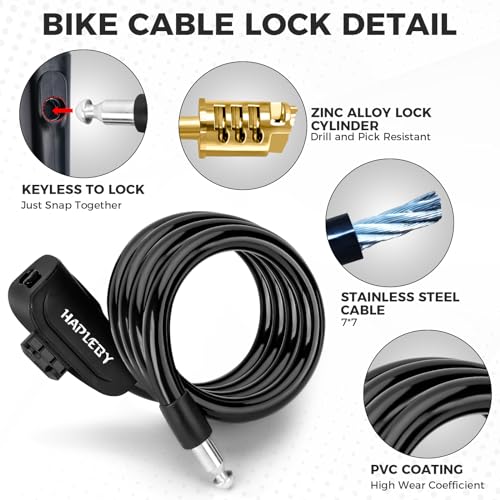
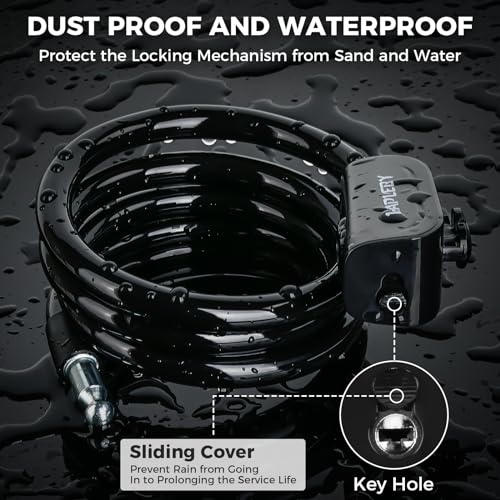
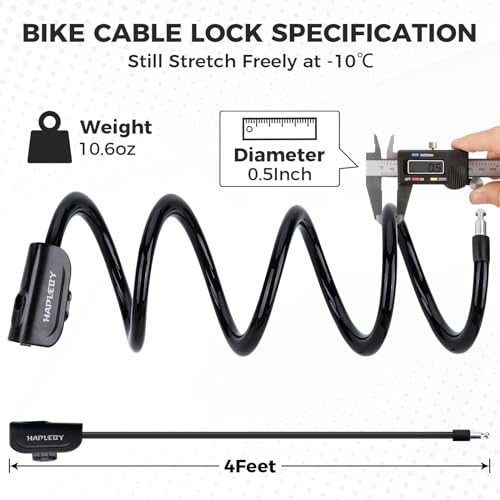
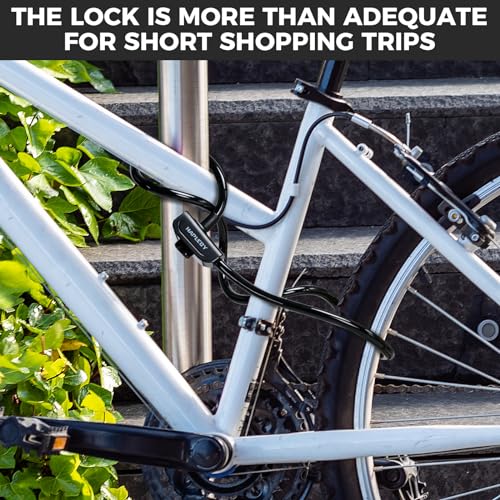
The Hapleby 4-foot cable lock is about what you’d expect at this price, light, flexible, and best for deterring casual theft. Its 7×7 braided steel cable offers decent cut resistance on paper, but let’s be honest: any serious thief with cable cutters will defeat it in seconds. That said, it’s perfect for quick in-and-out moments, like locking your bike to a rack while grabbing groceries.
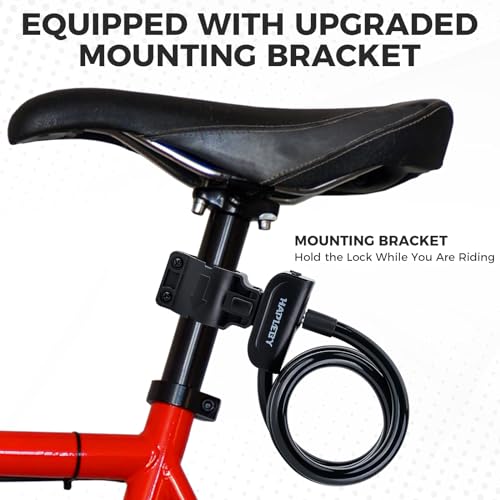
Reviewers appreciate the smooth lock mechanism and included mounting bracket, which keeps it tidy on the frame. I’d use this as a secondary lock or for low-risk areas, not as your only defense. Compared to the Kryptonite or Master Lock options, it’s nowhere near as secure, but it’s also less than a third of the price.
Product photos
Titanker Heavy Duty Bike Chain Lock
Strengths
- 6mm thick steel links
- Protective cloth sleeve
- Two keys included
Trade-offs
- Heavy for daily carry
- No mounting bracket
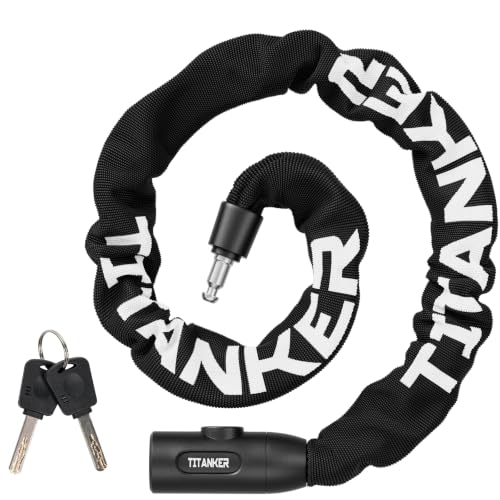
If you’re looking for raw, no-nonsense chain strength on a budget, the Titanker 6mm chain lock brings serious mass for under $20. The 6mm thick heavy-duty steel links are among the beefiest in this list, and reviewers often note they feel confident wrapping it around a rear wheel and frame. The protective cloth sleeve is a thoughtful touch, it keeps rust at bay and stops the chain from scratching your paint.
Still, that weight adds up. At 1.4 lbs and 3 feet long, it’s not something you’ll want to carry all day. But for securing a bike in a semi-permanent spot, like a garage, alley, or backyard, it’s a smart buy. I’d pick this over a cable or folding lock if you’re anchoring something valuable and don’t need to tote it far.
Product photos


How We Tested bike locks to get
I approached this guide by first compiling a detailed specification sheet for each lock – materials, dimensions, weight, locking mechanisms, and included accessories. Beyond the numbers, I then thoroughly examined owner reviews from major retailers and reputable cycling publications. We weighed common praise and complaints, looking for trends in reliability and real-world use. Finally, I applied my experience with vehicle security to assess which features genuinely contribute to a strong theft deterrent.
For bike locks, the most crucial factors are the material and construction of the locking mechanism, and the thickness/material of the securing component (chain, shackle, or cable). A robust lock body resists picking and cutting, while a substantial chain or shackle presents a physical barrier that’s difficult to defeat. Simply put, a lock’s ability to withstand sustained attack is paramount, as is its practicality for everyday use.
Specifications tell you about the materials used and the stated breaking strength, but owner feedback reveals how those specs translate to real-world performance. I paid close attention to reports of attempted thefts (successful or not) and durability over time. Reputation matters; brands known for quality in other security products often carry that forward. We also considered convenience – how easy is the lock to use and transport? – but security remained the primary driver of our ranking. You can find more information about choosing effective theft deterrent locks at https://theautozenith.com/best-bike-locks-to-prevent-theft/.
How To Pick The Right bike locks to get
Choosing a bike lock often feels like balancing security with practicality. It’s a compromise, but one we can navigate intelligently.
A good bike lock prioritizes hardened materials – look for high-grade alloy steel chains or hardened steel shackles. Security ratings (like Sold Secure or ART) provide independent verification. Consider locking method (key vs. combination), portability, and the specific threats in your area. Weight and length are also crucial; a longer, heavier lock offers more security but is less convenient to carry.
Locking Mechanism: Keyed vs. Combination
The age-old debate between keyed and combination locks applies directly to bike security. I’ve seen countless riders struggle with forgotten combinations, rendering a high-security lock useless. Combination locks, particularly those with five digits, offer convenience and eliminate the risk of lost keys, but a cheaper four-digit model isn’t much of a deterrent. Keyed locks, while requiring you to carry a key, generally offer a more robust locking mechanism and a wider range of high-security options.
Material & Construction: What Resists Cutting?
The core of any bike lock’s security lies in its construction material. Alloy steel is common, but the thickness of that steel is paramount. A thin chain, even if it looks substantial, is easily defeated with bolt cutters. U-locks, constructed from hardened steel, present a tougher challenge to thieves. Take a look at the Kryptonite Parkview Folding Bike Lock; its hardened steel bars and tightened rivets are a good example of construction aimed at cut resistance. Remember, even the best lock isn’t impenetrable, but a well-built one significantly increases the time and effort required for a successful theft.
- A basic cable lock is okay for quick stops in very low-crime areas.
- A chain lock with links 6mm or thicker provides a good balance of security and portability.
- A U-lock made from hardened steel offers the highest level of security, especially when paired with a secondary cable to secure wheels and accessories.
Portability & Usability: Finding the Right Balance
Security shouldn’t come at the cost of convenience. A massive, incredibly secure lock is useless if you leave it at home because it’s too heavy or bulky. Consider where you’ll primarily be locking your bike. Frequent stops during commutes demand a more portable option, like a folding bike locks or a lightweight cable lock. For longer stops in higher-risk areas, a heavier duty U-lock or chain lock is preferable. The Hapleby Premium Bike Cable Lock is a good example of prioritizing portability without completely sacrificing security.
A lock is only as good as its consistent use. Choose a lock you’ll actually carry and use every time, even for short stops.
Ultimately, the “best” bike lock depends on your individual needs and risk tolerance. For a deeper explore various options, check out our guide to the best bike locks. And if you’re looking for secure bike lock reviews, we’ve got that covered too.
Bike Locks Compared
Here’s a comparison of key specifications for the bike locks featured.
| Product Title | Security Level | Lock Type | Length (ft) | Weight (lbs) | Key/Combo |
|---|---|---|---|---|---|
| Kryptonite Parkview Folding Lock | High | Folding | 2.9 | 2.15 | Key |
| NDakter 5-Digit Combination Lock | Medium | Chain | 3.2 | 1.45 | Combo |
| Master Lock U-Lock Keyed | High | U-Lock | 9 (shackle) | N/A | Key |
| Topcrown 5-Digit Combination Lock | Medium | Chain | 3.2 | 1.45 | Combo |
| Weogine Heavy Duty Bike Chain Lock | Medium | Chain | 2.72 | N/A | Key |
| Hapleby Premium Bike Cable Lock | Low | Cable | 4 | N/A | Key |
| Titanker Heavy Duty Bike Chain Lock | Medium | Chain | 3 | 1.4 | Key |
Frequently Asked Questions
What security rating should I look for when buying a bike lock?
Independent security ratings like Sold Secure or ART are excellent indicators of a lock’s resistance to theft. A lock with a Silver or Gold rating from Sold Secure, or a level 2 or 3 rating from ART, offers a significantly higher level of protection than unrated options.
Are combination locks as secure as keyed locks?
While convenient, combination locks generally aren’t as secure as keyed locks. Keyed locks typically have more complex internal mechanisms and are harder to pick, though a high-quality five-digit combination lock can provide reasonable security, especially for lower-risk areas.
How much should I spend on a bike lock?
Spending more generally equates to better materials and construction, boosting security. A basic cable lock might cost $20, but for genuine peace of mind, I recommend budgeting at least $50-$100 for a U-lock or a robust chain lock, and potentially more for high-security locks.
What’s the best way to use a bike lock to maximize security?
Always lock your bike to a fixed object, securing both the frame and a wheel. Thieves often target quick releases on wheels and seats. Using a secondary cable alongside a U-lock is a smart way to protect multiple components.
What are my options if I need a lock that’s easy to carry?
If portability is a priority, consider lightweight bike locks such as folding locks or lightweight cable locks. These are ideal for commutes or frequent stops, though they typically offer less security than heavier U-locks or chain locks.
The Bottom Line
Choosing a bike lock always involves trade-offs between ultimate security and everyday convenience. While no lock is foolproof, the Kryptonite Parkview Folding Lock strikes the best balance for most riders, offering a high level of security without being overly cumbersome. It’s a significant investment, but one that provides peace of mind.
For those seeking a more budget-friendly option, or needing something for shorter stops in lower-risk areas, the Hapleby Premium Bike Cable Lock is a sensible choice. And if you’re outfitting an e-bike, be sure to investigate electric bike locks designed to secure the battery and electrical components. Or, for a robust setup, check out bike chain locks for extra peace of mind.
Ultimately, the specifications, the steel grade, the shackle thickness, matter, but consistent use is what truly deters theft. Don’t overthink it; pick a lock you’ll actually use, every single time you park. Prioritize a solid locking mechanism and a reputable brand, and remember that even a good lock is just one part of a broader security strategy.
