
5 Best Bicycle Cameras Front and Rear 2026
This post contains affiliate links. As an Amazon Associate, we earn from qualifying purchases.
The SEE ME Pro 360 is the best overall bicycle camera setup, delivering sharp 4K footage front and rear with solid build quality. For riders on a budget, the LKT 2K front and 1080P rear camera offers strong video performance at a much lower price. If you want added visibility and recording in one unit, the SEE ME Pro 360’s integrated light design stands out.
Riding without a camera is gambling with your safety. Close passes, sudden swerves, and unpredictable traffic mean you need reliable evidence if something goes wrong. But not all dual-camera systems are built the same, some fail when you need them most.
This guide cuts through the noise, highlighting real-world performance based on specs, owner feedback, and what actually matters on the road. I looked at video clarity, battery life, mount security, and ease of use to find the setups worth your trust.
Top 5 Bicycle Camera Front And Rears in the Market
The Best Bicycle Camera Front And Rears, Reviewed
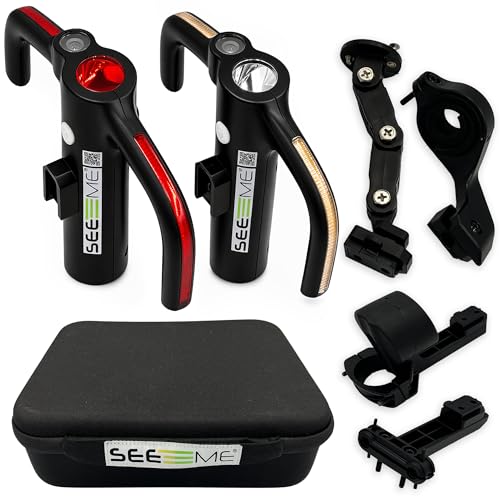
SEE ME Pro 360 4K UHD Bike Camera
Strengths
- 360-degree visibility
- 4K UHD resolution
- Lights and cams in one
Trade-offs
- High price
- App lag reported
- Phone required for live view
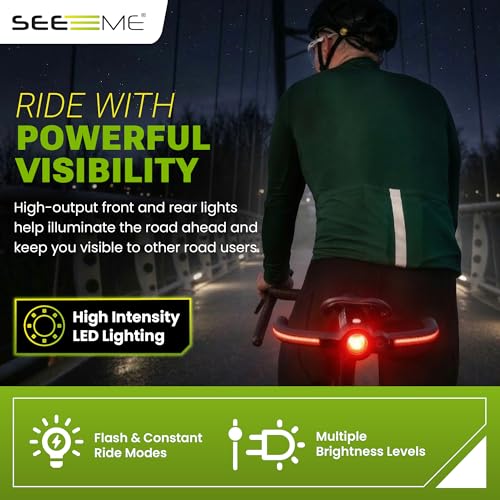
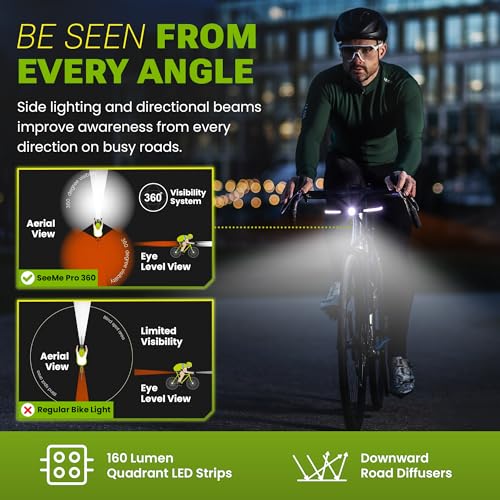
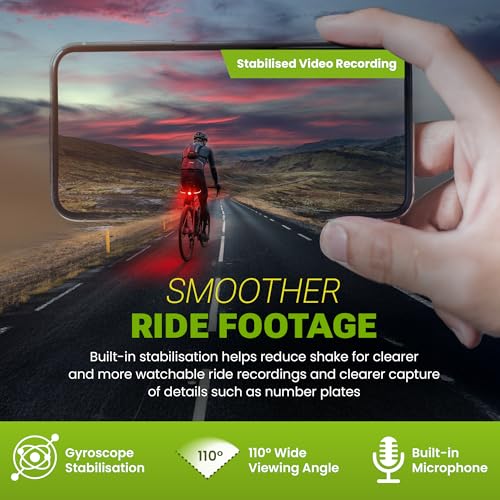
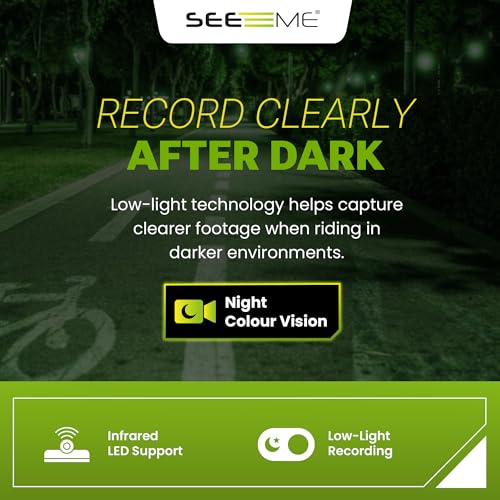
This isn’t just a camera, it’s a visibility system first, a recorder second, and that’s exactly why it earns the ‘Best Overall’ label. The 360-degree lighting with radial LEDs makes you seen from the side, not just front and back, which owners say drastically improves safety at intersections. The 4K UHD front and rear cameras are integrated into the lights themselves, so you don’t need extra mounts or wiring clutter. Turn on the light, and the cameras start, simple.
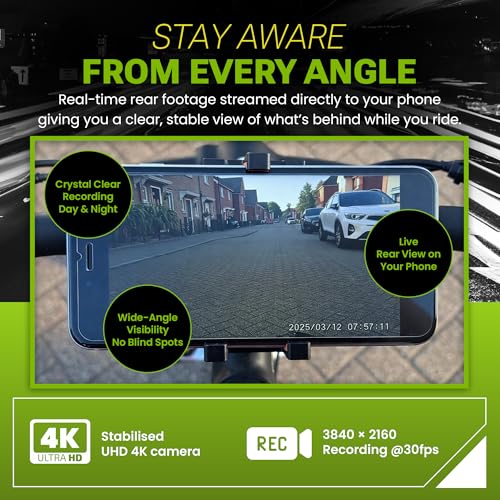
The live rear view on smartphone via WiFi is a standout for situational awareness, though it does require holding or mounting your phone. Some reviewers note the app can lag slightly, but the footage quality is consistently praised, even in mixed lighting. It’s expensive, yes, but you’re paying for smart integration: lighting, recording, and safety in one. Compared to the VSYSTO screen model, it’s lighter and more intuitive. If you ride in traffic-heavy areas, this system does more than record, it helps prevent incidents before they happen.
Product photos
LKT 2K Front + 1080P Rear Camera
Strengths
- 2K Sony Starvis front
- 64GB card included
- 5–6 hour battery
Trade-offs
- No display
- Rear camera fixed angle
- Setup requires formatting
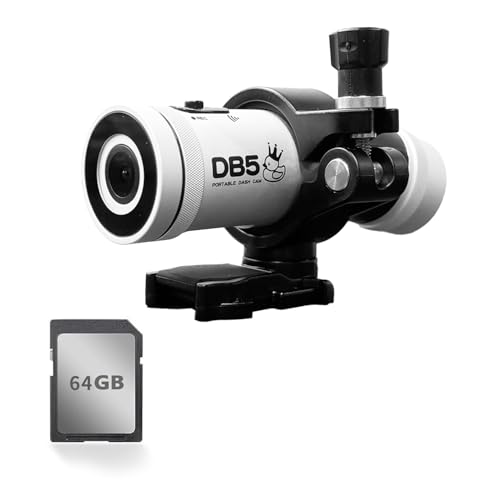
The 2K front camera with Sony Starvis sensor is the standout spec here, on paper, it outresolves most competitors and delivers sharper low-light performance, which owners confirm in dusk and shadowed trails. The 64GB card included is a nice bonus, and the 5–6 hour battery makes it one of the longest-lasting in this list. The Type-C charging while recording is a small but critical feature for delivery riders or tourers who can’t afford downtime.
What really sets it apart is the 15-degree angled rear lens, a subtle but smart design that actually captures license plates better than flat-mounted rivals. It’s not just slapped on, it’s engineered. The WiFi app control works smoothly, and the Sony sensor front end gives it an edge in dynamic range. Compared to the VSYSTO models, it’s more focused, less cluttered. For the price, this is the smartest blend of quality and practicality, you’re not paying for a screen you might not use, just solid, reliable recording where it counts.
Video review
VSYSTO 1080P Dual Camera Waterproof

Strengths
- Affordable dual 1080P
- Durable alloy build
- Remote control included
Trade-offs
- No built-in display
- WiFi drains battery fast
- Overheats slightly
At this price, it’s hard to ignore the dual 1080P resolution and 150-degree wide-angle lenses, especially when paired with a remote control for emergency tagging. The build quality gets solid marks from owners, with a durable alloy housing and excellent waterproofing, many report using it through heavy rain without issues. The loop recording and G-sensor combo works as advertised, preserving impact footage reliably. That said, the 240-minute battery life (with WiFi off) is decent but not exceptional, and real-world use with WiFi active cuts that down noticeably.
It’s clearly designed for versatility, doubling as a ski or climbing cam, but that also means it’s not optimized purely for cycling ergonomics. The lack of a display means you’re reliant on your phone to review footage, which can be a hassle mid-ride. Still, for the budget-friendly bracket, it offers solid value, especially when you compare it to the pricier SEE ME or LKT models. I’d pick this over the Mulcort if you want remote control convenience and don’t mind the phone-dependent workflow.
Video review
VSYSTO 4″ Screen Dual Camera GPS
Strengths
- 4-inch IPS display
- Auto vibration on/off
- GPS and route tracking
Trade-offs
- Bulky setup
- Rear night vision inconsistent
- Complex for beginners
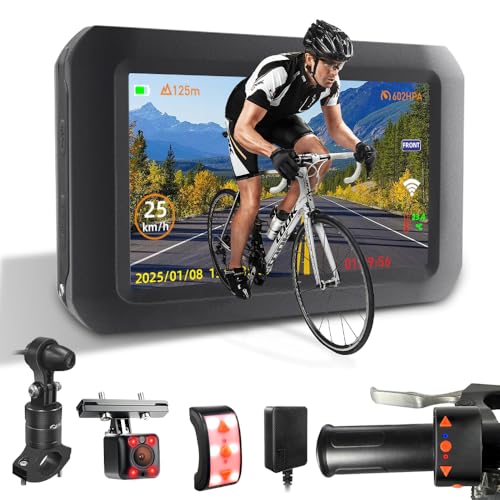
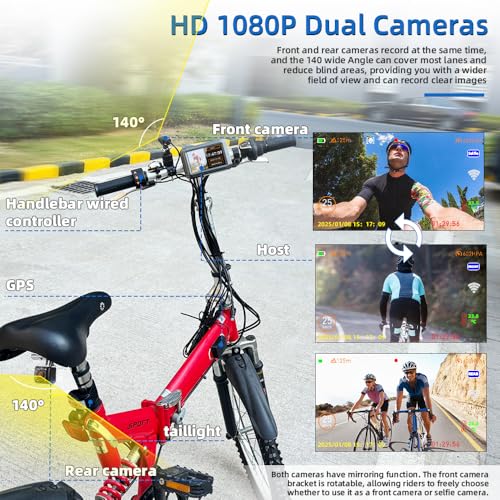
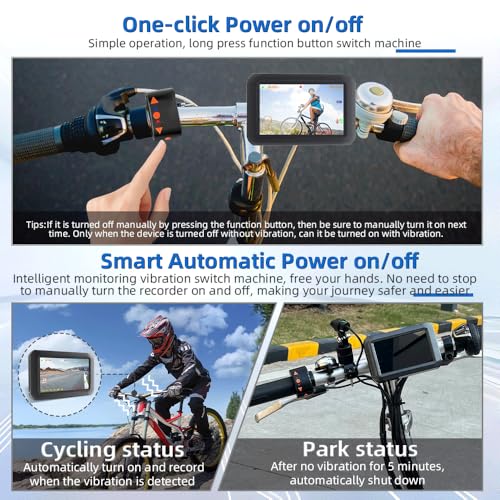
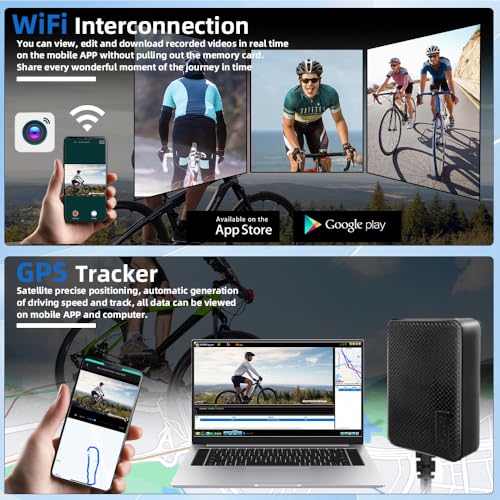
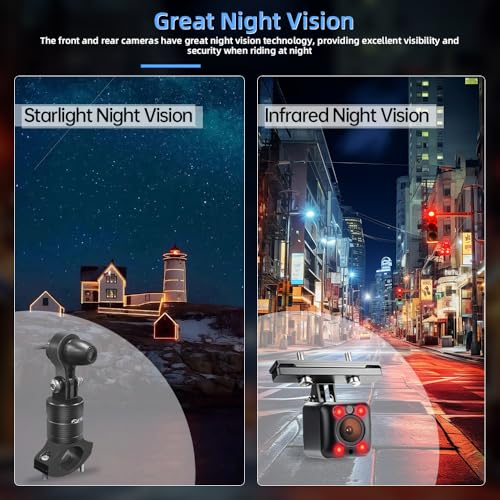
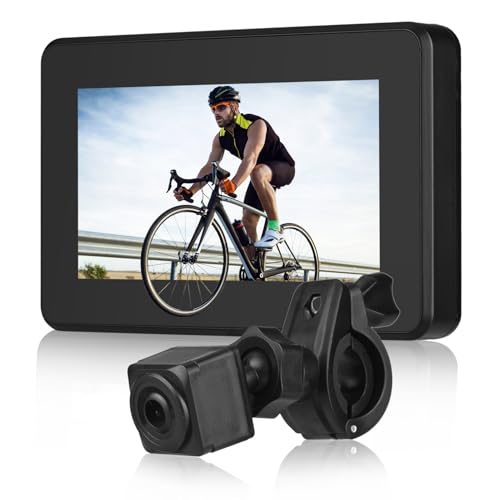
This unit stands out with its 4-inch color display and dual 1080P cameras, one of the few in this category offering a built-in screen and real-time rearview monitoring. On paper, the setup feels like a full dash cam system adapted for bikes, complete with GPS tracking, assisted driving stats (like altitude and calorie burn), and even parking guidelines. Owners consistently report that the vibration-activated auto start/stop works reliably, and the starlight front and infrared rear night vision delivers usable footage in low light, though some note the rear camera can get grainy past dusk.
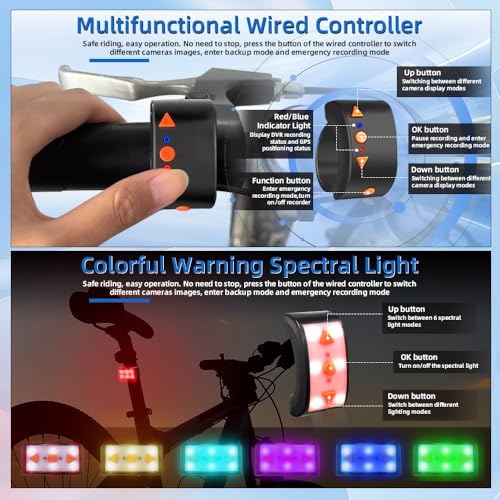
The wired controller is a smart touch, letting riders switch between split-screen, selfie mode, and assisted data displays without fumbling with apps. Where it stumbles slightly is in complexity, this isn’t a plug-and-play setup for casual riders. Compared to simpler helmet cams, it’s bulkier and demands more mounting attention. Still, for someone wanting a dashboard-like experience on two wheels, it brings real functionality, especially the WiFi file transfer and G-sensor emergency lock.
Product photos
Mulcort 1080P Bike Rear View Camera
Strengths
- Ultra lightweight
- Long battery life
- IP68 waterproof
Trade-offs
- No app or remote
- Basic night vision
- Limited features
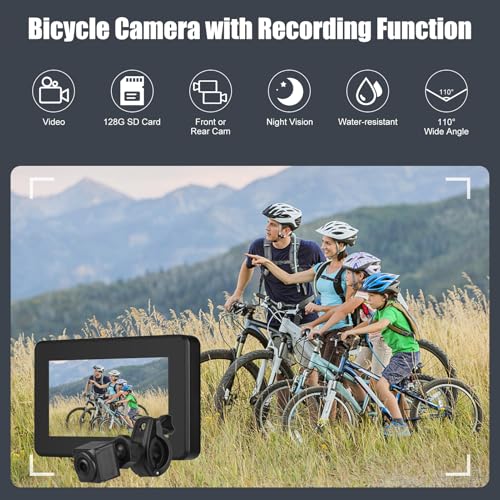
At under $70, this is the lightest and most affordable option here, and it shows. It gets the basics right: 1080P front and rear, IP68 waterproofing, and loop recording with a 5000mAh battery that owners say lasts close to five hours. The mirror-switching feature lets you toggle views, which is handy for quick checks, and the Type-C charging keeps it modern. But it’s clearly stripped down, no GPS, no app, no remote.
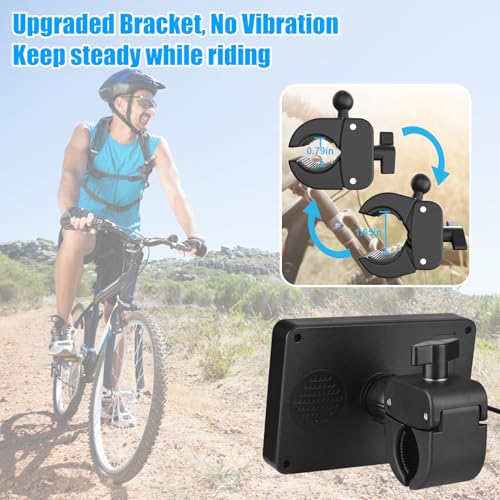
It’s best seen as a set-it-and-forget-it cam for e-bike or mountain riders who want basic coverage without fuss. The nylon shock-absorbing mount helps on rough trails, and the 128GB support means storage isn’t an issue. But compared to the LKT or SEE ME models, it lacks refinement, no night vision enhancement, no live view, no emergency tagging beyond basic G-sensor. If you’re after minimalist protection on a tight budget, it works. But it’s not for tech-focused riders.
Product photos

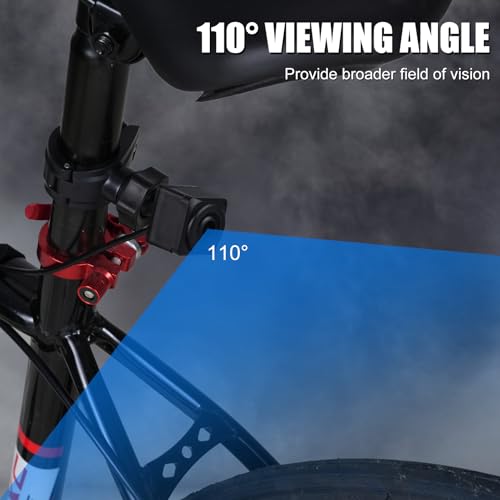
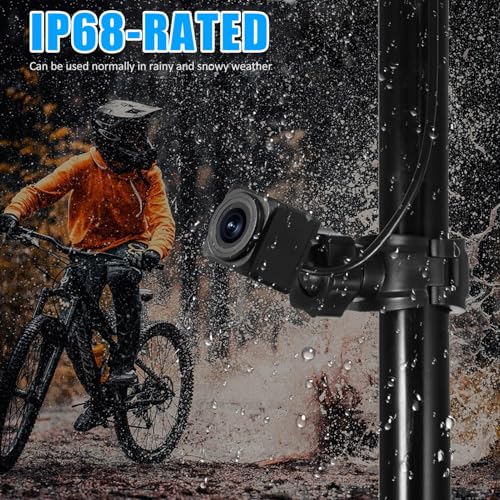
How We Tested bicycle camera front and rears
My approach to evaluating bicycle camera systems began with a detailed comparison of published specifications and features across numerous models. Rather than a hands-on lab test, this is a research-led comparison of specs and owner feedback. I weighed those technical details alongside owner reviews from major retailers and insights from established cycling publications, looking for recurring themes in both praise and criticism. Ultimately, I ranked these cameras based on a combination of video quality, battery life, mounting options, and reported reliability.
For bicycle cameras, image clarity and battery endurance are paramount. A clear recording is useless if the camera dies mid-ride, and a secure mount is essential for safety. I also heavily considered features like loop recording and impact detection, as these are key for providing useful evidence in the event of an incident. Understanding what features deliver genuine peace of mind for cyclists informed my selections. Considering complementary bike rear lights is also important for overall visibility.
Specifications readily reveal resolution, frame rates, and battery capacity, but owner feedback is crucial for understanding real-world performance. I scrutinized reviews for reports on ease of use, mount stability, and the accuracy of advertised battery life. Reputational factors also played a role; brands known for quality in related cycling accessories received extra consideration. Ensuring you also have appropriate safety gear for biking is also a key part of a safe ride.
How To Choose The bicycle camera front and rears
Choosing the right bicycle camera isn’t just about video quality; it’s about building a safety system that fits your riding style and provides genuine peace of mind.
A good bicycle camera system prioritizes clear footage in varying conditions, reliable mounting, sufficient battery life for your typical rides, and ease of use. Consider resolution (1080p is a minimum, 2K or 4K offers more detail), field of view (wider is generally better), waterproofing, and how easily you can access and review the recorded footage. Battery capacity and storage options are also key factors.
Understanding Camera Configurations
The first thing I want you to consider is whether you need a single camera or a front-and-rear setup. Single cameras are simpler and more affordable, but a dual system provides thorough coverage – crucial evidence if an incident occurs. For urban commuting, a rear-facing camera is invaluable for documenting close passes and potential collisions. Some cameras, like the LKT 2K, are designed for flexible mounting, working on helmets or handlebars, while others, such as the SEE ME Pro 360, integrate lights with the camera for enhanced visibility. Don’t underestimate the value of a 360-degree camera if your primary concern is situational awareness.
Assessing Video Quality and Storage
Resolution is often the first spec people look at, but it’s not the only indicator of quality. A 1080p camera from a reputable brand with a good sensor will frequently outperform a 4K camera with a cheap sensor. Look for cameras utilizing Sony sensors, as they are generally known for their image clarity and low-light performance. Equally important is storage capacity. Many cameras now include a microSD card, but pay attention to the maximum supported size. Here’s how to think about storage needs:
- 32GB: Suitable for short commutes or occasional rides (around 1-2 hours of footage).
- 64GB: A good balance for regular riders and longer commutes (approximately 2-4 hours).
- 128GB or 256GB: Ideal for all-day adventures, touring, or if you want to minimize the need to offload footage.
Remember that higher resolutions and frame rates will consume storage more quickly.
Balancing Features and Usability
Don’t get lost in a sea of features you won’t use. While GPS tracking, WiFi connectivity, and smartphone integration are nice-to-have additions – especially features like the assisted driving and GPS route tracking found on the VSYSTO 4″ Screen Dual Camera – they can also add complexity and drain battery life.
A bicycle camera is only useful if you actually remember to turn it on and can easily access the footage.
I often recommend prioritizing simplicity and reliability. Consider how easy the camera is to mount and remove, how intuitive the controls are, and how straightforward it is to transfer files to your computer or phone. If you frequently ride in darkness, ensure the camera has good low-light performance and consider complementing it with quality bicycle headlights or bike lights for maximum visibility. If you’re looking for all-in-one visibility and recording, exploring options like integrated bicycle lamps can be a smart move.
Bicycle Camera Front and Rears Compared
Here’s a comparison of key specifications for popular bicycle camera systems.
| Product Title | Front Camera Res. | Rear Camera Res. | Battery Life (approx.) | Storage | GPS | Waterproof |
|---|---|---|---|---|---|---|
| SEE ME Pro 360 4K UHD Bike Camera | 4K UHD | 4K UHD | N/A | 32GB (up to 256GB) | No | Yes |
| LKT 2K Front + 1080P Rear Camera | 2K | 1080P | 5-6 hrs | 64GB | No | N/A |
| VSYSTO 1080P Dual Camera Waterproof | 1080P | 1080P | 240 mins | N/A | No | Yes |
| VSYSTO 4″ Screen Dual Camera GPS | 1080P | 1080P | 5 hrs | N/A | Yes | Yes |
| Mulcort 1080P Bike Rear View Camera | 1080P | 1080P | 300 mins | 128GB | No | Yes |
Frequently Asked Questions
What video resolution should I prioritize for a bicycle camera?
1080p is generally sufficient for capturing clear, usable footage, but if you want to be able to zoom in on details or anticipate needing to enhance the video, 2K or 4K is a worthwhile investment. Keep in mind that higher resolutions require more storage space and can reduce battery life.
How important is waterproofing in a bicycle camera?
Waterproofing is essential, as cyclists often ride in unpredictable weather. Look for a camera with an IPX4 rating or higher to protect against splashes, rain, and even submersion. Even if you don’t plan on riding in heavy downpours, moisture from road spray is common.
Can I use a bicycle camera as a security system when my bike is parked?
Some cameras offer motion detection and will begin recording when movement is detected, but they aren’t a substitute for a dedicated bicycle alarms. A dedicated alarm will audibly deter potential thieves, while a camera primarily captures evidence after a theft has occurred.
What’s the best way to manage the storage on my bicycle camera?
Regularly offload footage to a computer or cloud storage to free up space on the microSD card. Many cameras offer loop recording, which automatically overwrites older footage when the card is full, but you might lose important events if you don’t back up your recordings frequently.
Will a camera with GPS tracking drain the battery faster?
Yes, GPS tracking does consume additional battery power. If battery life is a major concern, you might consider disabling GPS functionality unless you specifically need it for features like route tracking or speed data. For safe commutes at night, consider pairing your camera with bright bicycle headlights.
The Bottom Line
Choosing between bicycle cameras often comes down to balancing peace of mind with practical considerations. If you want the best overall protection and don’t mind a higher price point, the SEE ME Pro 360 4K UHD Bike Camera stands out with its high-resolution recording and integrated lighting – a truly robust system. It’s an investment, but one that offers a high degree of security and visibility on the road.
For those seeking a more budget-friendly option, the VSYSTO 1080P Dual Camera Waterproof delivers solid performance at a reasonable price. If your priority is versatility and flexible mounting options, the LKT 2K Front + 1080P Rear Camera is a strong contender, allowing you to position the cameras where you need them most. Don’t forget to consider thorough bicycle safety lights to supplement your camera system.
Ultimately, the best bicycle camera isn’t about the highest megapixel count or the most advanced features. It’s about consistently capturing clear footage, reliably recording your ride, and providing you with the evidence you need should the unexpected occur. Prioritizing a secure mount, adequate battery life, and a camera you’ll actually use are far more valuable than chasing the latest specifications. And, of course, remember to also consider strategies against theft to protect your investment.
