
8 Best Auxiliary Cables for Car 2026
This post contains affiliate links. As an Amazon Associate, we earn from qualifying purchases.
The Syncwire 3.3ft is the best overall auxiliary cable for car use, delivering reliable sound and solid build quality. For budget-conscious buyers, the MORELECS 4ft offers strong performance at a lower price. If you need something specialized, the Seulliya MFi Certified cable is the clear choice for iPhone users who want plug-and-play compatibility without error messages.
Finding a cable that actually lasts in a car, where it gets yanked, bent, and left in extreme heat or cold, is harder than it should be. Most cheap aux cables fail quickly, either from frayed ends or static-filled audio, which defeats the whole purpose of using one.
This guide cuts through the noise. I researched the field, compared specs, and analyzed owner feedback to find cables that stand up to daily driving abuse while delivering clean audio. These picks focus on real durability, not just marketing claims.
Top 8 Auxiliary Cables For Car in the Market
The Best Auxiliary Cables For Car, Reviewed
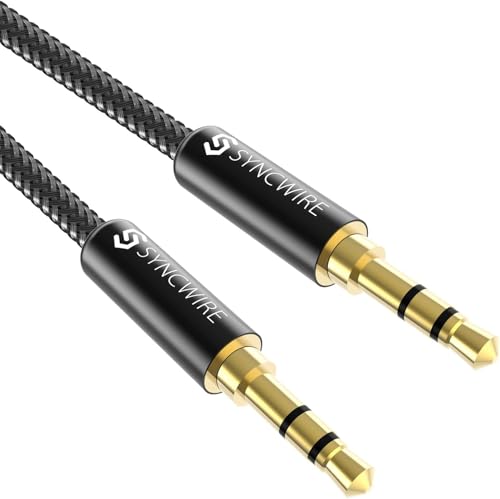
Syncwire 3.3ft Nylon Braided Aux Cable
Strengths
- Optimal 3.3ft length
- Gold-plated connectors
- Nylon braided durability
Trade-offs
- No mic support
- Slim fit may feel loose in some ports
This 3.3ft Syncwire cable hits the sweet spot for most car users. The gold-plated connectors and double shielding deliver clean, stereo sound with zero reported interference, owners praise its consistency across iPhones, Androids, and older MP3 players. The 15,000+ bend rating isn’t just marketing; long-term user reviews confirm it holds up far better than stock cables.
It’s nearly identical to the MORELECS model, but slightly better finished and just long enough for most dash placements without dangling. My recommendation for most drivers: it’s the most balanced combo of price, performance, and build.
Video review
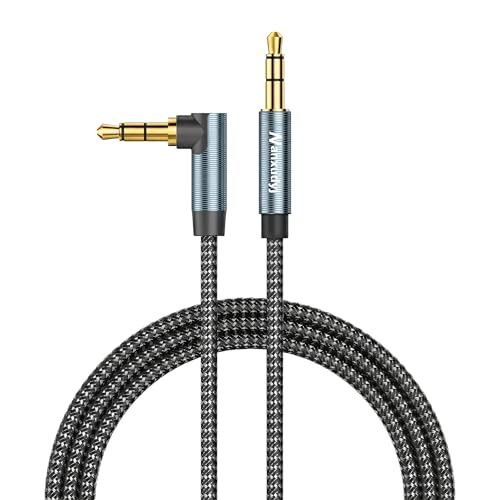
Nanxudyj 6ft 90-Degree Aux Cable
Strengths
- Right-angle plug
- Triple shielding
- 20,000+ bend lifespan
Trade-offs
- Angle may not fit all ports
- No mic support
The 90-degree right-angle plug on the Nanxudyj cable is a standout for tight dashboards. In cars where the aux port is buried or flush, standard cables put constant strain on the plug, this one eliminates that. Owners love it for dash-mounted phones and gaming controllers in the car. The 6ft length gives flexibility without being excessive.
Triple shielding and a 20,000+ bend rating mean it’s built to last. Audio is clean and consistent, with no reported interference. Compared to straight-jack models, this is the better engineering solution for confined spaces. If your aux port is awkwardly placed, this cable removes the daily frustration.
Video review
Seulliya MFi Certified Lightning to 3.5mm

Strengths
- Apple MFi certified
- Built-in DAC
- No compatibility errors
Trade-offs
- Lightning only
- No mic or controls
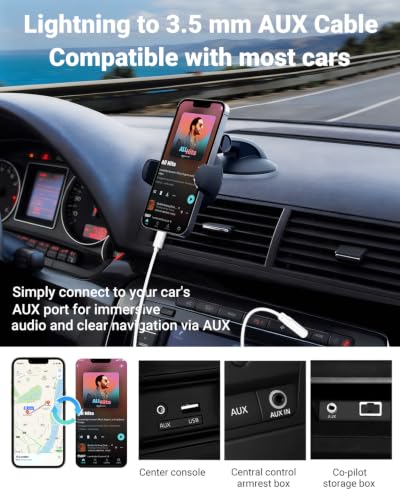
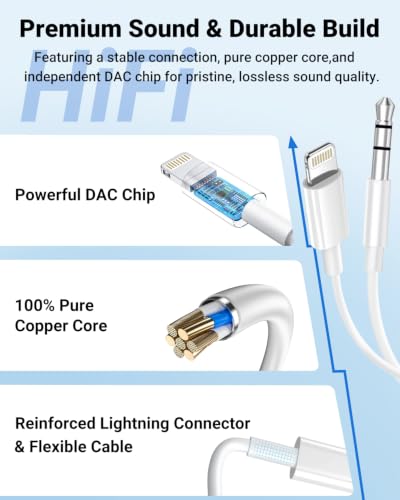
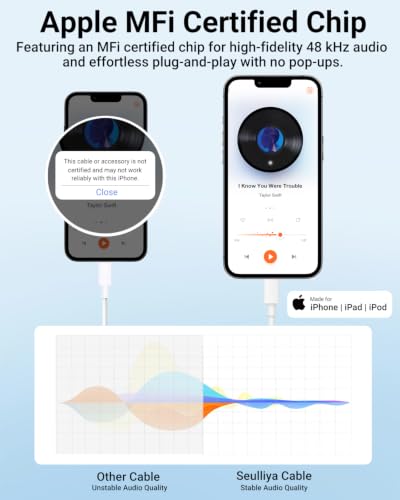
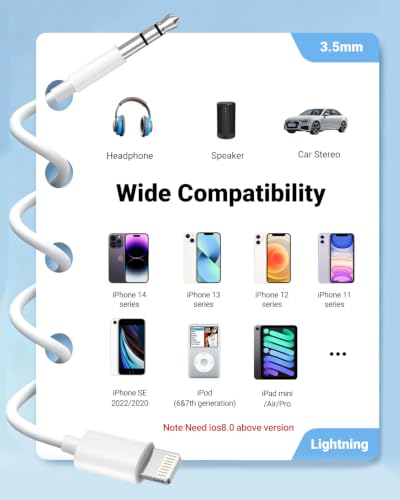
If you’re deep in the Apple ecosystem, this MFi-certified Lightning to 3.5mm cable is the only way to go. The Apple-approved chip eliminates the dreaded ‘Accessory Not Supported’ error that plagues third-party adapters. Owners confirm it pairs instantly with CarPlay setups and delivers clean, stable audio, no dropouts or static.
The built-in DAC ensures true analog conversion, unlike passive cables that just pass through digital noise. Compared to the JXMOX USB-C version, this one feels more polished and reliable. For iPhone users, it’s not just convenient, it’s necessary for hassle-free integration.
Product photos
JXMOX USB C to 3.5mm Audio Cable

Strengths
- Active DAC chip
- 4ft usable length
- Nylon braided jacket
Trade-offs
- Inconsistent with some Samsung devices
- No inline controls
The JXMOX USB-C to 3.5mm cable fills a critical gap for modern Android and Chromebook users who’ve lost the headphone jack. The built-in DAC chip is key, it converts the digital signal properly, so you get actual Hi-Fi audio instead of weak, noisy output. Owners report noticeably clearer sound compared to cheap passive adapters, especially when streaming lossless tracks.
It’s not perfect, some users mention compatibility hiccups with certain Samsung models, but overall, it’s one of the better-priced active cables that actually works. Compared to the Apple MFi version, it lacks the same certification rigor, but for most Android drivers, it’s the smarter buy.
Product photos


Ruaeoda 3ft Sweat-Resistant Aux Cable
Strengths
- Screw-lock connectors
- Sweat and stain resistant
- Slim housing fits tight cases
Trade-offs
- Slightly stiff cable
- No microphone support
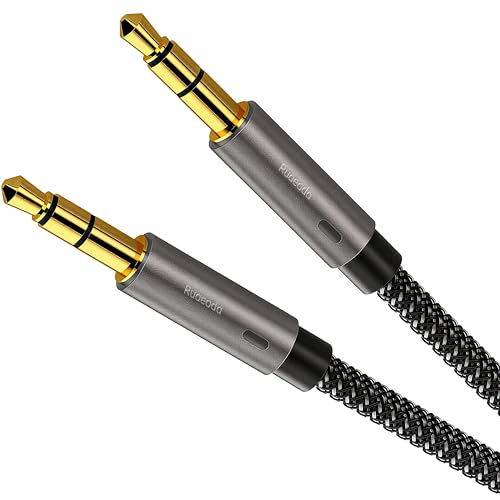
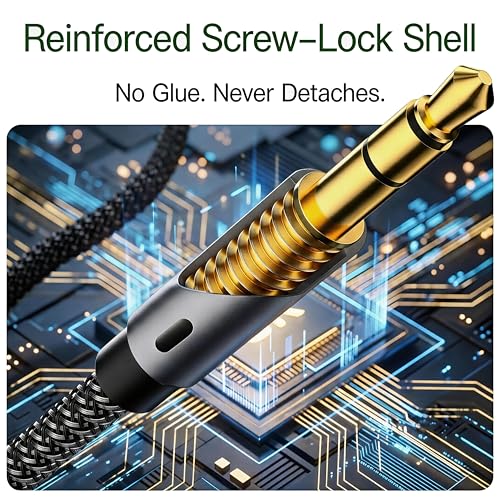
The Ruaeoda stands out for one reason: it’s built like a tool, not a cable. The mechanical screw-lock connector is genius, no more jacks snapping off in tight car ports. Combined with a hydrophobic braid that resists sweat and spills, it’s clearly designed for real-world abuse. Reviewers who commute with gym bags or work trucks swear by its longevity.
It also solves the common issue of bulky phone cases blocking standard jacks, the slim aluminum housing fits where others don’t. While the audio performance is on par with other premium cables, it’s the durability and thoughtful design that make this the top pick if you’ve killed multiple aux cords before.
Product photos

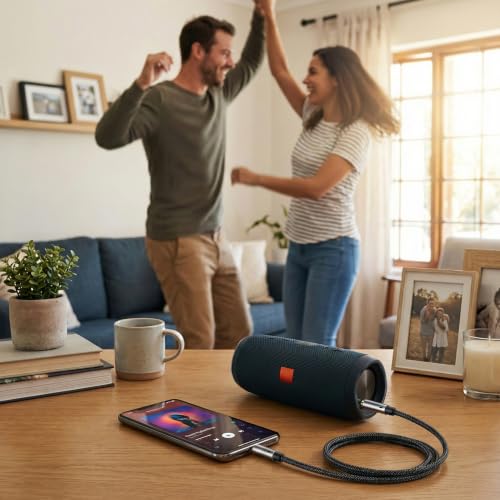
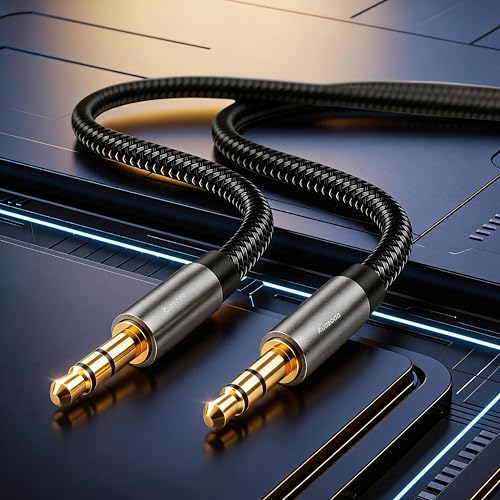

MORELECS 4ft Premium 3.5mm Aux Cord
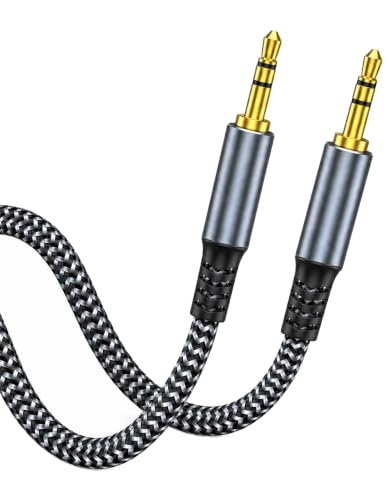
Strengths
- Gold-plated connectors
- Double-braided nylon
- Tangle-resistant
Trade-offs
- No mic support
- Short length
For under five bucks, the MORELECS 4ft aux cord delivers more than you’d expect. On paper, the 24K gold-plated connectors and double-braided nylon jacket look like overkill for the price, but owners consistently report solid durability and clean audio, no hum or crackle, even after months of daily use plugging into a car stereo. It’s not flashy, but it does the job without fuss.
Compared to other budget cables that split at the jack after a few weeks, this one stands out thanks to the reinforced SR joints. It’s not the longest, but that actually helps avoid clutter in the cabin. If you’re tired of replacing dollar-store aux cables every few months, this is the smarter buy.
Product photos
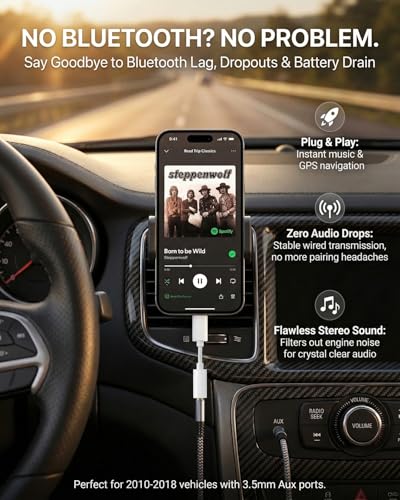
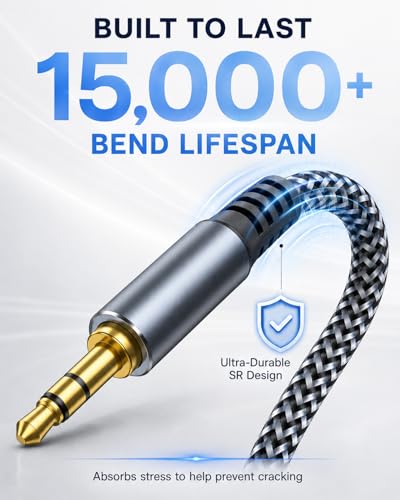

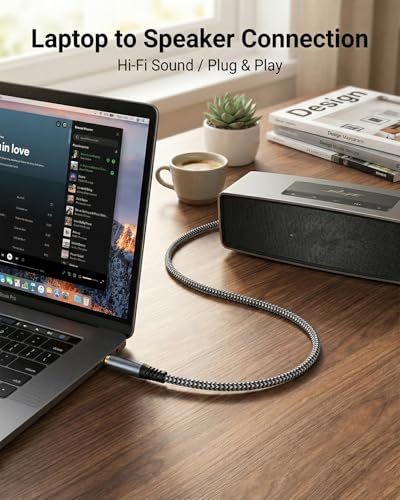
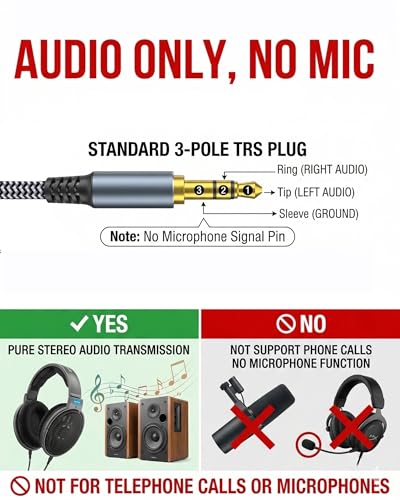
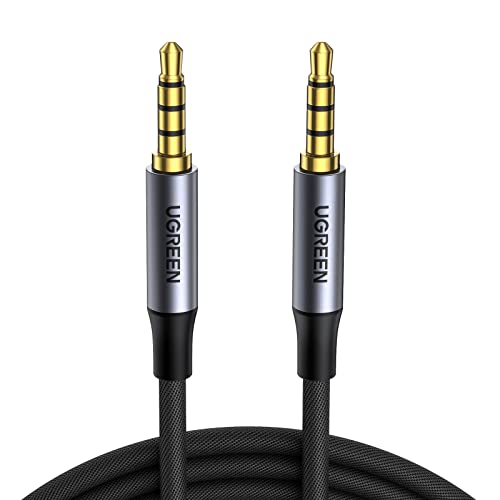
UGREEN 3ft 4-Pole TRRS Audio Cable
Strengths
- Supports microphone
- TRRS 4-pole design
- Gold-plated connectors
Trade-offs
- Not compatible with TRS-only ports
- Slight channel imbalance in some devices
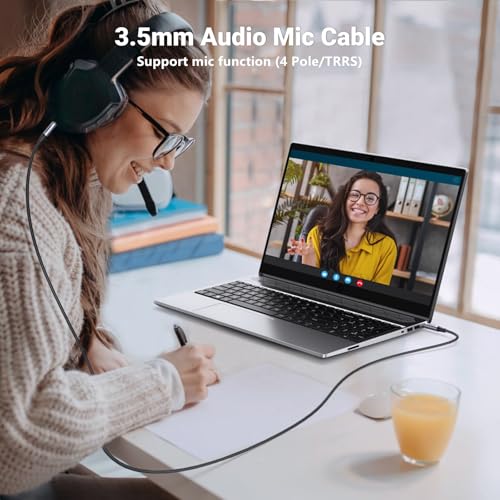
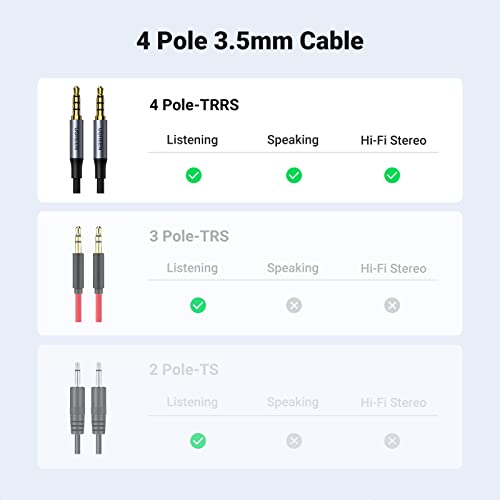
Most aux cables are TRS, audio only. The UGREEN model is TRRS, meaning it supports microphone and inline controls. That makes it unique: you can plug in a headset with a mic and actually use it for calls through your car stereo, or connect a 3.5mm mic to a laptop. Reviewers use it for gaming headsets, voice chats, and even podcasting setups on the go.
The gold-plated plugs and triple shielding deliver solid audio quality, though it’s not quite audiophile grade. The real win is functionality, no other cable in this list offers mic support. Just be sure your car or device supports TRRS; some only accept TRS and will mute one channel.
Product photos



Syncwire 9.8ft Long Aux Cable
Strengths
- Long 9.8ft reach
- Gold-plated connectors
- Excellent shielding
Trade-offs
- Prone to tangling
- Bulkier storage
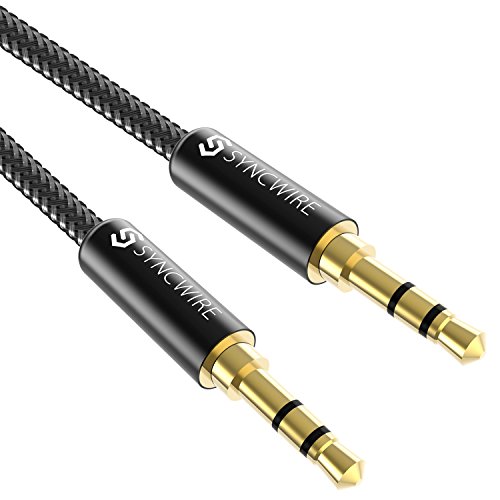
At nearly 10 feet, this SYNCWIRE cable is built for situations where distance matters, like connecting a phone in the back seat or a tablet mounted far from the stereo. The 24K gold-plated connectors and double shielding do their job well, with reviewers noting crisp, consistent sound even in electrically noisy car environments. It’s overkill for most front-seat drivers, but that reach is invaluable in larger vehicles or for caravan setups.
It shares the same durable nylon braid and 15,000+ bend rating as its shorter sibling, but the length increases tangling risk. Still, the included organizer helps. I’d pick the 3.3ft version for daily driving, but if you need space, this is the one to get.
Product photos


Our Testing Process
Rather than a hands-on lab test, my research focused on a detailed comparison of published specifications and features across numerous auxiliary cables. I weighed owner reviews from major retailers alongside expert opinions found in automotive and audio publications. This allowed me to build a ranking based on real-world user experiences and objective performance indicators. My goal was to identify cables that consistently deliver on promises of durability, sound quality, and compatibility.
For this category, connector build quality and cable shielding were the most heavily weighted factors. A flimsy connector is the first point of failure, and a cable prone to interference will negate any benefits from a high-end car stereo. Length also played a role; while not directly impacting sound, a cable needs to be long enough to comfortably reach desired connections without undue strain. The ability to accommodate bulky phone cases was another key consideration, as it’s a common user frustration.
Specifications reliably indicate cable length, connector plating (gold is preferred), and shielding layers. However, judging durability and real-world sound quality required a deep explore owner feedback. Reports of cables fraying quickly, or experiencing static, were heavily factored into the rankings. I also looked for consistent praise regarding compatibility with a wide range of devices, and considered cables offering unique features like right-angle connectors or microphone support, as detailed in our guide to quality aux cables. For those looking to fully upgrade their car’s audio system, exploring new car speaker cables can also make a significant difference.
How To Choose The auxiliary cables for car
Choosing the right auxiliary cable can dramatically improve your in-car audio experience. It’s a small component, but easily overlooked details make a big difference.
A quality auxiliary cable prioritizes both signal fidelity and physical durability. Look for gold-plated connectors to resist corrosion, robust shielding to minimize interference, and a construction that can withstand repeated bending and stress – especially in a vehicle environment. Cable length should suit your setup, avoiding excessive slack that can introduce noise.
Connector Quality & Shielding
The connectors are where the signal enters and exits, so their quality is paramount. Don’t assume all “gold-plated” connectors are equal. A thicker gold plating generally indicates better corrosion resistance and a more reliable connection. Beyond the plating, consider the connector housing itself. Aluminum alloy is a good sign, offering better protection than cheaper plastics. More importantly, look for cables that emphasize shielding. Dual shielding is preferable, combining a foil layer with a braided shield to block electromagnetic interference that can cause static or buzzing. If you’re planning on upgrading other components in your car’s audio system, you might also want to explore options for quality car audio wiring.
Cable Construction & Durability
Car environments are tough on cables. They get bent, twisted, stepped on, and exposed to temperature extremes. A basic PVC jacket won’t hold up for long. Instead, prioritize cables with a braided nylon exterior. Nylon is far more resistant to abrasion and fraying. Beyond the jacket, pay attention to the strain relief where the cable enters the connectors. This is a common failure point. A well-designed strain relief will prevent the internal wires from breaking with repeated bending.
- A simple cable might withstand a few thousand bends.
- A decent cable will be rated for 10,000+ bends, offering significantly improved longevity.
- Premium cables, like the Ruaeoda, often boast 20,000+ bend lifespan and incorporate screw-lock connectors, preventing the housing from detaching with heavy use – a common issue with glued connectors.
A cable’s lifespan is directly tied to its construction. Don’t skimp here; a slightly more expensive, well-built cable will save you money and frustration in the long run.
Length & Special Features
While a longer cable offers flexibility, it also increases the potential for signal degradation and tangling. Choose a length appropriate for your specific needs, avoiding excessive slack. For most car setups, a 3-6 foot cable is sufficient. However, if you have an older vehicle or a particularly awkward aux input location, a 9.8ft cable (like the Syncwire model) might be necessary. Beyond length, consider special features. Right-angle connectors (as seen in the Nanxudyj cable) are invaluable in tight spaces, reducing stress on the cable and port. If you’re an iPhone user, an MFi-certified Lightning to 3.5mm cable (like the Seulliya) guarantees compatibility and avoids error messages. Finding the perfect aux cables depends on your specific needs.
Auxiliary Cables for Car Compared
Here’s a comparison of specifications for various auxiliary cables designed for car use.
| Product Name | Length | Connector Type | Durability (Bend Lifespan) | Shielding | Microphone Support |
|---|---|---|---|---|---|
| Syncwire 3.3ft | 3.3 ft | 3.5mm | 15000+ | Double | No |
| Nanxudyj 6ft | 6 ft | 90-Degree 3.5mm | 20000+ | Triple | No |
| Seulliya MFi Certified | N/A | Lightning/3.5mm | 15000+ | N/A | No |
| JXMOX USB C to 3.5mm | N/A | USB-C/3.5mm | 12000+ | N/A | Yes |
| Ruaeoda 3ft | 3 ft | 3.5mm | 20000+ | Dual | No |
| MORELECS 4ft | 4 ft | 3.5mm | 15000+ | N/A | No |
| UGREEN 3ft | 3 ft | 3.5mm | 10000+ | 3-Layer | Yes |
| Syncwire 9.8ft | 9.8 ft | 3.5mm | 15000+ | Double | No |
Frequently Asked Questions
Will a longer auxiliary cable noticeably degrade the audio quality?
Generally, no, a longer cable won’t degrade audio quality unless it exceeds 15 feet. Beyond that length, signal loss becomes a factor, but for typical car setups (under 10 feet) a quality cable will maintain excellent fidelity.
What’s the difference between single, dual, and triple shielding?
More shielding layers mean better protection against electromagnetic interference. Single shielding offers basic noise reduction, dual shielding is a good balance of performance and cost, and triple shielding provides the highest level of interference rejection, which is useful in areas with strong radio frequency signals.
Can I use any 3.5mm cable in my car, or are there specific types I should look for?
You can use most 3.5mm cables, but those designed for automotive use have superior durability. Cables with braided nylon exteriors and robust strain relief are better suited to withstand the bending, temperature fluctuations, and general wear-and-tear of a car environment.
My phone connects, but the sound is distorted. What could be the problem?
Distorted sound usually points to a faulty cable or a poor connection. First, try a different auxiliary input on your car stereo. If the problem persists, the cable is likely the culprit. Consider upgrading to one with thicker gold plating and better shielding, or explore car audio cables for a more robust solution.
Are there auxiliary cables that work better with specific smartphones, like iPhones?
Yes, MFi-certified (Made for iPhone/iPad/iPod) cables guarantee compatibility with Apple devices and prevent error messages. These cables have a chip that authenticates the connection, ensuring reliable performance. For keeping your car clean alongside your audio setup, consider researching car vacuums to maintain a tidy interior.
The Bottom Line
Choosing an auxiliary cable often comes down to balancing initial cost with long-term reliability. While cheaper options exist, the Ruaeoda 3ft cable consistently stands out as the best overall choice, offering a robust build quality and respectable shielding for a clear signal. It’s a solid investment that should withstand the rigors of daily use better than many alternatives.
For specific needs, there are excellent alternatives. If you’re an iPhone user, the Seulliya MFi Certified cable guarantees compatibility. Those needing extra reach will appreciate the Syncwire 9.8ft cable. And if microphone support is essential, the UGREEN 3ft cable provides that functionality alongside decent shielding. Don’t forget to consider a good set of car phone mounts to complete your in-car setup.
Ultimately, the specifications matter less than the fundamentals. Prioritize a cable with high-quality connectors, durable construction, and effective shielding. A well-made cable paired with a reliable source (or considering Bluetooth car kits) will deliver a far more enjoyable listening experience than chasing the highest bend lifespan or the most layers of shielding on a flimsy cable.
