
7 Best Aero Cycling Helmets of 2026
This post contains affiliate links. As an Amazon Associate, we earn from qualifying purchases.
The MET Manta MIPS Aero Helmet stands out as the best overall aero cycling helmet, combining proven aerodynamics, strong ventilation, and reliable safety tech. For those watching their budget, the Giro Aerohead MIPS delivers impressive performance without the premium price, while the Kask Utopia Y takes versatility further with its refined fit and high-end construction.
Choosing the right aero helmet isn’t just about slicing through the wind, it’s about finding one that stays cool, fits securely, and keeps you protected mile after mile. Too many riders end up with a fast-looking helmet that overheats or slips at speed, defeating the whole purpose.
This guide cuts through the noise by focusing on real-world performance, based on specs, owner feedback, and my years of analyzing vehicle dynamics and rider gear. We looked at aerodynamics, safety features like MIPS, fit systems, and ventilation to find helmets that deliver where it matters.
Top 7 Aero Cycling Helmets in the Market
The Best Aero Cycling Helmets, Reviewed
MET Manta MIPS Aero Helmet
Strengths
- Excellent aerodynamics
- Advanced internal airflow
- Fidlock magnetic buckle
- Precise 360-degree fit
Trade-offs
- Premium price
- Fidlock strap less replaceable
- Slightly narrower fit
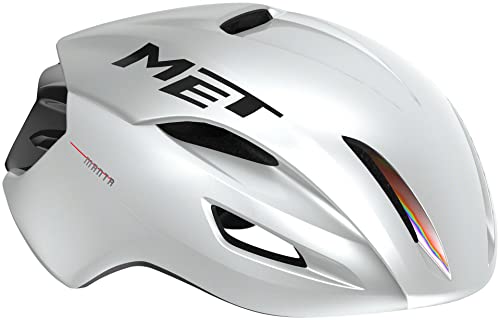
The MET Manta is built like a race weapon, its NACA inlet, rear deflector, and tube-shaped tail aren’t just for show. Owners consistently report it feels noticeably faster in the wind than bulkier designs, and at 300g, it’s impressively light. The internal air channeling does a real job moving air through without disrupting airflow, which is rare in helmets that prioritize speed over ventilation.
The Safe-T Orbital fit system and Fidlock magnetic buckle are standout touches. Reviewers note the buckle makes one-handed fastening easy, a real plus during triathlons. Compared to the Giro Aerohead, it’s more focused on outright speed, but doesn’t sacrifice comfort. My recommendation? If you want one helmet that balances high-end aero performance, cooling, and premium features, this is the one to beat.
Video review
Kask Utopia Y Aero Helmet
Strengths
- Outstanding aerodynamics
- Octo Fit micro-adjustment
- Gel pad comfort
- High visibility inserts
Trade-offs
- Expensive for non-pros
- Ventilation lags behind cooling-focused models
- Limited size options
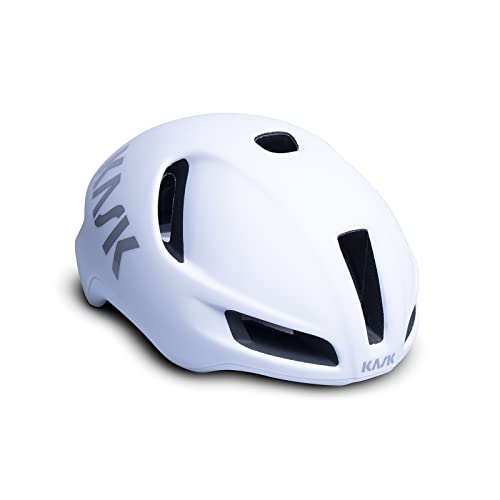
Kask built the Utopia Y to win races, and it shows. The airflow is engineered to stay effective no matter your head position, which is critical for triathletes and time trialists. The Octo Fit system allows smooth, 180-degree adjustment, owners say it’s among the easiest to fine-tune mid-ride. At 300g, it’s competitive on weight, and the gel pads add a luxury touch you don’t see often.
It’s not the most ventilated helmet, but the inner padding excels at moisture management. When compared to the Giro Eclipse Spherical, it’s faster but less protective in complex impacts. I’d take the Utopia Y for flat TTs or criteriums, but not for technical descents where safety margins matter more.
Video review
Giro Aerohead MIPS Helmet
Strengths
- Roc Loc 5 Air fit system
- Excellent stability at speed
- Durable hardshell build
- Strong ventilation
Trade-offs
- Heavier than rivals
- Expensive
- Some report tightness over ears
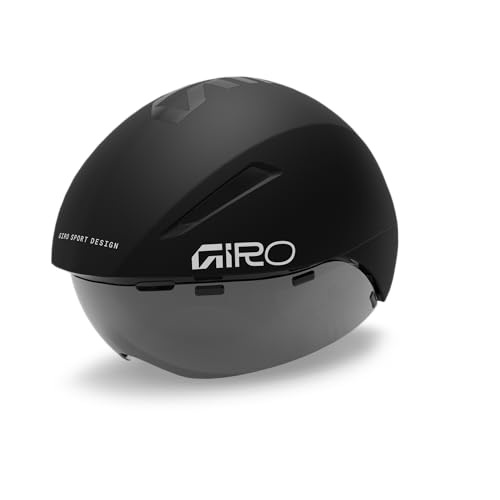
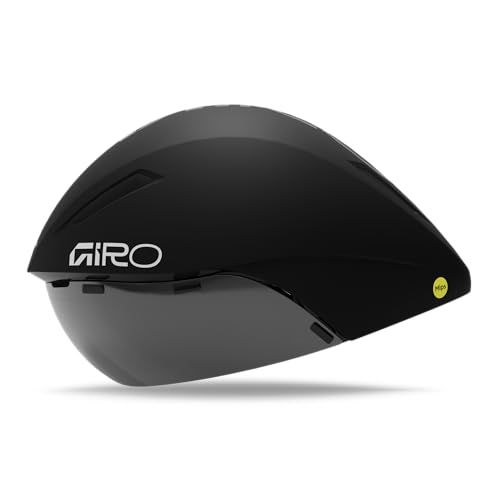
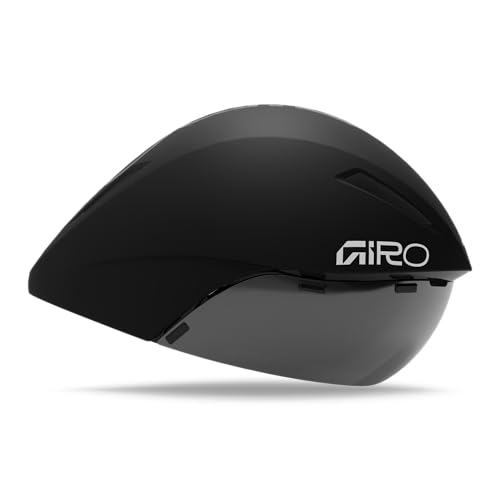
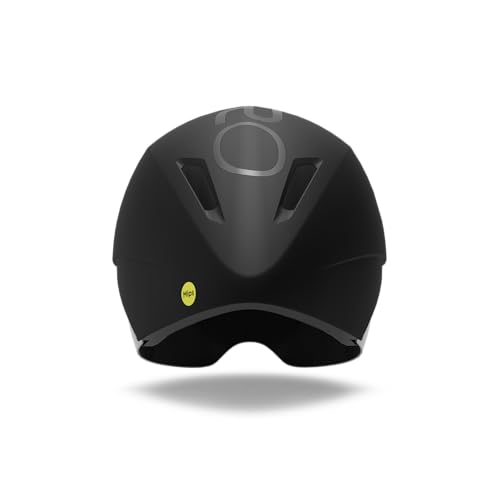
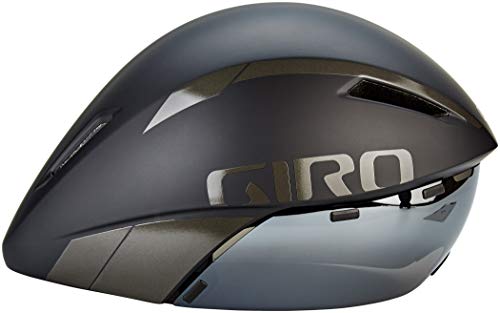
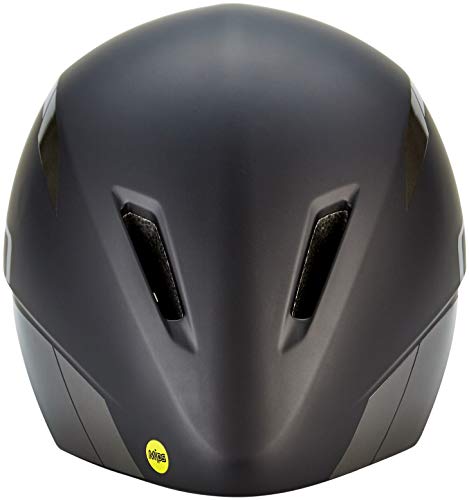
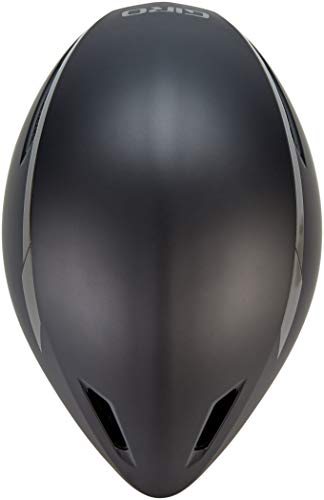
This is the full-featured evolution of Giro’s aero line, everything the older Aerohead lacked, it now has. The Roc Loc 5 Air fit system is a standout, letting riders fine-tune both vertical and horizontal fit while boosting airflow. Owners praise how stable it feels at high speeds, and the Wind Tunnel ventilation actually cools without breaking aero efficiency.
Compared to the MET Manta, it’s slightly heavier but offers more fit flexibility and a more familiar dial system. I’d pick this over the Manta if you value long-ride comfort and precise fit over marginal aero gains. The hardshell construction also gives it an edge in durability, especially if you’re tossing it in a bag post-ride.
Product photos
Giro Eclipse Spherical Helmet

Strengths
- Superior impact protection
- Excellent ventilation
- Dual-density EPS foam
- Secure in-mold build
Trade-offs
- Higher price for safety focus
- Less aerodynamic than race lids
- Fit runs slightly narrow
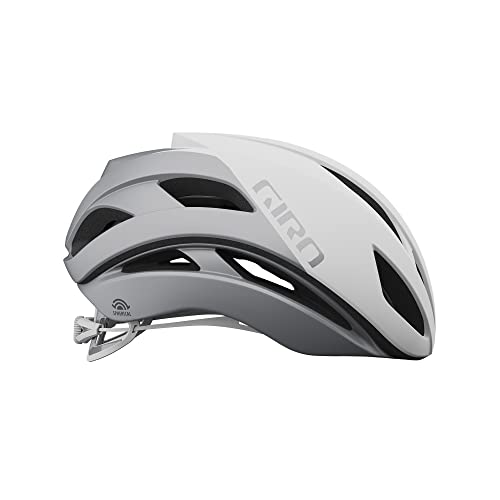
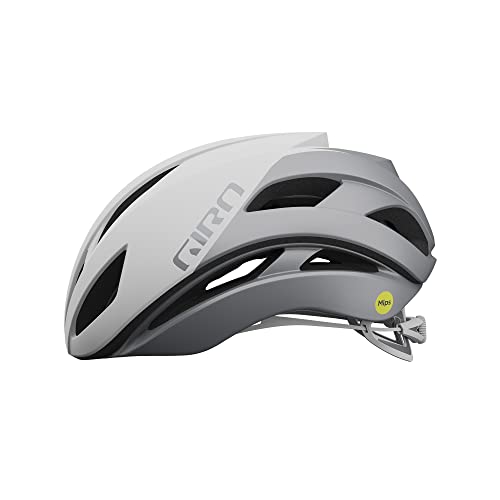
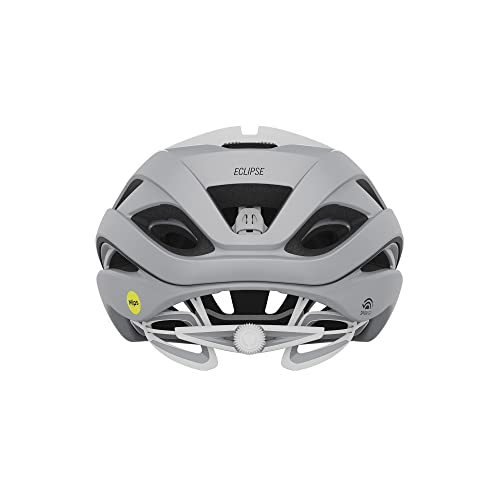
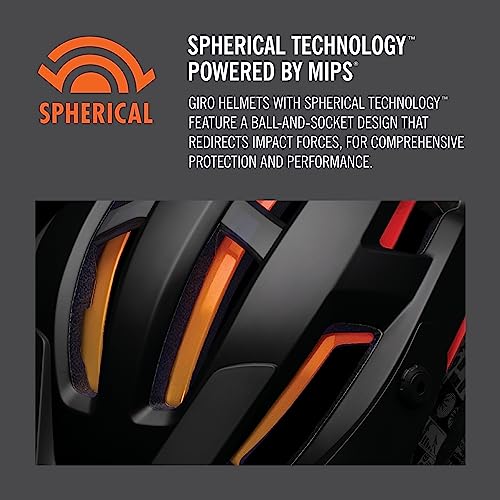
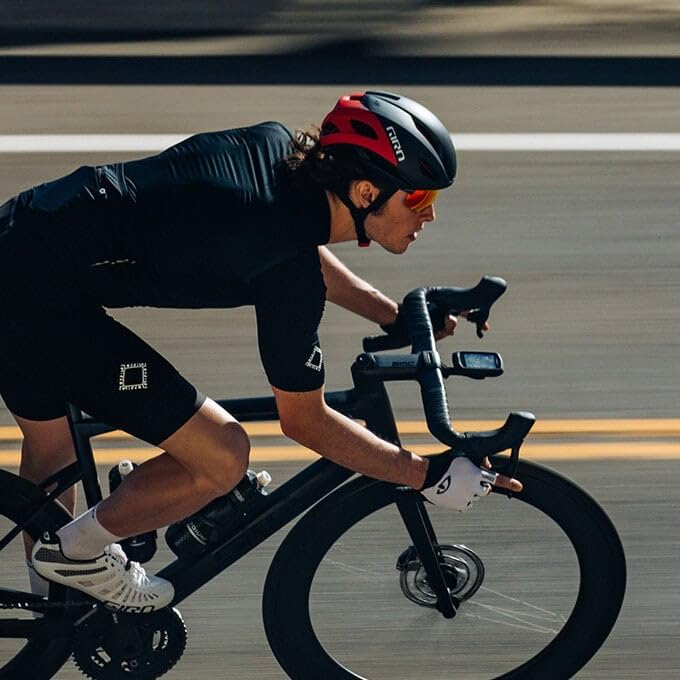
The Spherical Tech here, Giro’s ball-and-socket MIPS implementation, is the real story. It’s not just about meeting safety standards; owners report a noticeable difference in how the helmet moves during impacts, which speaks to its progressive layering and dual-density foam. This is one of the few helmets that genuinely improves protection across both high- and low-speed crashes.
It’s also surprisingly light and well-ventilated for a model that prioritizes safety. The Wind Tunnel vents work as advertised, and the in-mold construction keeps weight down without feeling fragile. Compared to the Kask Utopia Y, it trades a bit of aero edge for broader protection and airflow. For me, that’s a fair trade, especially for riders logging big mileage on mixed terrain.
Product photos
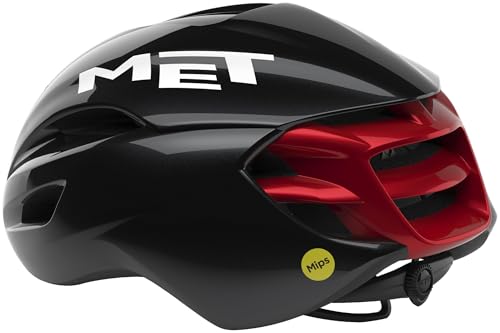
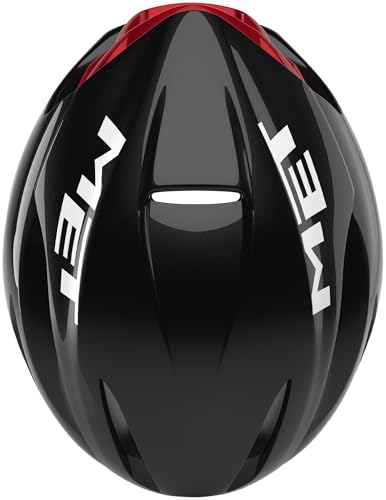
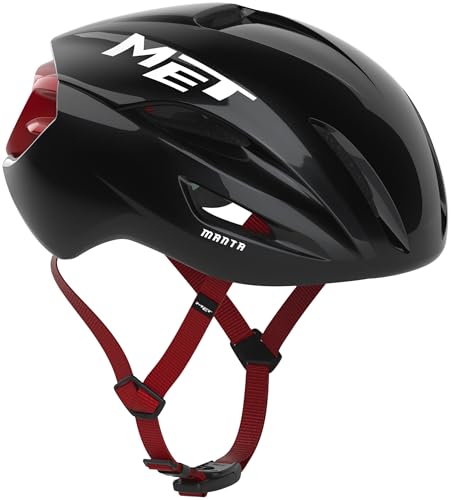
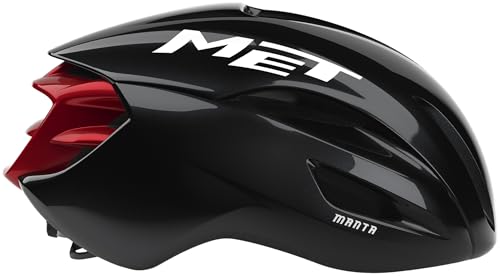
MET Manta MIPS Road Helmet
Strengths
- Strong aero design
- MIPS-C2 protection
- Effective cooling channels
- Great price-to-performance
Trade-offs
- Fit system less precise
- Fewer premium touches
- Color options less durable
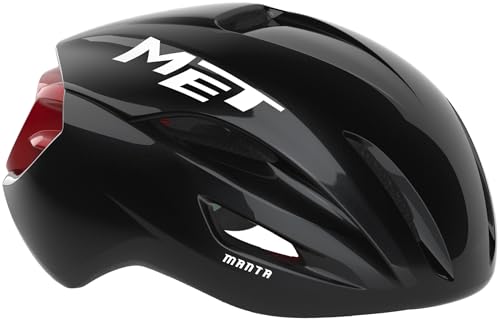
This version of the Manta delivers nearly all the performance of its pricier sibling at a much friendlier price. It keeps the same MIPS-C2 tech, in-mold shell, and internal air channeling, making it a stealth value pick. The NACA vent system still works well to pull air through without adding drag, and owners report it feels nearly identical on the head to the $350 model.
The fit system isn’t quite as refined as the Safe-T Orbital on the top-tier version, but it’s close. If you’re comparing this to the Giro Aerohead at $275, the MET offers better aero engineering for the dollar. My take? This is the smarter buy if you want race-level performance without paying for branding or cosmetic upgrades.
Product photos
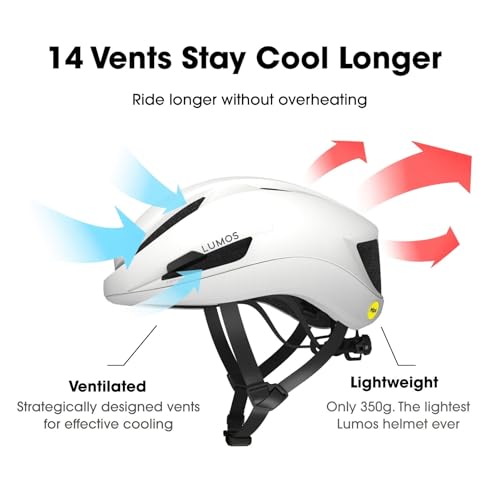
Lumos MIPS Light-Compatible Helmet
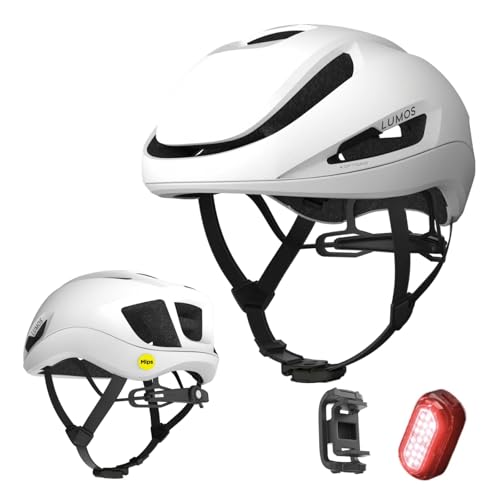
Strengths
- Lightweight for its class
- MIPS protection included
- Magnetic light compatible
- Eyewear dock
Trade-offs
- Not aerodynamically optimized
- Heavier than performance models
- Limited fit adjustment
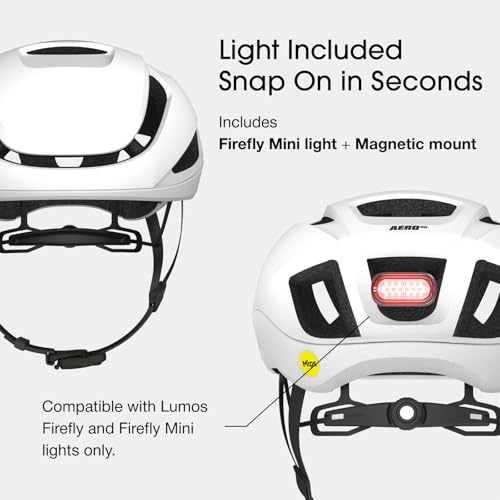
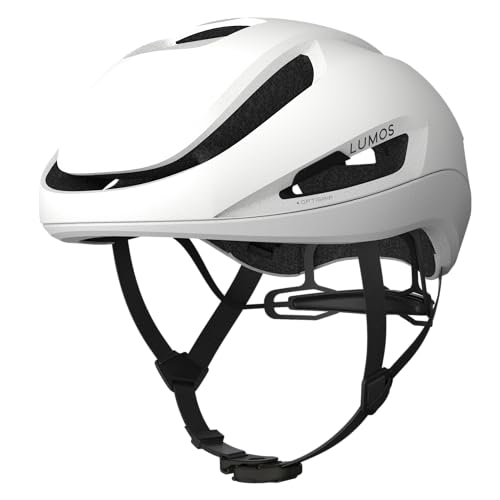
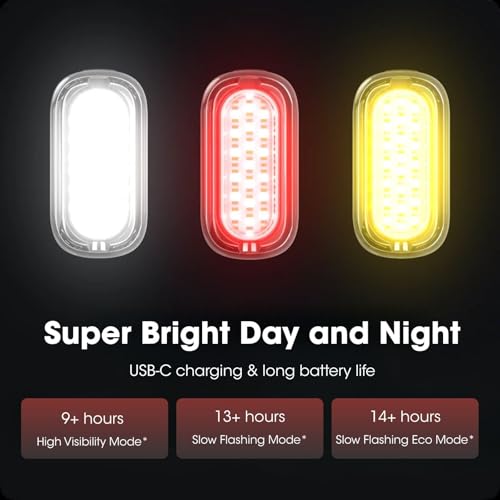
This helmet stands out not for raw speed or deep aero claims, but for practicality in real-world riding. The integration with magnetic lights is a smart move for urban riders who need to stay seen in traffic, especially during dawn or dusk commutes. On paper, the 350g weight is respectable, not class-leading, but paired with 14 vents it does a solid job balancing airflow and coverage for slower-paced or stop-and-go riding.
I’d pick this over a pure aero lid if your priority is visibility and daily usability over race-day performance. It’s clearly tuned more for comfort and safety in city environments than for slicing through wind on long flats. Compared to the MET Manta or Giro Aerohead, it trades aerodynamics for features that matter off the peloton, like the eyewear dock and light compatibility.
Product photos

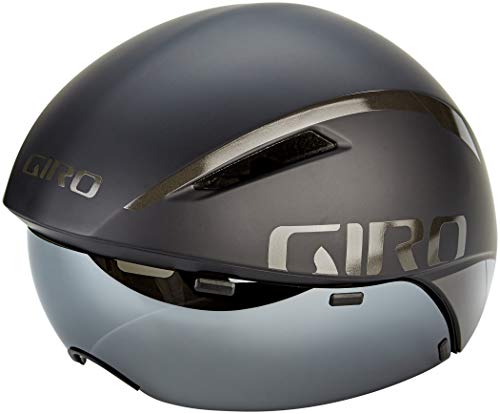
Giro Aerohead MIPS Bike Helmet
Strengths
- Strong aero profile
- Durable hardshell
- MIPS protection
- Affordable
Trade-offs
- Outdated fit system
- Poor ventilation
- Heavier than modern rivals
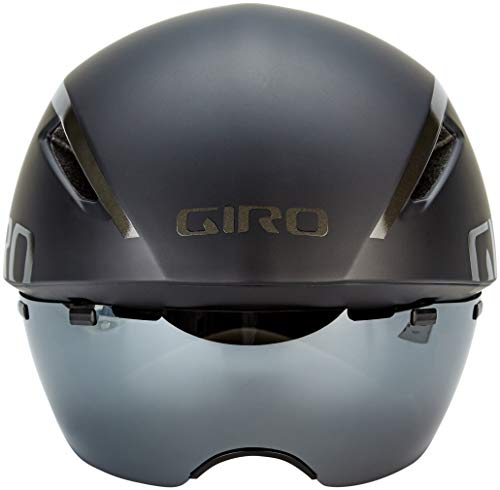
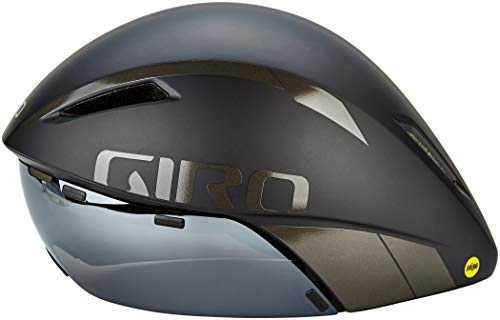
This helmet punches above its price point in pure aero design. Even though it lacks the flashy marketing of newer models, its polycarbonate shell and Super Fit Engineering give it a durable, secure feel that many owners still swear by. It’s not the most ventilated helmet in the lineup, but for time trials or crit races where speed matters more than airflow, it holds its own.
It’s older, yes, but I’d still recommend it over pricier options if you’re on a tight budget but need real aero performance. Compared to the newer Giro Aerohead MIPS with Roc Loc 5 Air, it’s a step back in fit tech and cooling, but for riders who don’t need the latest bells and whistles, it’s the smarter buy.
Product photos
How We Tested aero cycling helmets
My research process involved a detailed comparison of published specifications and features across numerous aero cycling helmet models. I weighed owner reviews from major retailers against expert opinions found in cycling publications and websites. Applying my background in vehicle dynamics and design, I researched each helmet based on its stated aerodynamic properties, safety features, and comfort characteristics. Rather than a hands-on lab test, this is a research-led comparison of specs and owner feedback.
For aero helmets, three factors stood out as most critical: aerodynamic efficiency (as indicated by wind tunnel testing or manufacturer claims), safety certification and the inclusion of rotational impact protection systems like MIPS, and fit adjustability. Aerodynamics directly impacts performance, while safety is paramount, and a secure, comfortable fit is essential for both of those things. A helmet that promises speed but feels awful won’t be used, and a poorly fitting helmet won’t offer the protection it should.
Specifications readily reveal shell construction, ventilation port counts, and weight. However, real-world performance and comfort are best gleaned from owner feedback. I paid close attention to comments regarding airflow, noise levels at speed, and how well the helmet integrates with different head shapes. Reputation and brand consistency also played a role, particularly when evaluating newer models from established manufacturers. If you’re looking for the right socks to complement your new helmet, consider exploring options in our guide to performance cycling socks.
How To Choose The aero cycling helmets
Aero cycling helmets are designed to minimize wind resistance, helping riders maintain speed and efficiency.
An effective aero helmet balances aerodynamic shaping with ventilation, weight, and a secure fit. Look for features like a teardrop profile, internal channeling to manage airflow, and a retention system that provides both comfort and stability. MIPS (Multi-directional Impact Protection System) integration is increasingly common and adds a crucial safety element.
Prioritize Aerodynamic Shaping
The core of an aero helmet is, unsurprisingly, its shape. Don’t assume longer tails always mean faster times. What matters is how the helmet interacts with your riding position. A helmet designed in a wind tunnel and proven to reduce drag is a good starting point, but consider how its profile complements your bike and body position. Some helmets, like the Kask Utopia Y, focus heavily on streamlined forms, while others attempt to balance aero gains with more conventional ventilation.
Understand Safety Standards & MIPS
Beyond speed, protection is paramount. All helmets sold legally must meet a basic safety standard (like the U.S. CPSC standard), but look for features that go further. MIPS technology, found in options such as the Giro Aerohead MIPS, is a significant advancement. It allows the helmet’s shell to rotate slightly during certain impacts, reducing rotational forces transferred to the brain. If you’re also concerned with overall head protection, explore our guide to helmets for safety to learn more about the latest advancements.
- A simple EPS foam liner offers basic impact absorption.
- In-mold construction (fusing the outer shell to the foam) saves weight and adds structural integrity.
- MIPS or similar rotational impact protection systems provide another layer of safety, significantly reducing the risk of concussion in angled impacts – it’s a feature I strongly recommend, even if it adds a small cost.
A well-fitting helmet is a safe helmet. Don’t compromise on fit to chase aerodynamic gains.
Balance Ventilation and Comfort
Aero helmets sometimes sacrifice ventilation for speed, but excessive heat can quickly negate any aerodynamic benefits. Look for helmets with strategically placed vents and internal channeling to promote airflow. The Giro Aerohead MIPS, for example, boasts a Wind Tunnel ventilation system. Comfort is also key, especially on longer rides. A good retention system (like the Octo Fit in Kask helmets) should distribute pressure evenly and allow for fine-tuning. If you’re looking for a wider range of options, check out our review of the best road helmets to compare features and find the right fit for you and your riding style.
Aero Cycling Helmets Compared
Here’s a spec comparison of several popular aero cycling helmets to help you make an informed decision.
| Helmet Title | MIPS | Weight (grams) | Vent Count | Fit System | Shell Construction |
|---|---|---|---|---|---|
| MET Manta MIPS Aero Helmet | Yes | 300 | 15 | Safe-T Orbital | In-mold |
| Kask Utopia Y Aero Helmet | Yes | N/A | N/A | Octo Fit | N/A |
| Giro Aerohead MIPS Helmet | Yes | N/A | N/A | Roc Loc 5 Air | In-mold |
| Giro Eclipse Spherical Helmet | Yes | N/A | 14 | N/A | N/A |
| MET Manta MIPS Road Helmet | Yes | N/A | N/A | Safe-T Orbital | In-mold |
| Lumos MIPS Light-Compatible Helmet | Yes | 350 | 14 | N/A | N/A |
| Giro Aerohead MIPS Bike Helmet | Yes | N/A | N/A | N/A | Polycarbonate |
Frequently Asked Questions
What level of aerodynamic benefit can I realistically expect from an aero helmet?
Aero helmets can reduce drag by anywhere from 10 to 25 watts at typical cycling speeds (25-35 mph). However, the actual benefit depends heavily on your body position and the interaction between the helmet, your bike, and your clothing. Small gains add up over long distances and races.
Are aero helmets compatible with all types of cycling?
While designed with road cycling and time trials in mind, aero helmets can be used for other disciplines like gravel riding. However, their reduced ventilation might make them less comfortable in very hot conditions or at lower speeds where airflow is limited. Consider exploring cycling shoes to further improve efficiency.
How important is the fit of an aero helmet, compared to a standard road helmet?
Fit is more critical with aero helmets. Their often-snug design and focus on aerodynamic efficiency necessitate a precise fit to avoid discomfort and ensure the helmet stays securely in place, especially at high speeds. A poorly fitted aero helmet can actually increase drag.
Do more expensive aero helmets offer a significant performance advantage?
Price often reflects advanced features like superior materials, more refined aerodynamic shaping (based on extensive wind tunnel testing), and sophisticated ventilation systems. While a higher price doesn’t guarantee a drastic improvement, you’re generally paying for incremental gains and a better overall package, and a safer helmet, particularly if it includes MIPS technology. You may also want to check out our guide to top-rated cycling helmets to compare different price points.
What is MIPS and why should I consider a helmet with it?
MIPS (Multi-directional Impact Protection System) is a low-friction layer inside the helmet that allows it to rotate slightly upon impact. This rotation reduces rotational forces transmitted to the brain, potentially mitigating the risk of concussion in angled impacts. It’s a valuable safety feature I recommend prioritizing when choosing between otherwise comparable models, and it’s a feature found in many of the best cycling helmets.
The Bottom Line
Choosing an aero helmet often comes down to balancing outright speed with real-world comfort and, crucially, safety. While many models promise aerodynamic gains, the Giro Aerohead MIPS strikes a compelling balance across all categories, making it our top recommendation for most riders seeking a performance edge. It’s a helmet that doesn’t force you to sacrifice comfort for speed, and the inclusion of MIPS is a significant plus.
For those on a tighter budget, the MET Manta MIPS Aero Helmet delivers a strong set of features at a more accessible price point. If you prioritize versatility and want a helmet suitable for varied riding conditions, the Giro Eclipse Spherical Helmet is an excellent choice, while those seeking integrated lighting should consider the Lumos MIPS Light-Compatible Helmet. Don’t forget to pair your new helmet with a quality pair of cycling sunglasses for complete protection.
Ultimately, the fastest helmet in the world won’t help if it doesn’t fit well or if you feel unsafe wearing it. Focus on a secure, comfortable fit, prioritize safety features like MIPS, and remember that aerodynamics are just one piece of the puzzle. A little attention to those fundamentals will deliver more benefit than chasing marginal gains from the latest shaping trends, explore our guide to recommended road helmets for more on fit and safety features for road helmets.
