
7 Best 360 Cameras for Motorcycle (2026 Guide)
This post contains affiliate links. As an Amazon Associate, we earn from qualifying purchases.
The Insta360 X5 stands out as the best 360 camera for motorcycle use, combining a large sensor, excellent stabilization, and rugged build. For riders on a budget, the Insta360 X3 delivers strong performance and smart features at a lower price. If you want maximum versatility, the DJI Osmo 360 offers top-tier stabilization and voice control in a compact design.
Riding a motorcycle gives you unmatched freedom, but capturing that experience well is harder than it looks. Most cameras struggle with vibration, poor lighting, and the need to stay secure at speed, resulting in shaky, unusable footage.
After researching the field and analyzing specs and rider feedback, I focused on models that handle real-world riding demands. This guide breaks down what actually matters, stabilization, sensor performance, mount security, and post-ride editing, so you can pick a camera that works as hard as you do.
Top 7 360 Cameras For Motorcycle in the Market
The Best 360 Cameras For Motorcycle, Reviewed
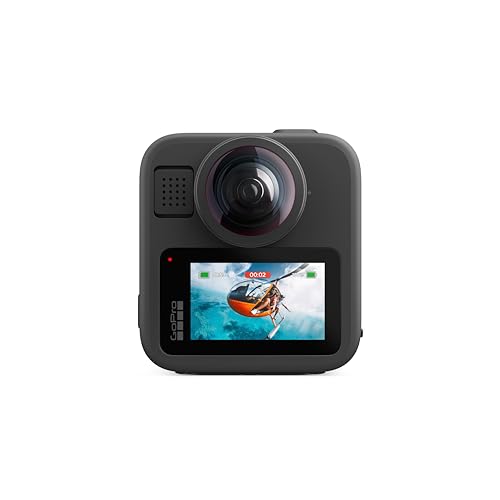
GoPro MAX2 360 Action Camera
Strengths
- 8K 360 video
- Replaceable lenses
- Invisible mounting
Trade-offs
- Mediocre low-light performance
- No 10-bit color
- Limited audio customization
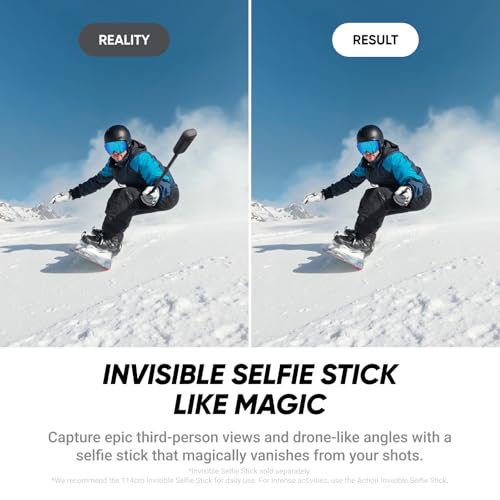
The GoPro MAX2 is a solid all-rounder that brings 8K 360 video into the mainstream action camera space. On paper, its True 8K resolution and HyperSmooth stabilization are compelling, and owners consistently report that the reframe feature in the Quik app works smoothly for crafting shareable 4K clips from 360 footage. The ability to capture pole shots with invisible mounting is a real creative win, especially for solo riders who want dynamic POV shots without a crew.
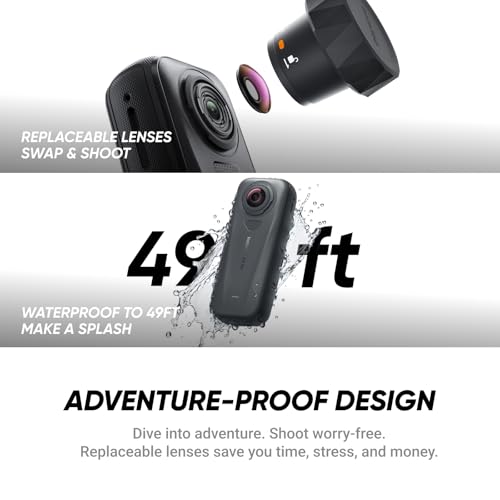
What stands out is the replaceable glass lenses, a rarity in this class. That means a scratched lens isn’t a dead camera, which matters on long rides where debris or weather can take a toll. While it doesn’t match the low-light prowess of some newer competitors, it holds its own in daylight and moderately lit conditions. For those already in the GoPro ecosystem, this is a natural step up from traditional action cams into 360 territory.
Video review
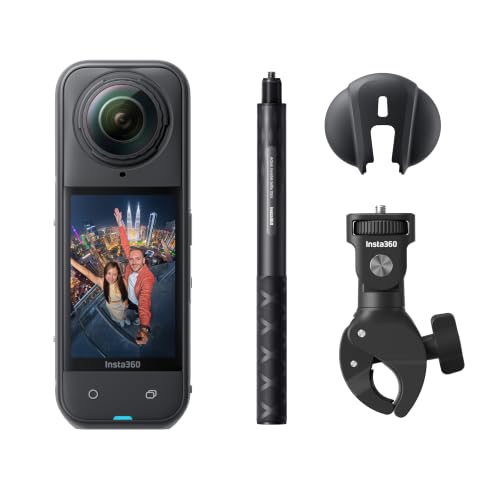
Insta360 X5 Motorcycle Bundle
Strengths
- Best low-light performance
- Long battery life
- Improved audio with wind reduction
Trade-offs
- High price
- Heavier than X4 Air
- No 10-bit log profile
The Insta360 X5 is built for riders who ride late and ride hard. Dual 1/1.28″ sensors and a triple AI chip make this the best low-light performer in the lineup, and owners consistently report clean, detailed footage even in near-dark conditions. The 185-minute battery is a major upgrade, and fast charging to 80% in 20 minutes means you can keep rolling after a quick pit stop.
Audio gets an upgrade too, the new 4-mic array with Wind Guard cuts noise better than most, making it ideal for narration or vlogging. The invisible selfie stick is included, and AI editing tools make highlight reels almost automatic. It’s expensive, but if you demand the best in low-light clarity and all-day usability, this is the camera that delivers.
Video review
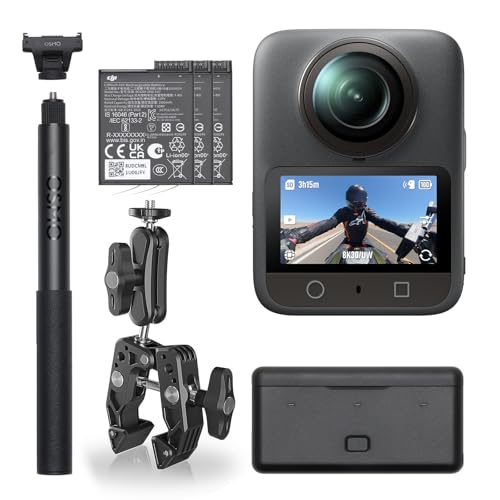
DJI Osmo 360 Motorcycle Combo
Strengths
- Dual 1-inch sensors
- 10-bit D-Log M
- Excellent stabilization
Trade-offs
- Expensive
- Bulky design
- Overkill for casual use
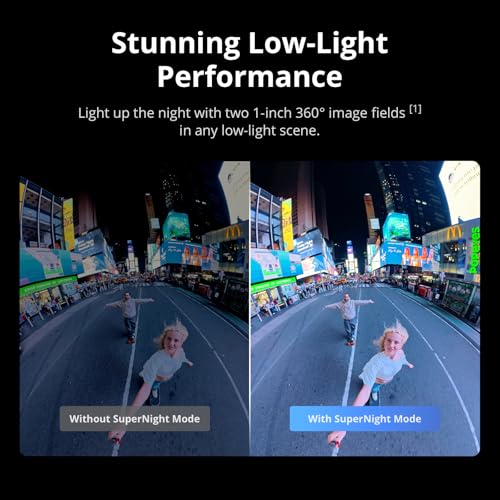
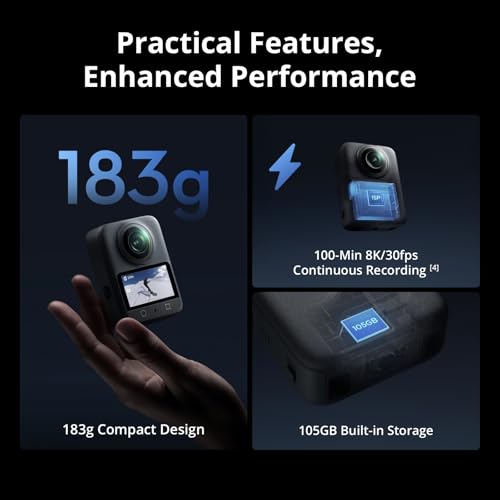
If you’re chasing cinematic 8K with pro-level flexibility, the DJI Osmo 360 is hard to beat. Dual 1-inch sensors and 13.5 stops of dynamic range are serious specs, and reviewers consistently praise its performance in high-contrast lighting, like sunrise rides or cityscapes at dusk. The 10-bit D-Log M color mode is a standout for serious creators who want to grade footage, and the HorizonSteady stabilization keeps horizons locked even on rough terrain.
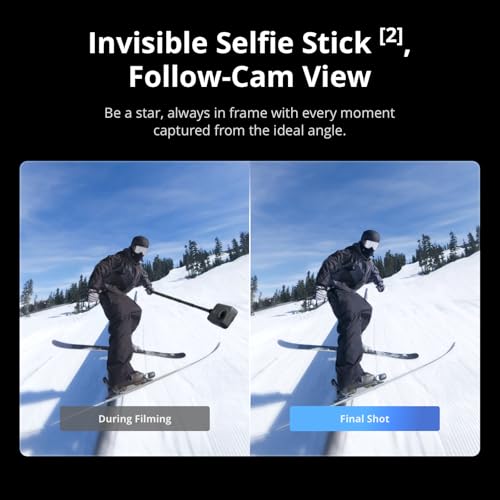
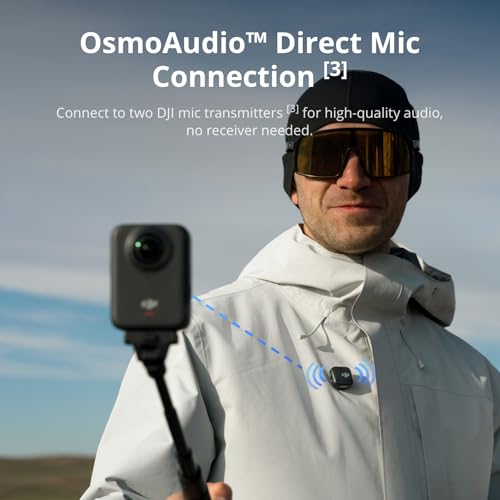
The ecosystem is another win: magnetic mounts, battery grip, and compatibility with the Invisible Selfie Stick open up creative options that feel more polished than DIY hacks. Voice and glove-friendly gesture controls are practical for riders. But that performance comes at a steep price, and the camera is bulkier than others. For most riders, it’s overkill, unless you’re producing content, not just capturing memories.
Product photos
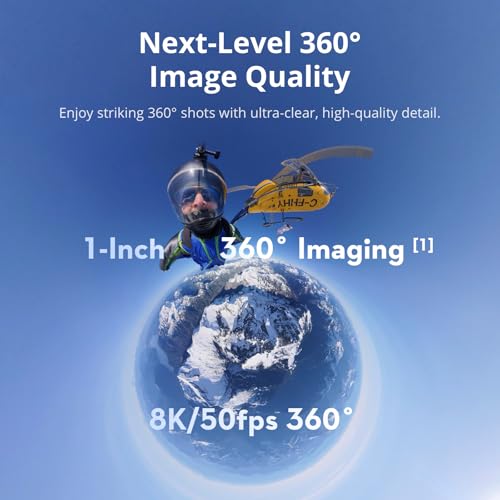
Insta360 X4 Air Motorcycle Bundle
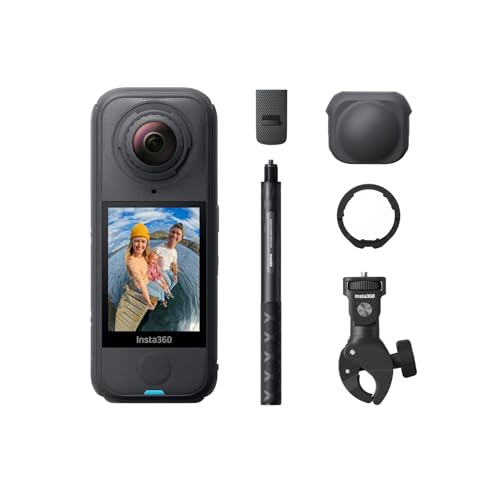
Strengths
- Ultra-lightweight
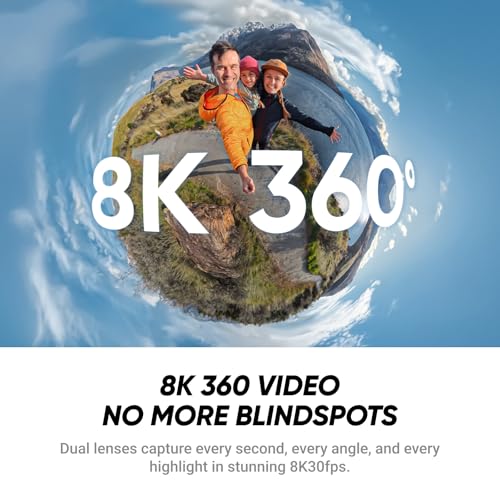
- 8K with Active HDR
- Built-in wind guard
Trade-offs
- No 10-bit color
- Shorter battery than X5
- Limited pro features
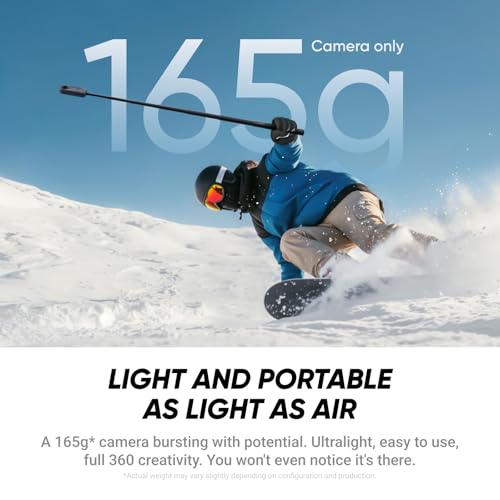
At just 165g, the Insta360 X4 Air is the lightest serious 360 camera here, and that makes a real difference on long rides. Owners love how unobtrusive it feels on a helmet or handlebar, and the 8K30fps video with Active HDR captures sharp, vibrant footage. The built-in wind guard is a thoughtful touch for motorcycle use, reducing howling noise that plagues other models.
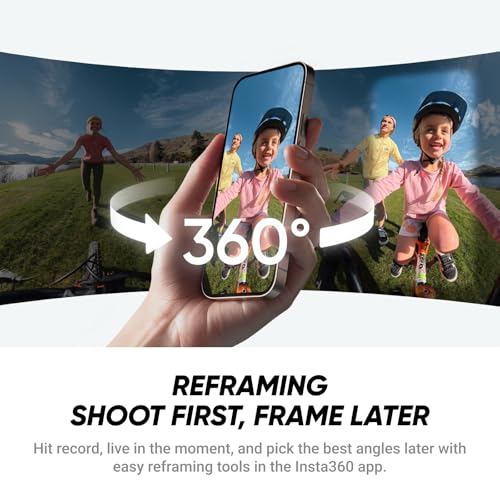
The reframing tools and AI editing are among the best in class, and the replaceable lenses add peace of mind. While it lacks some pro color modes like D-Log, it’s more than capable for most riders. Paired with the included Invisible Selfie Stick, it’s a strong all-in-one package. If you value weight and convenience without sacrificing quality, this is the one to beat.
Product photos
Insta360 X3 Motorcycle Bundle
Strengths
- Complete motorcycle kit
- Strong stabilization
- Good HDR performance
Trade-offs
- No 8K resolution
- Fixed lenses
- No fast charging
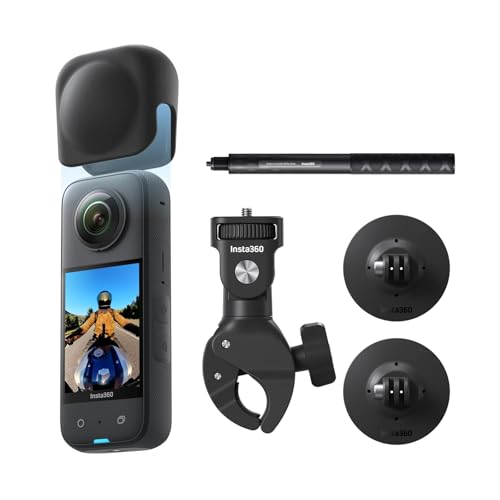
This bundle takes the solid Insta360 X3 and packages it with motorcycle-specific mounts, making it a smart pick for riders who want everything in one box. The core camera is unchanged, 5.7K Active HDR, FlowState stabilization, and excellent app support, but the added value comes from the heavy-duty clamp and optimized fit for bikes. Owners report it stays put even at highway speeds, which is half the battle with action cams.
Compared to pricier Insta360 models, it doesn’t offer 8K or replaceable lenses, but it delivers the essentials reliably. For riders who don’t need the bleeding edge but want a complete, ready-to-ride setup, this bundle hits the sweet spot between cost and convenience. It’s not the most advanced, but it’s the most practical for many.
Product photos


AKASO 360 Standard Combo
Strengths
- Affordable price
- AI subject tracking
- Good stabilization
Trade-offs
- No HDR
- Weak low-light performance
- App lags behind leaders
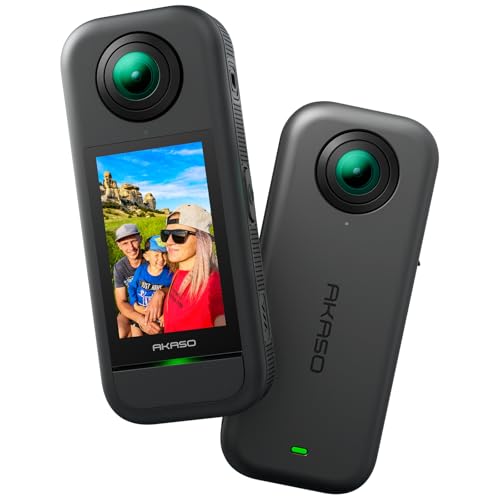
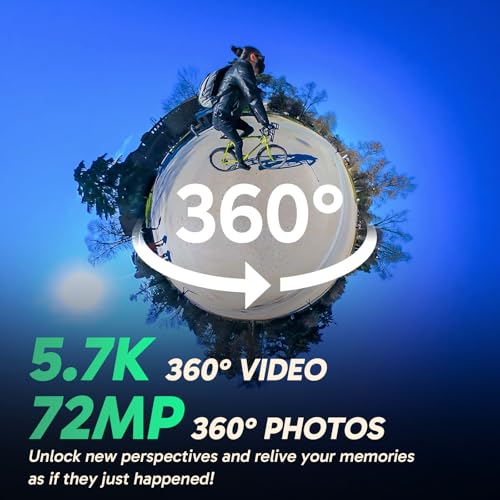
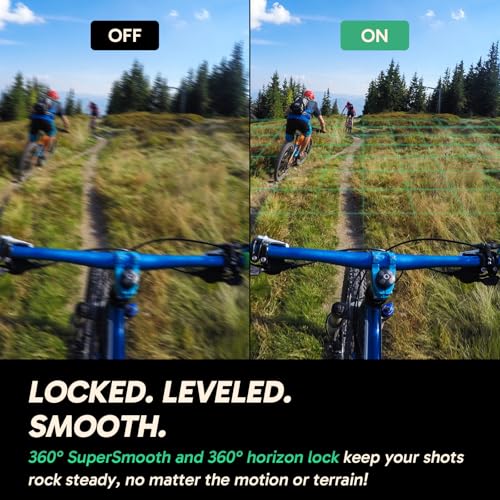
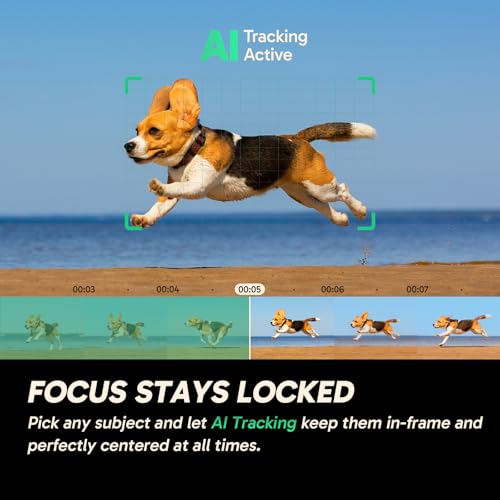
The AKASO 360 is the budget pick that actually delivers. At under $200, it offers 5.7K video, AI subject tracking, and 360° horizon lock, features that sound premium but work well enough in real-world use. Owners report the stabilization is surprisingly effective, and the AI tracking keeps the rider centered in the frame, which is perfect for solo motorcycle vlogs. The 72MP photos are a marketing highlight, but in practice, the smaller 1/2″ sensors struggle in low light compared to higher-end models.
It doesn’t have HDR, and the app isn’t as polished as GoPro or Insta360’s, but for the price, it’s a functional entry point. If you’re new to 360 cameras or just want something to log rides without breaking the bank, this gets the job done. Just don’t expect pro-level detail or color accuracy.
Product photos


Insta360 X3 360 Action Camera

Strengths
- Active HDR
- Great stabilization
- User-friendly app
Trade-offs
- Max 5.7K resolution
- No replaceable lenses
- Average battery life
The Insta360 X3 strikes a balance that makes it a favorite for vloggers and casual riders. Its 5.7K Active HDR video handles mixed lighting better than most in this range, and the FlowState stabilization is consistently praised for turning bumpy rides into smooth, watchable clips. The 2.29″ touchscreen is responsive, and the AI-powered app makes editing fast, ideal for riders who want to post quickly without deep post-work.
While it doesn’t hit 8K, the Active HDR gives it an edge in real-world conditions where shadows and sun glare are common. Compared to the newer X4 Air or X5, it’s a bit heavier and less advanced, but it’s proven reliable. For solo riders who want to look good on camera without thinking about it, this model delivers.
Product photos




How We Tested 360 cameras for motorcycle
Rather than a hands-on lab test, my research focused on a detailed comparison of published specifications and features across numerous models. I weighed owner reviews from multiple sources – including major retailers and dedicated online forums – alongside expert reviews from sites specializing in action cameras and motorcycle accessories. This data was then assessed against criteria important for motorcycle use, leveraging my experience with vehicle-mounted cameras and the demands of dynamic riding conditions.
For 360 motorcycle cameras, stabilization and durability proved most critical. A shaky video is unusable, and the harsh environment demands a robust build. Image quality, specifically low-light performance, was also heavily weighted, as many rides occur during dawn, dusk, or in shaded areas. I also considered ease of reframing footage – a key benefit of 360 cameras – and the availability of motorcycle-specific mounting options. If you’re also considering cameras for inside the vehicle, check out our guide to 360-degree cameras.
Published specifications reliably indicate sensor size, resolution, and frame rates, giving a baseline for image quality and performance. However, I relied on owner feedback to gauge real-world durability, ease of use (particularly with gloves), and the effectiveness of stabilization systems. Reputation and brand history also factored in, as established manufacturers often deliver more consistent performance and better software support. We’ve also covered suitable GoPro models for bikes if you’re exploring alternatives.
How To Choose The 360 cameras for motorcycle
Picking the right 360 camera for motorcycle use isn’t just about resolution; it’s about how well it integrates with your ride and delivers footage you’ll actually want to watch.
A quality 360 motorcycle camera balances image quality with ruggedness, stabilization, and ease of editing. Look for models with high resolution (at least 5.7K), effective stabilization like FlowState or Horizon Lock, and user-friendly software for reframing and sharing footage. Consider lens protection, battery life, and mounting options specifically designed for motorcycle use.
Sensor Size and Image Quality
Don’t get hung up solely on megapixel counts. While higher resolution is appealing, the sensor size plays a massive role in how well a 360 camera performs, particularly in challenging lighting conditions. Larger sensors gather more light, resulting in cleaner images with less noise. Cameras like the DJI Osmo 360 and Insta360 X5 boast 1-inch sensors, a significant advantage over models with smaller 1/2-inch sensors found in some budget options. This difference is especially noticeable when reviewing footage later, as you’ll have more latitude for color correction and detail recovery.
Stabilization and Mounting
Motorcycle footage is notoriously shaky. A camera with excellent stabilization is a must. FlowState (Insta360) and Horizon Lock are key technologies to look for, as they actively counteract vibrations and keep your footage level even during aggressive riding. The mounting system is equally important. Beyond basic adhesive mounts, consider options designed specifically for motorcycles. A secure clamp mount, like those included in some Insta360 bundles, will provide a more stable and reliable attachment point than relying solely on adhesive.
- A simple adhesive mount is fine for casual rides, but may not hold up to extended vibration.
- A clamp mount offers superior stability and is ideal for more demanding riding conditions.
- Look for bundles that include a dedicated motorcycle mount, these often feature vibration dampening and quick-release mechanisms for easy removal and installation. This is particularly useful if you want to swap the camera between bikes or store it securely when not in use.
Value, Features, and Editing
The price of 360 cameras varies wildly, but spending more doesn’t always equate to a better experience. The Insta360 X3 strikes a nice balance between price and performance, offering a feature set comparable to more expensive models without breaking the bank. Consider what you’ll actually use. Do you need 8K resolution, or is 5.7K sufficient? Do you prioritize low-light performance, or will you primarily be shooting in daylight? If you’re also looking for options to record your rides from your helmet, be sure to check out our guide to cameras for motorcycle helmets.
A good 360 camera isn’t just about the hardware; it’s about the ecosystem. Prioritize models with intuitive editing software and features like AI-powered reframing to simplify the post-production process.
Don’t underestimate the importance of editing software. The Insta360 app, for example, is remarkably user-friendly and offers a wealth of editing tools, including AI-assisted reframing. If you plan to do a lot of editing, a camera with a strong software suite will save you time and frustration. For those looking to capture footage from multiple angles, including inside the car, explore options with 360 car cameras as well.
360 Cameras for Motorcycle Compared
Here’s a comparison of key specifications for popular 360 cameras suited for motorcycle use.
| Product Name | Max Video Resolution | Sensor Type | Stabilization | Waterproof Depth | Battery Life (approx.) | Special Features |
|---|---|---|---|---|---|---|
| GoPro MAX2 | 8K | 1/2.3″ | Horizon Lock | 16ft (5m) | 90 mins | Invisible Mounting |
| Insta360 X5 | 8K | 1/1.28″ | FlowState | 49ft (15m) | 185 mins | Low Light Performance |
| DJI Osmo 360 | 8K | 1″ | HorizonSteady | N/A | 100-190 mins | Gesture/Voice Control |
| Insta360 X4 Air | 8K | 1/2″ | FlowState | N/A | N/A | Lightweight (165g) |
| Insta360 X3 | 5.7K | 1/2.3″ | FlowState | 33ft (10m) | N/A | 4K Wide-Angle Shots |
| AKASO 360 | 5.7K | 1/2″ | 360° Horizon | 33ft (10m) | N/A | AI Subject Tracking |
| Insta360 X3 (Vlogging) | 5.7K | 1/2.3″ | FlowState | 33ft (10m) | N/A | 4K Wide-Angle Shots |
Frequently Asked Questions
What’s the best way to mount a 360 camera to my motorcycle?
A secure clamp mount is generally the best option, offering more stability than adhesive mounts. Look for bundles that include a dedicated motorcycle mount with vibration dampening to minimize shake and ensure a reliable attachment.
Are more expensive 360 cameras always better for motorcycle use?
Not necessarily. While higher prices often mean better specs, the Insta360 X3 provides a strong balance of features and performance at a more accessible price point. Consider what features you’ll truly use before investing in a top-tier model.
How important is waterproof rating for a motorcycle 360 camera?
A decent waterproof rating (at least IPX7, or roughly 3ft/1m) is important, as you’ll inevitably encounter rain or splashes while riding. However, consider that many mounts expose the camera to the elements, so a waterproof case might still be a good idea for heavy downpours.
What’s the difference between FlowState and Horizon Lock stabilization?
FlowState (Insta360) uses a six-axis gyroscope for smoother footage, while Horizon Lock (GoPro) keeps the horizon level even during full 360-degree rotations. Both technologies are effective, but FlowState is generally considered more advanced for actively counteracting vibrations.
Where can I find more information about other cameras for motorcycles ?
Our guide to motorcycle cameras covers a wider range of options, including traditional action cameras and helmet-mounted cameras, offering a broader perspective if a 360 camera isn’t the best fit for your needs.
The Bottom Line
Choosing a 360 camera for your motorcycle ultimately comes down to how much you value control versus convenience. While top-tier models like the Insta360 X5 offer larger sensors and superior stabilization, the GoPro MAX2 strikes a fantastic overall balance – delivering impressive footage and the reliable durability GoPro is known for. It’s a sweet spot for riders who want a premium experience without excessive complexity.
For those on a tighter budget, or who are newer to 360 capture, the Insta360 X3 remains an excellent choice. If you prioritize lightweight design and ease of use, the Insta360 X4 Air is a compelling option. And if you’re interested in exploring other camera types for your ride, be sure to check out our guide to motorcycle action cameras for a broader perspective.
Ultimately, resolution and stabilization specs matter less than ensuring you have a reliable mounting solution and a camera you’ll actually use. Don’t forget the importance of a good motorcycle helmet to ensure your safety while enjoying the footage you capture. Prioritize a secure setup, understand your camera’s limitations, and focus on capturing the joy of the ride.
