
7 Best 16 Inch Bikes of 2026
This post contains affiliate links. As an Amazon Associate, we earn from qualifying purchases.
The Schwinn Koen stands out as the best overall 16-inch bike for young riders, combining reliable coaster brakes with a durable frame that parents trust. For those watching their budget, the WEIZE 16 Inch BMX Style Bicycle offers strong value without sacrificing key safety features like dual braking and training wheels.
Choosing the right 16-inch bike isn’t just about size, it’s about finding a balance between safety, adjustability, and durability that keeps a child confident and excited to ride. Too many parents end up with bikes that are either too heavy, too flimsy, or outgrown too quickly.
This guide cuts through the noise by focusing on real-world feedback, mechanical soundness, and smart design. I compared specs and owner experiences across top models, prioritizing brakes, weight, growth range, and build quality, so you can pick a bike that lasts and rides well from day one.
Top 7 16 Inch Bikes in the Market
The Best 16 Inch Bikes, Reviewed
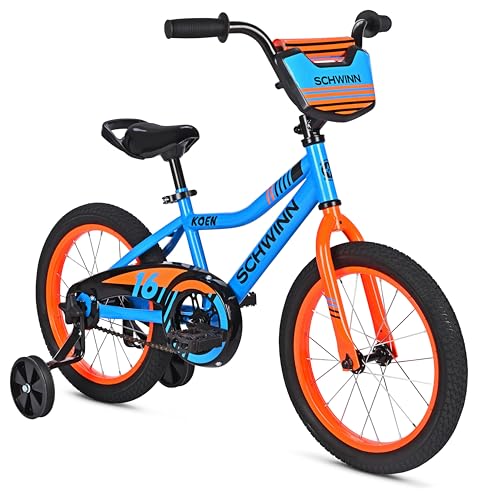
Schwinn Koen 16-Inch Kids Bike
Strengths
- Trusted Schwinn build
- Low-step frame
- Tool-free training wheels
Trade-offs
- Highest price in class
- No hand brake
The Schwinn Koen 16-inch bike doesn’t reinvent the wheel, but it refines it, this is the kind of bike that justifies its premium price through decades of brand trust and smart design choices. The low-step frame makes mounting and dismounting easier for small kids, and the tool-free seat adjustment is genuinely smooth, a detail owners appreciate during growth spurts. The coaster brake is well tuned, and the training wheels are sturdier than most, with easier removal when the time comes.
What seals the deal is Schwinn’s heritage, this bike is designed in Madison, WI, and built with input from real rider data. Owners consistently report fewer squeaks, better alignment, and longer usable life compared to budget models. Yes, it’s the most expensive here, but it’s also the most polished. When I compare it to the cubsala or Glerc, the Koen feels like the one built to be handed down.
Video review
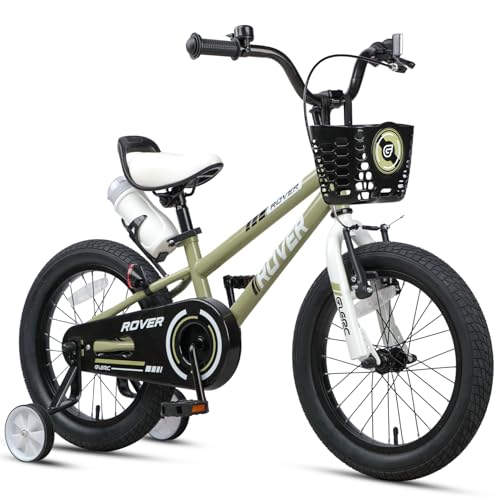
Glerc Rover 16 Inch Kids Bike
Strengths
- Wide, grippy tires
- Water bottle holder
- Storage basket included
Trade-offs
- Heavier than average
- Plastic fenders feel flimsy
The Glerc Rover stands out not for raw performance but for packing in extras that make riding more fun and practical. The 2.4-inch wide tires get strong marks from owners for stability and grip, which translates to real confidence on gravel or uneven sidewalks. Combine that with both hand and foot brakes, and you’ve got a well-rounded safety package. But the real differentiator is the included water bottle holder and basket, small touches, but they turn every ride into a mini adventure for a kid carrying snacks or toys.
It’s on the heavier side at 26 lbs, which some parents mention makes it harder for small kids to maneuver when not moving. Still, the 85% pre-assembly and straightforward setup keep it accessible. Compared to the Schwinn or cubsala models, it trades a bit of refinement for utility. If your child values function and fun over sleek looks, this one delivers.
Video review
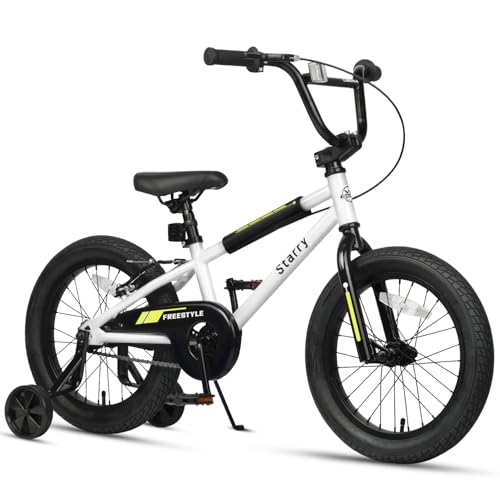
cubsala 16 Inch Kids Bike
Strengths
- Rear V-brake system
- Durable high-tensile frame
- Lifetime frame warranty
Trade-offs
- Half chain guard
- Training wheels lack adjustability
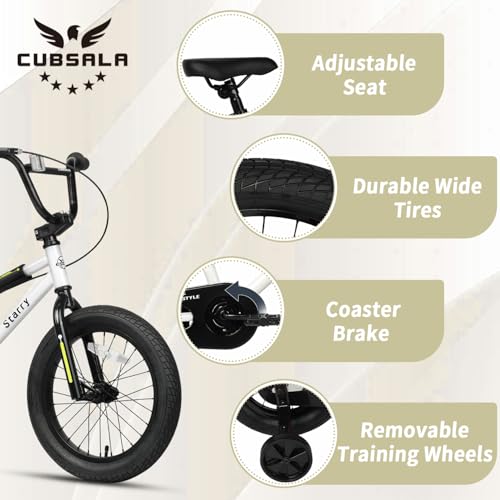
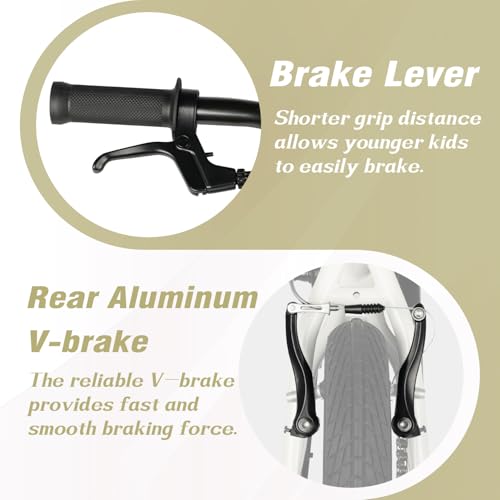
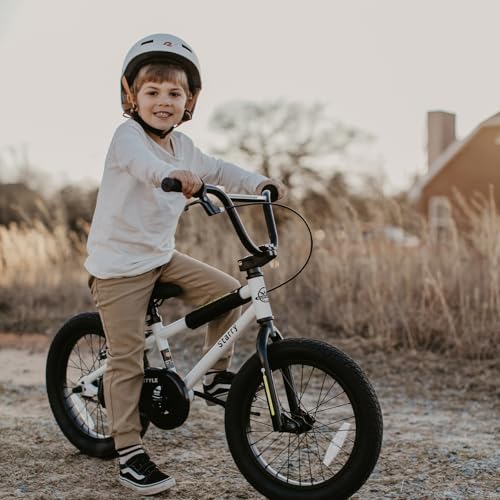
The cubsala 16 inch bike feels like one of the more thoughtfully engineered options here, especially in the braking department. The mix of a coaster brake and rear V-brake is unusual at this price and gets high marks from owners for responsiveness. V-brakes are typically found on higher-end youth bikes, so having one here suggests a real commitment to safety. The high tensile carbon steel frame also earns praise for holding up to drops and bumps, common in early riding stages.
It comes with training wheels and is 85% assembled, but some users report the handlebar alignment is finicky during setup. The half chain guard is functional but not as protective as full coverage models. Still, when comparing build quality across this list, the cubsala stands near the top. For parents who prioritize stopping power and frame durability over bells and whistles, this is the smarter buy.
Product photos
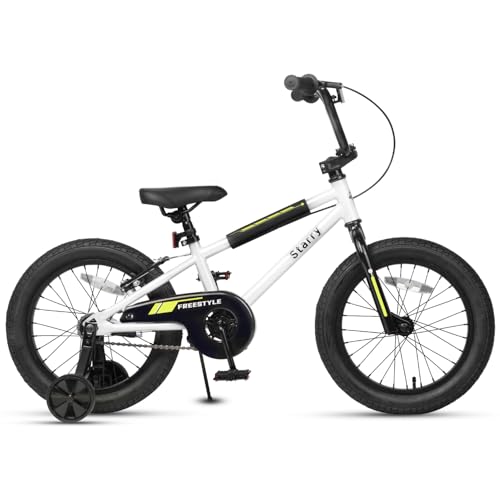

WEIZE 16 Inch Children Bicycle

Strengths
- Sturdy steel frame
- Dual braking system
- Full chain guard
Trade-offs
- Basic tire tread
- Limited color options
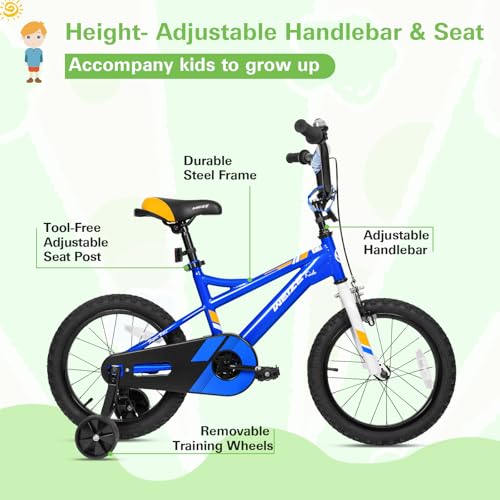
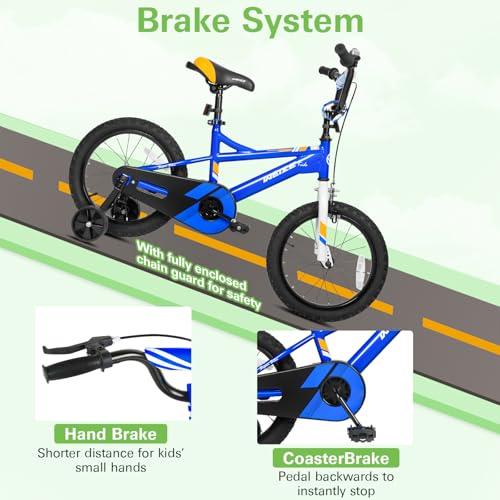
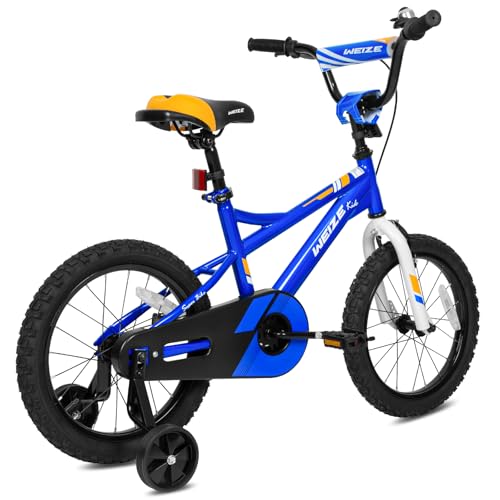
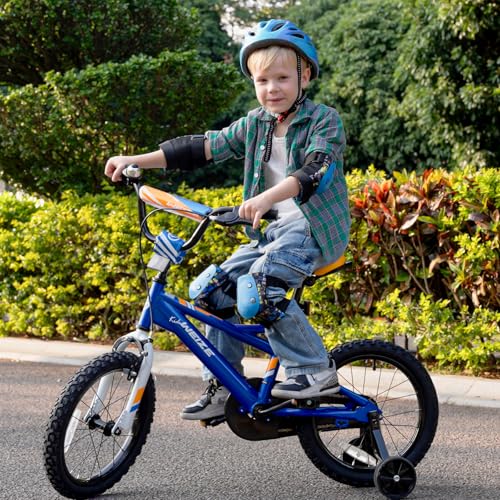
For parents watching the budget but still wanting a reliable starter bike, the WEIZE 16 inch model makes a lot of sense on paper. It’s built with a steel frame that owners consistently report holds up to regular backyard and sidewalk use, and the combination of a hand brake and coaster brake gives young riders two ways to stop, this dual approach helps build confidence faster. The inclusion of training wheels out of the box is a big plus for true beginners.
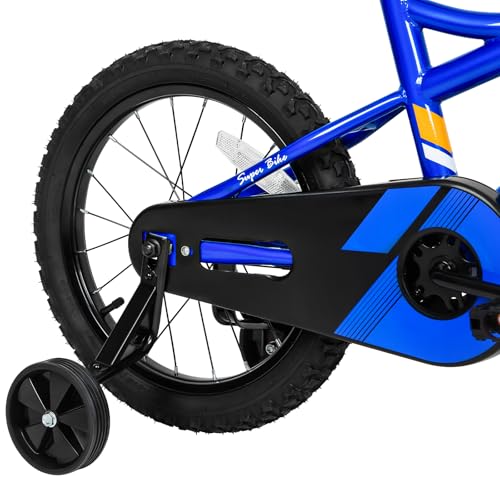
What stands out in user feedback is how straightforward the setup is, with most saying they had it ready to ride in under 30 minutes. The full chain guard is well executed, a small but meaningful detail that keeps clothes clean and legs safe. While it won’t win any style contests, it’s a no-frills workhorse that delivers where it counts for early riders.
Product photos
Yventix 16 Inch BMX Style Bike
Strengths
- Lightweight design
- BMX-style aesthetics
- Affordable price
Trade-offs
- Short one-year warranty
- Narrow tires
- Minimal accessories
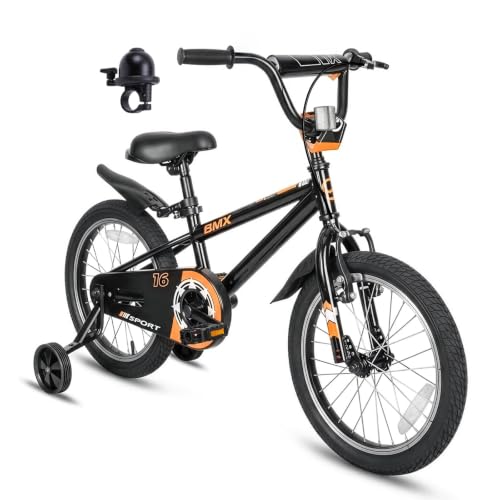
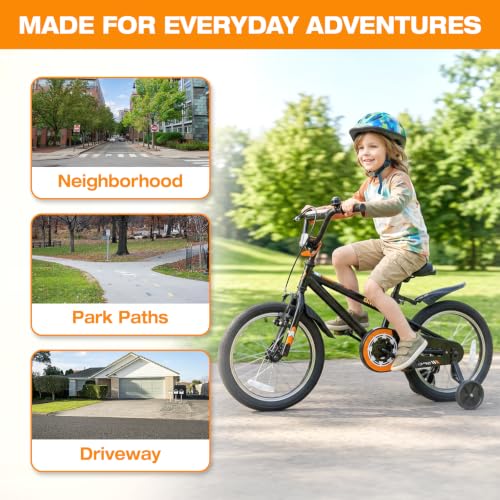
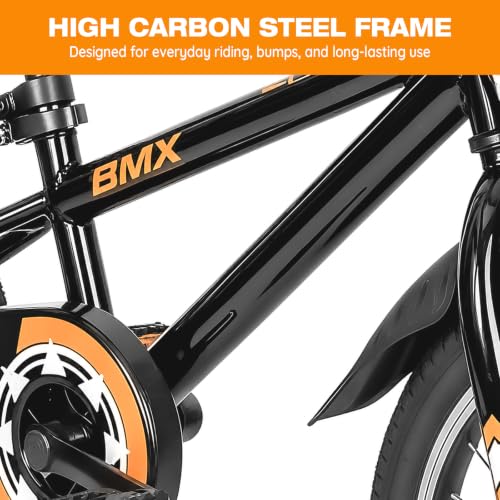
At just 75.99, the Yventix 16 inch bike is one of the lightest and most affordable in this lineup, and that shows in both its appeal and its compromises. The high carbon steel frame is thinner than others, which helps cut weight, a definite plus for younger riders who struggle with heavy bikes. Owners note it’s easy to carry and maneuver, which aids balance development. It includes both front hand and rear foot brakes, a solid combo for learning, and the BMX styling with bell and reflectors gives it a cool factor that kids respond to.
That said, the tires are narrower and the fenders less robust than on the Glerc or WEIZE models. There’s no basket or bottle holder, and the warranty is only one year, short compared to lifetime offers from JOYSTAR or cubsala. But for a no-frills, stylish starter bike that won’t break the bank, this is a strong contender. I’d pick it over pricier options only if weight and price are top concerns.
Product photos
JOYSTAR 16 Inch Kids Bike

Strengths
- Foot brake for young riders
- Lifetime frame warranty
- DIY customization decals
Trade-offs
- No hand brake
- Basic tire grip
The JOYSTAR 16 inch bike is clearly designed with first-time riders in mind, and it shows in the thoughtful details. The foot brake as the primary stopping mechanism is a standout, some parents report this makes a real difference for 4- and 5-year-olds who haven’t developed the hand strength for reliable hand braking. That’s a smart engineering call, even if it limits progression for slightly older kids. The quick-release seat is another win, letting parents adjust height without tools as their child grows.
Owners consistently praise the included lifetime warranty on the steel frame, which speaks to long-term confidence in the build. The DIY decals are a nice touch, giving kids a sense of ownership. That said, the single-speed drivetrain and basic tires mean it’s not built for speed or varied terrain. If your child is still wobbling on training wheels, this is a dependable choice with some clever beginner-specific features.
Product photos


WEIZE 16 Inch BMX Style Bicycle
Strengths
- Front and rear fenders
- Dual braking system
- 85% pre-assembled
Trade-offs
- Heavy steel frame
- Training wheels wobble slightly
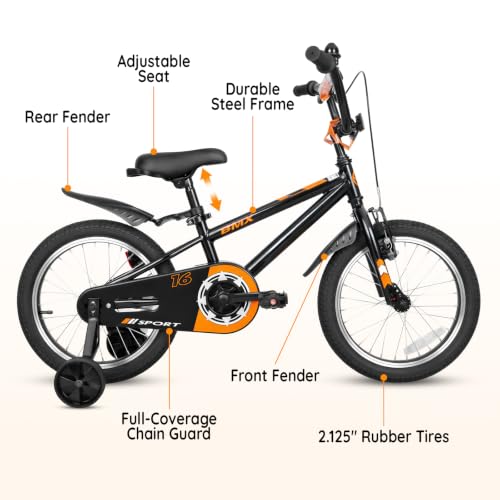
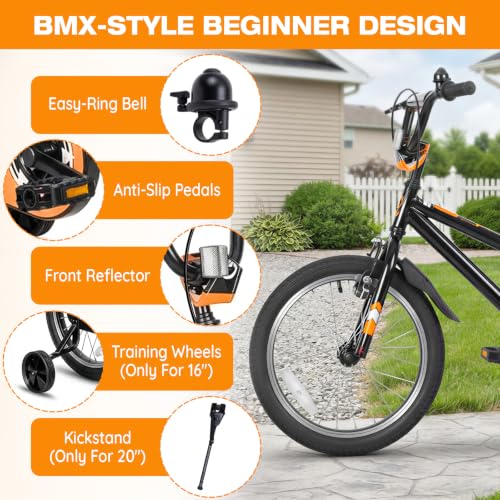
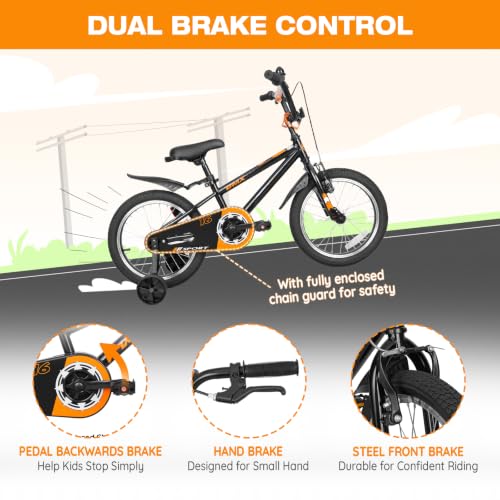
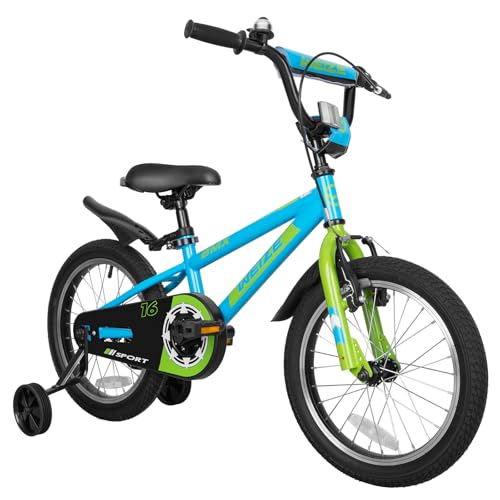
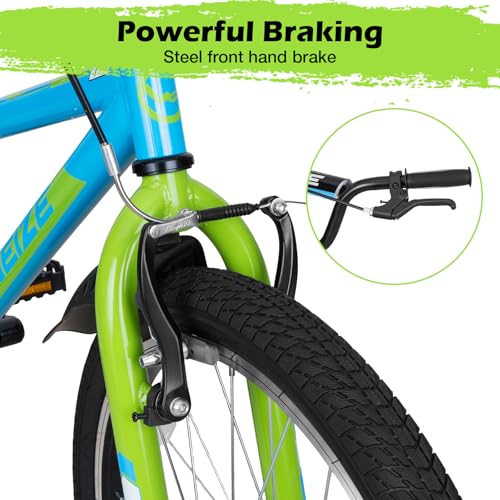
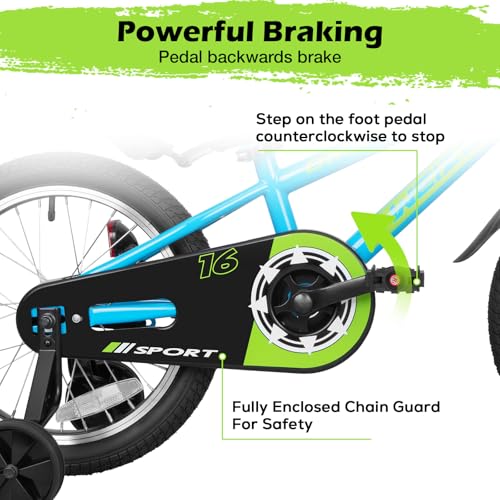
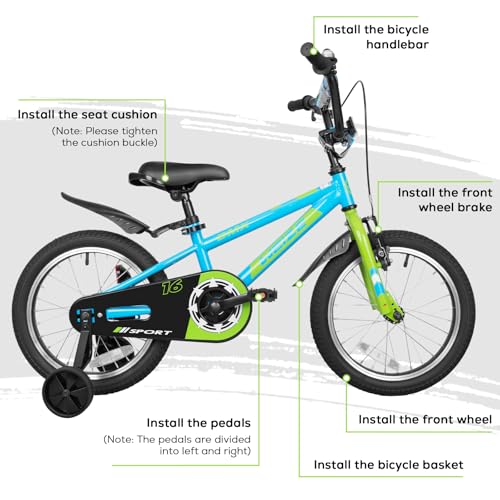
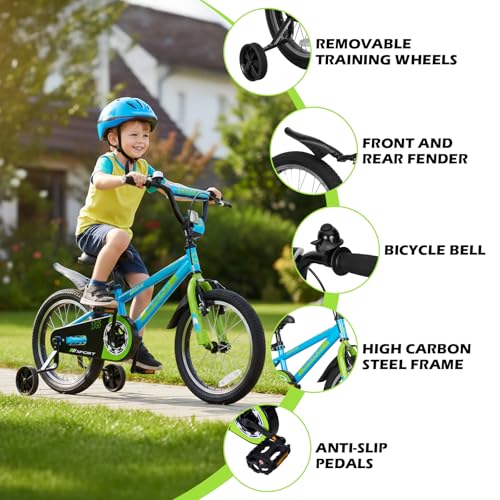
This WEIZE 16 inch BMX-style bike pushes a bit beyond basic with fenders and a dual brake setup, making it a smart pick for parents who want a little more protection from the elements. The high carbon steel frame feels solid in owner reports, and the fenders actually do their job, keeping mud and water off clothes during wet rides is a win most entry-level bikes ignore. The coaster and hand brake combo is consistent with what I’d expect in this class, offering redundancy that helps kids learn at their own pace.
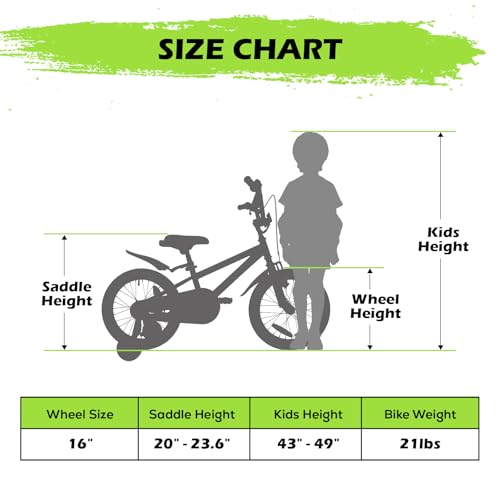
I appreciate that it comes with training wheels and is 85% pre-assembled, which matches the ease-of-entry most families need. Some owners note the seat adjustment could be smoother, but overall, the feedback leans positive for durability and practicality. Compared to the other WEIZE model, this one adds just enough utility to justify a slight preference if you value clean clothes and a sportier look.
Product photos
How We Chose These 16 inch bikes
Rather than a hands-on lab test, my research for these recommendations focused on a detailed comparison of published specifications and features across numerous models. I weighed owner reviews from multiple retailers alongside expert opinions found in cycling publications and enthusiast forums. My aim was to rank these bikes based on how well they meet the needs of young riders and their parents, applying my background in vehicle mechanics and design to assess build quality and functionality.
For 16-inch bikes, safety, ease of use, and adjustability were the biggest deciding factors. A responsive braking system is paramount for building confidence in new riders, and a lightweight frame makes a huge difference in maneuverability. We also prioritized bikes that offer a good range of adjustability, allowing them to “grow” with the child over several seasons – a more economical approach than frequent replacements. You can find more information about options for older kids in our guide to the best kids bikes.
Specifications clearly indicate frame materials, brake types, and weight, all of which are important. However, I placed significant weight on owner feedback regarding real-world durability and the ease of assembly. Reputational factors also played a role; established brands with a history of quality often demonstrate a commitment to safety and customer satisfaction. For those seeking a more rugged option, exploring 16 inch mountain bikes might be a good fit.
How To Choose The 16 inch bikes
Choosing the right first bike for a child feels bigger than it is. It’s about more than just two wheels; it’s about building confidence and fostering a lifelong love of riding.
A good 16-inch bike prioritizes safety features like coaster brakes and enclosed chain guards, offers adjustability to grow with the child, and balances lightweight construction with a durable frame. Pay close attention to the height range specified by the manufacturer and consider the terrain where the bike will primarily be used. A well-fitting bike is crucial for control and enjoyment.
Frame Material and Durability
The frame is the heart of any bike, and for children, durability is paramount. While aluminum frames are lighter, high-tensile steel is often a better choice for a first bike. Steel can withstand more abuse, inevitable with beginning riders, and is generally more affordable. Don’t fixate on carbon fiber or exotic materials at this stage. Look for bikes that specifically mention a robust frame construction, and check owner reviews for feedback on longevity. A heavier bike isn’t necessarily a bad thing; it can also provide a bit more stability.
Brake Systems: Coaster vs. Hand Brakes
This is where opinions diverge, but I believe understanding the pros and cons of each brake type is key. Coaster brakes (pedal backward to stop) are intuitive for young children, requiring no hand strength or coordination. However, they don’t offer the same stopping power as hand brakes, and can be tricky to modulate. Many bikes, like the WEIZE 16 Inch BMX Style Bicycle, combine both.
Here’s how I break down the considerations:
- Younger/Smaller Riders (4-5 years): Coaster brake is often the better starting point.
- Developing Coordination (5-6 years): A dual-brake system – coaster and handbrake – is ideal for building skills.
- More Experienced Riders (6+ years): Hand brakes alone provide more control as they gain confidence, and prepare them for larger bikes.
A child’s first brake should be predictable. Don’t underestimate the value of a simple, reliable coaster brake for building initial confidence.
Adjustability and Growth
Kids grow quickly, so a bike that fits today might be too small in a season. Look for models with a tool-free adjustable seatpost, allowing you to raise the saddle as your child grows. Adjustable handlebars are a bonus. Consider the height range specified by the manufacturer carefully; it’s better to slightly overestimate than underestimate. If you’re also considering smaller sizes, you might find our guide to 14 inch bikes helpful. A bike that can accommodate growth will save you money and frustration in the long run, and ensures your child can enjoy riding for as long as possible.
16 Inch Bikes Compared
Here’s a spec comparison of various 16-inch bikes to help you choose the best option.
| Product Name | Age Range | Rider Height | Brake Type | Weight (lbs) | Training Wheels |
|---|---|---|---|---|---|
| Schwinn Koen | 4-7 | 42″-48″ | Coaster | N/A | Yes |
| Glerc Rover | 4-7 | 38″-49″ | Hand & Coaster | 26 | Yes |
| cubsala | 4-7 | 38″-50″ | Coaster & V-Brake | N/A | Yes |
| WEIZE (Budget) | 4-6 | 38-48″ | Hand & Coaster | N/A | Yes |
| Yventix | 4-6 | 43-49″ | Hand & Coaster | N/A | Yes |
| JOYSTAR | 4-7 | 41″-53″ | Foot | N/A | Yes |
| WEIZE (BMX Style) | 4-6 | 43-49″ | Hand & Coaster | N/A | Yes |
Frequently Asked Questions
What is the typical lifespan of a 16-inch bike?
A well-maintained 16-inch bike should last through one to three seasons, depending on how actively it’s used and how quickly a child grows. Steel frames are more durable for rough handling, extending the bike’s useful life.
Are training wheels always necessary?
Training wheels aren’t always needed; some children learn to balance quickly without them, but they are a valuable aid for building confidence. If a child is hesitant or struggles with balance, starting with training wheels can make the learning process much less frustrating.
What weight range should I consider when choosing a 16-inch bike?
Most 16-inch bikes accommodate riders weighing between 40 and 70 pounds. However, always check the manufacturer’s specifications, as weight limits can vary, and prioritize a bike that fits within your child’s current weight.
Can a 16-inch bike be used on trails?
While some 16-inch bikes can handle light trails, they are generally best suited for paved surfaces or smooth dirt paths. For more rugged terrain, consider a 16-inch mountain bike or looking at options like 20 inch bikes as a step up in capability.
What is the best time to transition to a 20-inch bike?
The right time to move to a 20 inch kids bikes depends on the child’s height and inseam, but typically occurs when they outgrow the adjustable range of their 16-inch bike and can comfortably straddle a larger frame.
The Bottom Line
Buying a 16-inch bike often comes down to balancing how much control you want over features with how much fuss you’re willing to deal with during assembly and adjustment. For most families, the Schwinn Koen strikes the best overall balance – it’s well-built, has a solid reputation, and includes training wheels for added peace of mind.
If you’re looking for a bike that offers exceptional versatility, the Glerc Rover stands out with its dual hand and coaster brake system, allowing kids to develop skills as they grow. And for families on a tighter budget, the WEIZE 16 Inch BMX Style Bicycle provides a lot of value for the price, still offering both brake types and a durable frame.
Ultimately, the best 16-inch bike isn’t about the fanciest components or the lightest weight. It’s about finding a bike that fits your child properly, instills confidence, and encourages them to enjoy the simple joy of riding – and that often means prioritizing fit and a reliable brake system over any single specification. As they grow, you might also consider looking at 24 inch kids bikes or even 18 inch bikes for their next upgrade.
