
Finding the Best RV for a Couple | Navigate Key Trade-Offs
This post contains affiliate links. As an Amazon Associate, we earn from qualifying purchases.
The best RV for a couple is a travel trailer between 20 and 30 feet, with a rear living area floorplan, a Gross Vehicle Weight Rating (GVWR) under 8,000 lbs, and a Net Carrying Capacity (NCC) of at least 1,000 lbs. This size balances livable space with towability by common half-ton trucks, and the rear living area creates a private bedroom zone that feels like a real home.
That answer is the target. The actual choice depends on which of three trade-offs you value most: build quality versus cost, spaciousness versus ease of towing, or luxury features versus simple reliability.
What follows is a breakdown of those trade-offs using real model specs, the hidden warranty clauses that catch new owners, and the one floorplan feature that makes daily life for two people genuinely comfortable.
Key Takeaways
- A rear living area floorplan separates the bedroom from the main living space, creating a sense of privacy and square footage that a mid-bedroom layout cannot match.
- Your truck’s tow rating must exceed the trailer’s Gross Vehicle Weight Rating (GVWR), not its dry weight. Most half-ton trucks cap out at 8,000-9,000 lbs.
- The Net Carrying Capacity (NCC) is your actual cargo limit. For a couple planning extended trips, target at least 1,000 lbs. Many lighter trailers have an NCC under 800 lbs.
- Winnebago and Airstream owner’s manuals explicitly state that long-term occupancy constitutes misuse, voiding warranties on components like plumbing and appliances.
- A family of four can vaporize up to three gallons of water daily inside an RV. For a couple living in cold weather, that moisture condenses on walls and windows without serious ventilation.
The Core Specs That Matter for Two People
Forget length alone. The numbers that decide whether an RV works for a couple are its weight ratings and its cargo allowance. These are printed in the manual, and they are non-negotiable.
Gross Vehicle Weight Rating (GVWR) is the maximum total weight the trailer can legally and safely be, trailer, fluids, cargo, and all. Your tow vehicle must be rated to pull this number. Net Carrying Capacity (NCC) is the weight left over for your stuff after the trailer leaves the factory with propane and batteries. It’s GVWR minus the Unloaded Vehicle Weight.
Most salespeople talk about “dry weight.” That’s a useless figure. The Unloaded Vehicle Weight (UVW) includes factory-installed options, batteries, and propane. The NCC is what you actually get.
| Spec | What It Is | Why It Matters for a Couple | Minimum Target |
|---|---|---|---|
| GVWR | Max total weight of loaded trailer. | Must be under your truck’s max tow rating. | ≤ 8,000 lbs for half-ton towability. |
| NCC | Weight allowance for your cargo. | Holds your food, water, gear, and upgrades. | ≥ 1,000 lbs for extended travel. |
| Fresh Water Tank | Capacity of the onboard clean water supply. | Dictates how long you can camp without hookups. | 30-40 gallons for 3-4 days of conservative use. |
| Exterior Length | Tip-to-tail measurement. | Determines campsite fit and storage feasibility. | 20-30 feet for most state park sites. |
The Airstream Globetrotter 25FB has a GVWR of 7,300 lbs and an NCC of 1,325 lbs. That’s a solid margin. The Winnebago Vita 24P has a GVWR of 11,030 lbs, that’s into heavy-duty truck territory.
Where this goes sideways: Loading up an RV without checking the NCC. You hit the GVWR limit long before the trailer “looks” full. Exceeding it stresses the frame, wears out tires for winter travel prematurely, and voids your warranty outright.
The Weight Versus Comfort Trade-Off
A larger fridge, a residential mattress, extra tools, and a full tank of water add up faster than you think. A 40-gallon fresh water tank alone weighs 334 pounds. Two adults packing for a three-month trip can easily bring 500 lbs of personal items.
That’s why an NCC under 800 lbs is a red flag for any couple not doing weekend-only trips. You’ll be counting pounds every time you go to the grocery store. Prioritize models that publish a healthy NCC; it signals a frame built to carry a real load.
Before you start: Always check your truck’s door jamb sticker for its maximum combined weight rating. Hooking up a trailer that’s too heavy isn’t just unsafe, it transfers liability to you in an accident and can cause catastrophic tire safety and age issues from overload.
Travel Trailer vs. Fifth Wheel: The Maneuverability Question
The choice here defines your driving experience and your truck purchase. It’s not about comfort inside; it’s about comfort on the road.
Travel Trailers attach to a standard hitch ball at the bumper. They’re universally compatible and often lighter. The downside is sway, a long box behind the rear axle wants to wag the truck. A good weight-distribution hitch is mandatory, not optional. For a couple with a capable half-ton like a Ford F-150 or Chevrolet Silverado 1500, a well-balanced travel trailer under 30 feet is the sweet spot.
Fifth Wheels hook into a bed-mounted hitch. The connection point is over the truck’s rear axle, which makes them inherently more stable and easier to reverse. The trade-off is they require a pickup with a full-size bed and a hefty payload capacity, as the pin weight (the downward force on the hitch) is significant. They also eliminate most of your truck bed for storage.
For a couple moving every few days, the fifth wheel’s towing ease is a genuine benefit. For those who park for weeks at a time, the travel trailer’s lower cost and truck flexibility usually win.
The One Tow Vehicle Spec Everyone Misses
Payload capacity. Your truck’s payload rating, on that same door jamb sticker, is the maximum weight it can carry inside itself, people, dogs, gear in the bed, and the hitch weight of the trailer. A travel trailer’s hitch weight is 10-15% of its loaded weight. A 7,000 lb trailer puts 700-1,050 lbs directly on the truck’s hitch.
Add two adults (350 lbs), a full fuel tank, and some tools, and you’ve blown past a half-ton truck’s payload limit long before you exceed its tow rating. This is why many experienced owners end up in a three-quarter-ton truck. They ran out of payload, not pulling power.
Floorplans: Why the Bedroom Location is Everything
You will spend more waking hours in the main living area than anywhere else. The floorplan decides whether you feel cramped or comfortable.
Rear Living Area layouts place the bedroom in the back, separated by a solid wall or hallway. The living room, kitchen, and dinette are up front. This creates two distinct zones. One person can read in bed early without light or noise from the other watching TV. It mimics a small apartment and is, hands down, the best layout for full-time or extended travel as a couple.
Mid-Bedroom or Rear Kitchen plans put the bedroom in the middle, often with only a curtain for separation. The living area is in the rear. These feel more open when the bed is made, but they offer zero acoustic or visual privacy. Every late-night snack or early morning coffee happens a few feet from the sleeping partner.
I won’t recommend a mid-bedroom floorplan for any couple planning trips longer than a week. The lack of a door changes the dynamic by day three. You need a space that’s yours, even in 200 square feet.
| Floorplan Type | Best For | The Compromise |
|---|---|---|
| Rear Living Area | Full-time travel, differing sleep schedules, a sense of “home.” | Often slightly heavier, can have less exterior storage access. |
| Mid-Bedroom | Weekend camping, maximizing daytime open space, guests. | Zero privacy, bed is always in the way, poor for working remotely. |
| Rear Kitchen | Entertaining, cooks who want separation, views while dining. | Bedroom is a hallway, typically found in larger RVs over 30 feet. |
The part nobody mentions: Slide-outs. A single slide-out in the living area dramatically increases usable floor space. However, the Lippert SureSlide mechanism (common in many brands) adds complexity and a potential point of failure. Make sure you park on level ground before operating one, an out-of-level slide can bind and damage the gear rack.
Build Quality Tiers and What You Actually Pay For

RV construction falls into three broad categories. The price jump between them buys longevity, not just flash.
Entry-Level (Forest River, Jayco, Keystone): Built on a production line with laminated fiberglass walls (filon), wood frames, and staple-fastened interiors. They’re light and affordable. The compromise is that road vibration and moisture intrusion can cause delamination or soft floors over 5-10 years. Perfect for the couple who uses it 4-6 weeks a year and trades it in before the warranty expires.
Mid-Tier (Grand Design, Winnebago): Uses more aluminum framing, better seals, and often has a fully welded aluminum cage under the fiberglass skin. Brands like Grand Design RV focus on full-timer features, with upgraded fixtures and thicker insulation. You’re paying for materials that handle the stress of actual travel, not just sitting in a campground.
Premium (Airstream, Bowlus): Monocoque aluminum construction. The body is the frame. An Airstream’s iconic riveted shell is incredibly strong and durable, famously holding up for decades. The trade-off is cost, weight, and sometimes less interior width due to the curved walls. You buy this for heirloom quality and resale value.
Airstream’s warranty, like many, has a specific clause: their sole obligation is to repair defects if you notify them within 10 days of discovery and deliver the trailer at your own cost. That delivery clause means a cross-country tow bill for a warranty repair is on you.
The Condensation Problem No Brochure Mentions
RVs are not houses. Their walls are thin, and their insulation is minimal. According to Airstream manuals, prolonged occupancy leads to significant condensation, especially in cold weather. A family of four can vaporize up to three gallons of water daily through breathing, cooking, and showering.
For a couple living in their RV in a cold climate, that moisture has nowhere to go. It condenses on cold interior surfaces, windows, exterior walls, and metal frames inside cabinets. This leads to mold, mildew, and wood rot out of sight. The fix isn’t a better RV; it’s a powerful dehumidifier and constant ventilation. This reality is a primary reason manufacturers void warranties for “long-term occupancy.”
Critical Systems: From Tires to Toilets
The glamour is in the leather upholstery. The function is in the components you’ll service every year.
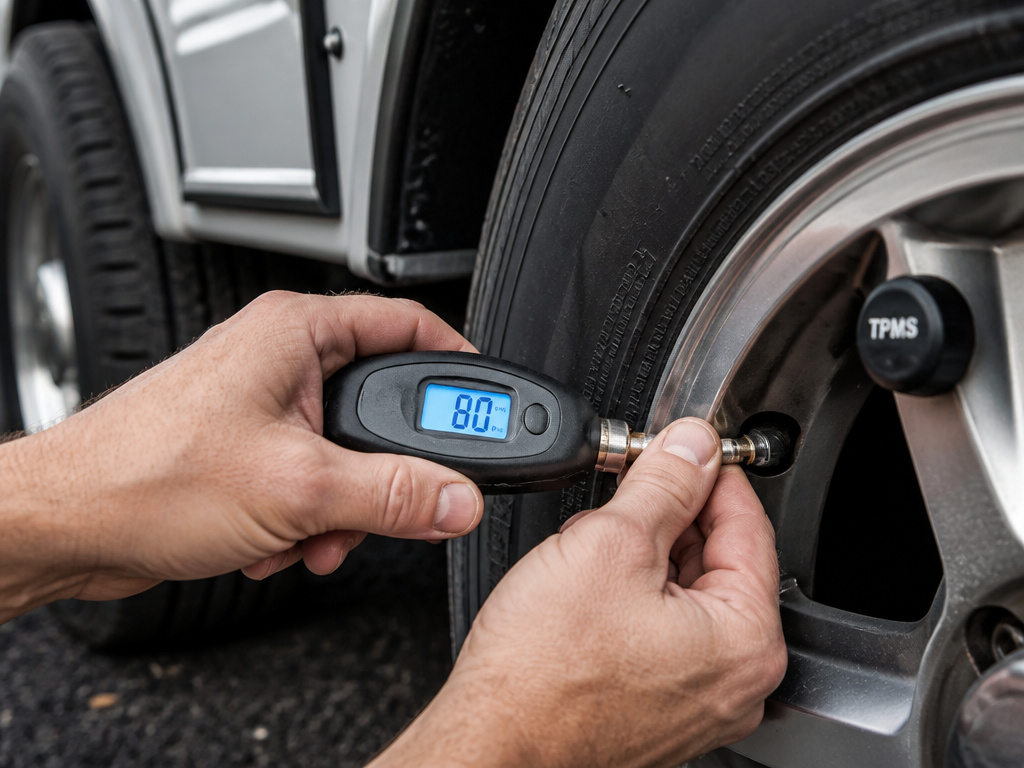
Tires: Most trailers come with “Special Trailer” (ST) rated tires. Their max cold inflation pressure is often 80 psi. You must check pressure when the tires are cold, after sitting for at least three hours or before driving more than a few miles. Under-inflation is the leading cause of blowouts. Regularly inspect for inspecting RV tire tread wear and sidewall cracking.
Wheel Lug Nuts: They loosen. The Winnebago Towables manual requires tightening at the start of the first trip, then again at 10, 25, and 50 miles. After that, check them before every trip. This isn’t a suggestion. A loose lug leads to a lost wheel.
Propane System: The tank’s listed capacity isn’t what you get. A 51.6 lb water capacity tank only fills to about 80% (41 lbs) due to the overfill prevention device. Plan your energy budget accordingly.
Water Systems: Freshwater tank capacities are approximate. The Winnebago Vita manual notes capacities are based on pre-installation measurements and can vary. Always sanitize your fresh water system annually with a bleach solution to prevent biofilm buildup.
TPMS: A tire pressure monitoring system for your trailer is a critical safety investment. It gives you a real-time warning of a slow leak before it becomes a flat or a blowout at highway speed.
Recommended Models for Different Couples
This is where opinion meets spec sheet. Your best RV depends on your primary use case.
For the Weekenders (10-20 trips/year): A Forest River Cherokee or Jayco Jay Flight in the 22-26 foot range. Look for a rear living area floorplan. These are affordable, lightweight, and have decent NCC for short trips. Don’t overbuy. The systems are simple and service is easy to find.
For the Snowbirds (3-6 month seasonal travel): A Grand Design Imagine or Winnebago Micro Minnie around 25-28 feet. The Grand Design build quality handles the miles better, and their NCC is typically generous. The Winnebago offers smart space utilization. Prioritize a good mattress and a large freshwater tank.
For the Full-Timers (Living on the road): An Airstream Flying Cloud or Grand Design Reflection travel trailer. The Airstream’s durability is proven, and its resale value is stellar. The Grand Design offers more space and full-timer-specific features like a dishwasher prep or washer/dryer hookups. In this tier, the luxury features for RVs you choose, like heated floors or a residential fridge, should match your power system’s capability.
The default pick: For most couples starting out, the Grand Design Imagine 2500RL is the one to beat. It’s a 28-foot travel trailer with a true rear living area, a GVWR around 7,500 lbs, and an NCC over 1,200 lbs. The build quality is a step above entry-level without the premium price tag, and its layout works for both weekends and month-long journeys.
Frequently Asked Questions
What size truck do I need for a 30-foot travel trailer?
You likely need a three-quarter-ton truck (Ford F-250, Chevrolet Silverado 2500). While some half-ton trucks are rated to tow 10,000+ lbs, their payload capacity is the limiting factor. A 30-foot trailer’s hitch weight, plus passengers and cargo, will exceed most half-ton payloads. Always calculate payload first.
Can two people comfortably live in a 20-foot RV?
Yes, but with strict discipline. A 20-foot RV is ideal for minimalists who spend most of their time outdoors. Storage is extremely limited, and there is no personal space. It’s perfect for weekend adventures but becomes cramped for full-time living unless you are exceptionally organized and relationship-solid.
Are used RVs a good option for couples?
Well-maintained used RV from a reputable brand like Airstream or Grand Design is an excellent value. The initial depreciation hit is gone. Have it inspected by a certified RV technician, focusing on water damage (soft floors, discolored walls), roof sealant condition, and appliance function. Check the RV tire replacement guidelines based on the tire’s date code.
What is the most common mistake new RVing couples make?
Overpacking and overloading. They exceed the NCC, which stresses the frame, brakes, and tires. Weigh your loaded RV at a truck stop cat scale on your first trip. The second is underestimating the need for a weight-distribution hitch with sway control on a travel trailer.
How important is a solar power setup for a couple?
It’s essential for any couple planning to camp without electrical hookups (boondocking). A 300-watt solar panel system with a 200-amp-hour lithium battery bank can run lights, a vent fan, and charge devices indefinitely. For running an air conditioner or a microwave, you need a large inverter generator.
Is bumper-pull or fifth-wheel better for a retired couple?
For retirees who plan to travel frequently and value easy towing, a fifth-wheel is often the better choice. The improved stability and easier backing reduce driving stress. However, it requires a dedicated truck. If you want to use your tow vehicle for daily driving and errands, a well-equipped travel trailer with a good hitch is more versatile.
Before You Go
The best RV for you and your partner isn’t the one with the most Instagrammable interior. It’s the one whose weight your truck can handle, whose floorplan gives you both a little breathing room, and whose NCC lets you bring the gear that makes travel enjoyable.
Ignore the dry weight. Study the GVWR and NCC on the spec sheet. Sit in the floorplan and imagine a rainy Tuesday inside it. Then think about where you’ll store the hoses, the tools, and the groceries. That’s the reality check that leads to the right choice.
Start with your truck’s real capabilities, be brutally honest about how you’ll use the space, and buy the most solid construction your budget allows. The memories you make will be worth the homework.
